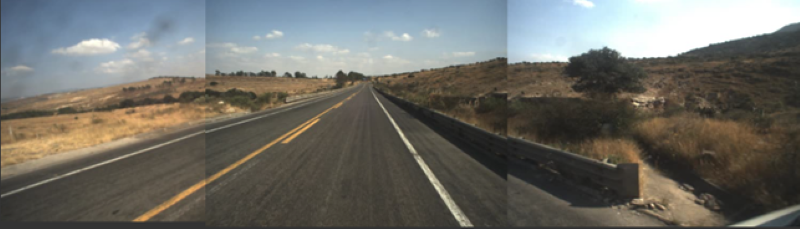
As part of a comprehensive strategy to strengthen safety and mobility across the State network, the technical assistance and capacity-building project aims to identify areas for improvement and prioritize road sections with the greatest safety challenges along this approximately 70 kilometre corridor.
In recent years, the corridor has seen numerous traffic crashes, underscoring the importance of implementing evidence-based actions to improve road conditions and reduce risks for road users.
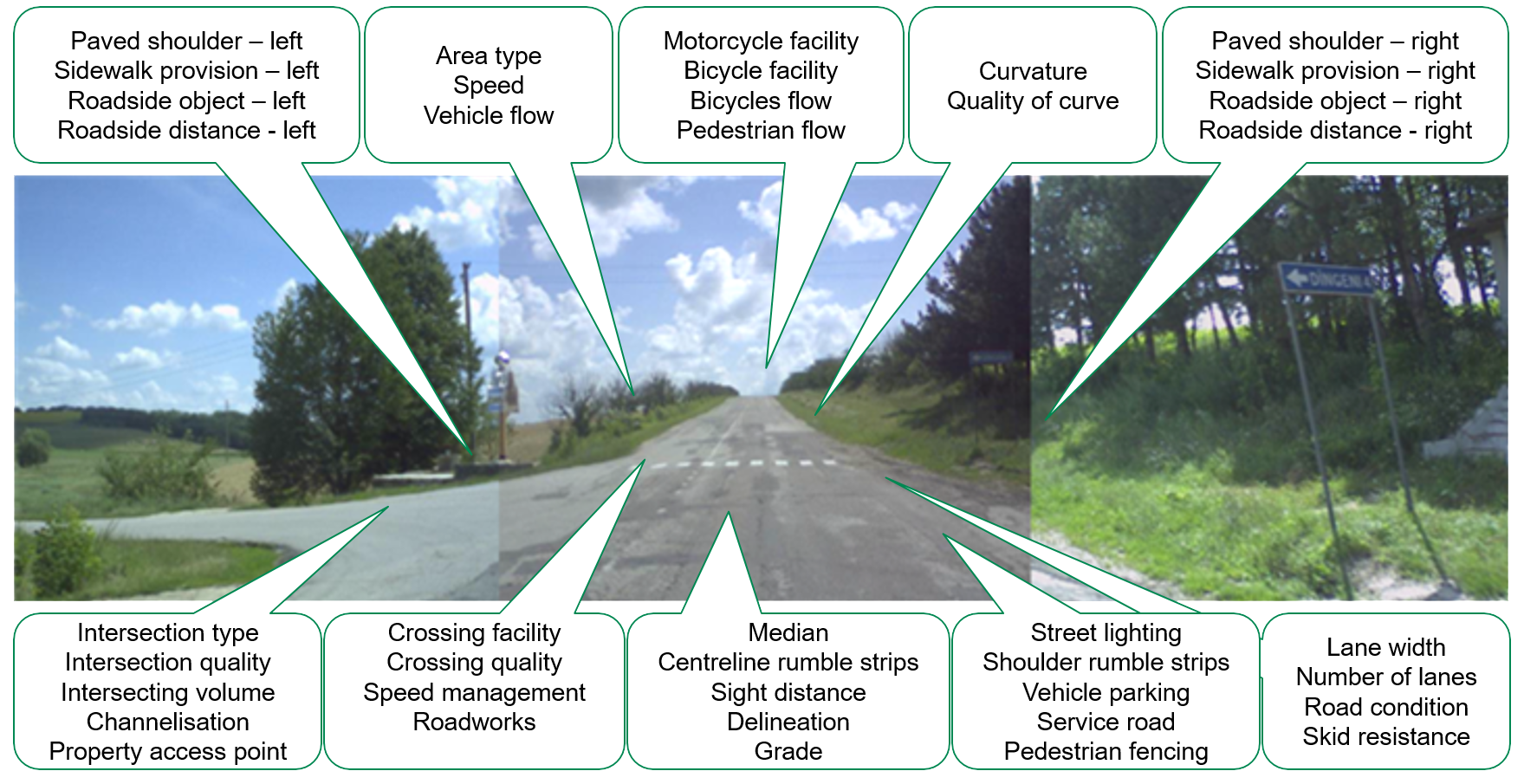
As part of the project, a comprehensive Star Rating assessment was conducted in accordance with the iRAP methodology, in which 1-star roads represent the highest risk and 5-star roads are the safest.
Kind findings include:
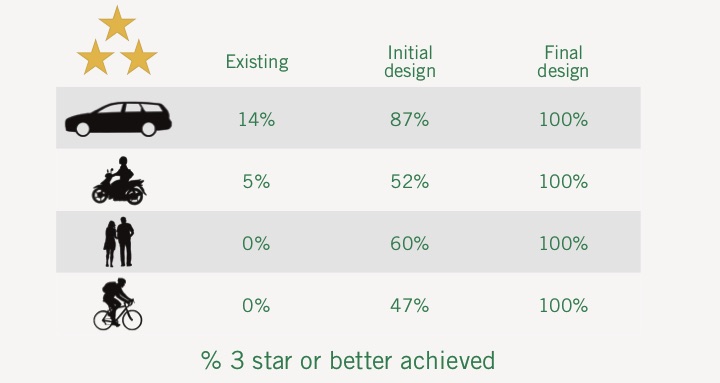
- Only 30 per cent of the route rates the international safety standard of 3-star or better for vehicle occupants.
- For motorcyclists, significant areas for improvement were identified to achieve at least a 3-star rating for this road user group.
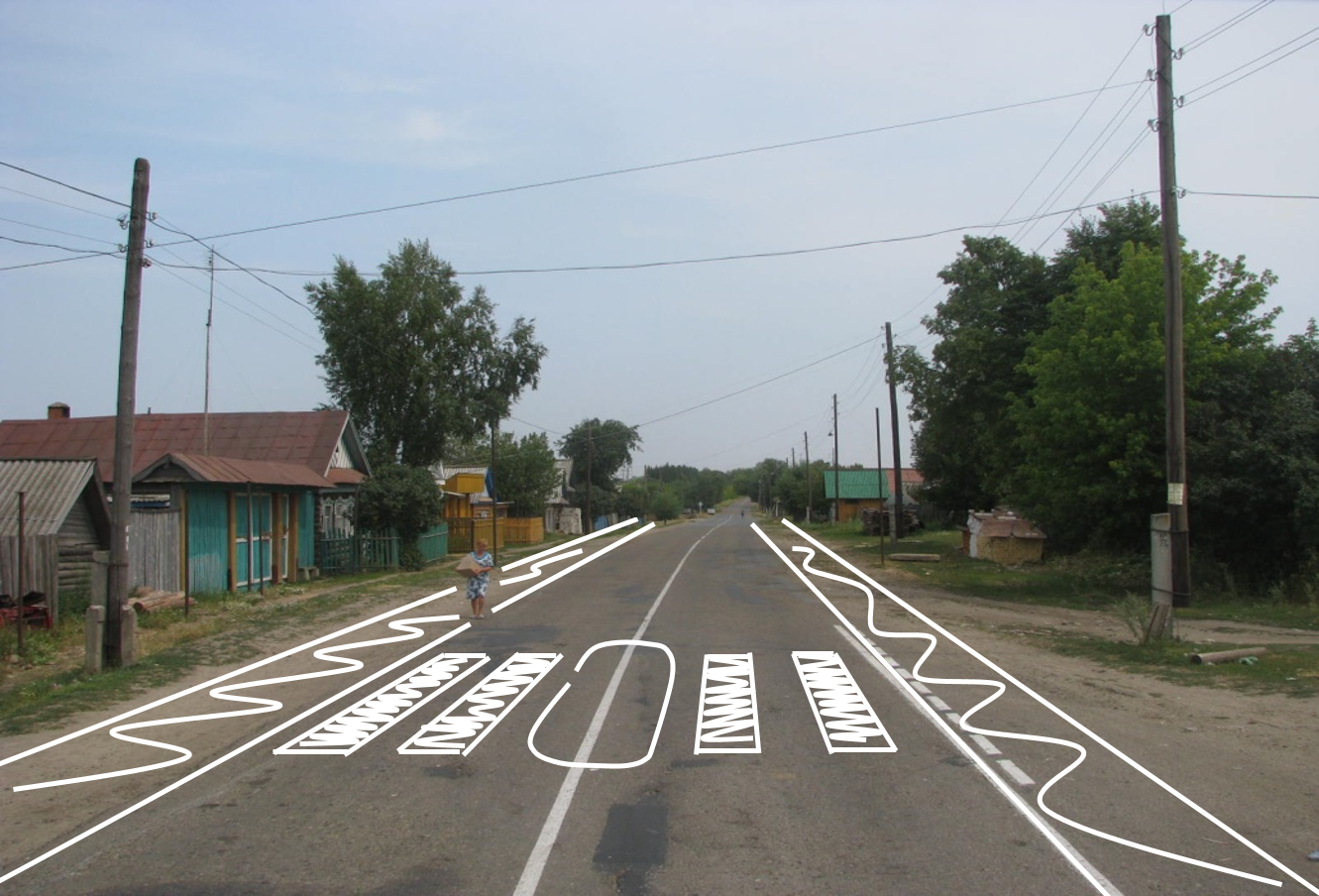
- · Although pedestrian crossings exist, a lack of adequate signage was identified at some.
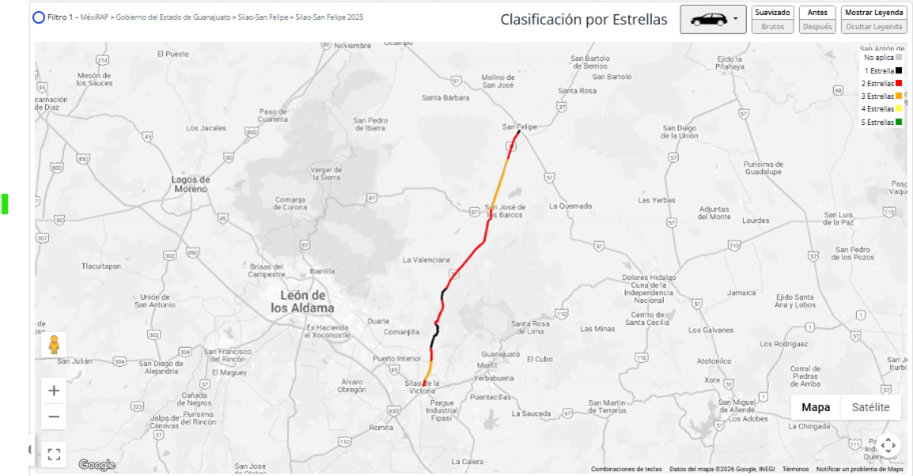
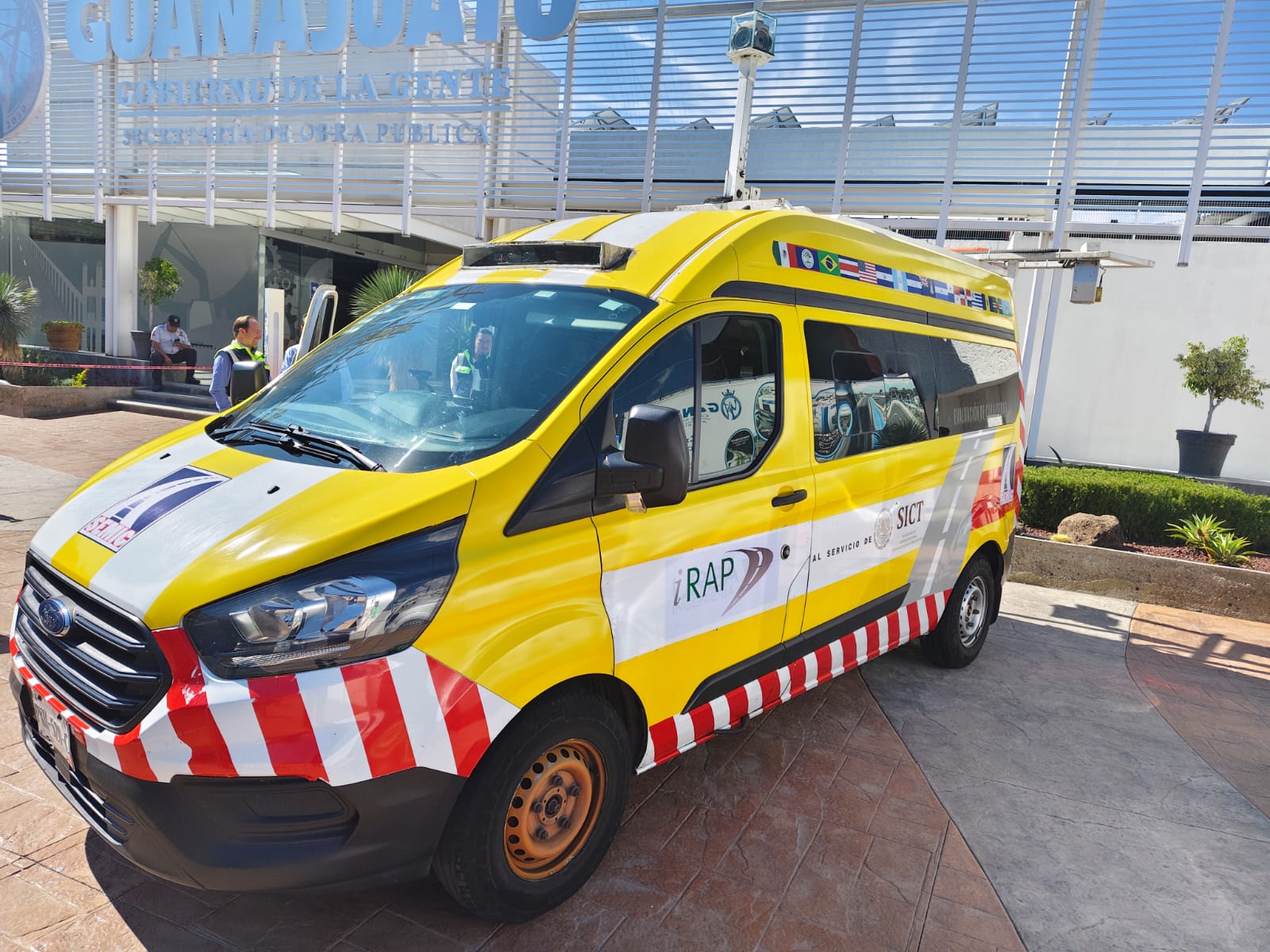
The Star Rating results for vehicle occupants and the SEMIC survey vehicle used to perform the assessments
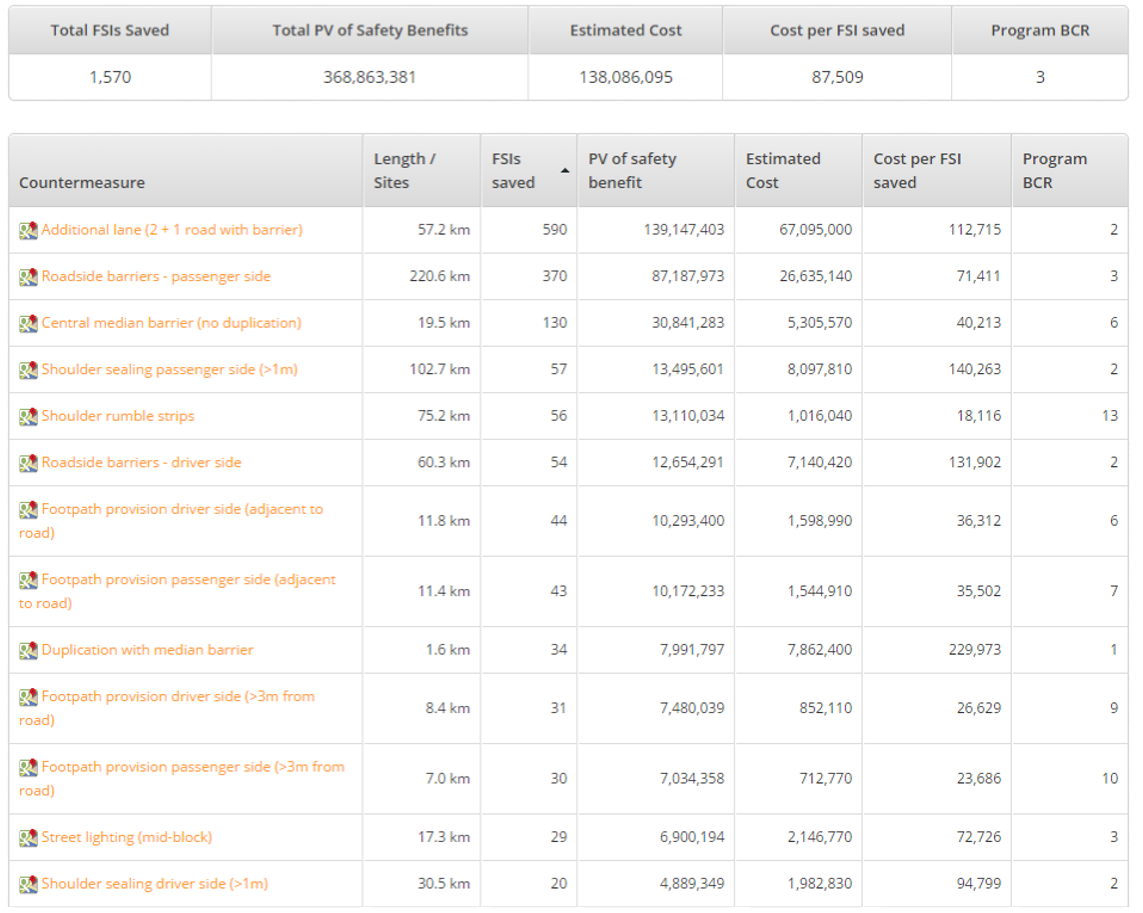
Based on the results, an evidence-based Safer Road Investment Plan (SRIP) was developed to optimise road safety for vehicle occupants, motorcyclists, pedestrians and cyclists, aligned to the 3-star or better safety standard.
Among the identified priority measures that are cost-effective in both the short and long term, the following were recommended for implementation:
- Road widening
- Upgrading undivided high-risk sections to dual carriageway
- Improvement of the road surface
- Installation of safety barriers
- Installation of rumble strips on road shoulders
- Construction of sidewalks and bike lanes at critical points
In addition, technical staff from the SOP received specialized training from iRAP, which will strengthen institutional capacity for the evaluation and continuous improvement of the state highway network.
The Secretary of Public Works, Eng. Juan Pablo Pérez Beltrán, highlighted the importance of the initiative and noted, “At the Secretariat, we are committed to road safety and assessing the roads under our jurisdiction, so that we can intervene efficiently and effectively to safeguard the safety of road users. We are very pleased to begin this partnership with iRAP, laying the groundwork for a public road safety policy that protects the lives of people traveling throughout our state.”
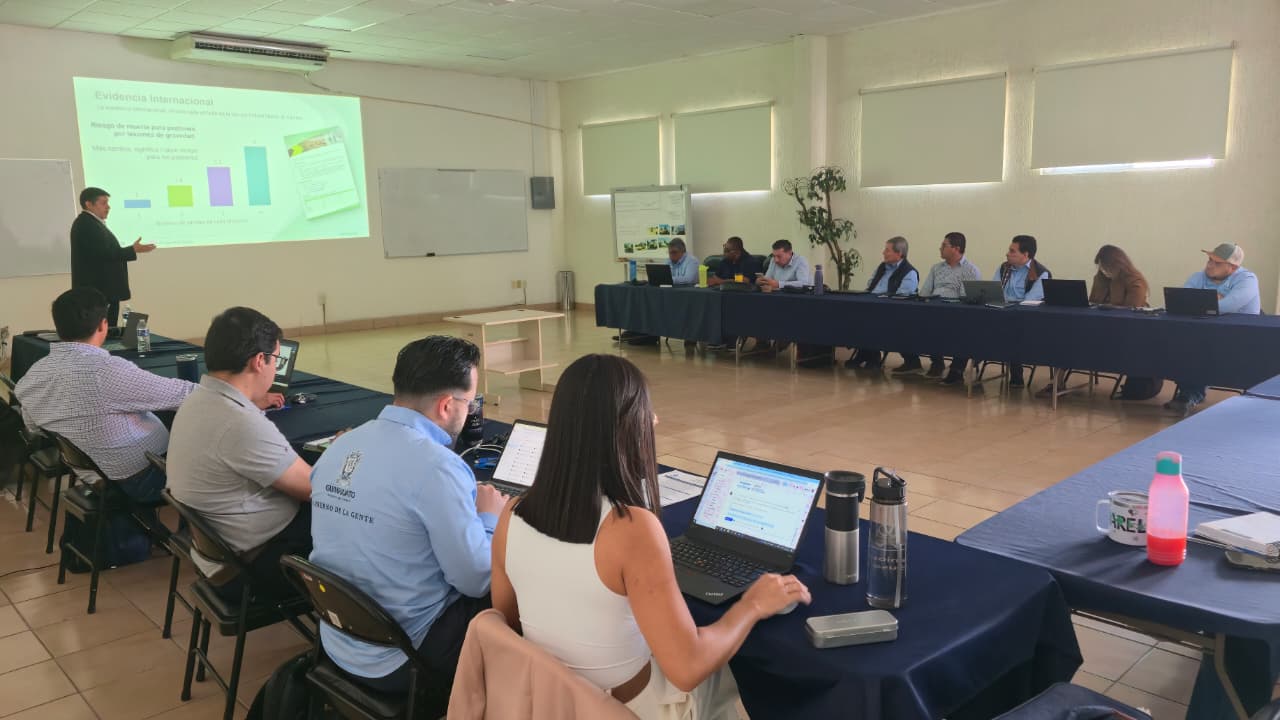
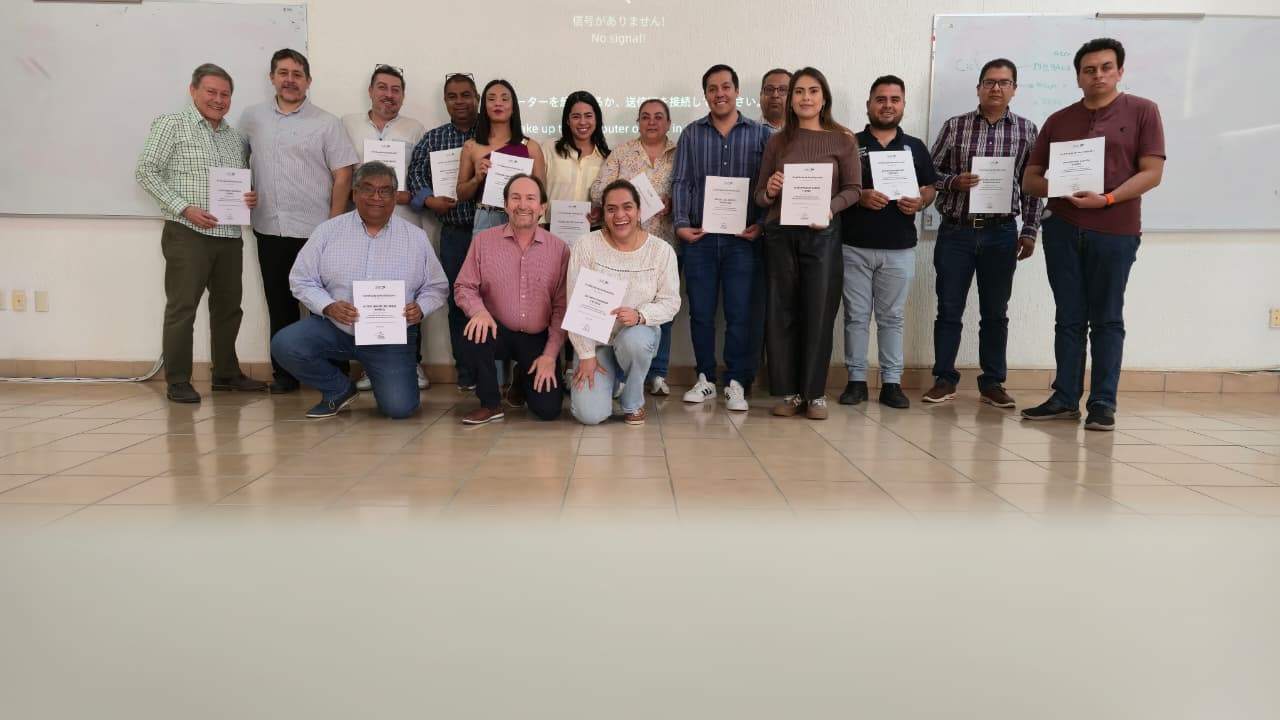
iRAP Senior Road Safety Engineer Agustin Centeno trains SOP staff in Guanajuato City
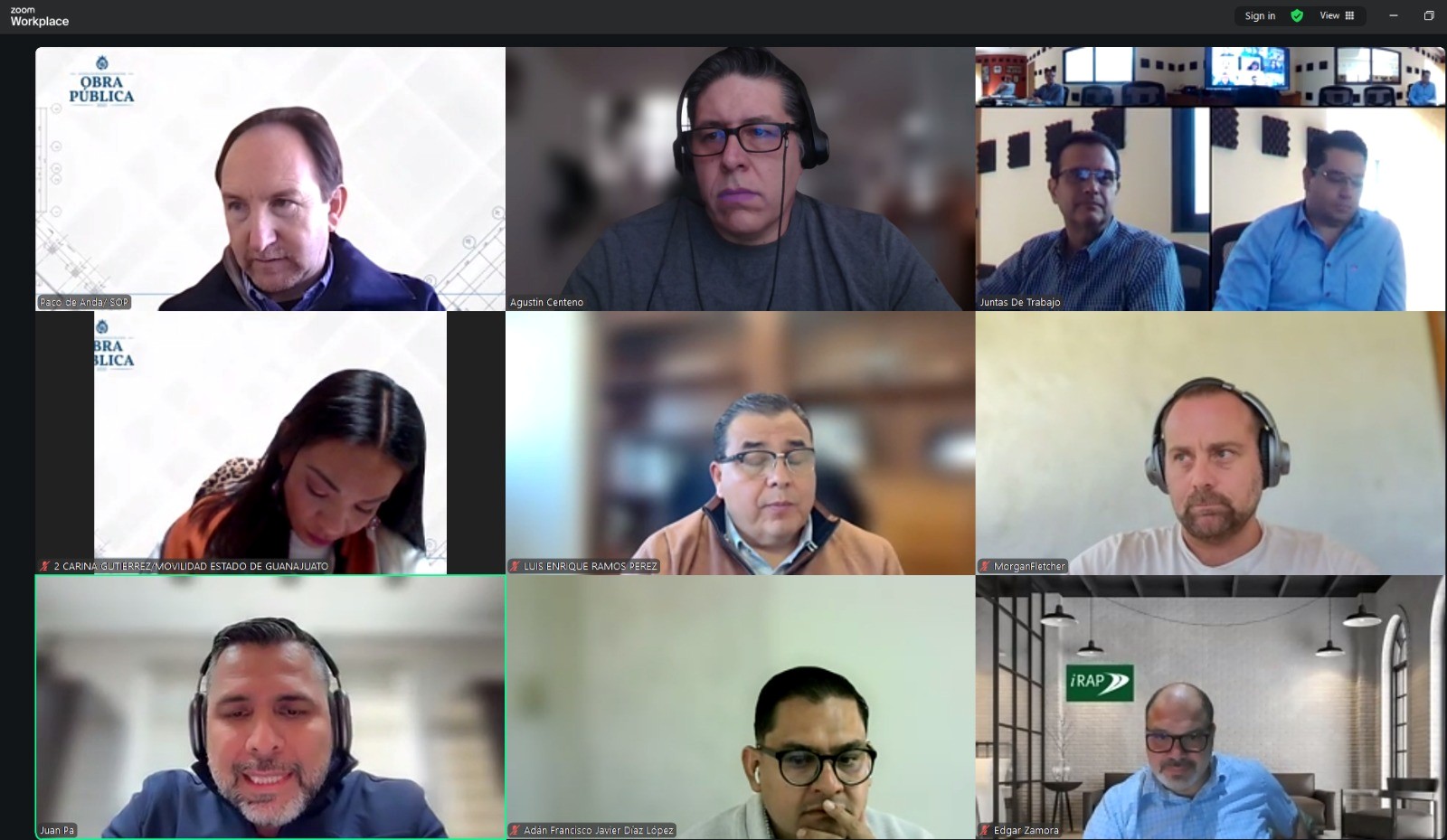
The iRAP, SEMIC and SOP project team discuss the assessment results and next steps
This project represents the first collaboration between iRAP and a state government in Mexico, and contributes to Guanajuato’s vision of continuing to promote safer, more sustainable, and more inclusive mobility, aligned with UN Targets 3 and 4 for infrastructure safety. These targets include ensuring that all new roads are built to a 3-star standard or higher for all users and ensuring that more than 75% of travel is made on roads equivalent to 3 stars or higher for all road users by 2030.
MexiRAP, Mexico’s National Road Assessment Programme, was launched in 2024 and is led by the Ministry of Infrastructure, Communications, and Transportation (SICT), strengthening national road safety efforts.

 English
  Português do Brasil
  Français
  Tiếng Việt
  Русский
  Español de Colombia
  Nederlands