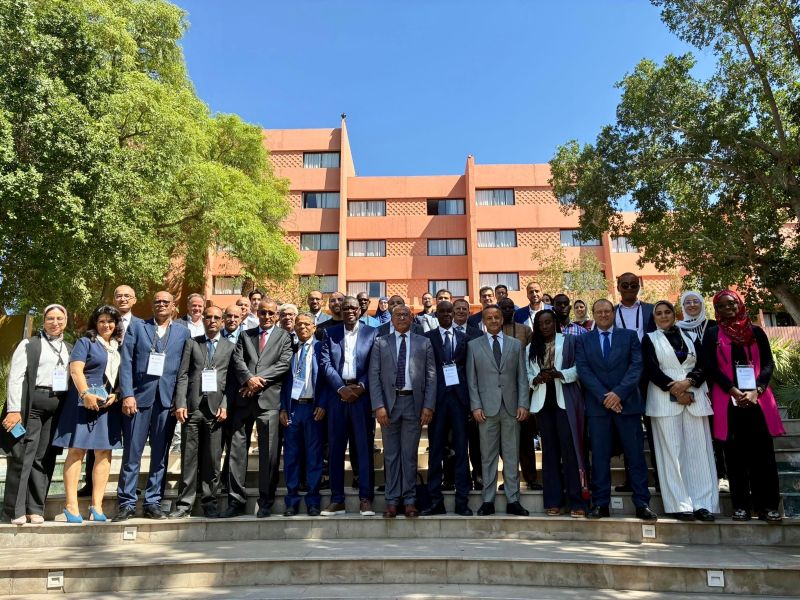
We were pleased to join government officials, development partners and road safety experts from across North and West Africa this week in Marrakech for a two-day stakeholder consultation workshop on the Safe and Inclusive Road Design in North and West Africa Project. It aims to improve road safety in Morocco, Mauritania and Senegal by updating outdated design standards to better protect vulnerable road users like pedestrians, cyclists and the elderly.
Organised by the International Road Federation (IRF) and the United Nations Economic and Social Commission for Western Asia (UNESCWA) with support from the UN Road Safety Fund (UNRSF), the workshop marks a key milestone in the co-development of safer, more inclusive national road design standards in the three countries.
Mauritania’s Perspective: Integrating Safety and Policy Reform
Malick Fall, Director of Transport Prevention and Safety at Mauritania’s Ministry of Equipment and Transport (MET), highlighted how the project supports the country’s efforts to align road safety policies with global best practices.
He emphasised that Mauritania, with over 6,000 km of roads and more than 2,000 km under development, aims to systematically integrate safety into every design phase.
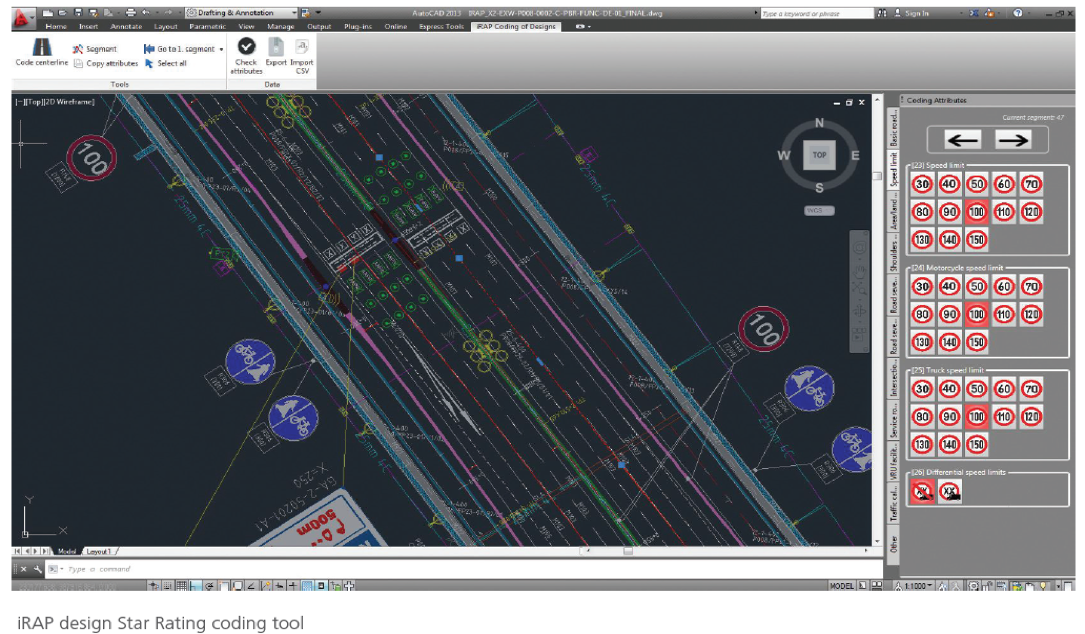
The MET’s role includes coordinating national consultations, facilitating data access, and strengthening institutional capacity through initiatives such as iRAP’s Training and Accreditation Programme, and local safety audits.
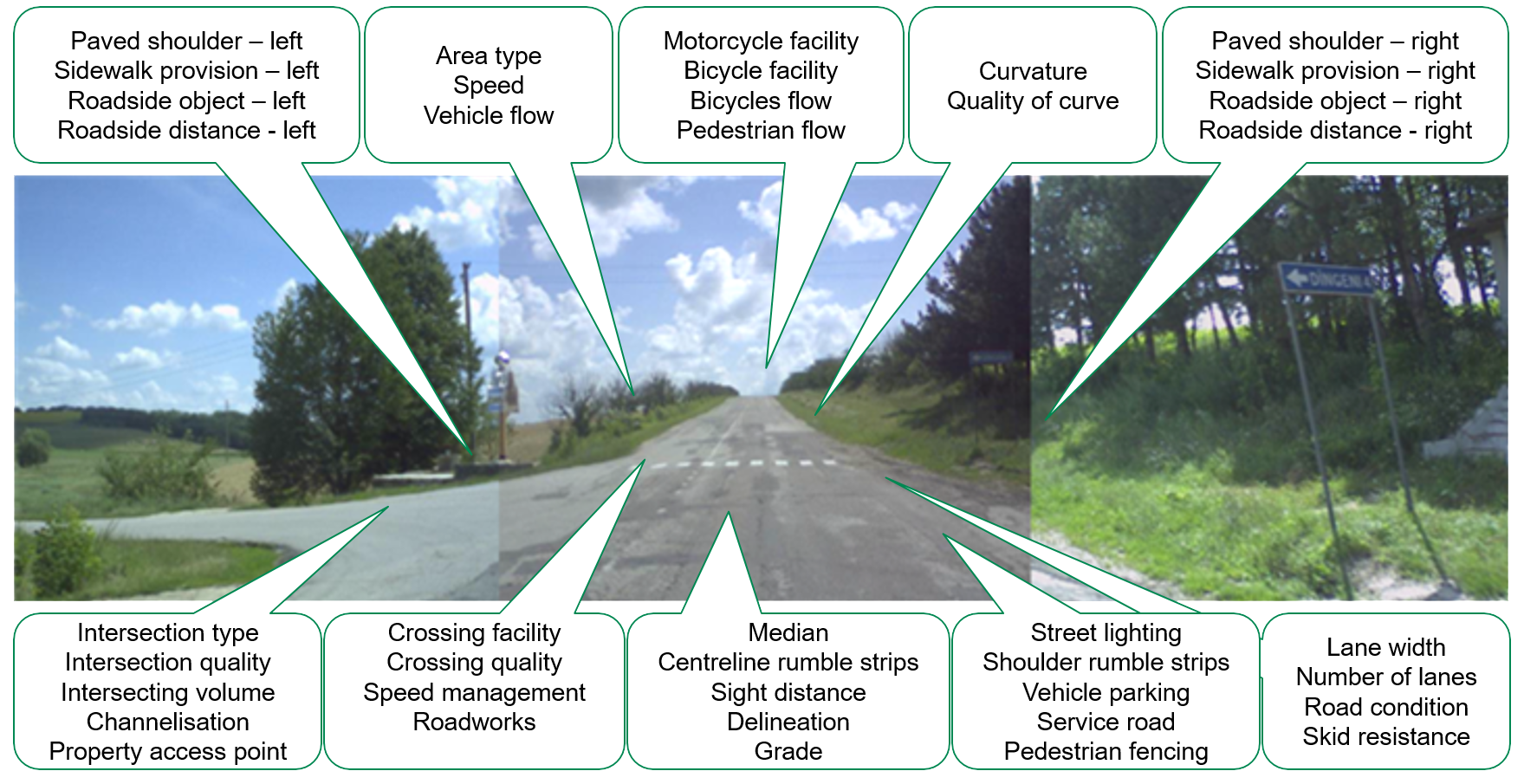
“We are committed to revising our road design standards to reflect international norms. This means incorporating features such as safer road shoulders, pedestrian and cyclist facilities, and design-based speed management to reduce crashes and protect all users,” Mr Fall said.
Financing Safety
Derran Williams, Senior Health and Safety Adviser at the European Bank for Reconstruction and Development (EBRD), presented a development finance perspective on embedding road safety within infrastructure investments.
He outlined the EBRD’s safety requirements for funded projects and the importance of aligning all multilateral development banks’ environmental and social frameworks with robust road safety standards.
Mr Williams shared a case study on a 200-km dual carriageway project jointly implemented by EBRD and the Asian Development Bank (ADB), where a road safety audit revealed critical concerns. These included inadequate crossings, reduced local connectivity, and hazards involving at-grade rail intersections and the presence of livestock on the road.


Engineering Safer Highways
Hind Meziane from Autoroutes du Maroc, provided a technical deep dive into Morocco’s updated geometric design standards for safe motorway projects.
Drawing from the Instructions sur les Conditions Techniques d’Aménagement des Autoroutes de Liaison (ICTAAL) framework, Ms Meziane explained how design parameters like visibility, curvature, gradient, drainage and interchange spacing directly impact road safety and user comfort.
She emphasised that safe road design requires anticipating driver behaviour, optimising visibility and preventing sudden changes in alignment that can surprise drivers. Her presentation highlighted Morocco’s focus on design coherence, which avoids long straight alignments, ensuring proper sight distance, managing slopes to control speed, and planning interchanges in strategic and safe locations.

The second day of the workshop included an immersive overview of safe and resilient design standards applied to large-scale road projects.


Ten Steps to Safer Roads in Senegal
iRAP’s Global Safer Journeys Specialist Samar Abouraad shared the success of the Ten Step Senegal Project which aims to improve road infrastructure safety in the country by strengthening capacity through training, enhanced road design standards, synergies with ongoing internationally funded road projects, the provision of key performance indicators and recommendations, and by supporting implementation of the National Road Safety Plan.
The three-year project funded by the UNRSF, is a collaborative initiative involving the Government of Senegal through the Ministry of Infrastructure, Land, and Air Transport (MITTA) and National Road Safety Agency (ANASER), alongside a consortium led by iRAP and including the IRF, PIARC (World Road Association) and LASER International, with support from the Private Infrastructure Development Group (PIDG) and FIA Foundation. After a successful deployment in Tanzania,
Senegal is only the second country in the world to implement the UN Road Safety Collaboration’s Ten Step Plan for Safer Road Infrastructure.

A Shared Vision for Safer, More Inclusive Roads
Participants followed this with a visit to an active worksite, allowing them to explore best practices in highway construction and safe road management.
Participants reiterated the need to institutionalise safer road design, build local technical capacity, and scale pilot projects that demonstrate measurable safety benefits.
“This process is not just about technical guidelines, it’s about building a culture of safety where infrastructure serves people and ensures every journey is a safe one,” said Adel Alghaberi, First Economic Affairs Officer and UNESCWA.

Article and images credit: IRF and Awa Sarr

 English
  Português do Brasil
  Français
  Tiếng Việt
  Русский
  Español de Colombia
  Nederlands