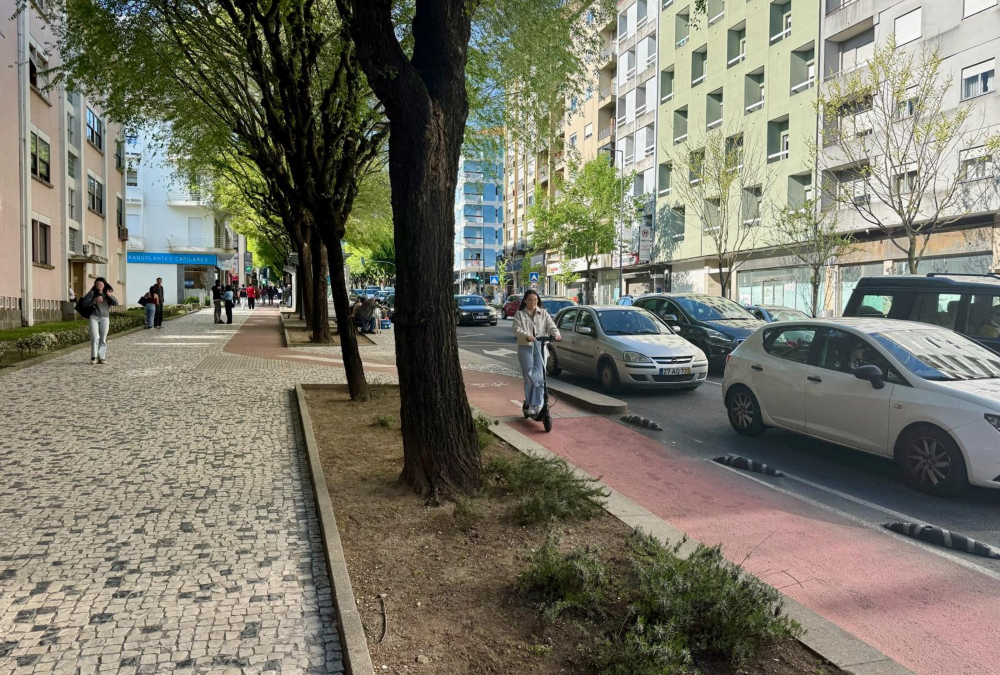
As one of Portugal’s fastest-growing urban hubs, Braga is facing a modern challenge: how to adapt a historic street network to meet the demands of rapid urban expansion without compromising its heritage and vibrancy.
Earlier this month, Lane Patrol completed a comprehensive field audit in the city as part of a project supported by Automóvel Club de Portugal (ACP) under the FIA – Fédération Internationale de l’Automobile’s Safe and Sustainable Mobility Grants Programme, funded by the FIA Foundation. The findings were presented to the Município de Braga, highlighting a forward-looking strategy to enhance the functionality of the historic centre while ensuring it remains accessible and lively for all users.
At the core of the proposal is a shift away from “forced mixing” of transport modes toward what Lane Patrol calls “spatial harmony”. This approach emphasizes allocating dedicated domains to different transport users including pedestrians, cyclists, and motor vehicles so they no longer compete for limited street space. The goal is to reduce conflict, improve safety, and create a more intuitive urban environment.
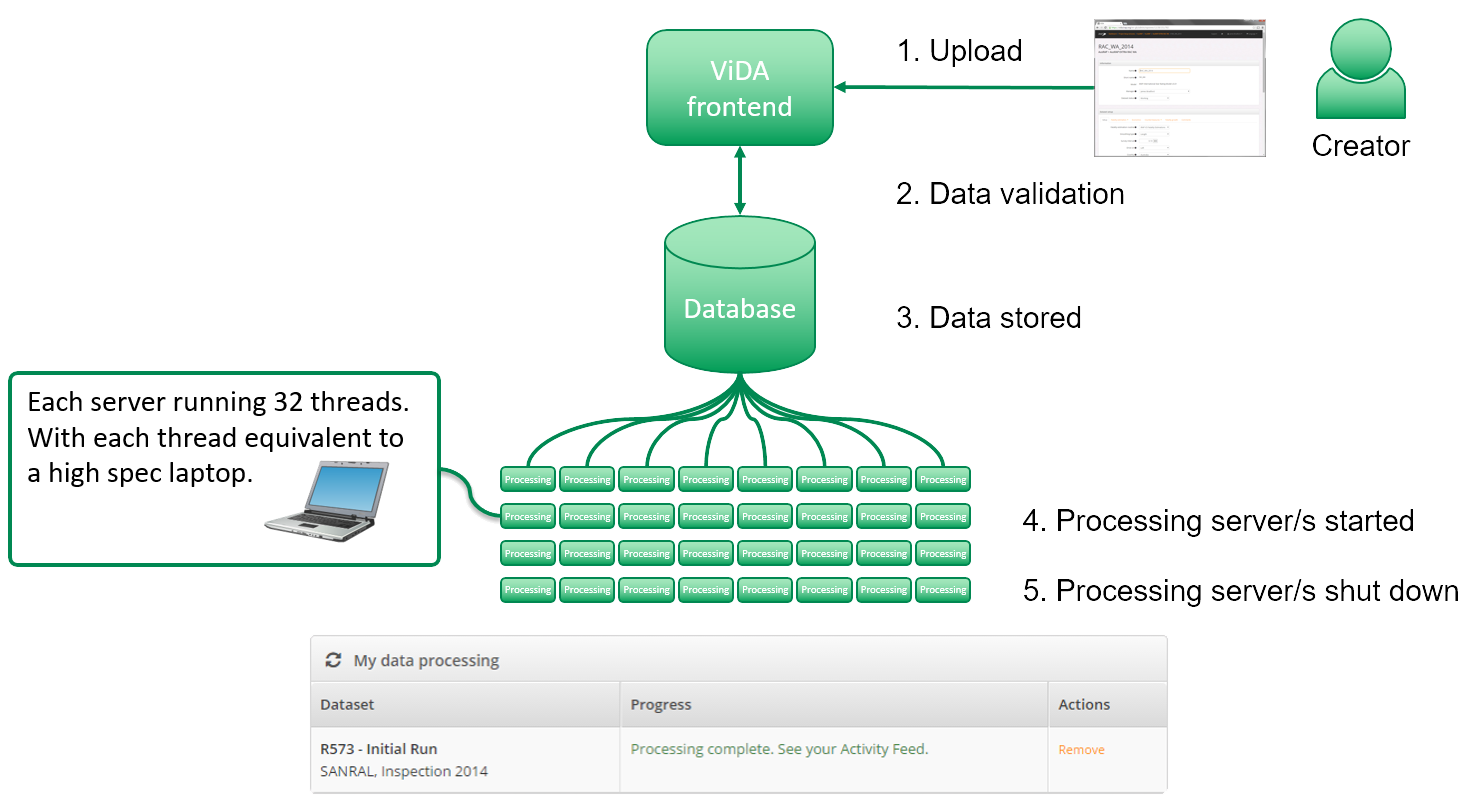
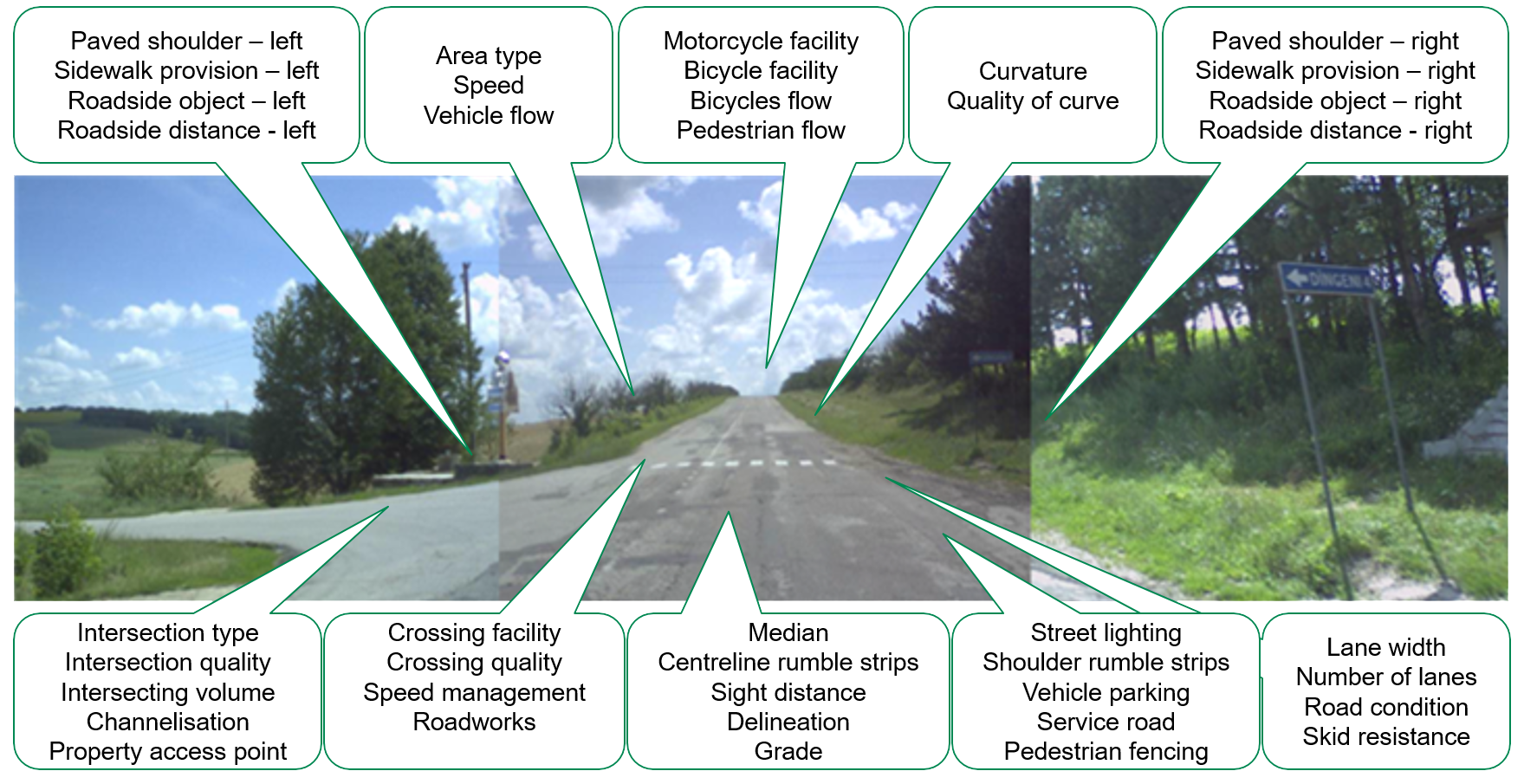
The project combines multiple analytical tools, including CycleRAP and DQ Flows simulations, to ground recommendations in real-world data. Together, these tools help identify where demand for walking and cycling already exists, where it could grow, and where interventions would have the greatest impact.
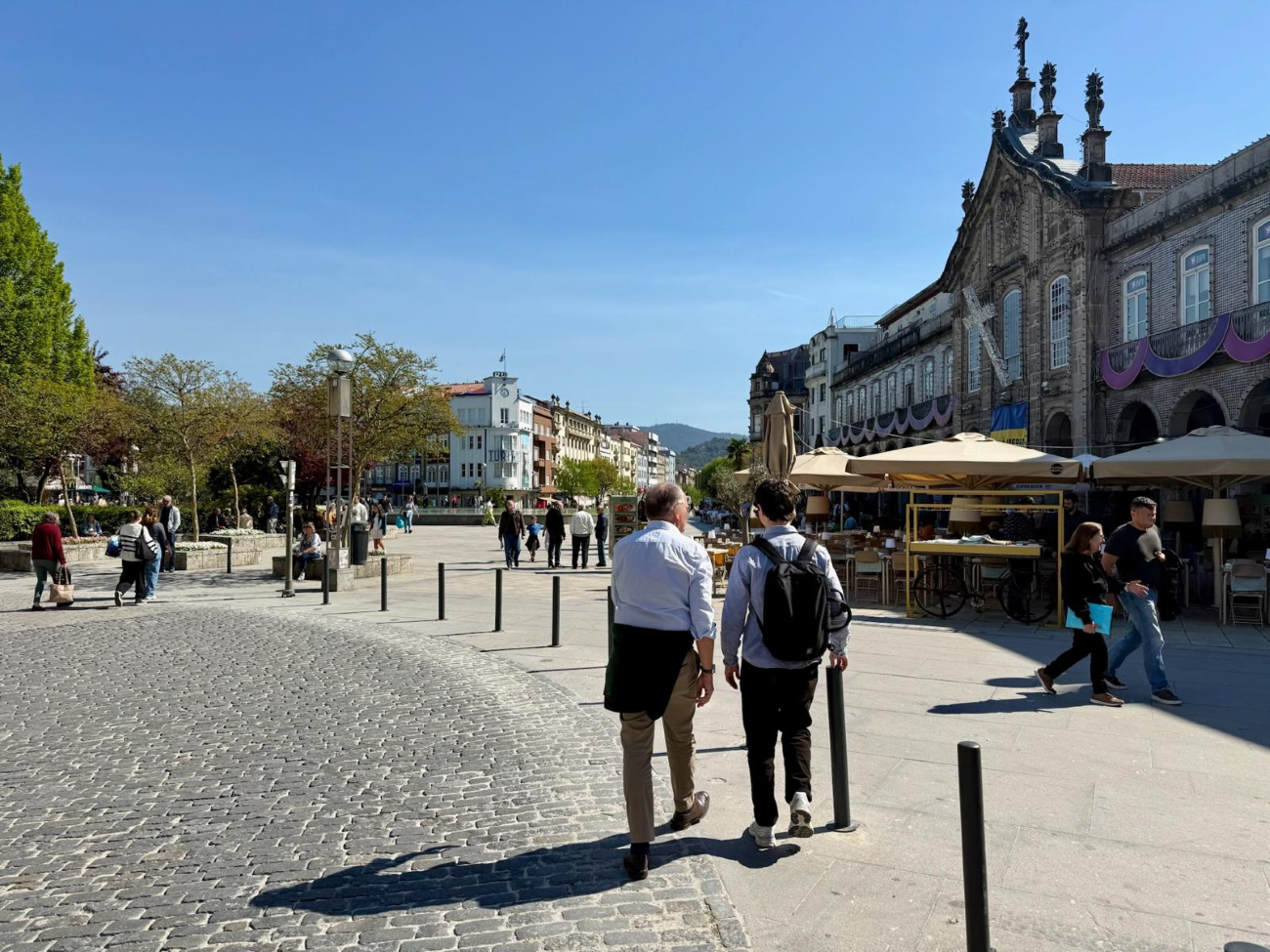
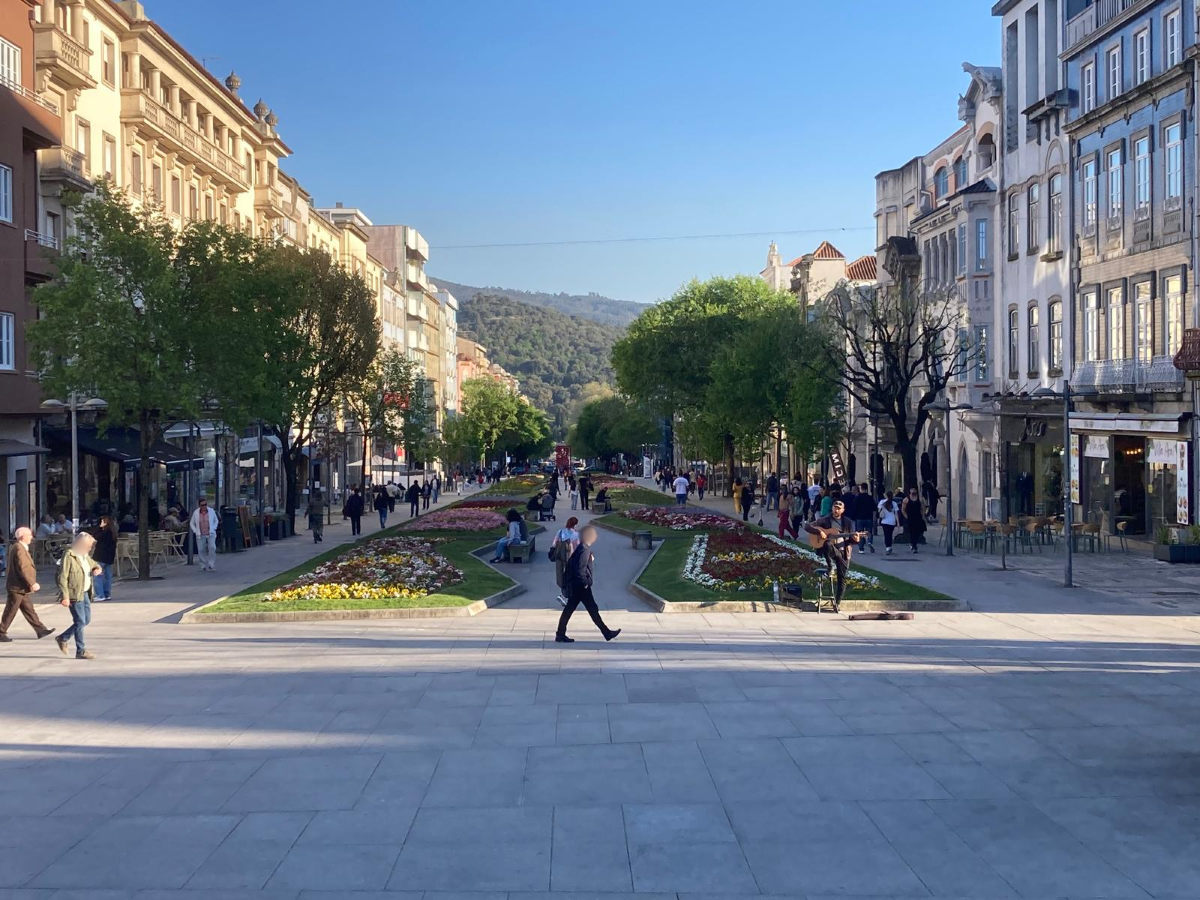
For Braga, the vision extends beyond simply adding cycling lanes. It proposes a coherent, high-quality bike network that respects the city’s cultural identity while improving connectivity. Key priorities include protecting pedestrian-heavy areas such as Rua do Souto and Avenida Central, ensuring residents can move efficiently across the city, and maintaining the historic centre as a vibrant hub for commerce and social life.
By integrating design methodology with data-driven insights, the project offers a practical toolkit for cities facing similar constraints: limited space, growing mobility demands, and the need to prioritize safer, more sustainable transport options. It also provides a structured way to navigate trade-offs, helping policymakers make informed decisions that balance accessibility, safety, and urban quality.
The collaboration between Lane Patrol, ACP and local stakeholders in Braga underscores the value of open dialogue and evidence-based planning. As cities worldwide grapple with the pressures of urban growth, Braga’s approach may serve as a model for transforming ambition into actionable, sustainable street design.
For more information about Lane Patrol, please get in touch with the team here.
To learn how DQ Flows supports CycleRAP assessments, visit here.
Image Credits: Lane Patrol

 English
  Português do Brasil
  Français
  Tiếng Việt
  Русский
  Español de Colombia
  Nederlands