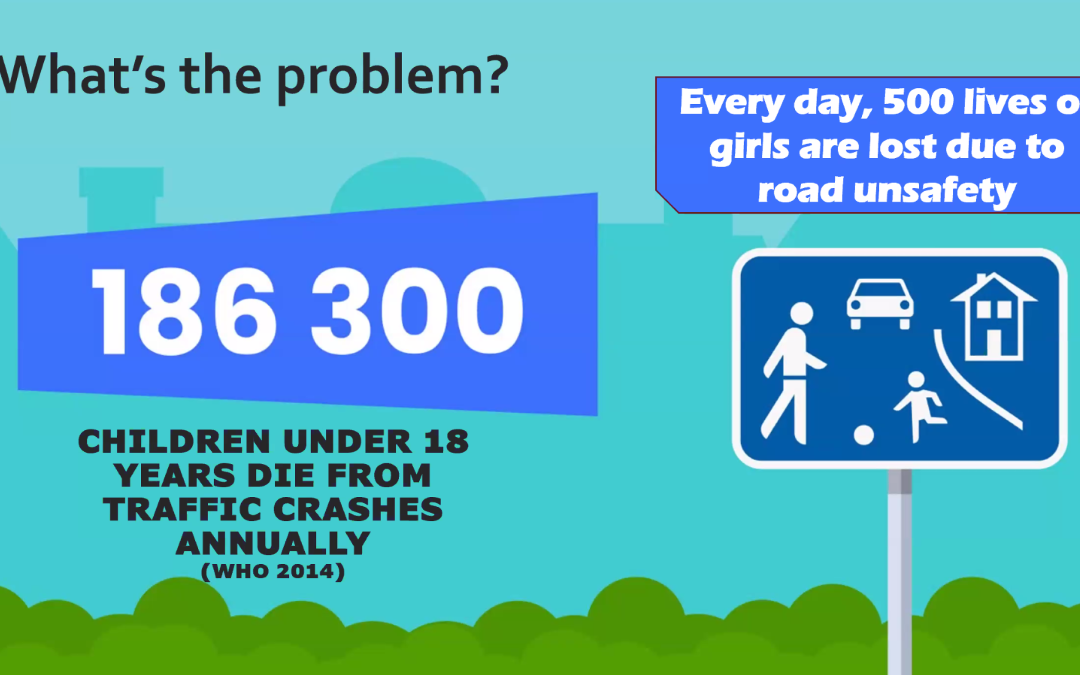
Across Africa, road traffic injuries remain one of the leading causes of death and serious injury among children, particularly during daily journeys to and from school. Creating safe school zones is therefore not only a transport priority, but a critical investment in education, equity, and the future of the continent.
This urgency was at the heart of the Association of African Road Safety Lead Agencies (AARSLA) and the Africa Transport Policy Program (SSATP) Webinar on Safer School Zones, held on 17 April 2026, in observance of World Public Transport Day. Convened by AARSLA with the support of the SSATP, the webinar brought together policymakers, road safety practitioners, development partners, and regional organizations to share evidence, policy experiences, and scalable solutions for safer journeys to school across Africa.
From Risk to Results: Designing Safe School Zones
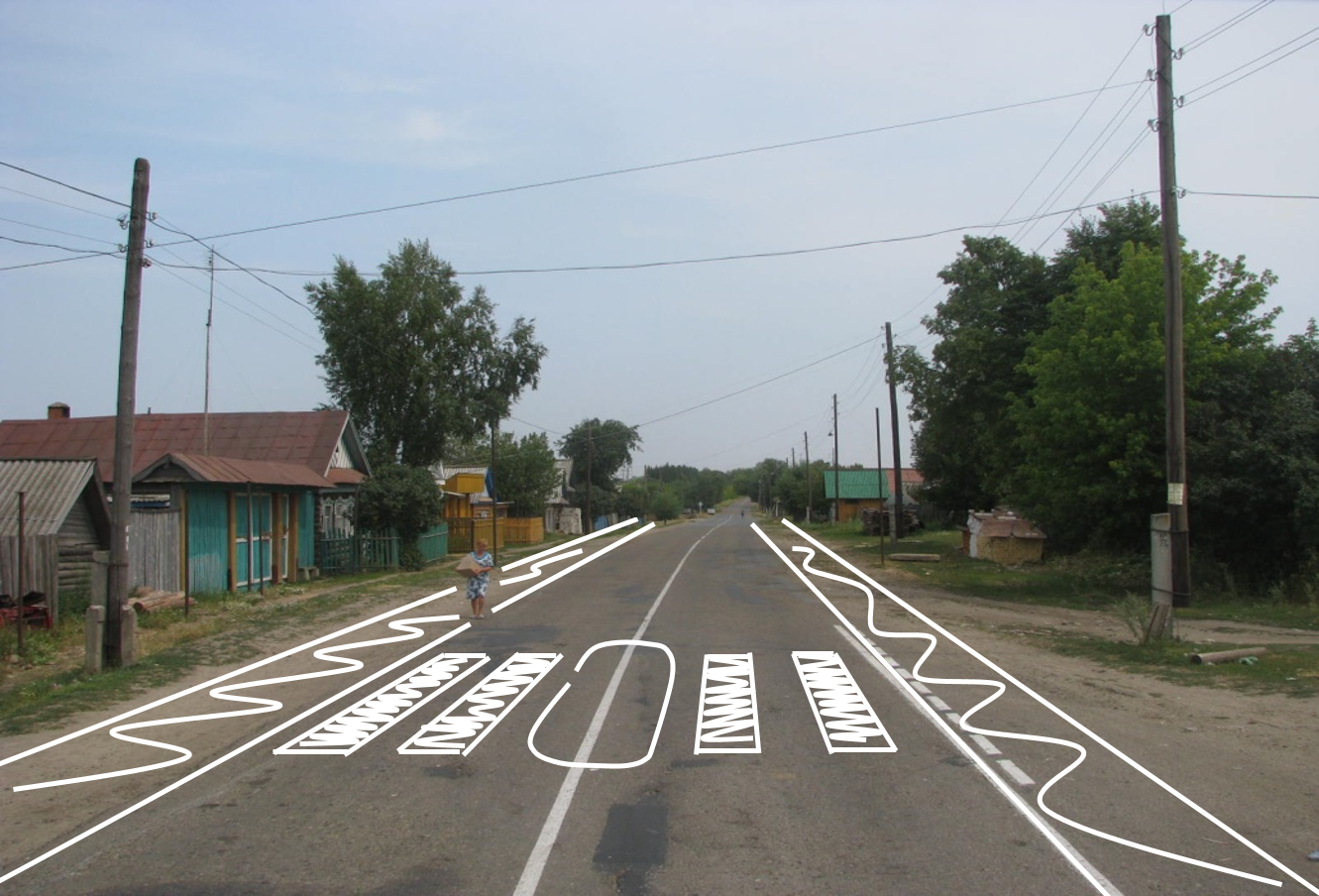
The webinar agenda highlighted the importance of addressing the full school travel environment—speed, infrastructure, vehicle mix, and human behavior. Nathalie Chiavassa, iRAP Lead Consultant for Safer Journeys in Africa, delivered a presentation on designing safe school zones, highlighting practical, evidence-based measures such as traffic calming, pedestrian crossings, sidewalks, signage, and speed management to reduce child road trauma.
Visit the Star Rating for Schools website here
Policy Leadership and Financing Solutions
The webinar also underscored the need to embed safe school zones within national policy and regulatory frameworks, showcasing Uganda’s 2025 National Guide for the Establishment of Safe School Zones as an example of institutional leadership and cross‑sector coordination. Such frameworks provide the foundation for scaling interventions beyond pilots and ensure that school safety is systematically considered within transport planning and urban development.
Financing and partnerships were another central theme, with contributions from the World Bank Global Road Safety Facility highlighting how innovative funding models and blended finance can unlock sustainable investment in school infrastructure, particularly in low‑ and middle‑income contexts.
Regional Collaboration: iRAP–WARSO Cooperation
A significant step forward for West Africa is the Memorandum of Understanding (MoU) between iRAP and the West African Road Safety Organization (WARSO) signed in 2025 and celebrated at the Road Safety Conference in Marrakesh. This cooperation framework aims to strengthen regional capacity in road safety assessment, data‑driven prioritisation, and the deployment of tools such as SR4S across member countries.
Through this partnership, iRAP and WARSO will work together to:
- Support safer school zone assessments using harmonised methodologies
- Build local technical capacity for road safety planning and implementation
- Promote regional learning and consistency in school safety standards
This collaboration aligns directly with the objectives of AARSLA and SSATP, reinforcing the importance of regional leadership and peer exchange in achieving lasting road safety improvements.
A Call to Action
The webinar concluded with a clear call to action: protecting Africa’s children on the roads requires coordinated policy, evidence-based tools, sustainable financing, and strong regional partnerships. Safe school zones are not standalone projects – they are a cornerstone of safer, more inclusive mobility systems.
By combining SR4S, strengthened institutional frameworks, and partnerships such as iRAP–WARSO, Africa has the opportunity to accelerate progress toward safer journeys to school and ensure that every child can travel safely, every day.

 English
  Português do Brasil
  Français
  Tiếng Việt
  Русский
  Español de Colombia
  Nederlands