Calling all road safety champions!
A major update of iRAP’s Star Rating methodology is on the way.
Following a comprehensive five-year review overseen by iRAP’s Global Technical Committee, version 3.10 will launch in May 2026 and be accessible via iRAP’s online platform, ViDA.
This update incorporates the latest global crash risk evidence to directly support the UN Decade of Action, offering a more rigorous framework to protect vulnerable road users worldwide.
This session explores the key methodological enhancements that strengthen the precision, consistency and real-world applicability of version 3.10.
Here’s what you’ll get:
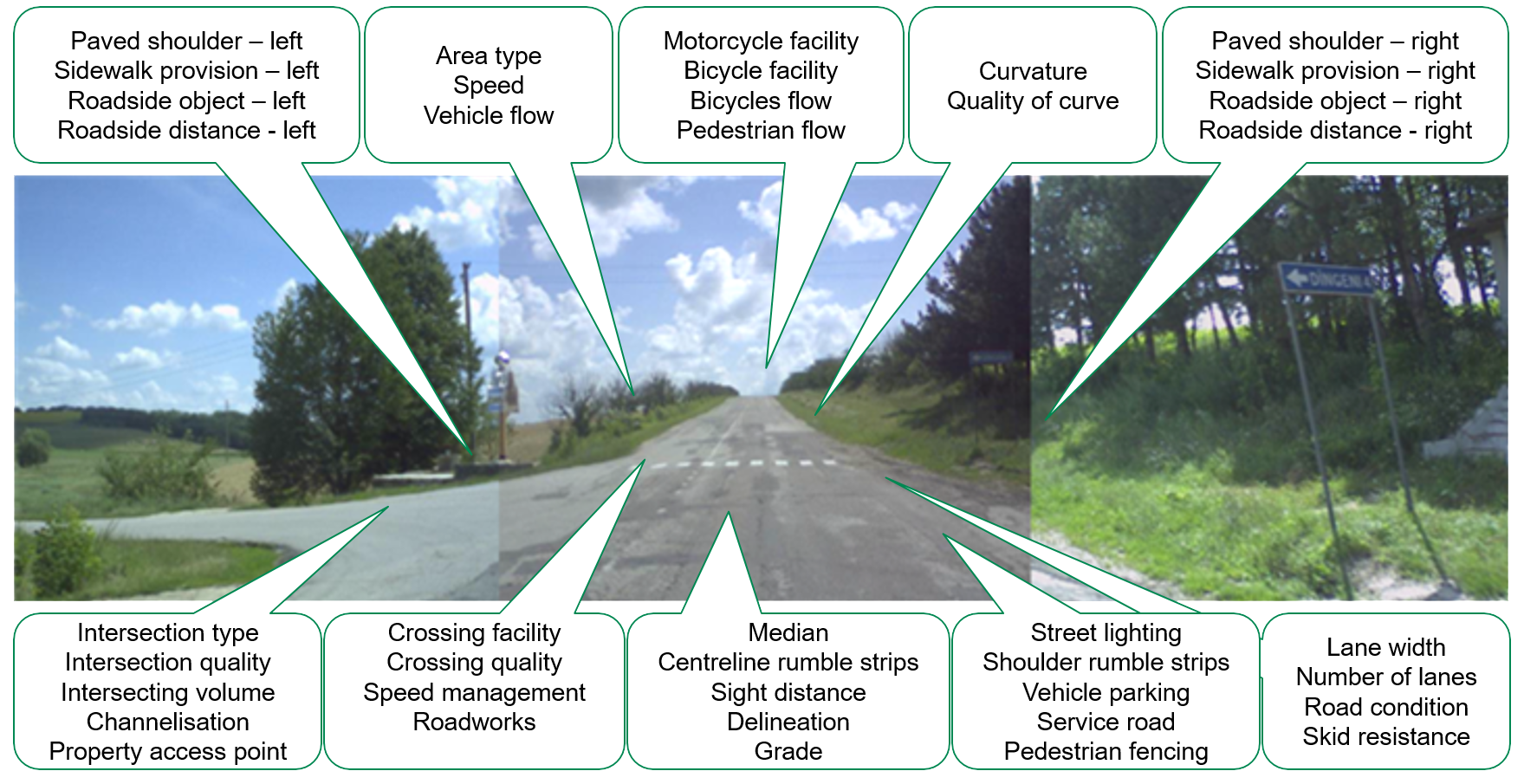
- 🆕 Major VRU model enhancements: Explore significant updates to pedestrian and bicyclist models, including the new Bicyclist Crossing crash type and refined coding categories.
- 📊 More granular risk sensitivity: Understand how 1km/h (and 1 mph) speed increments and 1,000 vehicle-per-lane increments improve model precision and risk differentiation.
- 0️⃣ Introduction of Zero Star ratings: Learn how the new Zero Star band identifies and prioritise extremely high risk road sections and better supports prioritisation and investment decisions.
- ✨ Decimal Star Ratings: Measure and communicate gradual improvements more clearly, with decimal Star Ratings that capture the impact of targeted safety upgrades.
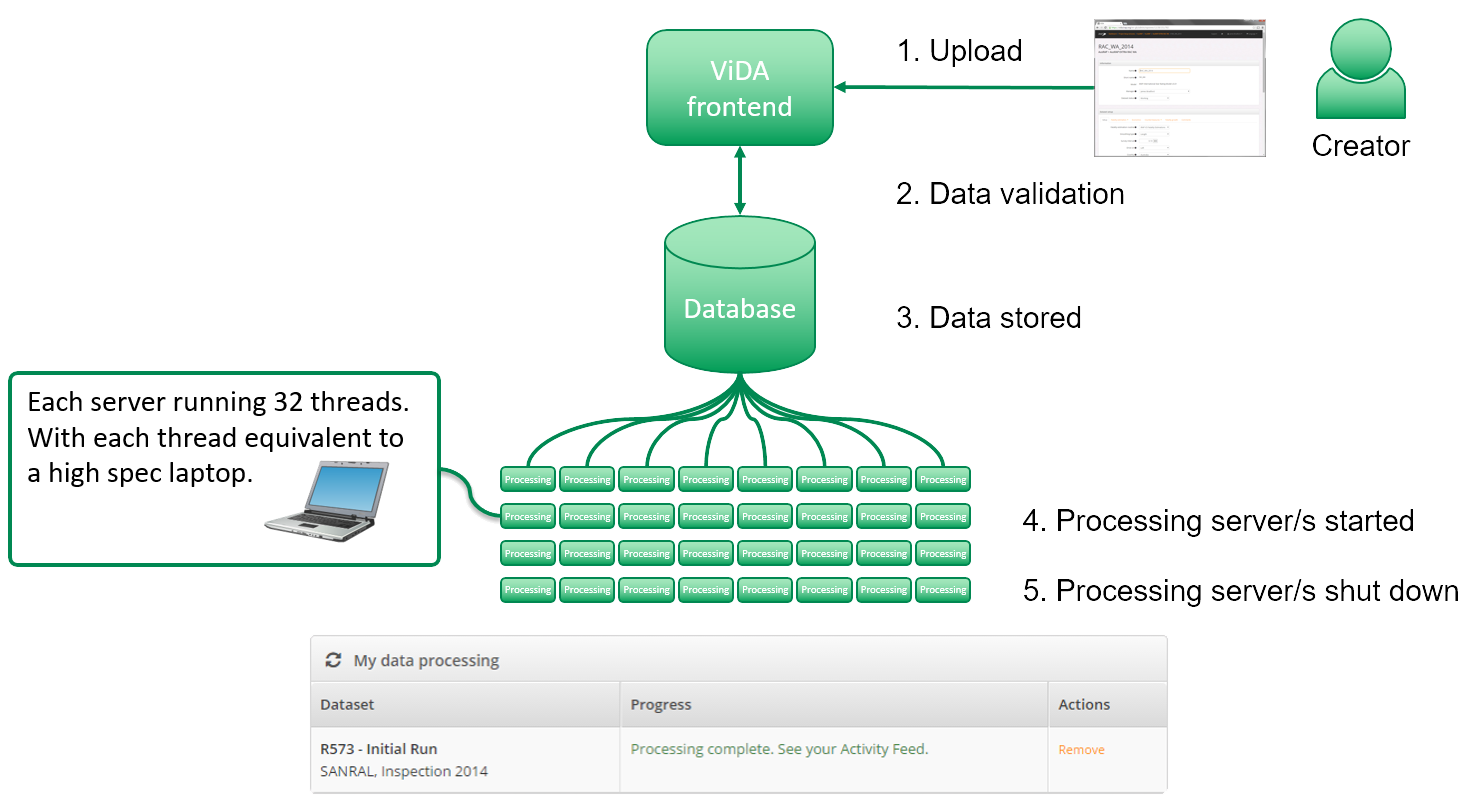
- ⚙️ Operating speed functionality in ViDA: See how Star Ratings can now be generated using operating speeds, expanding flexibility where posted speed data is unavailable.
- 🔄 Guidance on transitioning from v3.02: Understand why results may change and how to prepare for a smooth transition.
Who should attend?
This session is essential for road authorities, engineers, iRAP partners, and anyone using iRAP’s methodology and models to analyse road safety. Whether you are managing ongoing projects or planning future investments, this webinar will ensure you are fully prepared for the transition.
Details:
| What region? | What language? | Date | Time | Speakers | Zoom Registration link |
| North America, Europe, Africa, Middle East | English | Wednesday 18 March |
1400 UTC 0800 CST (Mexico) 0900 CDT (US Central) 1500 CET / WAT 1700 EAT / AST |
Monica Olyslagers, Global Innovation Manager and Cities Specialist – iRAP | Register here |
| Asia, Australia-Pacific | English | Thursday 19 March |
0300 UTC 0830 IST 1100 SGT / MYT / China Standard Time / PHT / AWST 1400 AEDT 1600 NZDT |
Greg Smith, CEO – iRAP | Register here |
| West/Central Africa + Europe | French | Monday 6 April |
1100 UTC 1300 CEST (Paris) 1200 WAT |
Nathalie Chiavassa, Safer Journeys Lead (Africa) – iRAP | Register here |
| LATAM + Spain | Spanish | Monday 6 April |
1500 UTC 0900 CST (Mexico) 1000 COT 1700 CEST (Spain) |
Morgan Fletcher, LAC Operations Team Lead – iRAP | Register here |
| Brazil + Portugal | Portuguese | Tuesday 7 April |
1300 UTC 1000 BRT 1400 WEST (Portugal) / WAT (Angola) |
Morgan Fletcher, LAC Operations Team Lead – iRAP and Gabriel Oliveira, Road Safety Project Intern – iRAP | Register here |
To help you understand the changes, we have released:
- iRAP Star Rating Model Update Explainer Note: Details the changes made to the crash risk models, risk factors and coding guidance.
- iRAP Methodology Reference Guide: This consolidated reference guide fully describes the iRAP models and risk factors, as well as the evidence which underpins these.
- Frequently Asked Questions (FAQ): Answers to common technical and data management queries.

 English
  Português do Brasil
  Français
  Tiếng Việt
  Русский
  Español de Colombia
  Nederlands