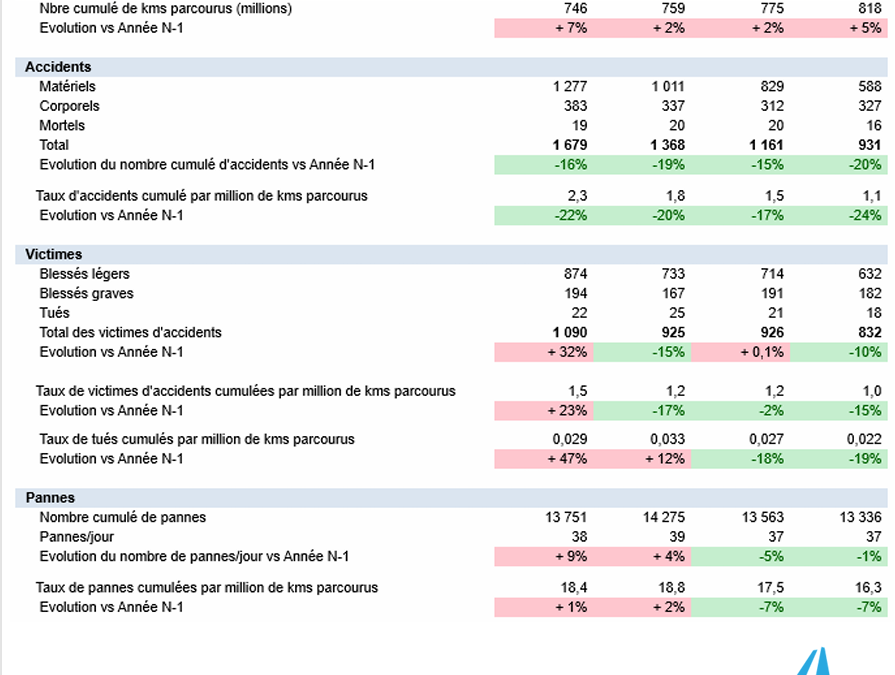
A 24% decrease in deaths and injuries in just three years.
That’s the result achieved between 2022 and 2025 on the Autoroute de l’Avenir (A1) in Dakar, one of Senegal’s busiest highways, connecting the capital to the airport and the country’s main economic regions.
This didn’t happen by accident.
Thanks to a targeted action plan and infrastructure improvements carried out by Eiffage de la Concession de l’Autoroute de l’Avenir (SECAA), a private partner of the Senegalese government, thousands more people are now returning home safely.
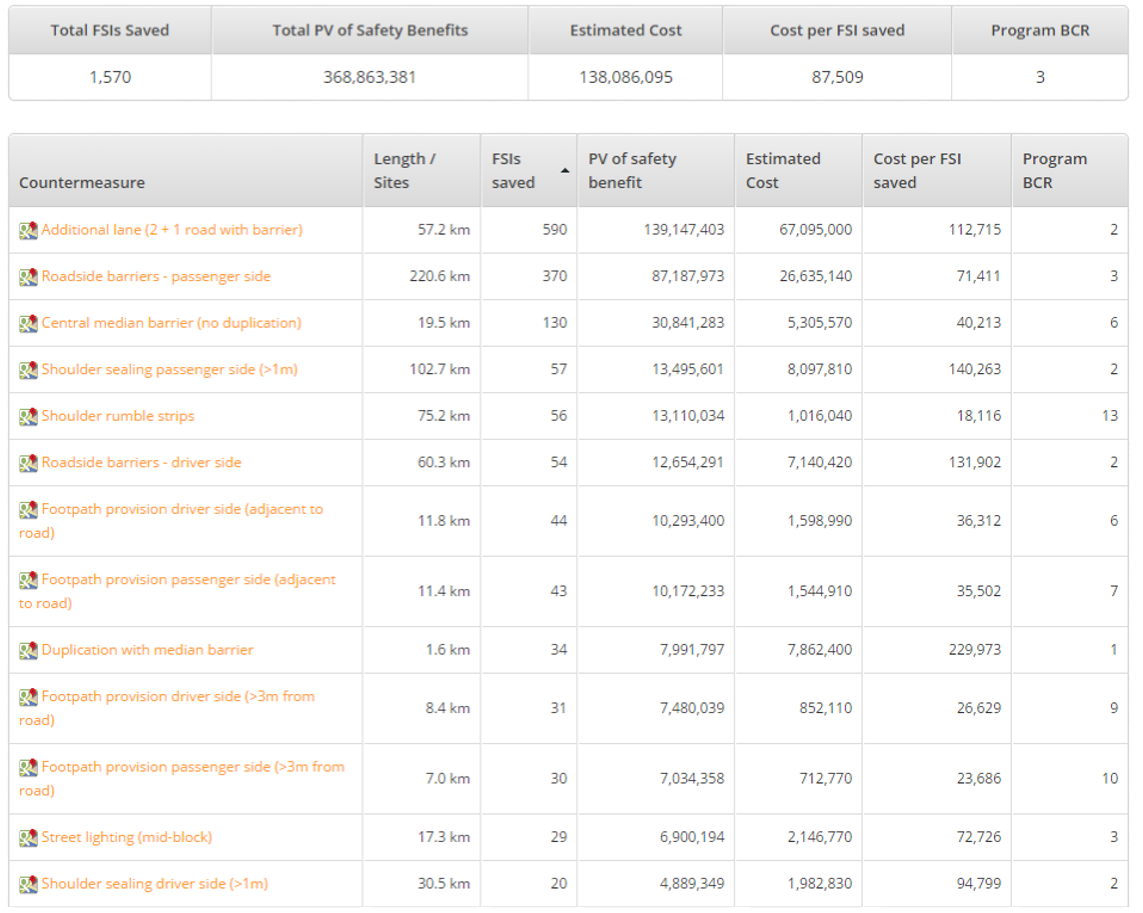
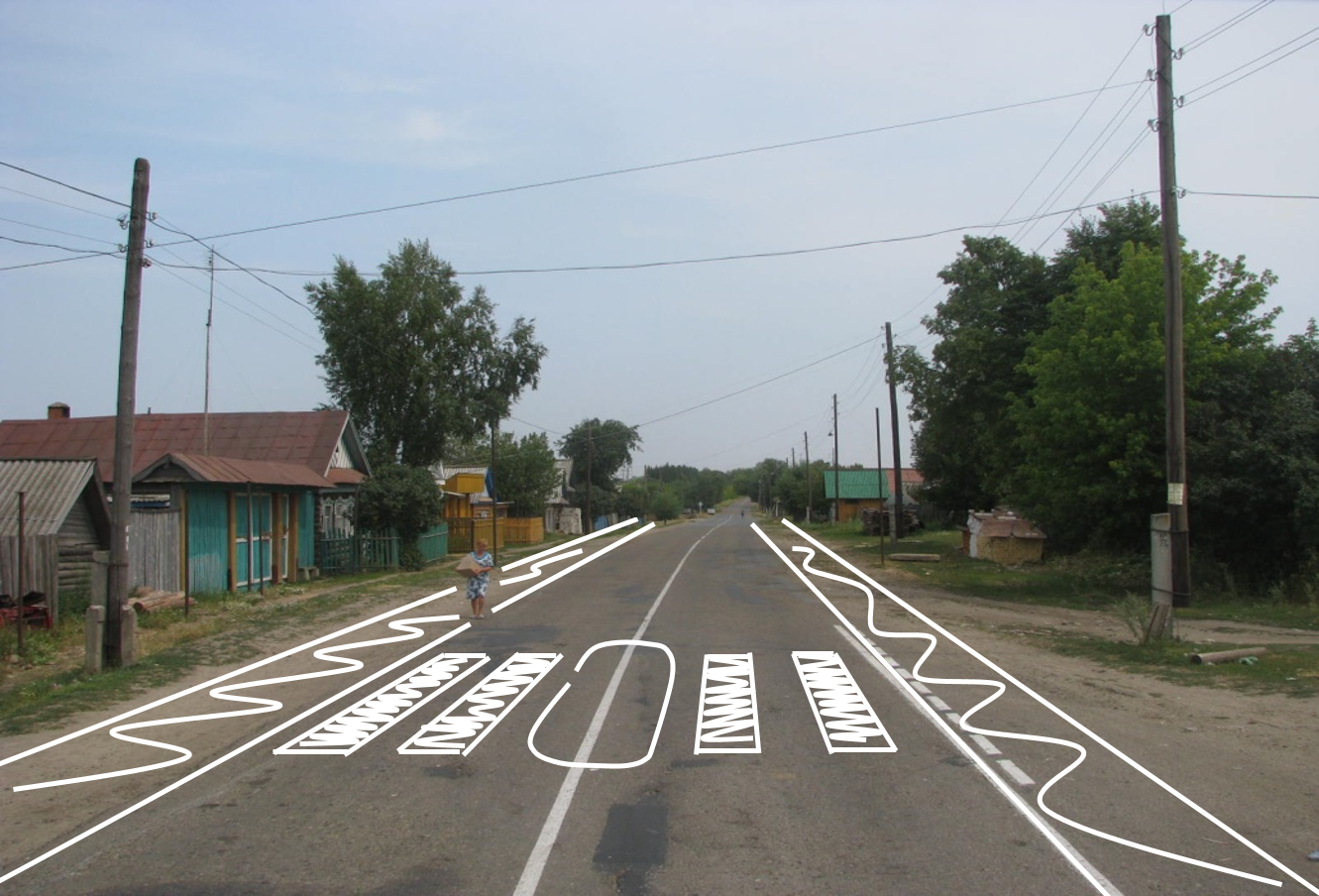
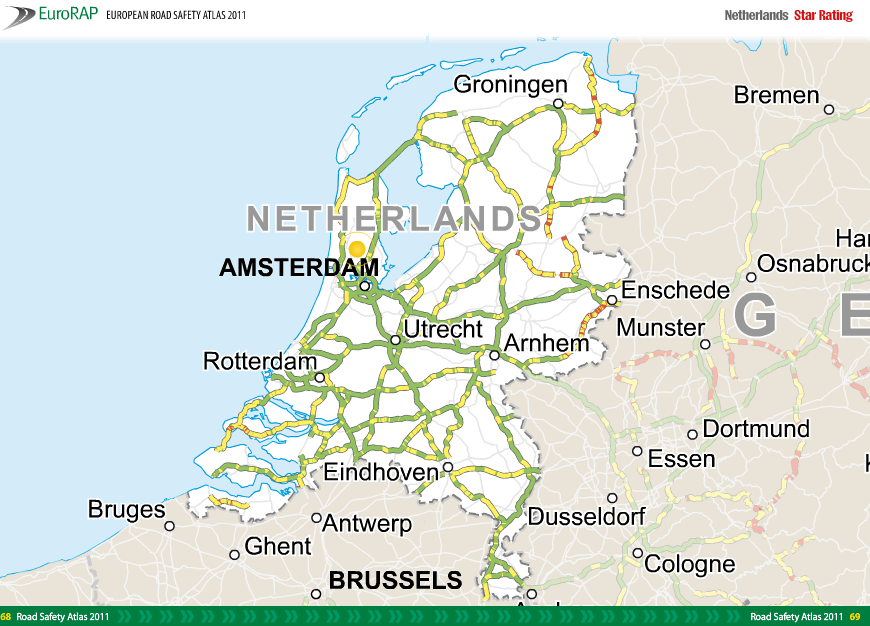
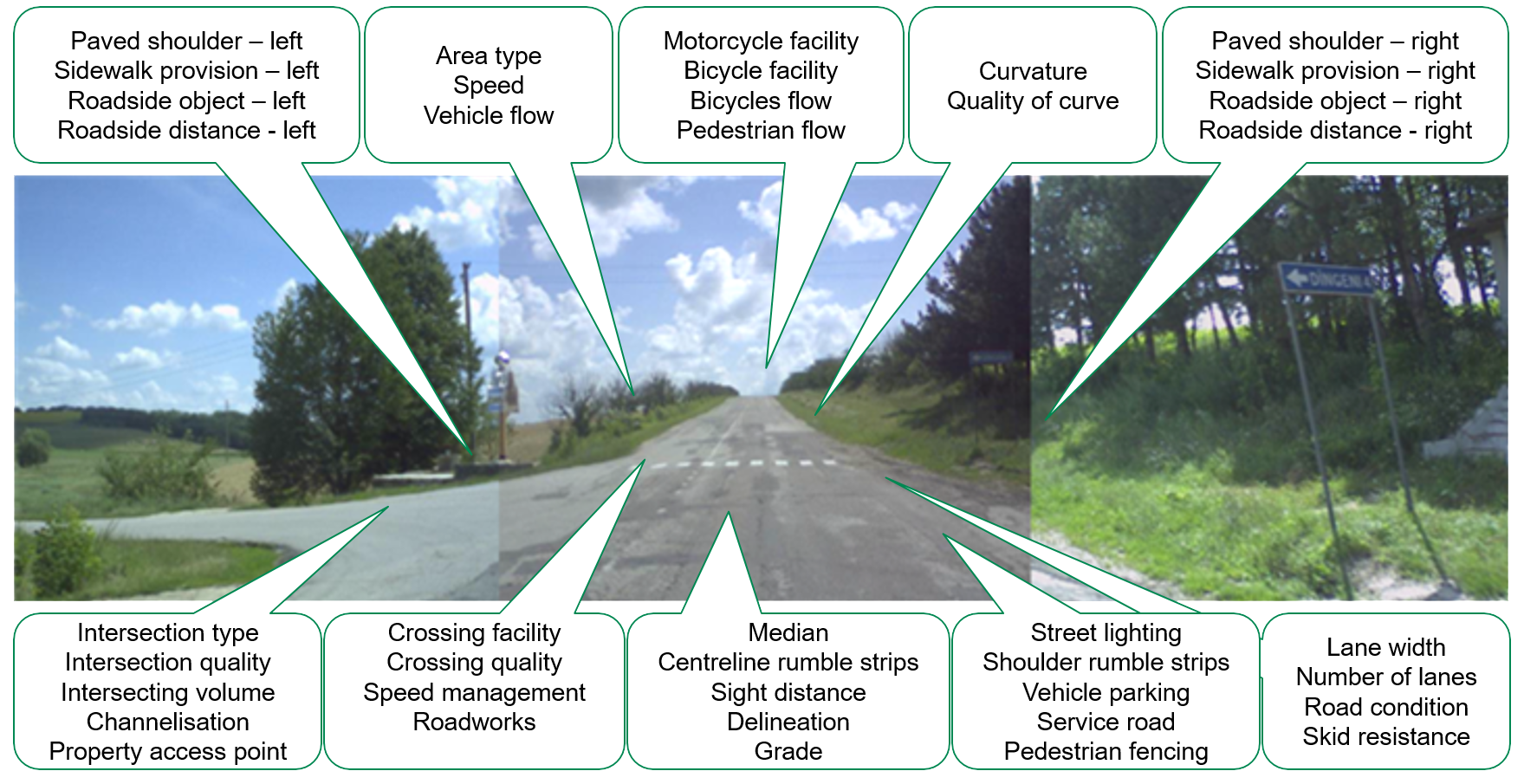
iRAP safety assessments helped guide these improvements, with practical measures implemented such as:
➡️ High-containment central dividers and safety barriers.
➡️ Road shoulders with rumble strips.
➡️ Street lighting, particularly in urban areas, and at intersections east of the motorway.
➡️ Anti-glare screens.
The impact also goes beyond lives saved. Fewer serious crashes has meant fewer towing operations, reduced operating costs, and less traffic congestion. Safety also generates operational and financial benefits.
This is an excellent example of what investing in road safety means in practice. More remains to be done, particularly to improve the safety of powered two-wheelers, but the progress made on the A1 demonstrates what can be achieved when data, financing, and implementation come together.
As Senegal hosts the #Dakar2026 Youth Olympic Games this year, these improvements are timely.
And the momentum is building. With support from the UNRSF – UN Road Safety Fund and The Private Infrastructure Development Group (PIDG), partners such as the National Road Safety Agency (ANASER Senegal), the Senegalese Road Works and Management Agency (Ageroute Senegal), the International Road Federation (IRF), and PIARC – World Road Association and iRAP are strengthening local capacity through the Ten Step Plan for Safer Roads in Senegal, helping to make the design and implementation of life-saving roads the norm, not the exception.
Safer roads are not an expense, but an investment in people, productivity, and national development.
Read original post from Autoroute de l’Avenir in French here

 English
  Português do Brasil
  Français
  Tiếng Việt
  Русский
  Español de Colombia
  Nederlands