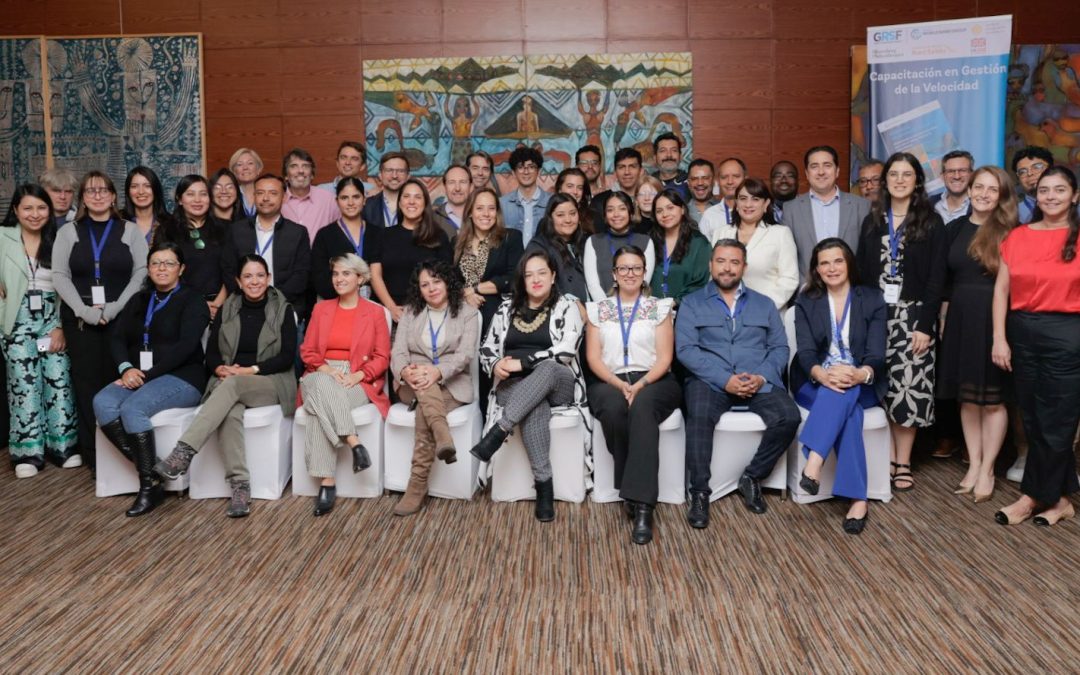
iRAP’s Safer Journeys Lead for the Americas Edgar Zamora recently returned from a highly impactful three-day Speed Management Training held in Mexico City. Hosted by The World Bank Group and the World Resources Institute (WRI), the event marked a significant milestone in road safety initiatives in the region, being the first training after the publication of the Guide for Safe Speeds: Managing Traffic Speeds to Save Lives and Improve Liveability.
Speed has a central role within iRAP’s models. When speed is reduced, the safety stars go up!
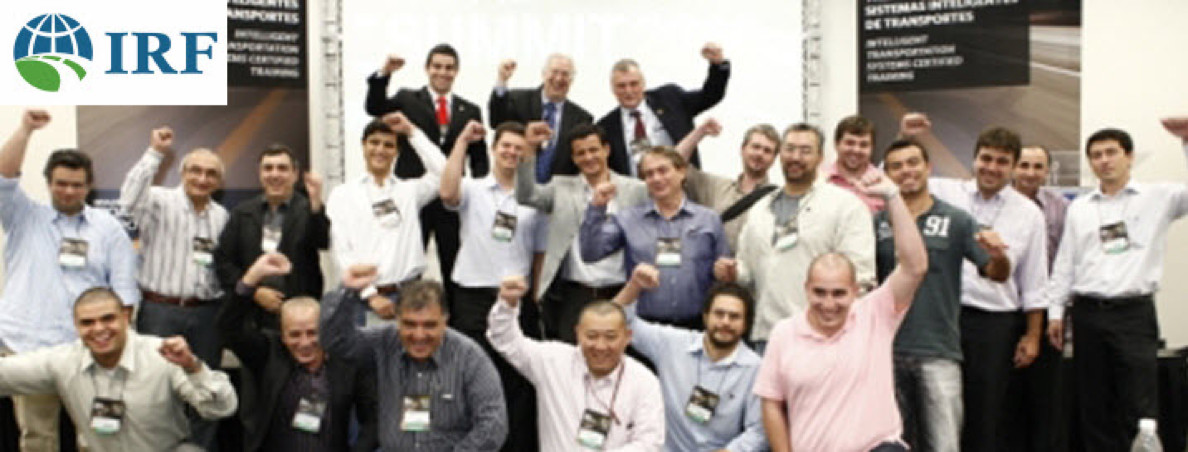
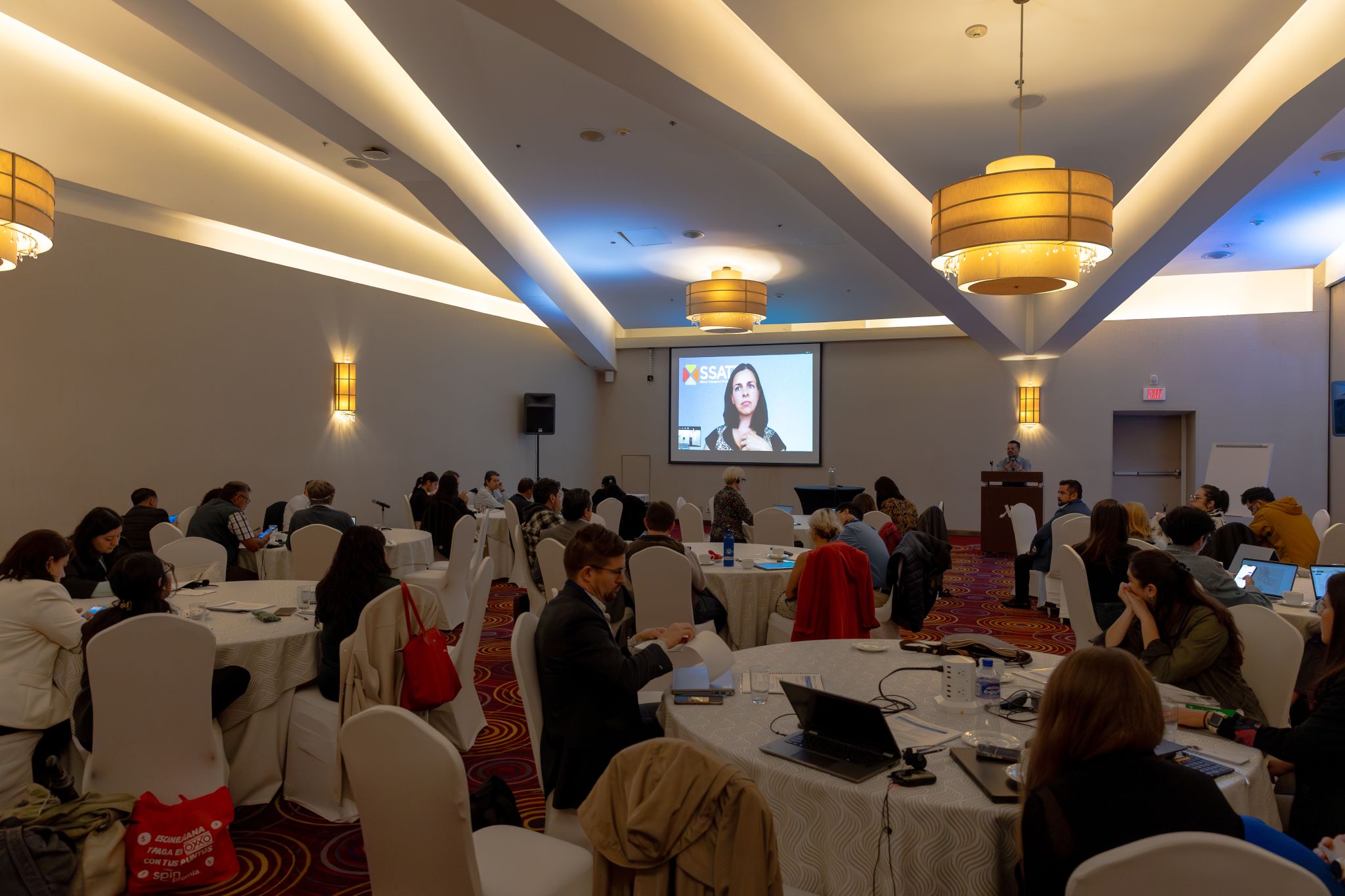
The training from 11-13 June brought together government officials, civil society organizations, and road safety experts from across Mexico, all united by a shared commitment to improving road safety and managing traffic speeds to reduce fatalities. With enthusiasm and engagement, the event saw participants actively contributing to discussions and brainstorming practical solutions for safer road systems.
A key highlight of the training was the dissemination of the Guide for Safe Speeds, a crucial resource designed to support countries and cities in adopting effective speed management strategies. This guide aims to save lives, improve road safety, and enhance overall liveability in urban areas.
The event featured expert presentations from a range of leaders in the field including Edgar, Eva Eichinger-Vill, Diego Canales, Becky Bavinger, Leslie Mills, Siba El-Samra, Alejandro Schwedhelm, Marisela Ponce de León Valdés, Iván de la Lanza, and others. Their expertise provided invaluable insights into the challenges and opportunities surrounding safer speed management.
The training was made possible through the collaboration of key partners, including Bloomberg Philanthropies and the World Resources Institute, who were instrumental in the development and dissemination of the guide.
The Guide for Safe Speeds is available in English and Spanish, with a Portuguese version to be released soon.
This event marks a promising step forward for road safety efforts in Mexico and the wider Americas region, with more such trainings expected to follow in the future.

 English
  Português do Brasil
  Français
  Tiếng Việt
  Русский
  Español de Colombia
  Nederlands