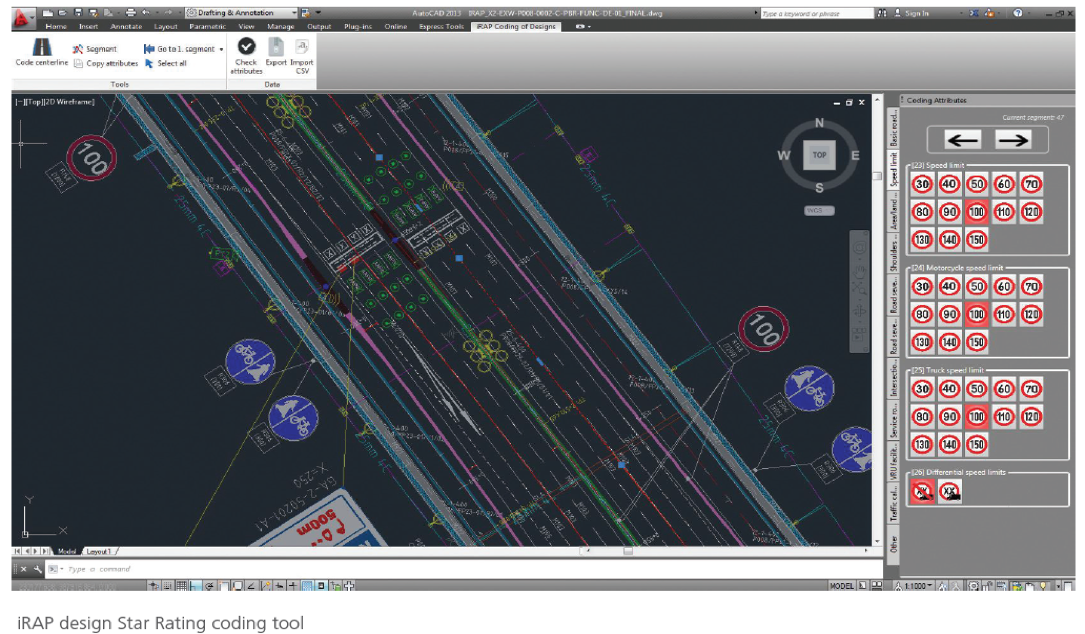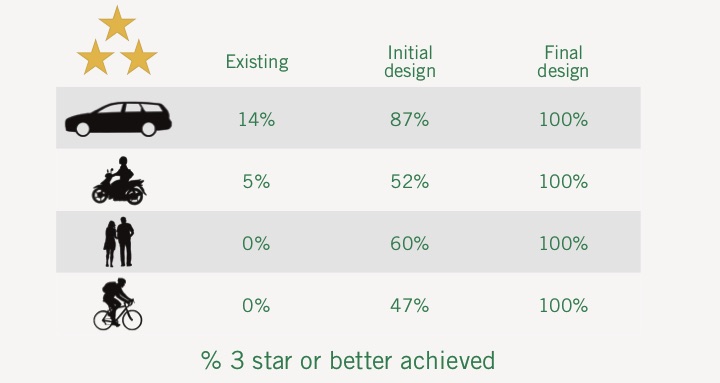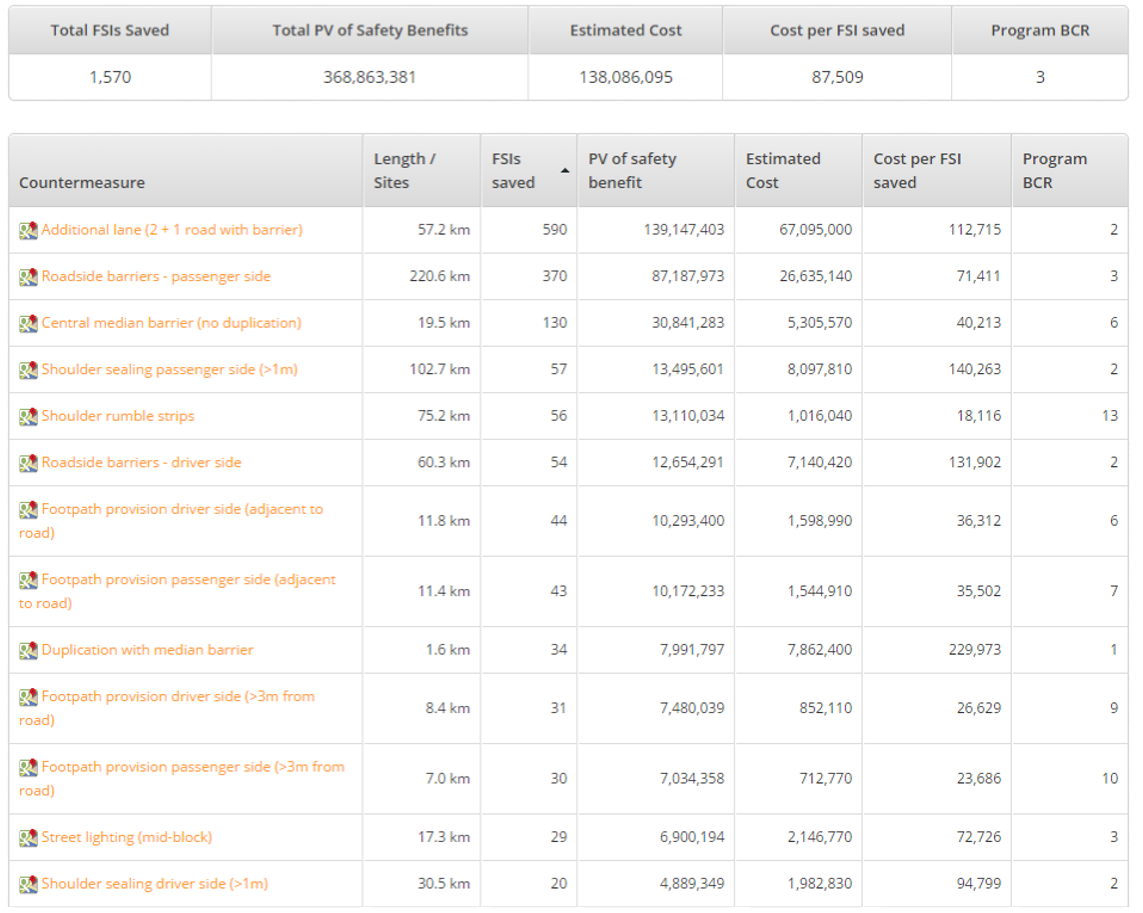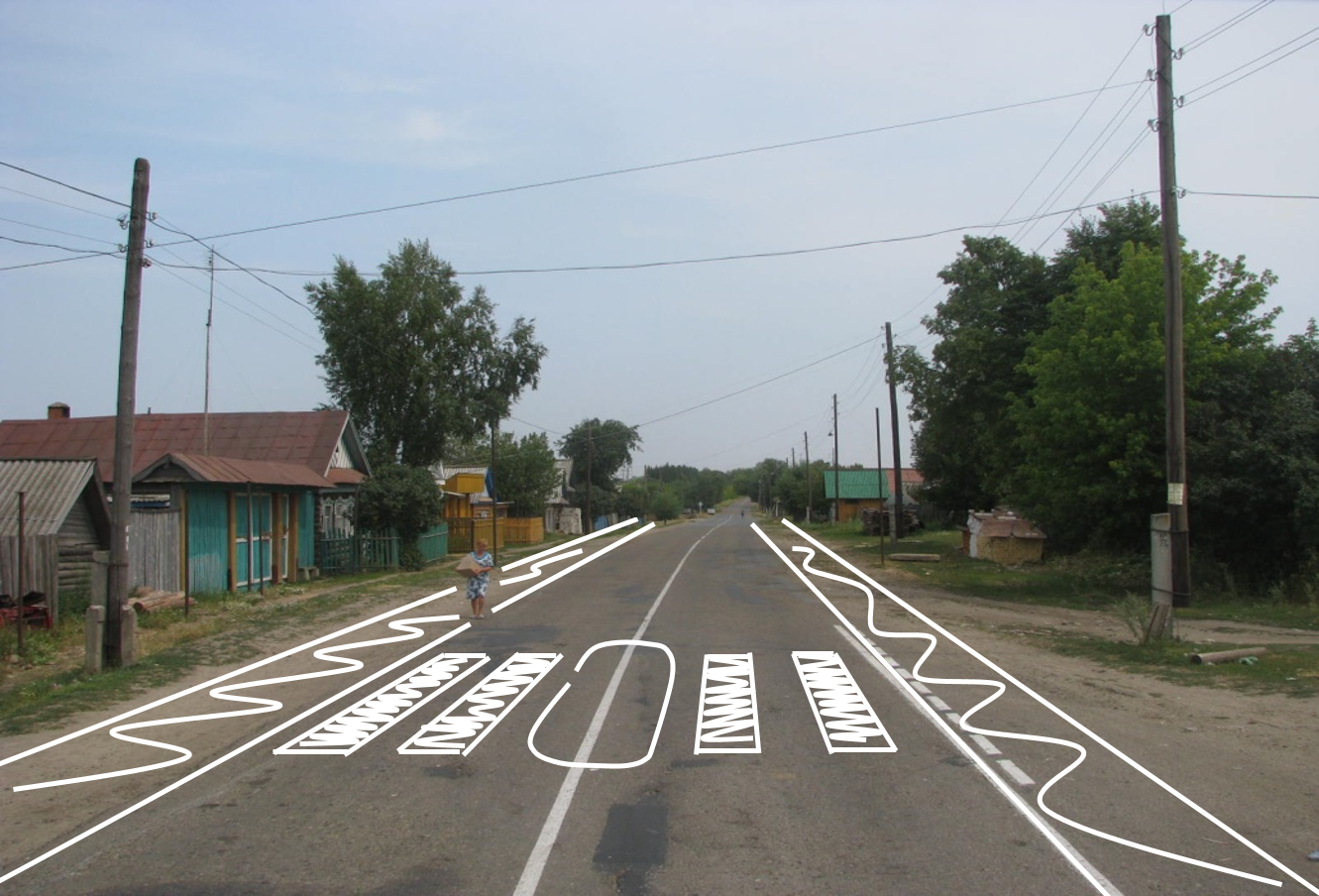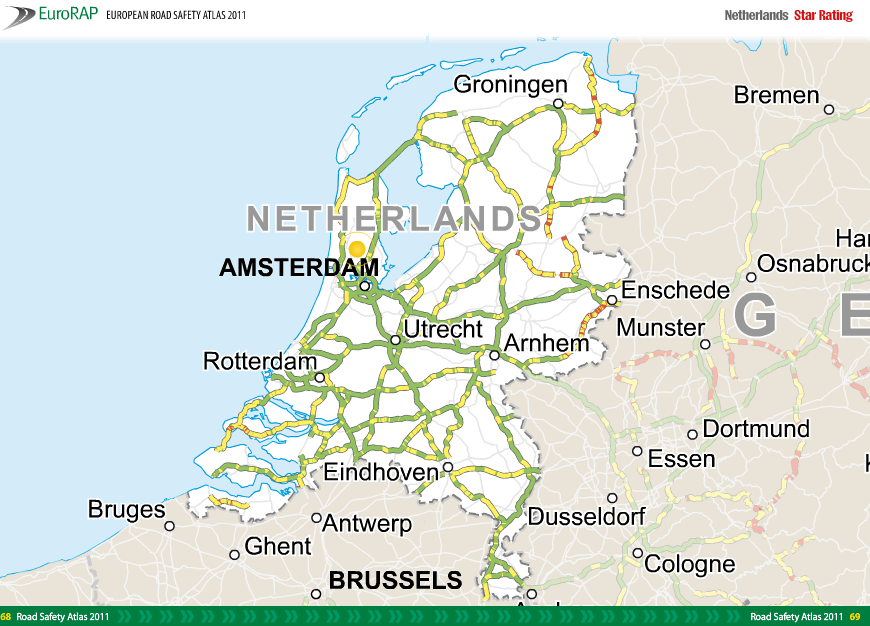
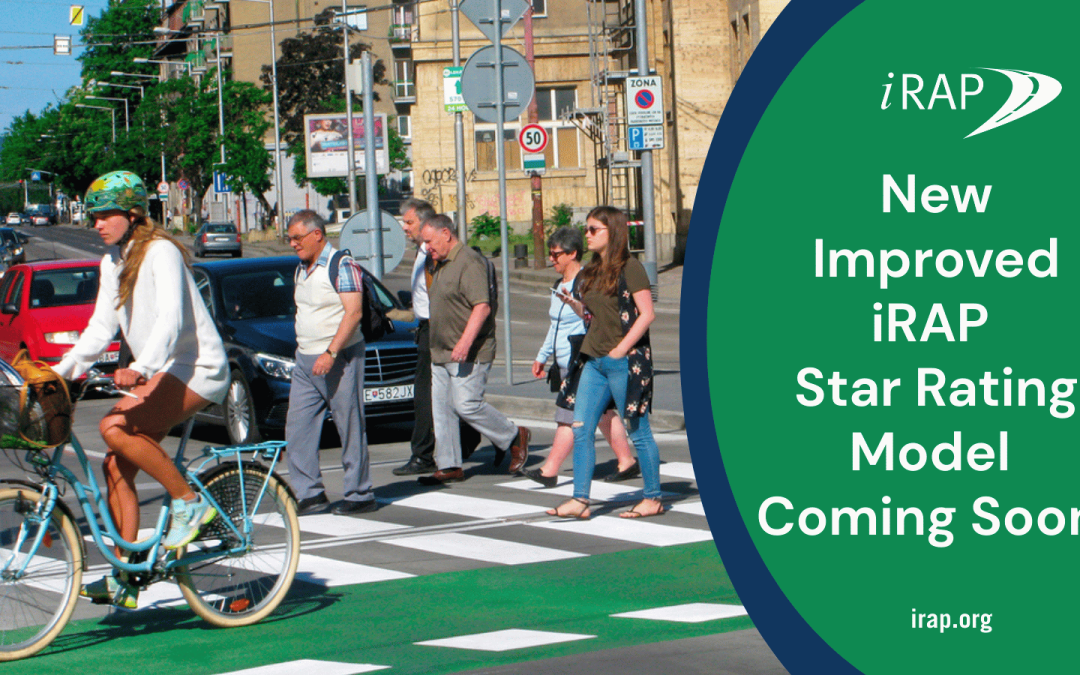
Thanks to the efforts of our partners worldwide, iRAP’s Star Rating Methodology has underpinned road safety assessments in more than 140 countries, informing 3-Star or better road upgrades that are transforming journeys for pedestrians, bicyclists, motorcyclists and vehicle occupants across the world.
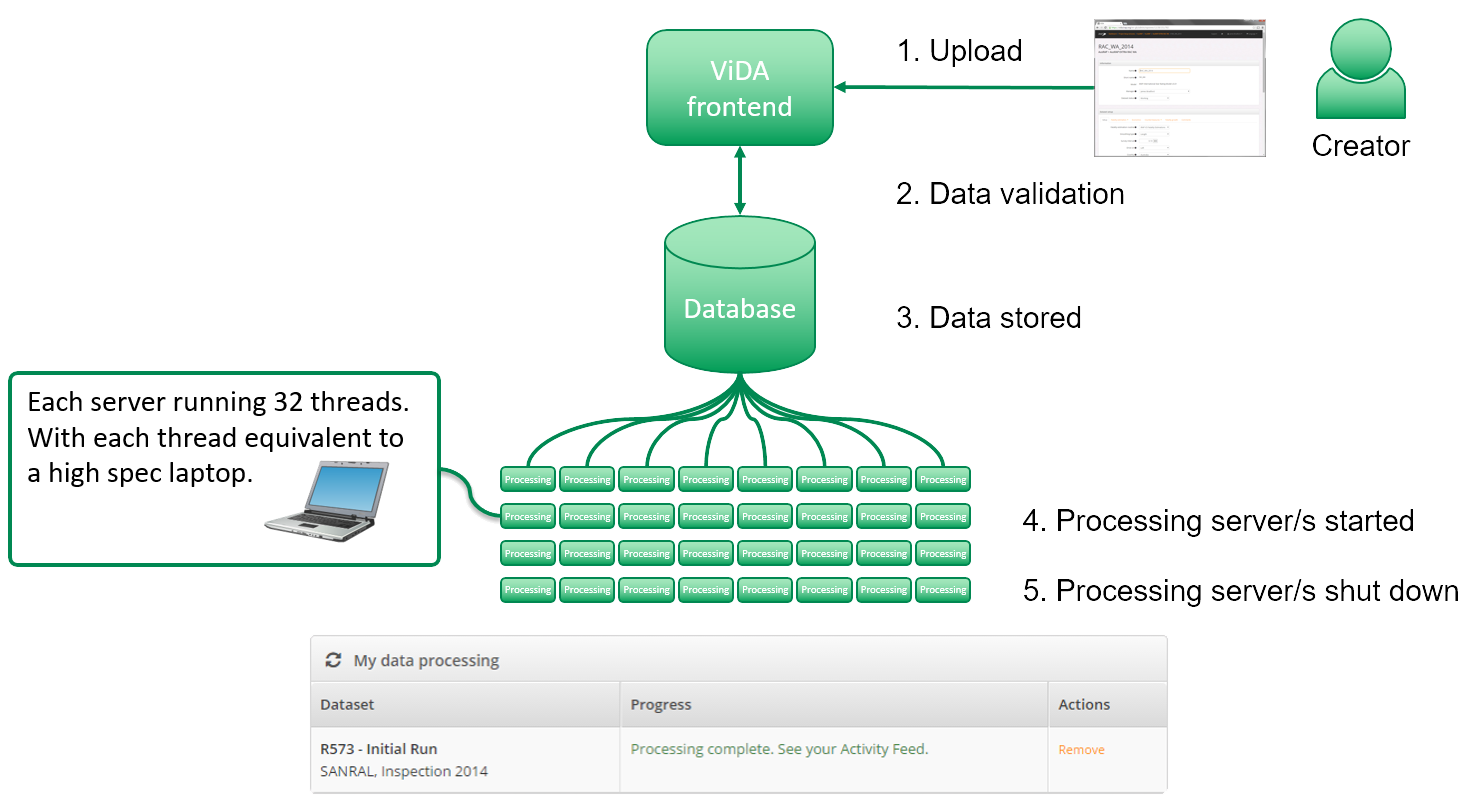
Now, informed by the latest global evidence on crash risk, iRAP’s current Star Rating model (version 3.02) is being updated. The new model (version 3.10), guided by experts and world-leading road safety research, will come online in May 2026 and be accessible via iRAP’s online platform, ViDA.
Why the Model is Changing
iRAP is committed to ensuring our methodologies reflect the latest research, evidence and experience of our partners in using iRAP tools around the world.
The introduction of version 3.10 directly contributes to the United Nations (UN) Decade of Action for Road Safety and the UN Decade of Sustainable Transport by providing a more rigorous, evidence-based framework to protect vulnerable road users and foster safer, more equitable transport networks.
Version 3.10 is the result of a comprehensive five-year review of the research underpinning iRAP methodologies, performed under the guidance of the iRAP Global Technical Committee. Key drivers for the change include:
- Latest Global Evidence: Incorporates the latest research and global evidence on crash risk.
- Safe System Alignment: Aligns risk factors and injury relationships with Safe System principles.
- Vulnerable Road User (VRU) Focus: Enhances the accuracy of risk assessments, particularly for pedestrians and bicyclists, and to a lesser extent, motorcyclists.
- Robust Outcomes: Ensures assessments remain robust, repeatable and aligned with real-world injury outcomes.
Key Changes
The update will deliver several enhancements including:
- Major VRU Updates: Significant changes to pedestrian and bicyclist models, including a new “Bicyclist Crossing” crash type.
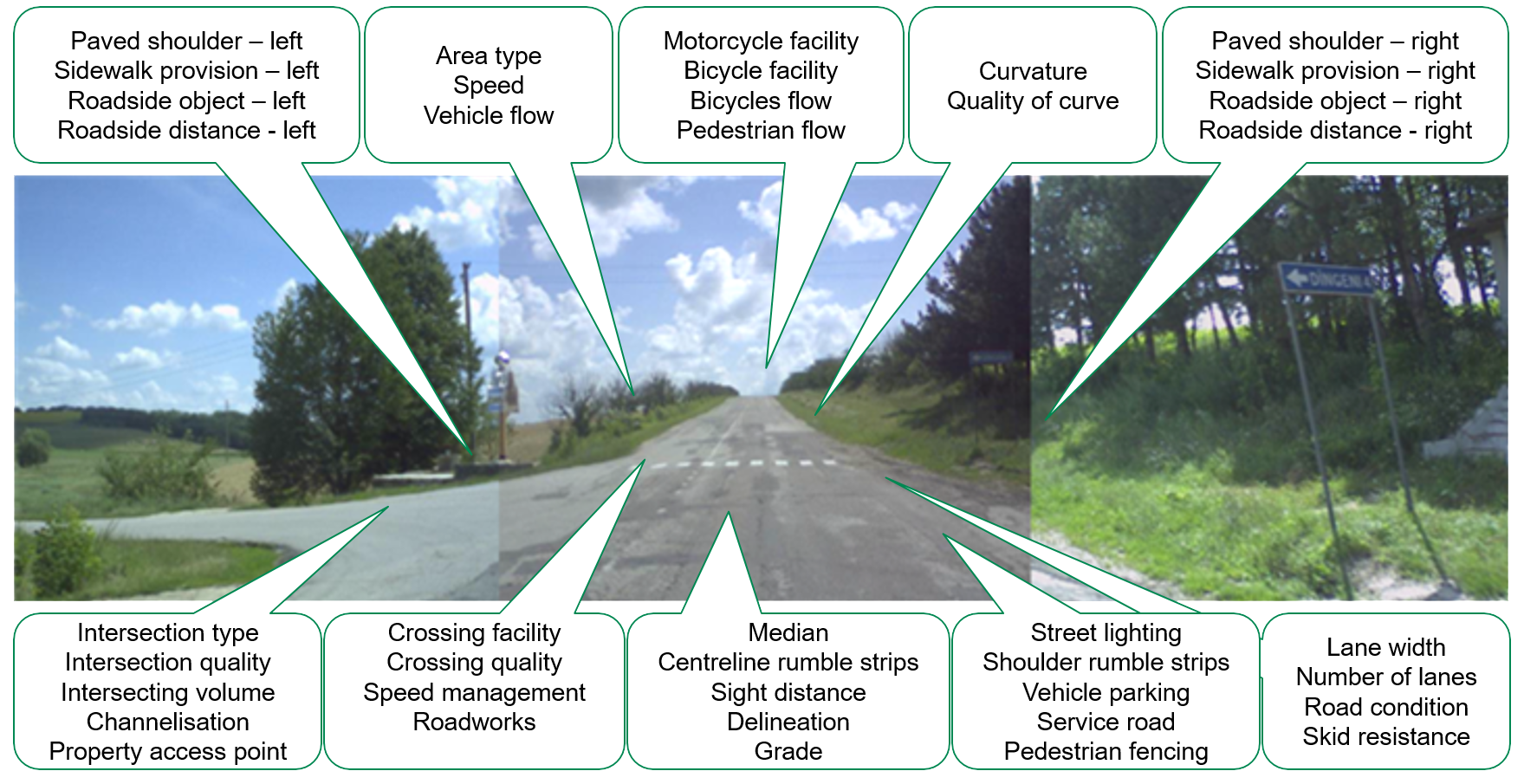
- Granular Risk Factors: Implementation of 1 km/h speed increments and 1,000 vehicle-per-lane increments for external traffic flow.
- Unified Banding: A consistent Star Rating banding system across pedestrian and bicyclist models to ensure uniform interpretation.
- Zero Star Rating: A new ‘Zero Star’ band to help differentiate sections of road with extremely high risk and prioritise them for treatment.
- Decimal Star Ratings: A more sensitive and nuanced understanding of road safety that goes beyond traditional whole-Star thresholds.
- Operating Speed Functionality: New ViDA features allow users to produce Star Ratings based on operating speeds alone.
Impact on Star Rating assessments
The transition to version 3.10 will have some effect on data processing and reporting, including:
- Data Format: Version 3.10 requires a different upload data format. A new Upload File Specification will be released, and a conversion tool provided to support the transition.
- Data Control: Existing assessments using version 3.02 will not be automatically updated in ViDA. Users can choose to maintain current results or re-run them using version 3.10.
- Technical Accuracy: The model provides a more accurate picture of risk to better target safety improvements.
- Star Rating Shifts: Individual road segments may see changes in Star Ratings. Generally, achieving 3-Stars or better for pedestrians and bicyclists will require more protective infrastructure or lower speeds.
- Coding and Measurement: Updates include revised categories (e.g. sidewalk quality) and adjusted measurement rules, such as measuring sidewalk distance from the curb.
- Comparison Constraints: Because of the substantive changes made to the bicyclist and pedestrian models, results produced by versions 3.02 and 3.10 should not be directly compared for these road user groups. Changes to the motorcycle model are comparatively limited, however, comparing results from the two versions is not recommended given the updates will impact Star Ratings for some road and intersection configurations.
Next Steps
Version 3.10 will be released on ViDA in May 2026. No action is required at this time.
To help you understand the changes, we have released:
- iRAP Star Rating Model Update Explainer Note: Details the changes made to the crash risk models, risk factors and coding guidance.
- iRAP Methodology Reference Guide: This consolidated reference guide fully describes the iRAP models and risk factors, as well as the evidence which underpins these.
- Frequently Asked Questions (FAQ): Answers to common technical and data management queries.
In coming months, iRAP will release specification documents for version 3.10, including updated versions of the Upload File Specification, iRAP Coding Manual and the iRAP Star Rating and Investment Planning Manual.
Ahead of the May launch, we recommend that you review the documentation provided.
We will be providing regular communications in the lead-up to launch of the model update and a series of information webinars to ensure you are fully prepared for the transition.
Watch for upcoming webinar announcements!
ViDA users will be notified by email about the launch of version 3.10 in ViDA.
For support with ongoing projects or data management, please contact support@irap.org.
Acknowledgements
The development and release of version 3.10 have been made possible through the support and collaboration of iRAP’s many partners and supporters. We gratefully acknowledge the FIA Foundation for its continued commitment to funding and enabling the global deployment of iRAP tools, including ViDA. We also thank our innovation partners and Centres of Excellence for their technical expertise and applied research contributions; the members of the Global Technical Committee for their guidance, review and stewardship of methodological integrity; and the European Commission and UKRI for their support through collaborative research initiatives, including the PHOEBE project. Their collective leadership and expertise ensure that iRAP models remain evidence-based, globally relevant and aligned with the shared ambition of eliminating high-risk roads worldwide.
The model enhancements were developed in conjunction with the joint European Commission and UKRI-funded PHOEBE project and has been extensively tested with real-world data. The updated pedestrian model was deployed in the Star Ratings for Schools (SR4S) program in 2023 and have been extensively used by partners around the world, particularly the FIA Mobility clubs.

 English
  Português do Brasil
  Français
  Tiếng Việt
  Русский
  Español de Colombia
  Nederlands