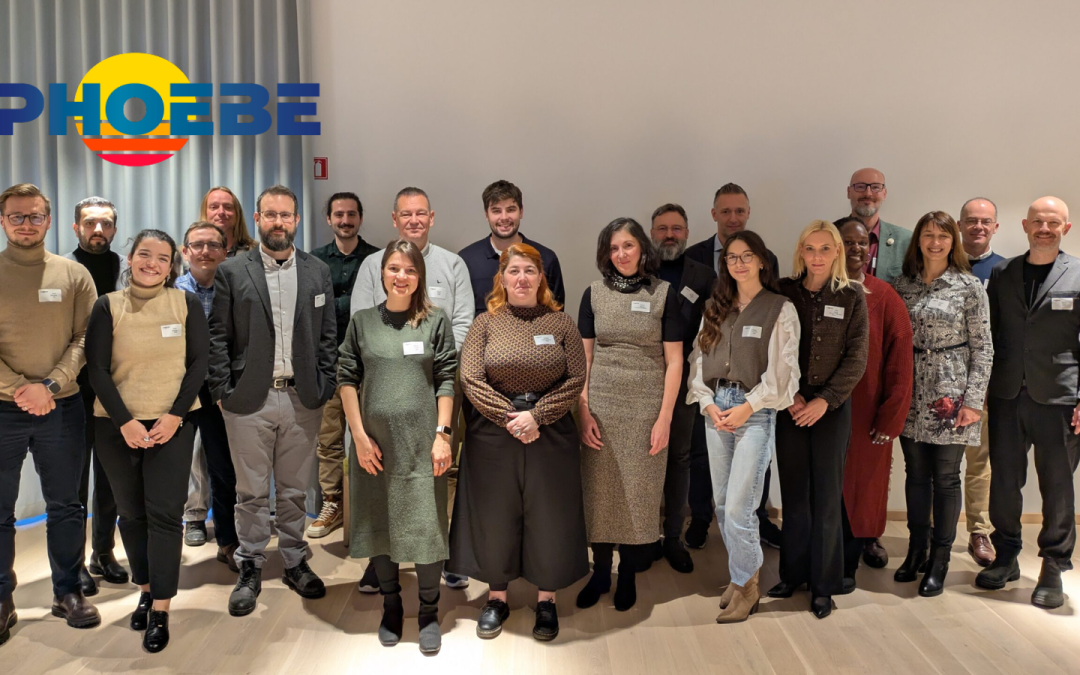
Last week, the PHOEBE Consortium convened in Slovenia for two days of productive discussions on the project’s progress to advance active mobility and the safety of vulnerable road users in its three pilot cities, sharing innovative solutions for safer, smarter and greener mobility.
The EU-funded ‘Predictive Approaches for Safer Urban Environment’ (PHOEBE) Project, piloting in Athens (Greece), West Midlands (UK) and Valencia (Spain), is building on the strengths of iRAP’s road safety assessment tools and AIMSUN’s simulation and Artificial Intelligence to deliver harmonised, integrated and world-leading safety prediction tools that take account of gender, age and ability levels in providing for future mobility.
A look back on recent activity:
December Consortium Meeting
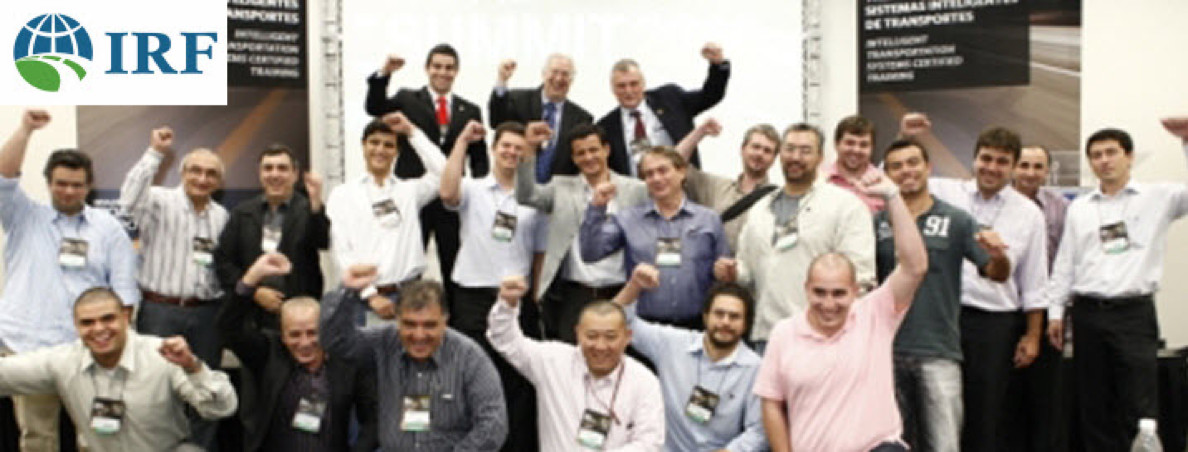
Hosted by the European Institute of Road Assessment (EIRA), the 13th Project Consortium Meeting at Lake Bled gathered 29 key stakeholders to drive the next phase of the PHOEBE project. The focus was on finalizing critical deliverables, including systems integration, knowledge transfer, and project-wide communication strategies, ahead of its completion in August 2026.
A key topic was the Decision Support Tool, which continues to evolve through collaboration and the integration of pilot data. Consortium members engaged in dynamic discussions about the challenges of refining the tool, as well as the ongoing optimization of data collection and alignment with project protocols.
The meeting also explored collaborative opportunities with the EU Road Safety Cluster to amplify the project’s impact, including plans for webinars and the much-anticipated final conference. These efforts will accelerate the dissemination of results, ensuring that PHOEBE’s innovations reach a broader audience and set new benchmarks in the field.
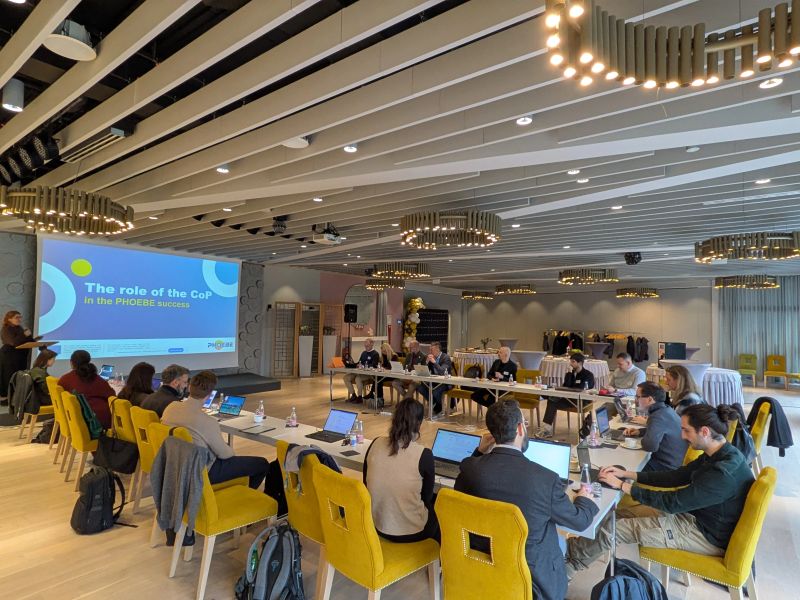
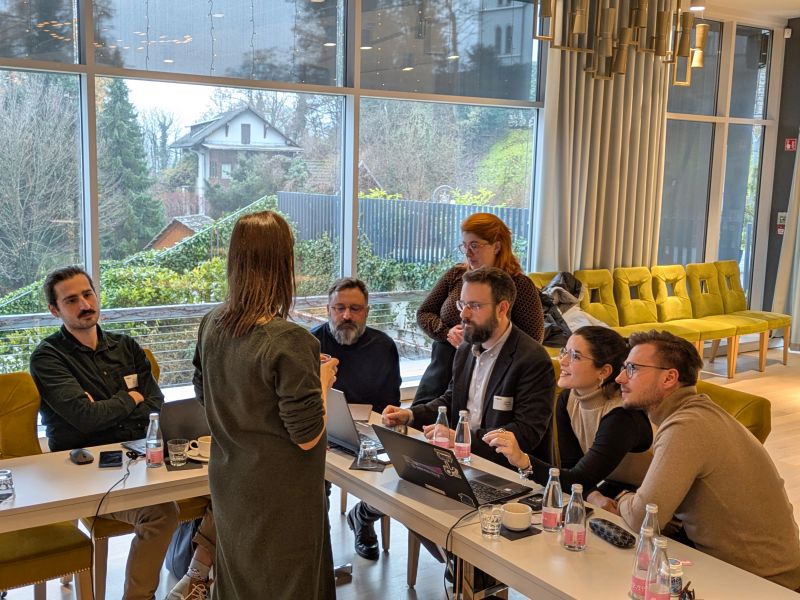
The PHOEBE Community of Practice Meeting in Lake Bled
AI Models Tested to Predict Pedestrian Violations in Athens
As part of the PHOEBE Project, the National Technical University of Athens (NTUA) has been undertaking research on predicting pedestrian violations at urban intersections in Athens using AI.
The study addresses the challenge of illegal crossings in Athens, a city with heavy pedestrian traffic but limited monitoring infrastructure. NTUA employed computer vision tools and machine learning to analyse pedestrian behaviour at two key intersections in the city.
Using smartphone cameras for data collection, the team applied a video detection framework combining YOLOv8, ResNet-50, and Kalman filtering to track movements relative to crosswalks and traffic lights. This data was then used to train two machine learning models: Random Forest and XGBoost.
Results showed that although XGBoost required more training time, its superior precision and balance across classes make it a more reliable tool for urban safety applications. NTUA emphasised the potential of such models to be integrated into real-time monitoring systems, early-warning tools, and policy evaluations.
Future work will expand to include contextual factors such as weather, road layout, and pedestrian demographics, to scale the approach across cities and enhance traffic light compliance.
Read more here.
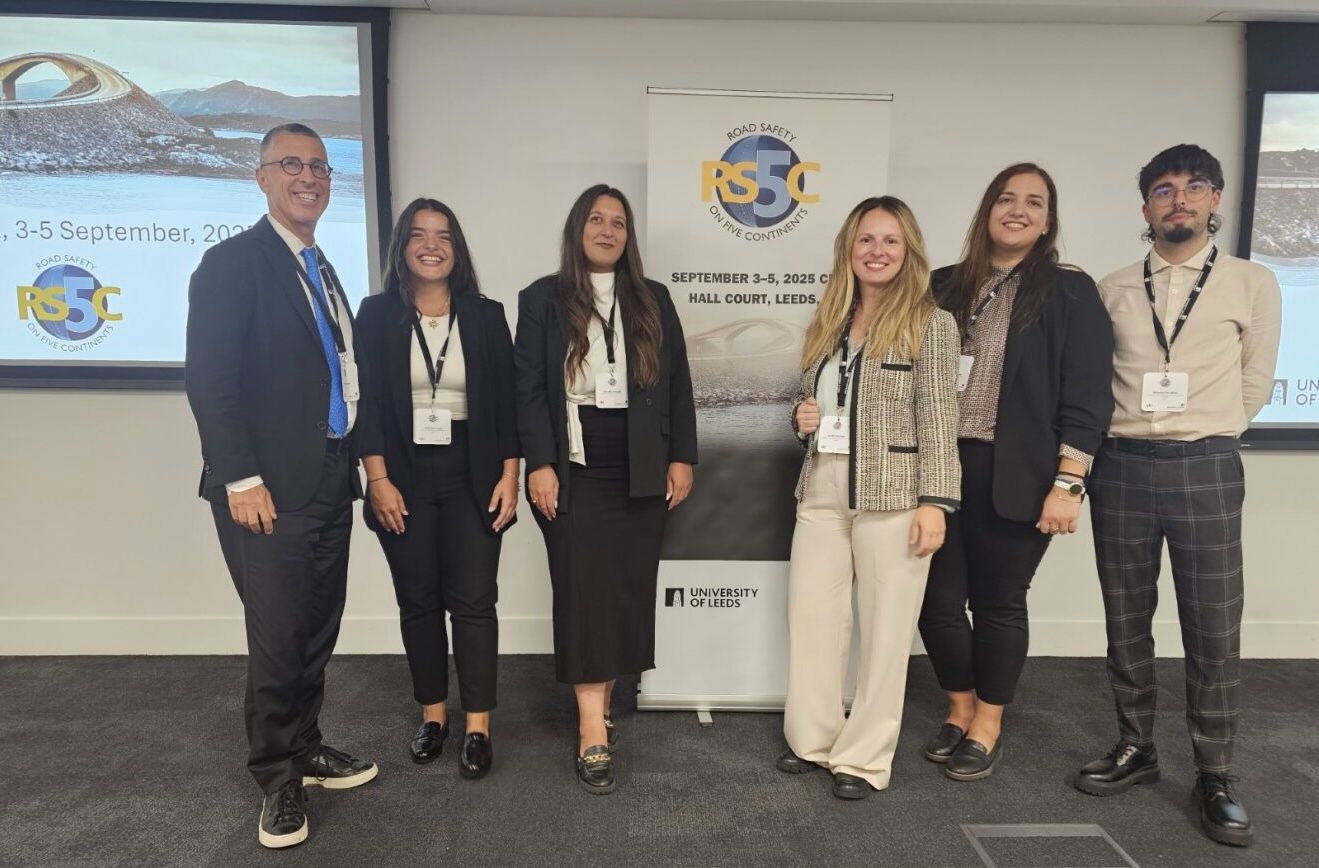
The NTUA team presented the study findings at the 20th International Road Safety on Five Continents (RS5C) Conference in September
PHOEBE has interviewed each of its pilot cities and shares their insights:
Pilot Interview with Valencia (October)

Image credit: PHOEBE
What are the remaining planned simulations related to the user behaviour analysis and speed reduction at the Valencia corridors?
Four different intervention scenarios were modelled. The first extended a segregated bike lane along Hermanos Machado Avenue. The second introduced variable speed limits, including a 30 km/h limit next to the bike path. The third examined the impact of a 30% increase in micromobility usage. The fourth explored a new parking solution by adding a parking lane next to the central divider.
Will you share your results with the Valencia authorities and what the expected impacts on existing or future policy frameworks are?
The processes, objectives and results have already been shared with the Valencia authorities through a series of workshops, stakeholder engagement activities, and during the Final Presentation and Second Reflection Workshop, which took place on 24 July 2025. Stakeholders were actively involved in discussing and providing feedback on the outcomes of the intervention scenarios. As for the policy impacts, the results are expected to inform the development of future urban mobility and safety policies, with particular emphasis on micromobility integration, speed regulation and pedestrian protection. The analysis highlights key trade-offs, such as an increase in pedestrian risk in some scenarios, which can help policymakers achieve more balanced and inclusive planning. The project also reinforces the importance of holistic, mode-inclusive safety strategies, which is a crucial message for adapting policies to evolving mobility trends.
Since you highlighted that electric micromobility usage has significantly risen in Valencia, did you analyse how this has impacted road safety?
Although this issue was not addressed as a specific task within the PHOEBE project, the Valencia research group has been working on it separately. Within the project framework, however, one scenario considered a 30% increase in micromobility demand. This led to a 16% rise in serious incidents, showing that rapid growth in micromobility without corresponding safety infrastructure can increase risks. The analysis also revealed a 36% increase in pedestrian risk and a 148% rise in cyclist risk at intersections in certain scenarios. These findings underline the urgent need for safety-focused planning when promoting micromobility.
Do you have any other aspects to share?
Additional findings from the Valencia use case showed that micromobility and active travel grew substantially in Scenario 3, with shared micromobility usage increasing by up to 38.3% and bicycle trip-kilometres rising by up to 28.8%. The analysis also revealed differences in adoption across age and gender: younger people were more inclined to use micromobility, whereas women were more hesitant, often due to safety concerns and caregiving responsibilities.
Pilot Interview with West Midlands (September)

Image credit: Shutterstock
This interview shares current progress of models and tests in the West Midlands, which are mostly focused on modelling the potential impact of speed reduction on the overall safety of vulnerable road users. Additional research updates, which were based on the West Midland pilots have been posted on PHOEBE’s R&D blog.
What do your findings suggest are the main impacts to expect from decreasing the speed limit on all 40 mph roads?
Our results suggest that reducing the speed limit will lead to a 45% reduction in the number of people killed or seriously injured every year. No segments were awarded the lowest risk rating in this analysis. Our analysis predicts a significant increase in the number of journeys carried out on foot, by around 50%, suggesting that more people will gain the positive health benefits that come from being active.
What did we learn about cycleways in the West Midlands?
The Bristol Road (A38) cycle way is a relatively new path for cyclists to take that runs alongside a main road. Local authorities in the West Midlands have many similar schemes in the pipeline, including an extension to the south of the Bristol road. We chose to look at the area in terms of the situation as it is at the moment, and what would happen if the cycle lane were suddenly removed. By taking this approach, we could attempt to understand the impact of introducing similar cycle lanes in the West Midlands. We also decided to perform a ‘CycleRAP assessment’ of the Bristol road, which involved a member of the team cycling the route with a handlebar-mounted smartphone that uses the Lane Patrol app to take photographs every 10 metres of travel. These photographs were used to create risk models of the road and cycleway. The subsequent analysis of these models suggests that the number of people who are killed or seriously injured along this route dropped to around a third of the level that existed before the cycleway was built.
What feedback have you received from the local stakeholders?
We held a road safety workshop in collaboration with Transport for the West Midlands (TfWM), where the results of the active travel studies were presented and discussed. These discussions have helped to spread awareness of new technologies and data products that can be utilised by transport planners working for local authorities. During 2025, TfWM participated in a series of working meetings to review our results, which provides the project with the context and understanding that can only come from local experts. Most recently, TfWM have started the process of determining how insights from PHOEBE can be distributed to the relevant working groups.
Pilot Interview with Athens (July)

Image credit: Shutterstock
It this pilot interview, PHOEBE is focusing on Athens and its implementation of the Athens Great Walk (AGW) which connects important sights in the historic centre of Athens, supported by the research results of PHOEBE.
What are the remaining steps towards the finalisation of the AGW, and how will PHOEBE be involved?
The main infrastructure works for the AGW have already been completed. Therefore, the focus now shifts from construction to monitoring, evaluation, and refinement of implemented measures, especially in terms of traffic safety, sustainability, and modal shift. Thus, PHOEBE’s involvement in this final stage includes:
- Final analysis of behavioural and risk-related impacts of AGW interventions through its integrated simulation and statistical models (e.g., pedestrian red light violations, speeding, illegal crossings).
- Validation of results through real-world data and Aimsun simulations, to understand how interventions impact safety, traffic flow, and emissions.
- Providing evidence-based recommendations for optimising urban design and traffic regulations based on these findings.
Beyond this, what are the remaining contributions of PHOEBE to other Athens interventions and the ambitious aim to introduce the 30km/h speed limit?
The 30 km/h speed limit has now been integrated into the Greek Traffic Code and will be formally enforced starting January 2026. PHOEBE has played a significant role in simulating and evaluating the implications of this measure as part of Scenario 2 in its traffic simulation framework. Remaining contributions of PHOEBE include the support for the rollout of the speed limit through quantitative results that prove its effectiveness in reducing operating speeds and traffic risks, without causing severe congestion. Furthermore, the aim is to raise awareness and support policymaking by presenting data-driven insights into how vulnerable road users benefit from the reduced speed environment. Lastly, the Greek partners will provide technical input for similar interventions across Athens, including pedestrianisation, traffic calming, and micromobility integration.
According to your analysis of the traffic safety situation before and after the implementation of the AGW, what were the main impacts?
Several scenarios were developed, which were based on the PHOEBE simulations.
Scenario 1 (Athens Great Walk only):
- Travel time reduced by 17.7%, distance by 12.8%, and delays by 8.4%.
- Moderate speed reductions in the central areas, reducing conflict risk.
- Increased walking and micromobility, especially among younger age groups.
Scenario 2 (AGW + 30 km/h limit):
- Further decrease in vehicle operating speeds, enhancing safety without major congestion.
- Sustained improvements in environmental indicators, e.g., CO₂ emissions, remained below baseline levels.
- Substantial modal shift, with non-motorised travel rising by up to 20.8%, and motorised decreasing by 1.6%.
The main impacts of scenario 2 would be:
- Safer environment for pedestrians and cyclists.
- Smoother and more efficient traffic flow.
- Promotion of sustainable modes of transport.
- Positive environmental outcomes with minimal trade-offs.
An additional meeting with your focus group is planned. This will allow you to receive further feedback from a diverse group of local stakeholders. What will be the main aspects to discuss?
We will present the PHOEBE results from the above-stated scenarios and their impact related to safety, modal shift, traffic efficiency, and emissions. Additionally, we will explain the PHOEBE behavioural models, specifically how pedestrian and driver behaviours (speeding, red light violations, jaywalking) have evolved post-intervention. Besides this, we will also share our best practices for public awareness strategies to promote the benefits of the 30 km/h zone and AGW to citizens and gain public support.
PHOEBE presented at Urban Mobility Days 2025
PHOEBE was showcased in a booth at Urban Mobility Days 2025 in Vilnius, Lithuania from 30 September to 2 October.
The conference shone a light on urban mobility within the context of the new European Union priorities, with a focus on the themes of competitiveness, innovation and tourism throughout the programme, with each conference day dedicated to urban nodes, cycling and public transport.
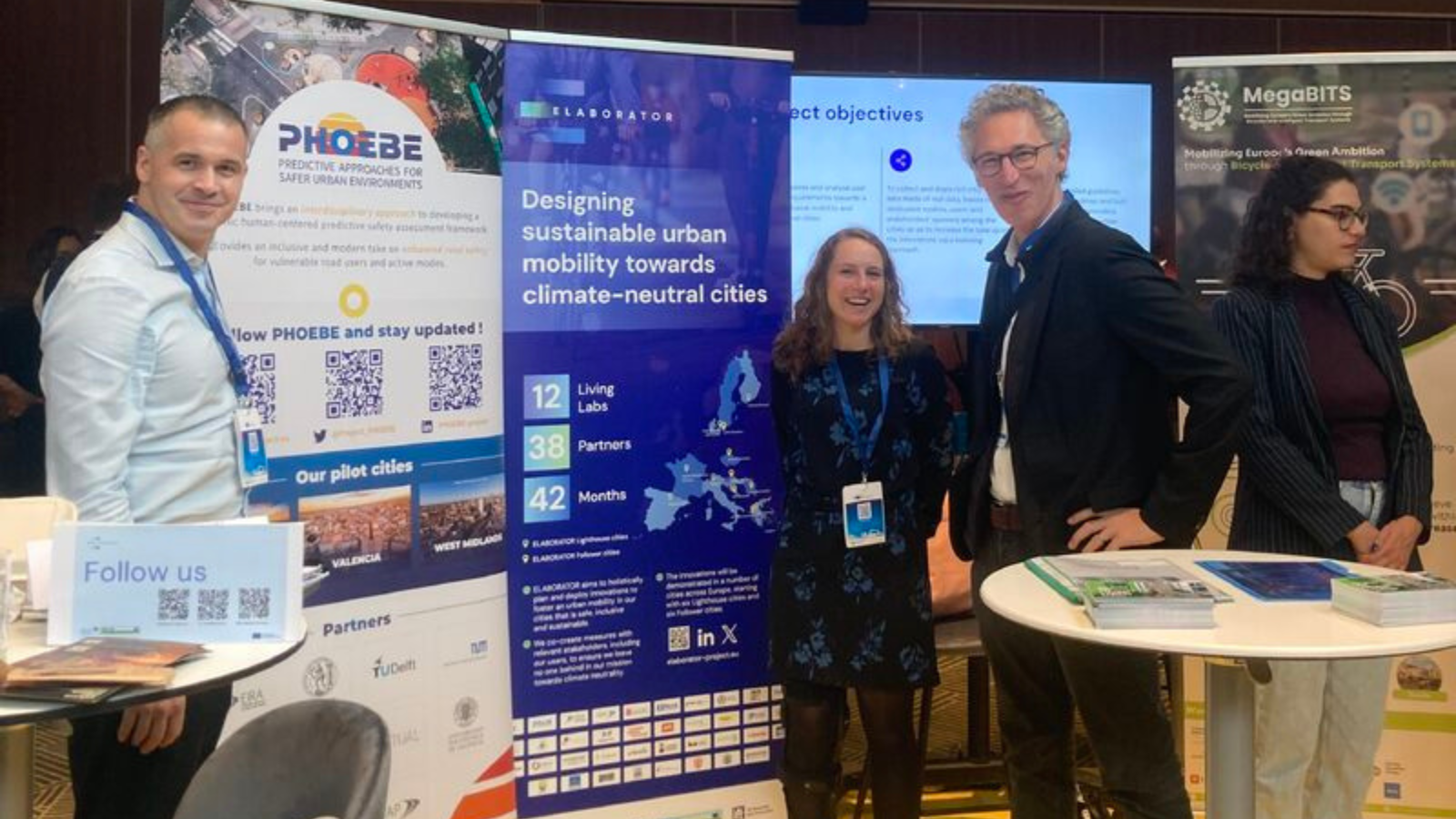
iRAP Technical Director James Bradford and Andreia Lopes Azevedo (POLIS Network) plus others at Urban Mobility Days 2025
About PHOEBE
The PHOEBE consortium brings together a unique and diverse team with the established track record of delivering highly innovative and evidence-based European Commission projects and solutions. By connecting the models and methods of iRAP and Aimsun, and by using the stakeholder networks of POLIS and EIRA, the technology and big data skills of The Floow, Factual Consulting, and OSeven and the human behaviour, mode shift and policy and socioeconomic analysis skills of the University partners (NTU Athens, TU Delft, TU Munich and UP Valencia), PHOEBE is delivering on the expected outcomes and support “safe, seamless, smart, inclusive, resilient and sustainable mobility systems for people and goods” and save lives. The PHOEBE Project is funded by the Horizon Europe under grant agreement No. 101076963. UK participants are supported by UKRI grant numbers 10038897 (iRAP) and 10056912 (The Floow).

 English
  Português do Brasil
  Français
  Tiếng Việt
  Русский
  Español de Colombia
  Nederlands