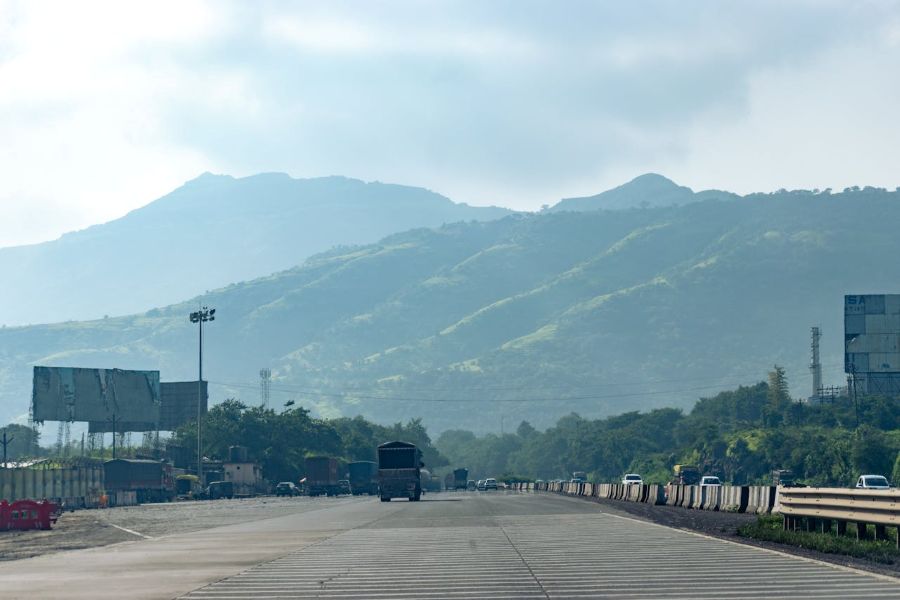
The Asian Development Bank (ADB) has approved a US$400 million results-based lending (RBL) program to help the state of Maharashtra develop climate-resilient, low-carbon, safe, and inclusive road networks, with a particular focus on enhancing connectivity for rural communities.
The Maharashtra Roads Connectivity for Inclusive Growth Program will improve all-weather road connectivity in 34 districts, particularly in the climate-vulnerable and economically lagging Marathwada and Vidarbha regions, linking rural communities to markets, logistics hubs, health care, education, and other essential services. Over 1.7 million people living within walking distance of improved roads will benefit, including residents of at least 80 villages and around 410 rural communities. These upgrades cover nearly 350 kilometres (km) of state highways and 2,577 km of rural roads.
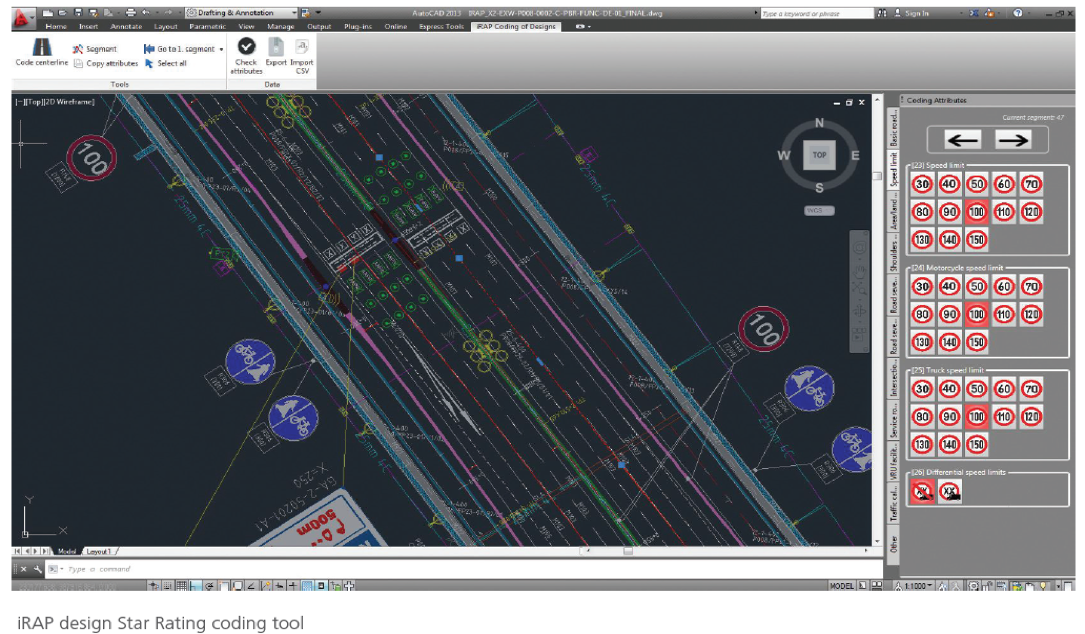
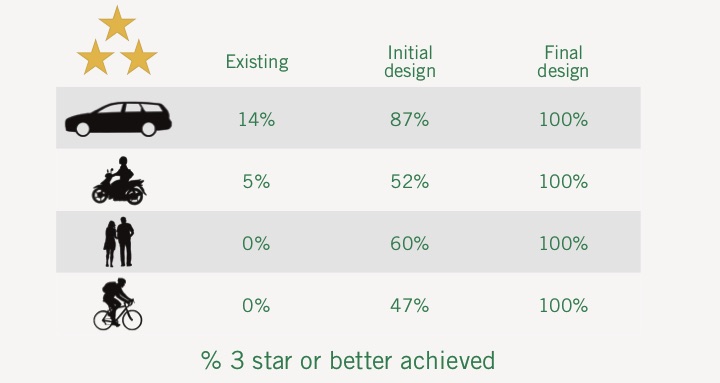
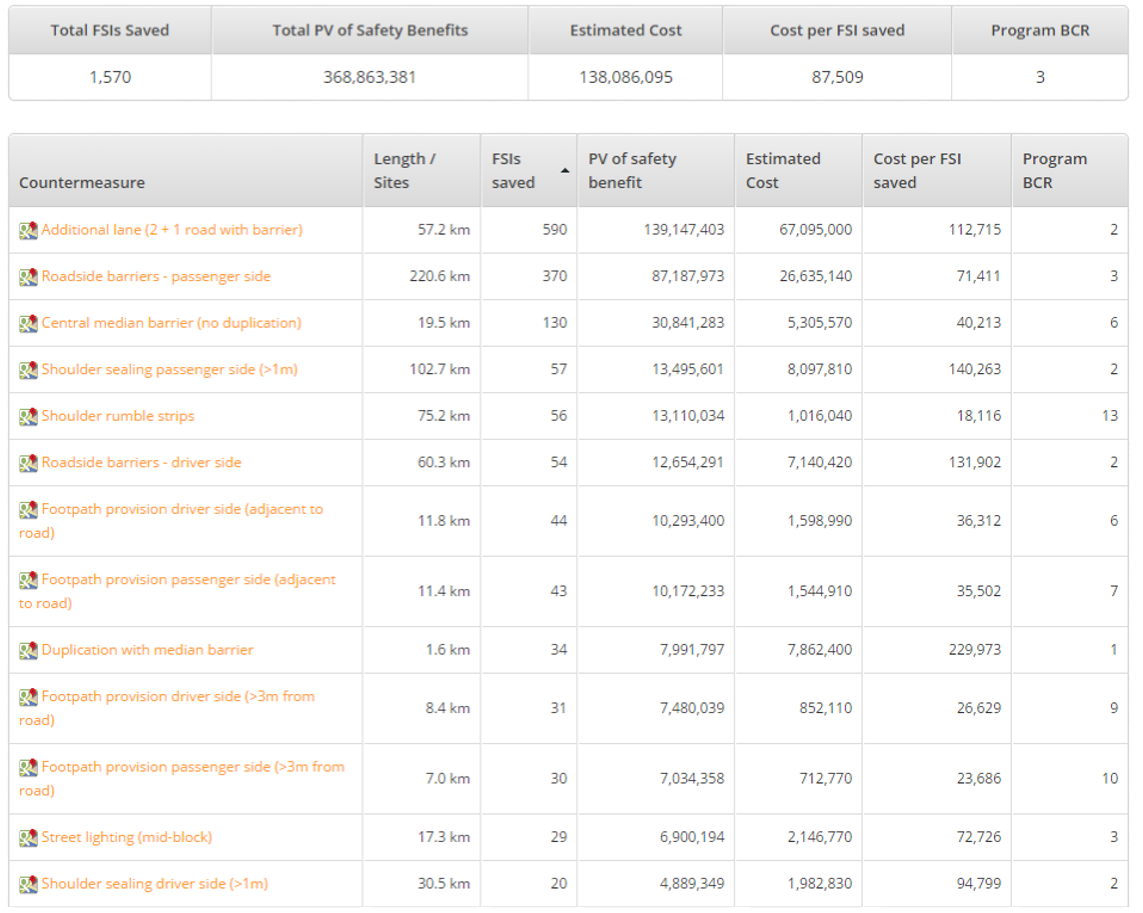
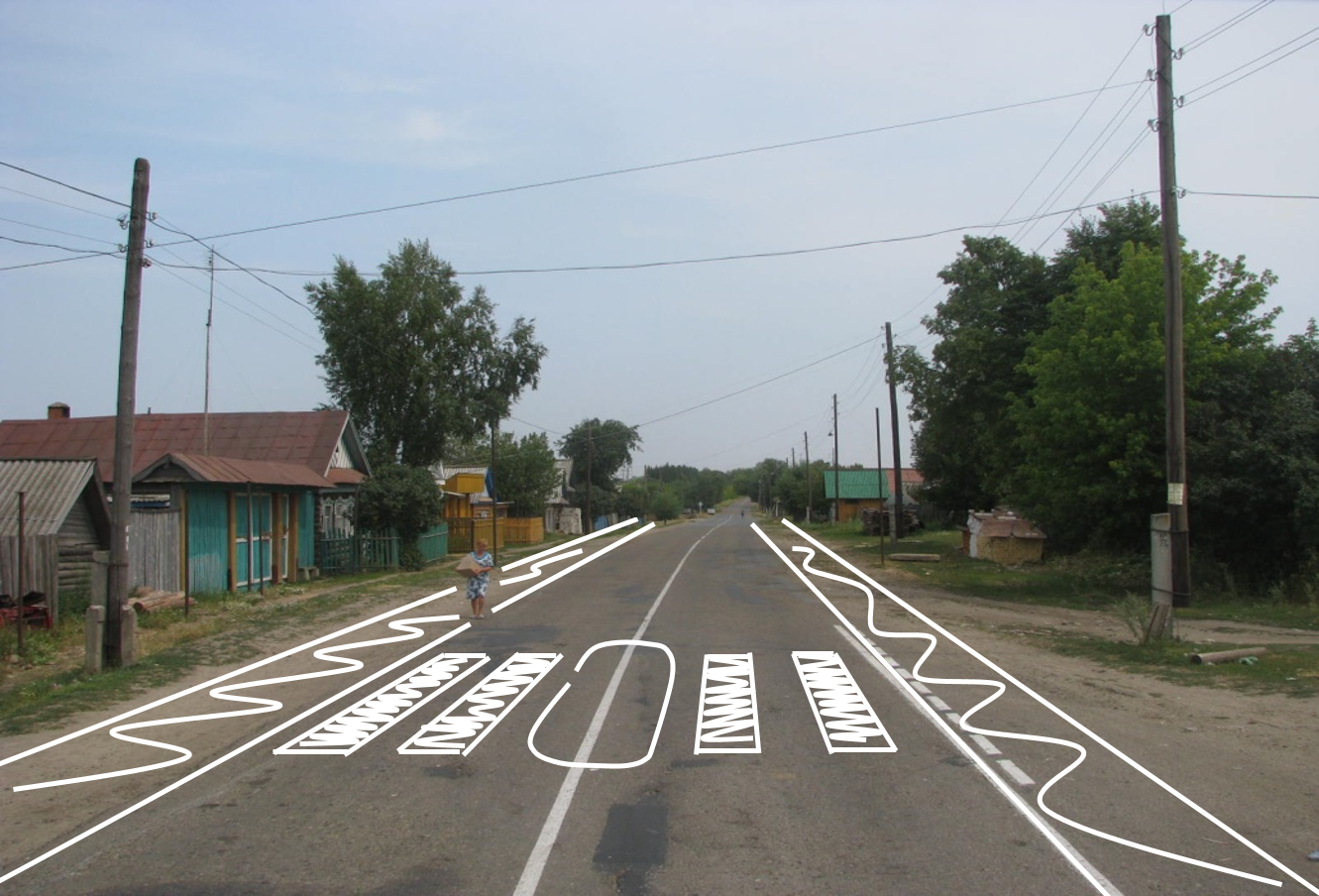
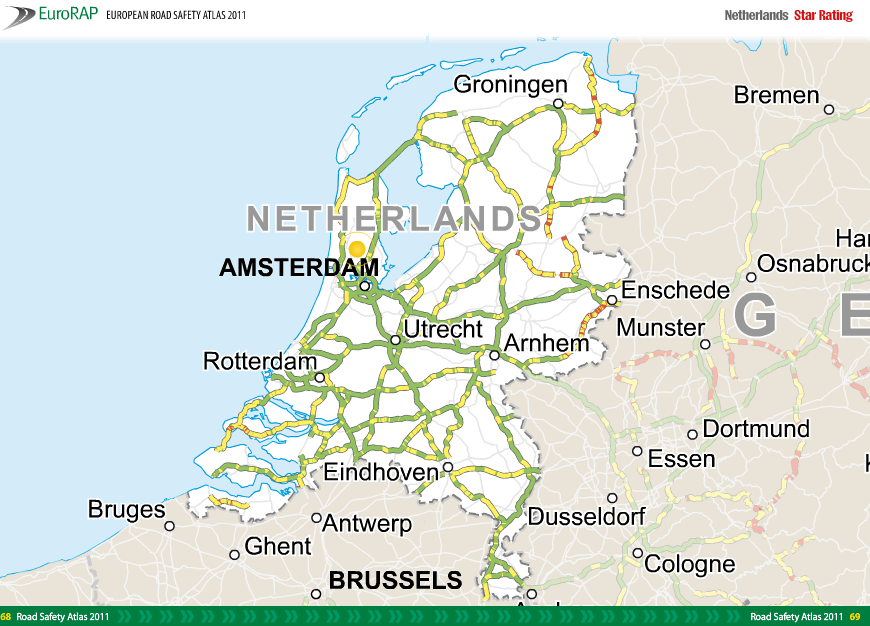
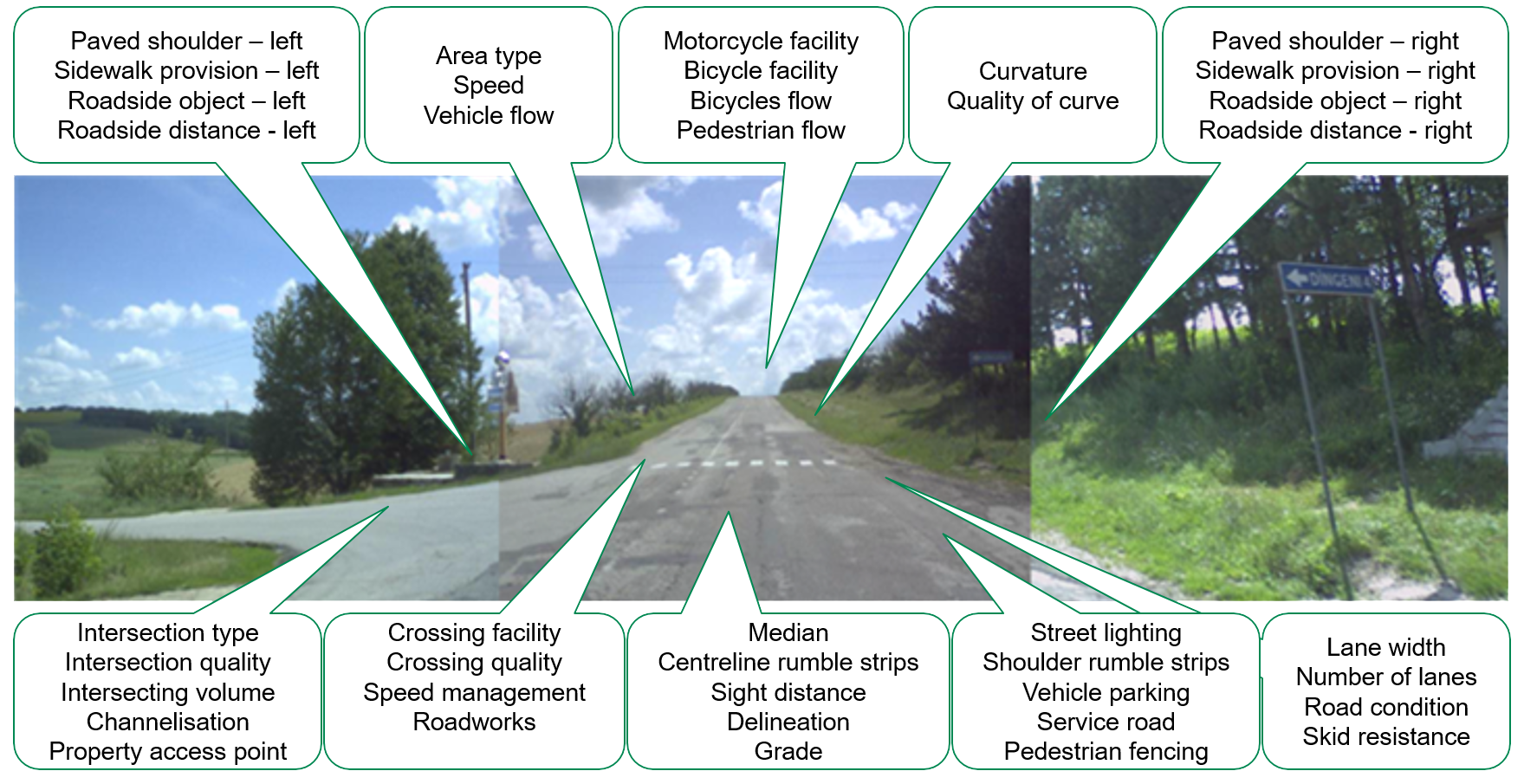
The program will strengthen road safety management using the International Road Assessment Programme (iRAP) methodology and the safe systems approach. It will support safer road designs and treatments, including school and village gateway improvements, while building institutional capacity and training at least 120 engineers in road safety.
“The program seeks to foster balanced and inclusive economic growth in Maharashtra by improving road connectivity to rural villages, post-harvest centres, and essential social services,” said ADB Country Director for India Mio Oka. “Building on lessons from ADB’s previous road projects in the state, it introduces stronger provisions for road maintenance and safety, climate- and disaster-resilient infrastructure, adoption of advanced technologies, and expanded gender mainstreaming.”
Using a programmatic approach, the initiative will enhance rural connectivity comprehensively by developing state highways, major district roads, and rural road networks as an integrated component of rural development. The RBL modality allows the implementing agencies to pool resources and align efforts toward shared results, ensuring coordinated development assistance and common targets.
The program will also promote gender equality by establishing gender and safeguards units within implementing agencies, providing business spaces and nontraditional skills training for women, and funding stipend-based internship programs for at least 100 young women.
The RBL operation will further support the development of modern road and bridge information and asset management systems for the implementing agencies. These systems will incorporate multi-hazard climate and disaster risk assessments and guide long-term, lifecycle-based maintenance planning.
Article credit: ADB | Image credit: Shivam, Pexels

 English
  Português do Brasil
  Français
  Tiếng Việt
  Русский
  Español de Colombia
  Nederlands