
The World Bank and Global Road Safety Facility (GRSF) have been leaders in making use of the freely available iRAP methodology and tools to support road safety with countries around the world.
iRAP has a long history of partnership with the World Bank and GRSF. Since inception in 2006, GRSF has achieved the following milestones:

World Bank and GRSF use of the iRAP methodology and tools are reflected in two recent reports: Financing Road Safety: Catalyzing the Sustainable Finance Market to Bridge the Gap Report. and the GRSF 2024 Annual Report.
Financing Road Safety: Catalyzing the Sustainable Finance Market to Bridge the Gap
This report identifies the critical need for enhanced and efficient funding mechanisms for road safety in low- and middle-income countries, and points out that private financing can expand the funding availability and ensure that road safety projects are prioritized.
As commercial and investment banks and institutional investors incorporate sustainable development goals and climate objectives into their strategies, they focus more on financial instruments that offer investment returns while promoting sustainability.
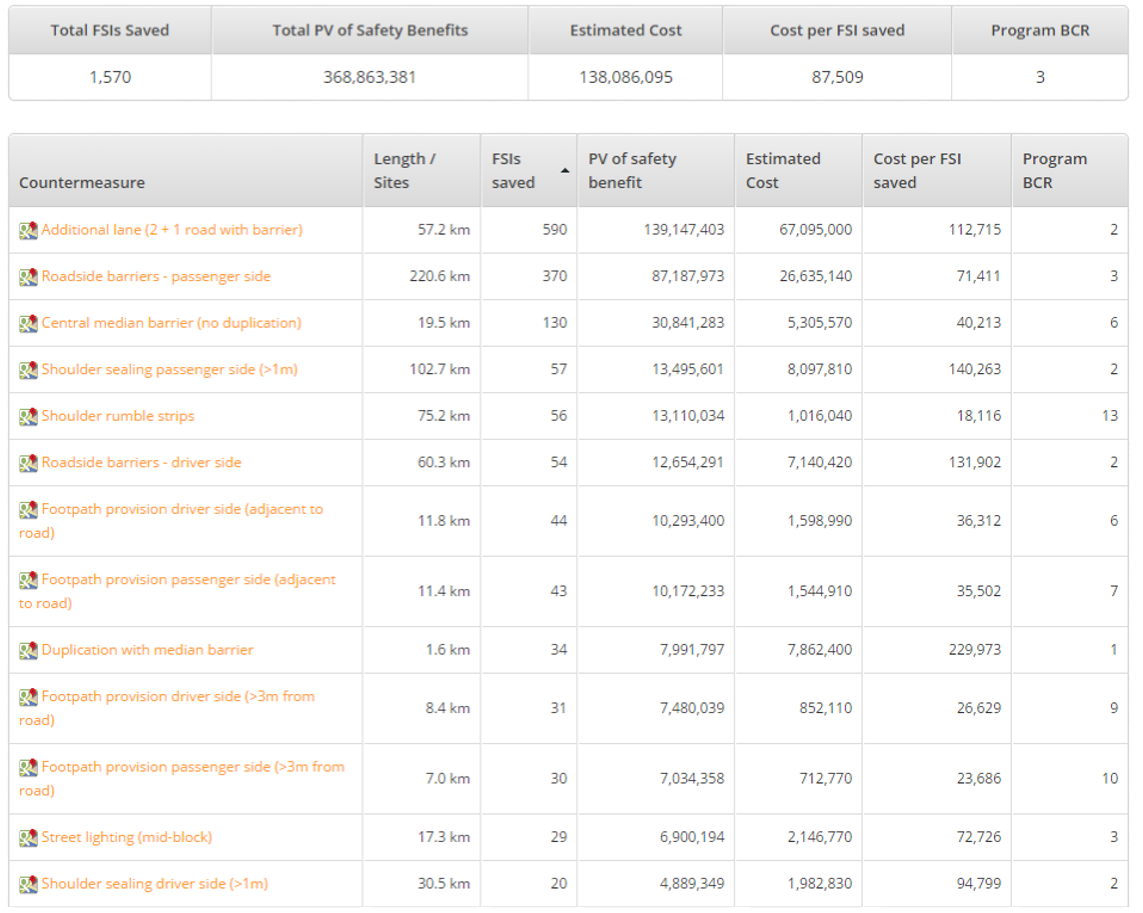
This report sets out a series of Eligible Use of Proceeds (UoP) for Green / Social / Sustainability bonds and loans, including use of the iRAP methodology which can be used to guide and measure the safety of infrastructure.
These UoP align with the voluntary principles and guidance published by the International Capital Market Association (ICMA), the Loan Market Association (LMA) and the Loan Syndications and Trading Association (LSTA), offering pathways for borrowers to mobilize private finance and attract new participants including pension funds and institutional investors.
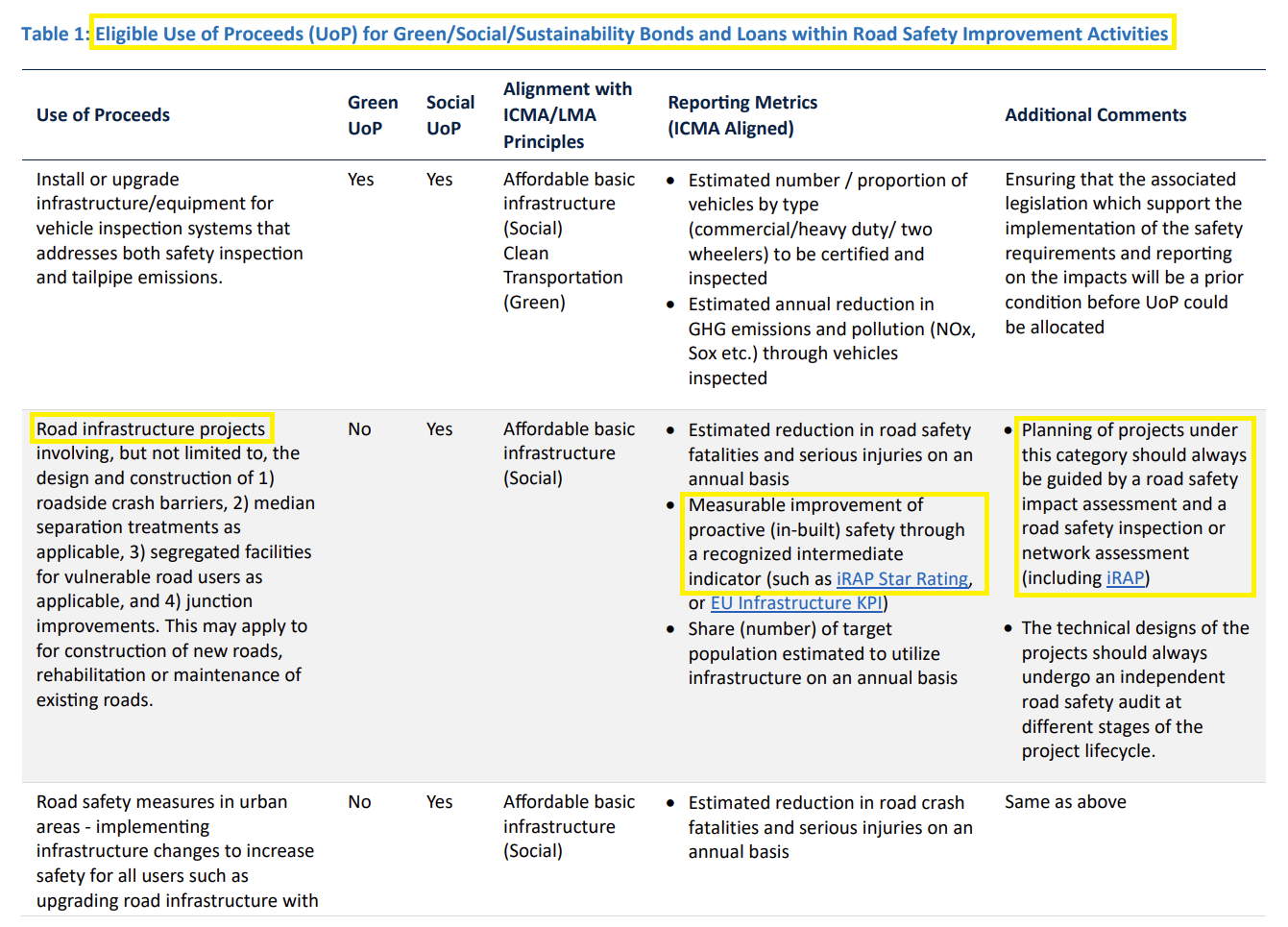
Image credit: Financing Road Safety: Catalyzing the Sustainable Finance Market to Bridge the Gap Report. and the GRSF 2024 Annual Report.
2024 Impact
During 2024, GRSF funded road safety assessments and audits in six countries, with a combined road length of 23,500km. iRAP projects included (Text credit: 2024 GRSF Annual Report):
Colombia – 22,000km of road safety analysis to inform improvements
In partnership with the Inter-American Development Bank, GRSF supported Colombia’s National Road Safety Agency (ANSV) to assess ~22,000 km of primary and secondary roads throughout the country in 2023 using the iRAP methodology. A detailed report was drafted in 2024, which included analysis of the Star Ratings and Safer Road Investment Plans. Multiple in-person and virtual workshops were coordinated with officials from ANSV, other government agencies, and iRAP. The assessment results, and proposed interventions to enhance safety for all road users, are expected to significantly advance the government’s efforts to design safer road infrastructure nationwide.
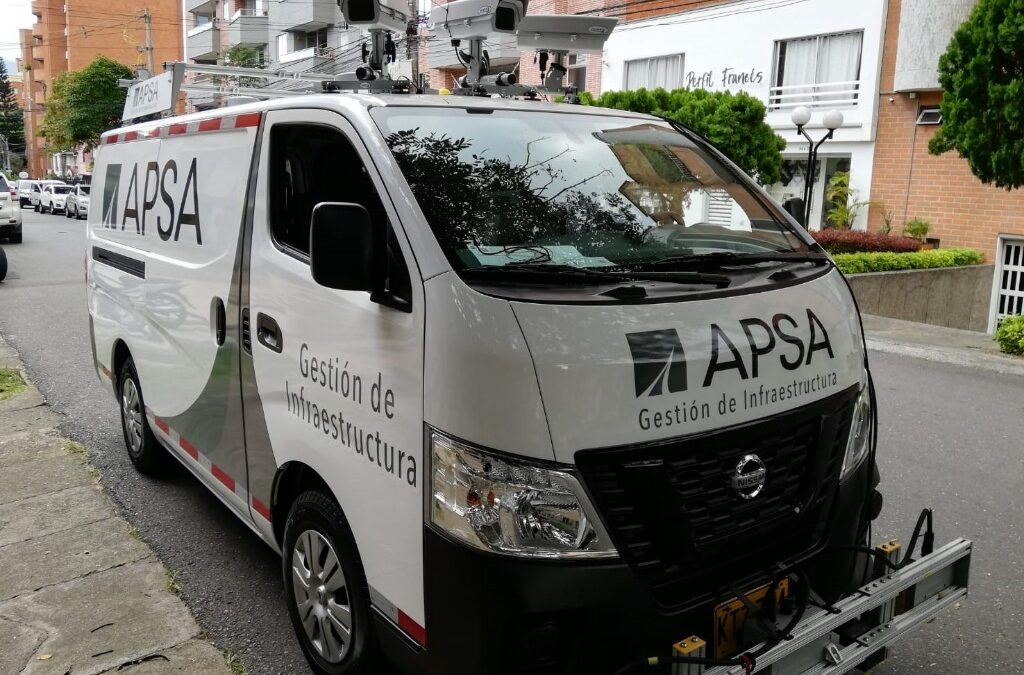
iRAP Colombia assessment vehicle prepares to hit the road. Survey led by Accredited Practitioners APSA (credit iRAP)

iRAP Road Safety Engineer Gabriel Guevara presents the iRAP assessment results for Colombia at a workshop in August 2023 (credit GRSF)
India – Tamil Nadu and Uttar Pradesh Road Upgrades
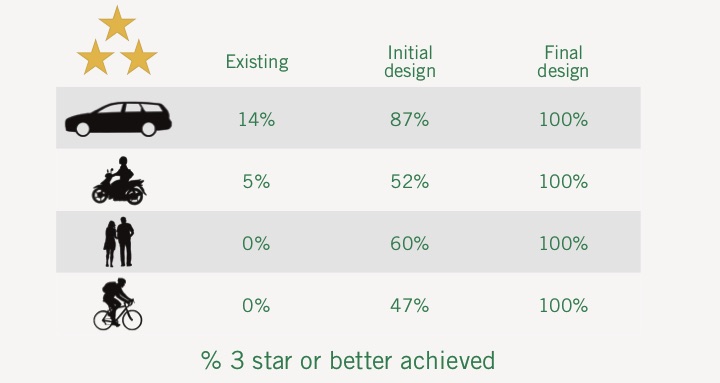
Last year GRSF funded post-construction iRAP assessments on 562 km of roads in the Indian states of Tamil Nadu and Uttar Pradesh that were upgraded in World Bank-financed investment projects. These roads were previously evaluated by iRAP during the project preparation phase, allowing for direct pre- and postconstruction comparisons. The assessments confirmed the effectiveness of the project’s design improvements on the ground, showing significant advancements in road safety. In Tamil Nadu, the proportion of roads rated 3 stars or better for vehicle occupants rose from 22 percent to 89 percent, while in Uttar Pradesh, this rating improved from 29 percent to 91 percent, highlighting substantial gains in design quality and road user safety.
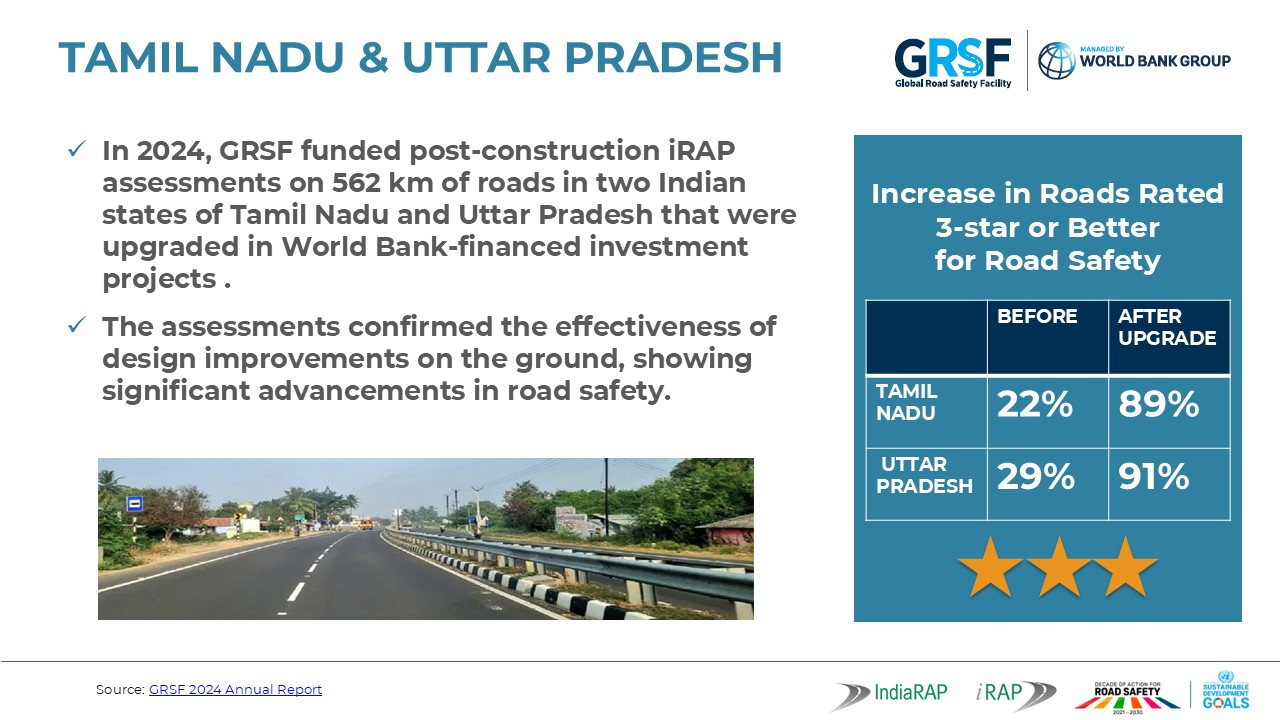
Image credit: iRAP
India – Improving School Zone Safety in Maharashtra
School zone safety is critical to protecting young pedestrians and creating safer routes for children traveling to and from school. In 2023, GRSF funded iRAP safety assessments for 660 km of roads around the city of Nashik in the Indian state of Maharashtra. The assessments found a high level of risk on the entire road network for all road users and especially for pedestrians, mainly due to high vehicle speeds, poor road delineation, and lack of facilities for vulnerable road users such as pedestrian crossings.
Following the iRAP assessment, GRSF partnered with the Global Designing Cities Initiative (GDCI) in 2024 to undertake road safety assessments around specific school zones in Nashik. Assessments on two pilot schools were conducted, with the intention to recommend a comprehensive set of road safety improvements for 10 selected schools in Nashik. The final report, containing key findings, full assessment results, and design recommendations, will be submitted to the Commissioner of the Nashik Municipal Corporation in early 2025.
The next step is to work with GDCI on the implementation of the safety recommendations based on the assessments of the two pilot schools, with local authorities planning to scale up this effort to the eight remaining schools. This initiative is a significant step toward creating a safer environment for children, and contributes to broader efforts to enhance pedestrian safety in urban areas.
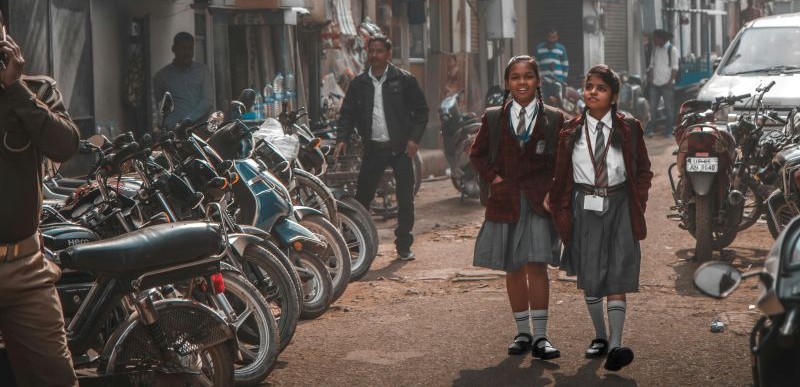
Image credit: Peter Chirkov, Pexels
Kenya – Building Road Infrastructure Safety Management Skills
Partnering with the Kenya Highway Authority, Kenya Urban Roads Authority, and Kenya Rural Roads Authority, GRSF funded a 697 km baseline road network assessment throughout Kenya. A dissemination workshop was conducted in November 2023. The three-day session in Nairobi hosted 34 professionals from various agencies, including Kenya’s Road Authorities, the National Transport and Safety Authority, and the Kenya Roads Board. The primary focus was to enhance the capacity of local stakeholders in conducting road infrastructure safety assessments and to facilitate the transfer of knowledge gained from completed assessments.
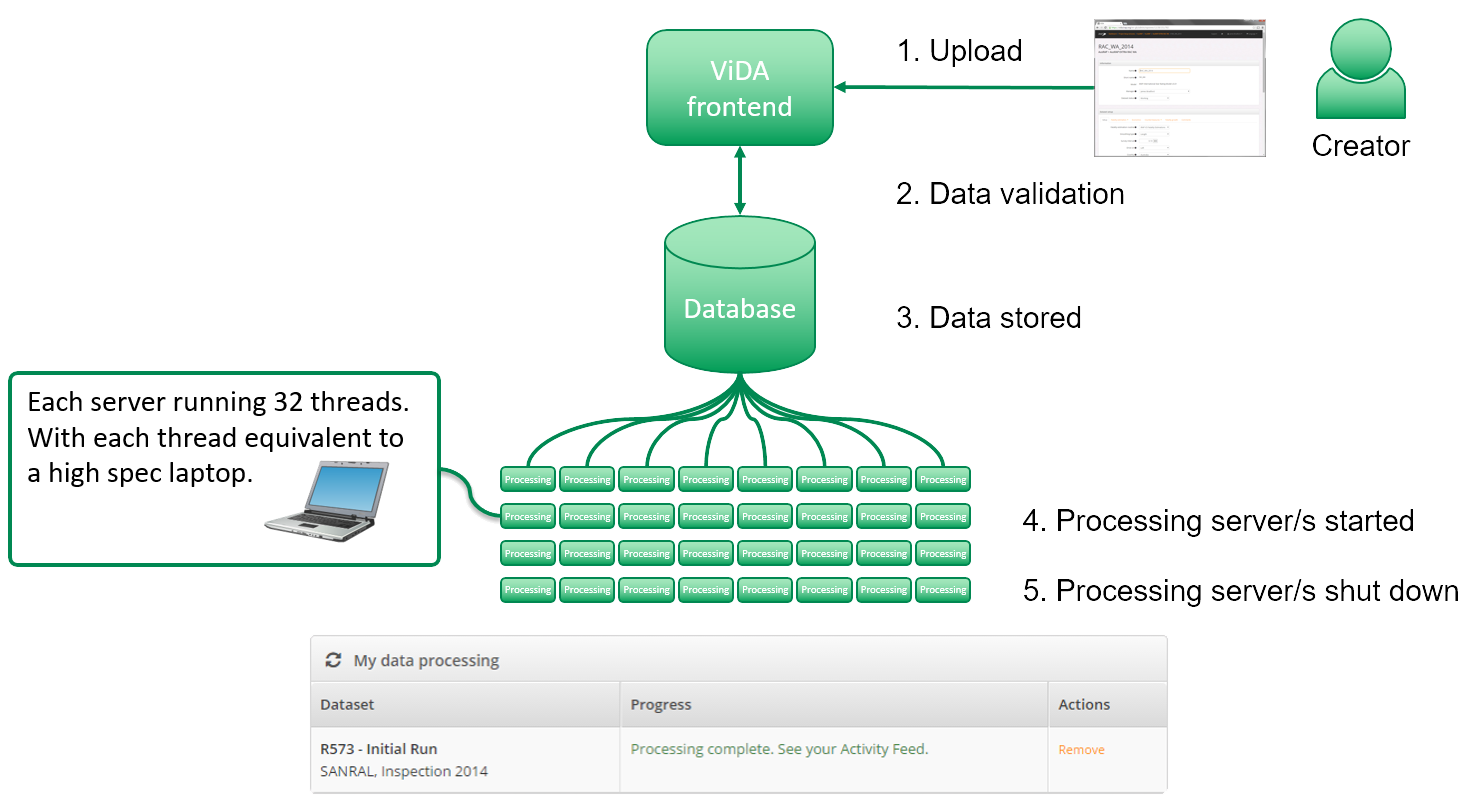
The training built upon a comprehensive online workshop conducted in May 2023, which focused on iRAP methodologies including Star Ratings, and the use of iRAP’s ViDA software.
During the training, participants had the opportunity to engage in hands-on activities, including field visits, to learn about speed and “free flow” data collection methods. Throughout the course, trainers highlighted the importance of “Safe System” design principles, as well as the integration of safety assessments with road asset management practices.
The assessment directly informed the National Road Safety Action Plan 2024-2028 released last year which includes iRAP as a metric for infrastructure safety. The Action Plan outlines for a rolling set of iRAP assessments to be undertaken of Class A, B and C paved roads, and major urban road networks in Nairobi, Mombasa, Kisumu, Eldoret, and Nakuru, to identify high-risk road sections.
This will provide feedback on progress made on the Northern Corridor since the last iRAP survey in 2009 and provide critical and current insight into the safety of all road users, particularly vulnerable pedestrians and motorcyclists. Safer Road Investment Plans will be developed to prioritise evidence-based safety improvements and inform road authority projects.
Beyond the Reports
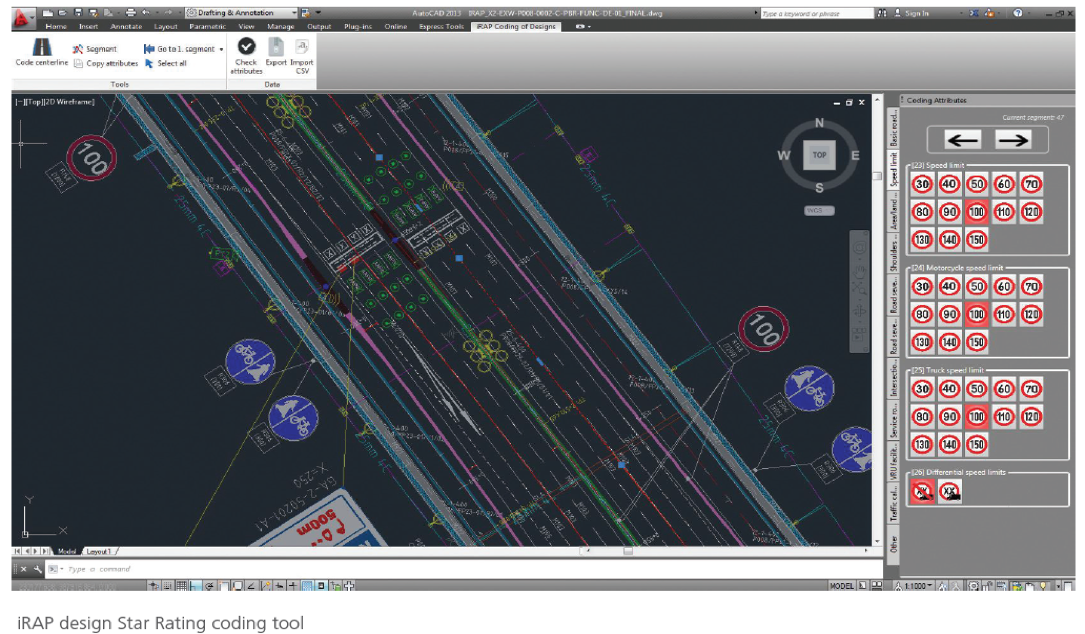
In addition to building capacity, undertaking road safety assessments and funding vitally needed road safety upgrades, GRSF has also contributed to the development of new technologies, informed by the iRAP Methodology, such as the Star Rating for Designs Web App.
GRSF projects have contributed to the prevention of almost 700,000 deaths and serious injuries in 74 countries between 2016 and 2024, thanks to partners’ use of the iRAP methodology to inform road safety infrastructure changes and safer speeds. The finding was announced in May last year at a special online event: The Story Behind the Numbers. Hear Dipan Bose, Senior Transport Specialist share the success of World Bank and iRAP’s Collaboration and a Case Study of Success in Karnataka here (from 36:16 – 42:07).

 English
  Português do Brasil
  Français
  Tiếng Việt
  Русский
  Español de Colombia
  Nederlands