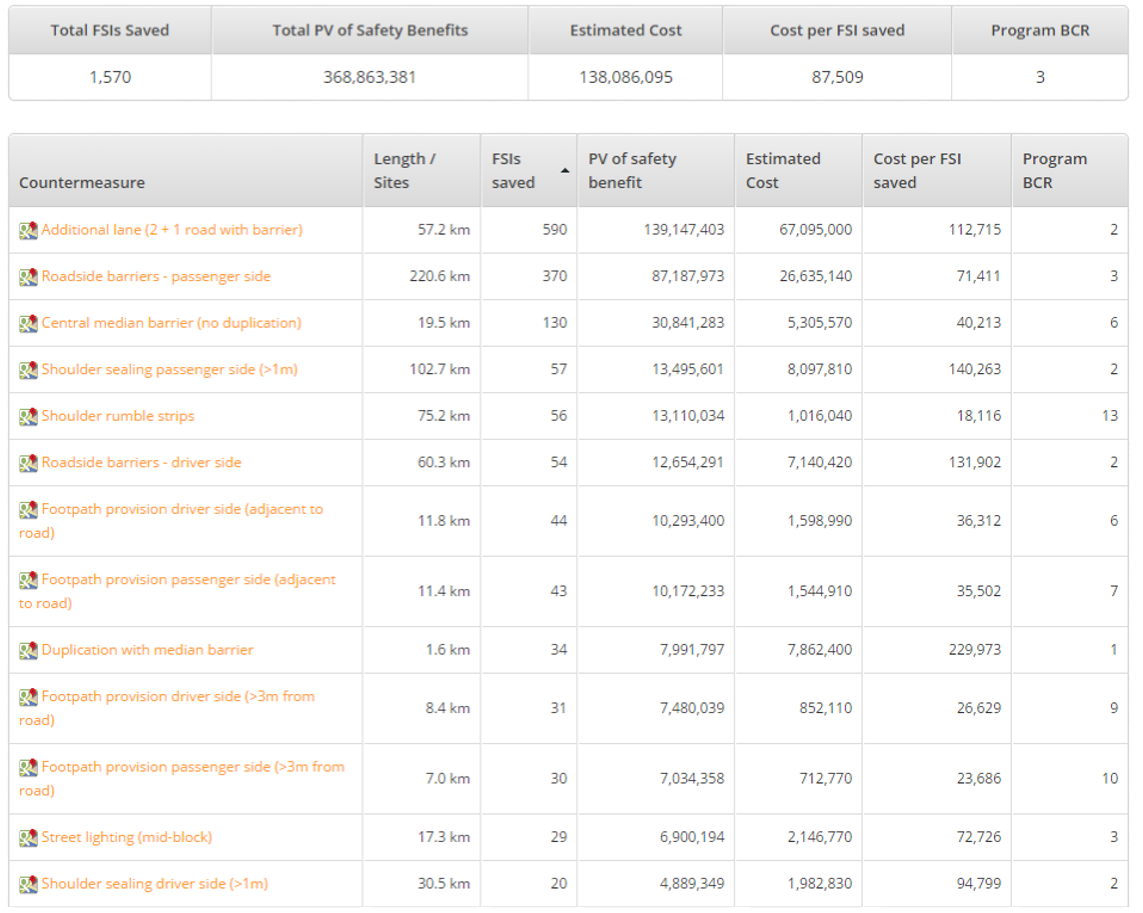
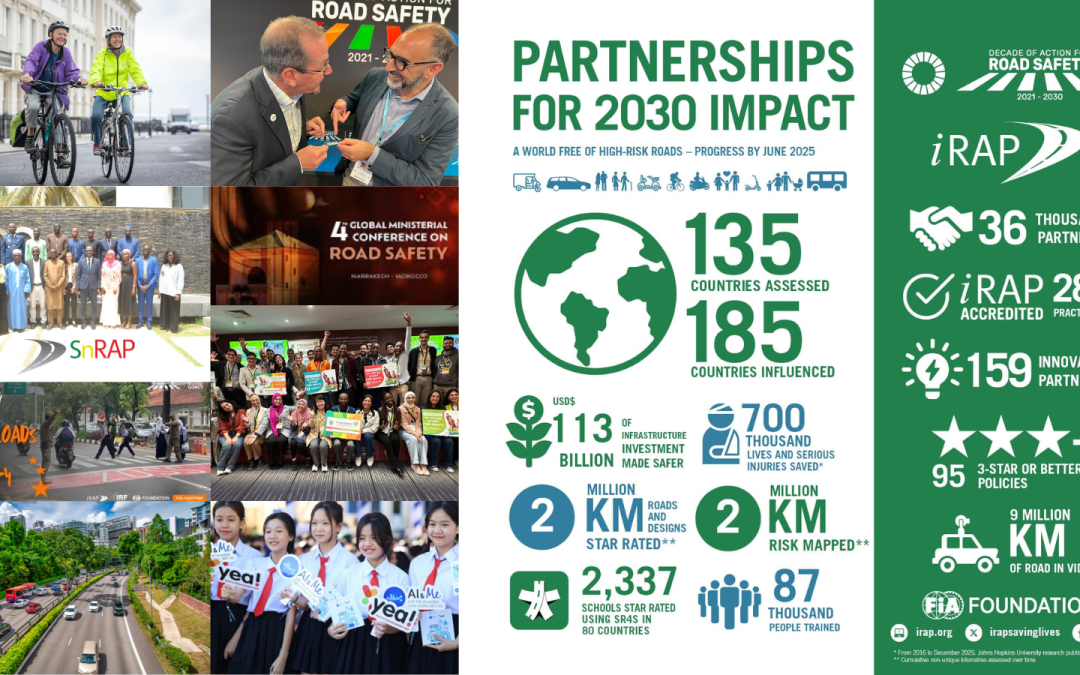
Our latest programme metrics highlight the lifesaving impact of iRAP partnerships for safer roads – the saving of more than 700,000 lives and serious injuries since 2016, over 4 million km of road safety assessments in 135 countries influencing the safety of USD$113 billion of infrastructure investment, and 87,000 people trained.
Twice a year, in June and December, we prepare a comprehensive analysis of partner activity across the globe to quantify impact, celebrate success and guide next steps across the world.
The results as at 30 June are, as always, so inspiring, thanks to the support of our major donor the FIA Foundation; programme supporters Global Road Safety Facility, Prudence Foundation, Aleatica Foundation, Millennium Challenge Corporation, European Investment Bank and FedEx; and incredible work from our 36,000 partners worldwide:
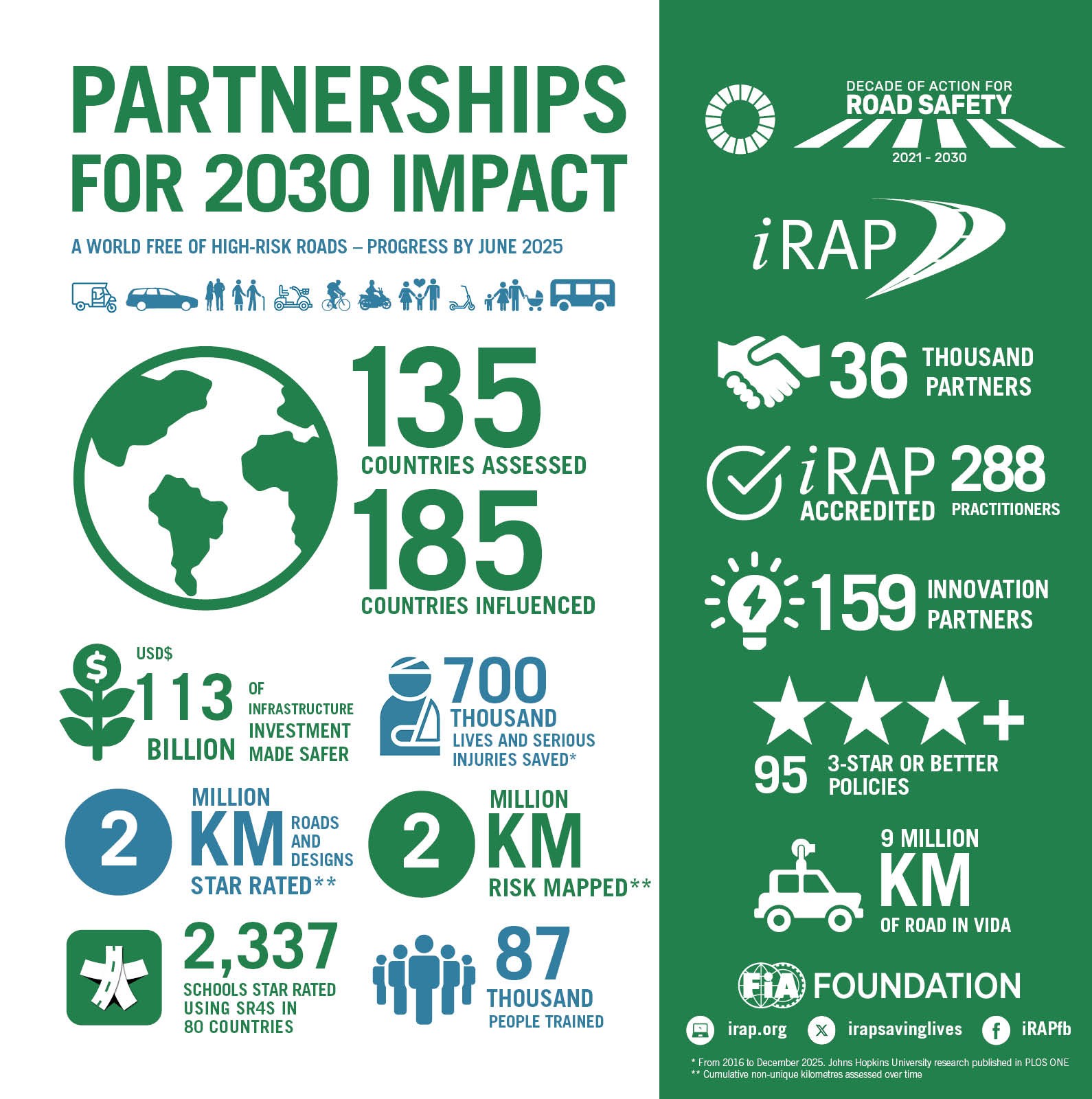
Download the iRAP Metrics Infographic in English, Portuguese or Spanish.
Highlights include:
- Research by Johns Hopkins University, published in the respected journal PLOS One, estimates that iRAP partners have prevented 700,000 deaths and serious injuries using the iRAP methodology and tools to inform road safety infrastructure changes and safer speeds between 2016 and the end of 2024.
- 2 million km of roads and designs have been Star Rated and more than 2 million km have been Crash Risk Mapped in 135 countries.
- These are helping to influence US$113 billion of safer roads upgrades for pedestrians, bicyclists, motorcyclists and vehicle occupants.
- In the last 6 months, Star Rating assessments have been conducted in 23 countries, with:
- First iRAP assessments completed in The Bahamas, Guinea and Kyrgyzstan.
- Large assessments completed in Brazil (71,486km), India (11,677km) Indonesia (9,921km) and Uruguay (4,586km).
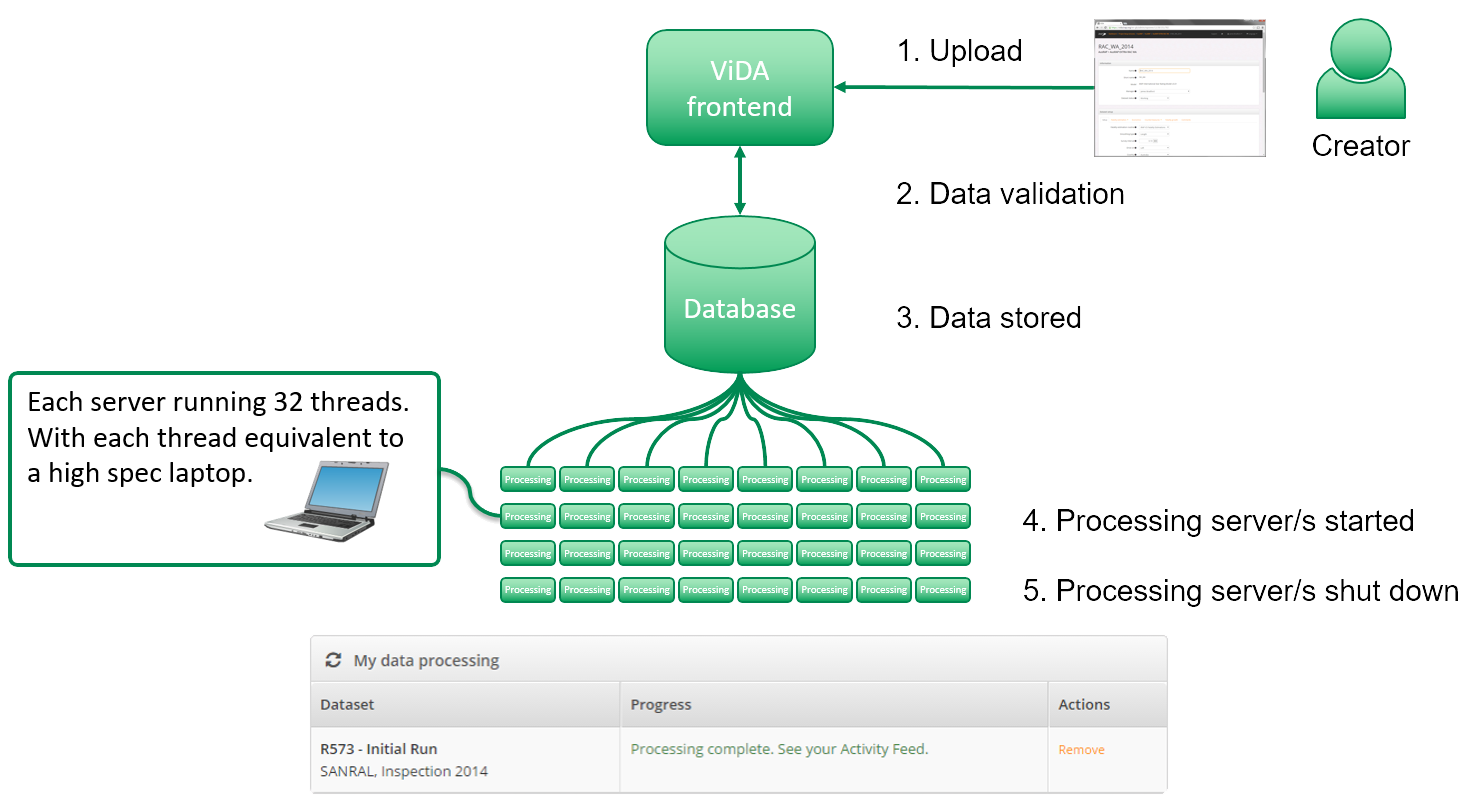
- In total, 9 million km of full Star Rating analysis and investment scenarios have now been undertaken in iRAP’s free software platform ViDA used by more than 22,145 partners.

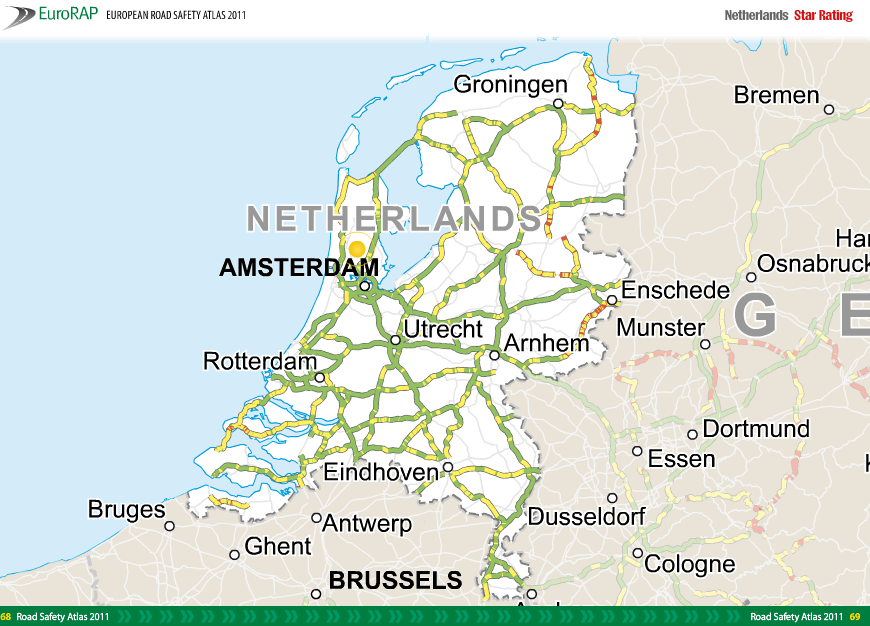
ViDA Star Rating Assessments Map (excludes Risk Mapping)
- Nearly 155,000km of Risk Mapping has been added based on annual assessments by the Reial Automobil Club de Catalunya (RACC) in Spain and the Royal Automobile of Queensland (RACQ) in Australia, helping to inform club advocacy and strategic investment planning.
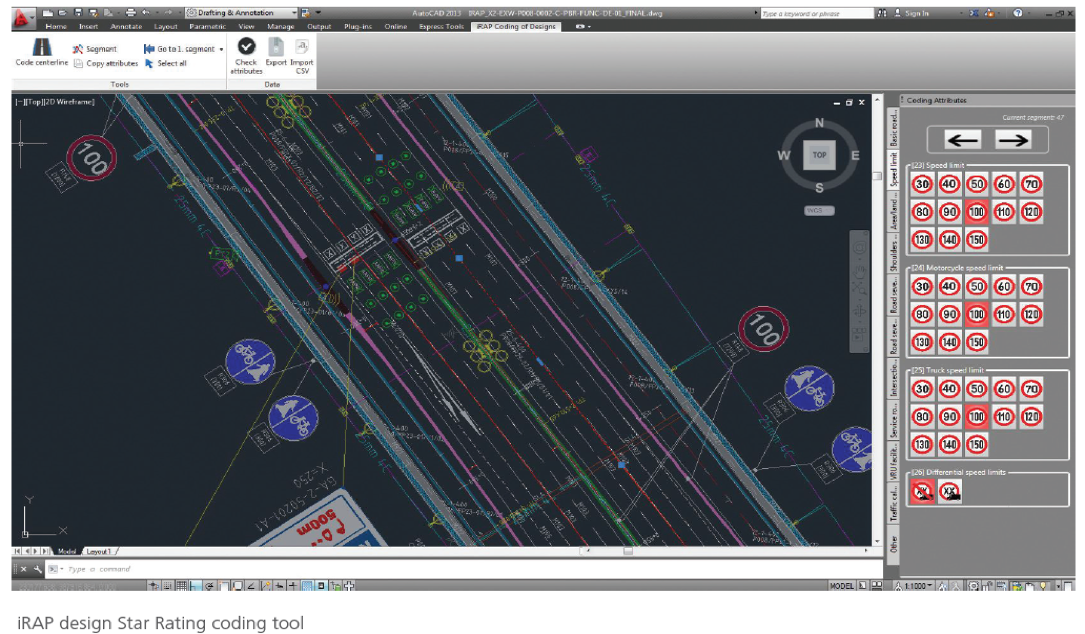
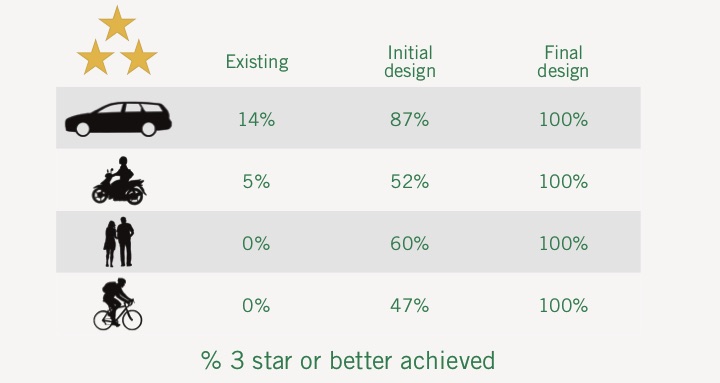
- Nearly 60,000km of designs have been Star Rated globally, with important designs analysis occurring this period in Uruguay, United Kingdom, Bahrain, Laos and Papua New Guinea. Two projects underway this period are helping to improve the safety of road design standards: the Safe and Inclusive Design in Central Asia project is helping to improve road design standards in Tajikistan, Uzbekistan and Kyrgyzstan, with the release of a Safe Road Design Guidance and potential region-wide impact; and a UN Road Safety Fund-supported Safe and Inclusive Design in Morocco, Mauritania and Senegal project is supporting safer road design in these countries. Designs are also being made safer supported by other iRAP Tools such as the Star Rating Demonstrator.
- Star Rating for Schools (SR4S) celebrated five years of inspirational partner impact in February, creating safer school journeys for children in communities world-wide. 2,337 schools have now been assessed by SR4S partners across 80 countries, positively impacting the safety of an estimated 495,305 students. Large-scale assessments were completed this period in Saudi Arabia (193 schools) and Turkiye (48 schools), and first assessments were conducted in Bahrain, Kyrgyzstan, Guinea and Romania. Saudi Arabia leads the world with the highest number of schools assessed (321 schools assessed in the last 12 months), followed by Vietnam (276), Philippines (256), India (131), Uruguay (134) and India (133). The Youth Engagement App (YEA), developed as part of the Botnar Ai&Me project has been highly successful in capturing youth perceptions of risk, with 20,000 pins marking where children feel safe and unsafe on their journey to school, supporting SR4S results. YEA pilot projects are now extending beyond Vietnam to Peru, South Africa and Chile. The AI&Me2 project is further leveraging Artificial Intelligence (AI), SR4S and AiRAP partnerships to big data analysis and road safety impact Vietnam-wide, funded by Google.org.
- 87,192 people have been trained in 176 countries since 2005 (adding over 11,000 people trained in the last six months). For the first time, people have received iRAP training in Andorra, Libya, Nauru, Nicaragua, Palau, Vanuatu and Venezuala. Courses have been delivered in 23 languages, with a recent addition of Indonesian. To celebrate International Women in Engineering Day on June 23, iRAP opened training grants once again to female engineers helping to build capacity and open doors to opportunity. Check out our training programme at irap.org/training/, with many courses available in online, self-paced format.
- iRAP’s Accreditation Programme is supporting 288 accredited practitioners and 18 systems in 44 countries, helping to ensure iRAP specification services are delivered to the same consistent global standard no matter where you are in the world. The last six months have seen the first accreditation of practitioners in Botswana, Jordan, Qatar and Rwanda. Client feedback forms continue to rate iRAP Accredited Practitioners with excellence – 100% of client feedback forms received this year rate practitioners’ performance as excellent or very good. Agilysis, Anditi, TomTom and Transoft are Accredited AiRAP data suppliers capable of producing data for particular attributes and regions in accordance with the iRAP Coding Manual.
- 14 trusted suppliers are supporting CycleRAP projects and the CycleRAP Demonstrator tool in five languages is aiding the quick assessment of cycling and light mobility infrastructure safety in 31 countries.
- 47 Strategic Project partnerships were supported by the iRAP team in the last six months including 19 new projects. Projects are underway or have recently been completed in 34 countries. Some other notable multi-national collaborations include: the long-term support programme partnership between iRAP and the Millennium Challenge Corporation (MCC) from 2022-2025 to stimulate safer roads progress in low- and middle-income countries; the EU-funded project PHOEBE which aims to develop an integrated, dynamic, human-centred, predictive safety assessment framework for vulnerable road users in urban areas in three pilot cities/counties of Athens, Valencia and West Midlands; the EU-funded ELABORATOR project for designing sustainable urban mobility towards climate neutral cities in 12 cities of Europe; the IVORY industrial doctorates network aiming to develop a new framework for the optimal integration of AI in road safety and involving four European universities and eight industry partners; and CAMBER (Connected and Adaptive Maintenance for Safer Urban and Secondary Roads) project in five European countries to improve safety monitoring across urban and secondary rural road networks.
- iRAP’s Innovation Framework is supporting 159 partners in projects and initiatives to create the global and local tools to meet local needs and ensure continuous improvement of the iRAP offering. Projects such as PHOEBE, ELABORATOR, CAMBER and the IVORY network are rapidly contributing to global knowledge and expertise in the fields of AI in road safety, sustainable urban mobility for climate neutral cities, road safety for vulnerable road users, and safety monitoring across urban and secondary rural road networks.
- Since June, an additional six countries published national strategies or action plans with iRAP targets for safer road infrastructure bringing the total policy sum to 94. Recent additions include the 2025 Australasian College of Road Safety (ACRS) Policy Position Statement on Infrastructure Star Rating; 2023-2030 Eswatini National Road Safety Strategy; 2025 Brunei Darussalam Road Safety Strategic Plan; 2025 Guide for Establishment of Safe School Zones in Uganda; Vietnam Safe School Zones Guide; PATH Active Travel Policy Template, 2021-2030 SSATP Performance Monitoring Framework for African Countries; and 2025 WHO Walking and Cycling Toolkit of Policy Options. See the global showcase at https://irap.org/policies-into-practice/.
- PakRAP, SnRAP and KazRAP launched, bringing our RAP count to 17. As well as supporting our established ‘x’RAP programmes, interest for new RAPs is being supported in Malawi, Kenya, Chile, Korea, Tunisia, Ethiopia, Eswatini, Jamaica, Colombia, Indonesia and Peru.
Tracking iRAP’s global programme is made possible thanks to our invaluable Partner Management System iRAP Connect, facilitated with the generous sponsorship of FedEx and the FIA Foundation.
Insights are freely shared via the iRAP Partner Portal, accessible to anyone who’d like to explore iRAP activity, news, knowledge, national data and leads, training and projects across the world. Contributions there are welcomed.
For an update on metrics and progress in your country, visit irap.org/about-us/where-we-work/. Note the table can be filtered (e.g. by region or country income level), and downloaded for printing.
For an overview of iRAP news in the last 6 months, visit irap.org/latest-news/ and to share feedback, take iRAP’s Global Partner Survey.

 English
  Português do Brasil
  Français
  Tiếng Việt
  Русский
  Español de Colombia
  Nederlands