

Members of the Roads 360° iRAP Panel
The session spotlighted how partners’ use of the iRAP methodology is supporting infrastructure risk assessment, and evidence-based investment in road upgrades and crash reduction programmes. The panellist presentations focussed on:
Luiz Guilherme, DNIT
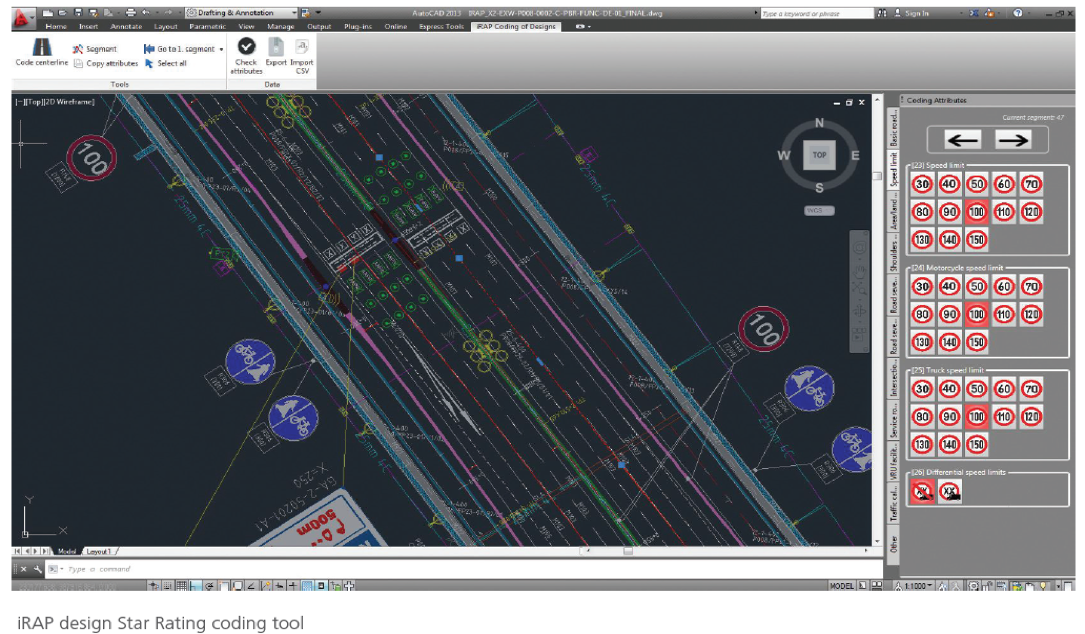
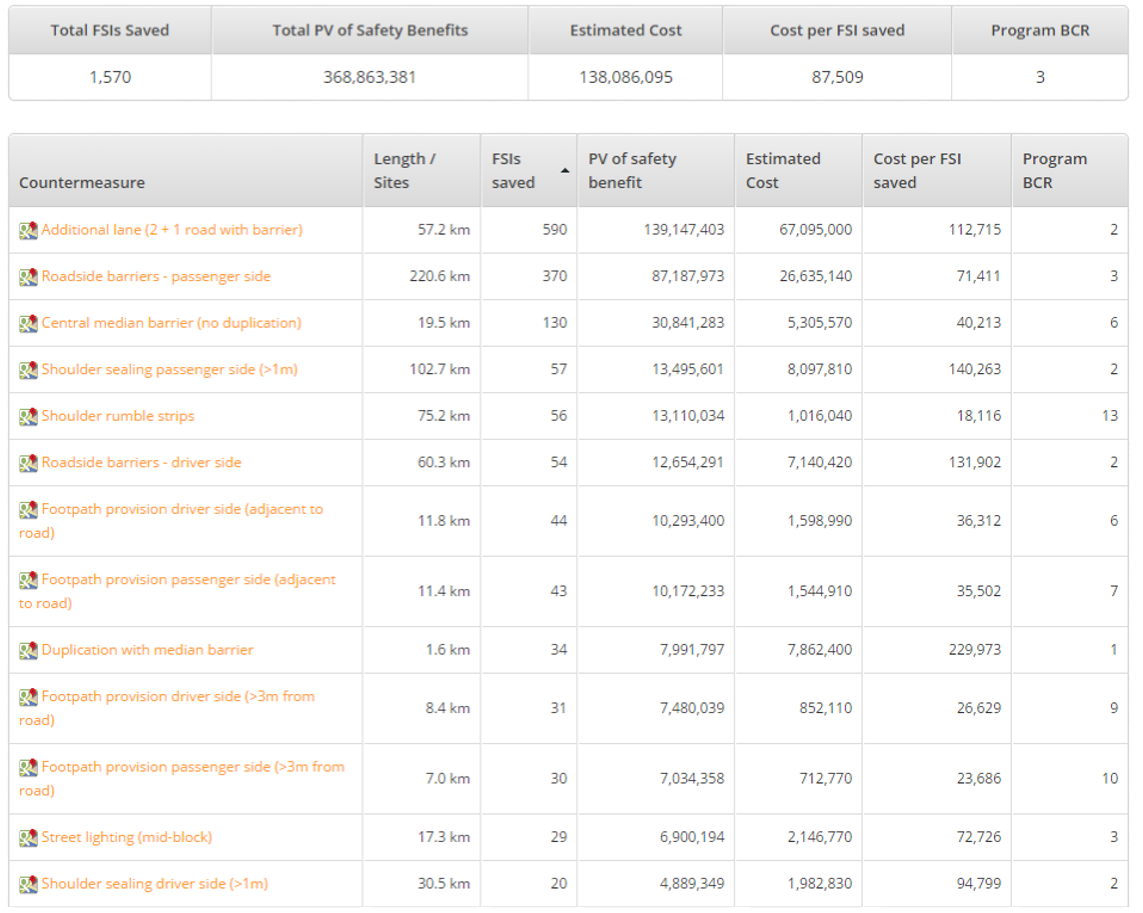
The BrazilRAP Programme was launched in November 2019 to assess the road safety of federal highways in Brazil. DNIT adopted iRAP’s methodology and in just 20 months, supported by local partners and iRAP, Star Rated the country’s extensive 57,000 km network, providing essential data to identify high-risk road segments and develop Safer Roads Investment Plans for each State that prioritised cost-effective engineering countermeasures to improve road safety. The BrazilRAP Project expects to prevent more than 150,000 serious injuries and fatalities over a 20-year period with an economic benefit of BRL 45 billion. Mr Guilherme shared progress and challenges the programme faces. DNIT was awarded the iRAP Gary Liddle Memorial Trophy in 2023, which recognises the world’s best performing road authority eliminating high-risk roads.
Sergio Codelo, DER-SP
In May 2024, the State of São Paulo partnered with iRAP through the DER, to launch the BrazilRAP São Paulo Programme – the first state-based programme of its kind in the world. The programme aims to classify the safety levels of São Paulo’s roads using the iRAP methodology and tools. The survey data are combined with information from the 2023 Road Accident Yearbook, published by the DER, to improve the São Paulo Road Safety Plan. Mr Codelo shared the main advances and challenges that the SaoPauloRAP programme is facing.
Fernando Camacho, IFC
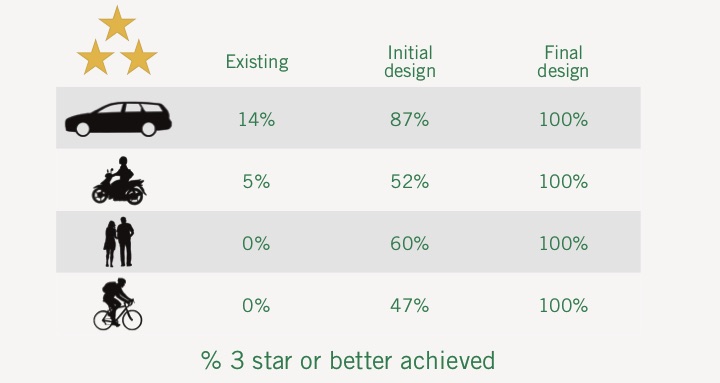
The IFC, World Bank, is the largest global development institution focused on the private sector in developing countries. In Brazil, the IFC has encouraged the use of the iRAP methodology, especially in public-private partnerships (concession projects). An excellent example is the Piracicaba-Panorama Highway (PiPa), for which the concession contract includes a road safety assessment and offers economic incentives if the company achieves target 3-star or better safety performance levels. Mr Camacho presented on the IFC experience and opportunity for Brazil to adopt and expand this model throughout the country, ensuring all concessioned highways include Key Performance Indicators for road safety.
Jaime Campos, Ministry of Works Chile
Chile’s Ministry of Public Works plays a fundamental role in the country’s development, efficiently providing and managing infrastructure projects. When it comes to roads, the Vialidad Department plays a key role, especially the Road Safety Department. To assess the safety of Chile’s road infrastructure, the Roads Department has been implementing a road assessment plan for several years, the results of which have served as input to inform the Ministry’s management. Mr Campos presented on the plan, its results, and its future implementation.
iRAP and LabTrans Exhibition Booth
The Paving Expo, covering 29,000 m² of exhibition space, showcased innovations in pavement materials, construction technologies, digital monitoring systems, sustainable infrastructure solutions, and road safety technologies.
iRAP and LabTrans hosted a booth, receiving several visits from partners and stakeholders during the two-day event to hear more about the work both organisations are doing for road safety in Brazil.
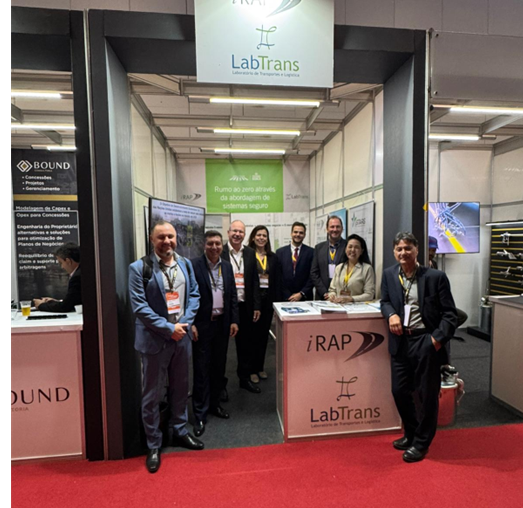
The iRAP and LabTrans team at their shared Paving 2025 booth

 English
  Português do Brasil
  Français
  Tiếng Việt
  Русский
  Español de Colombia
  Nederlands