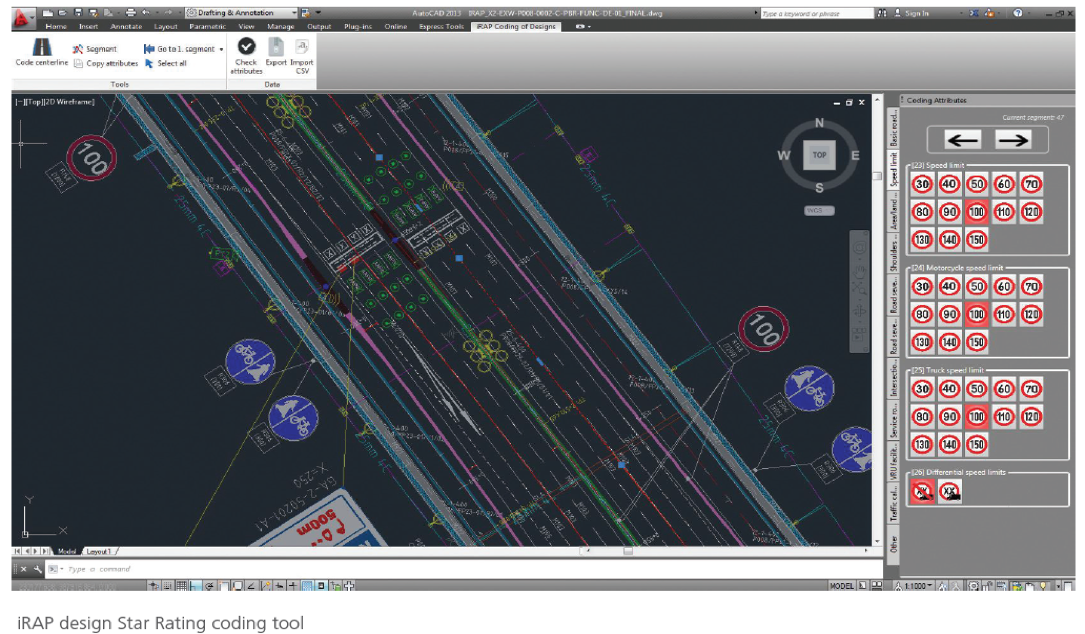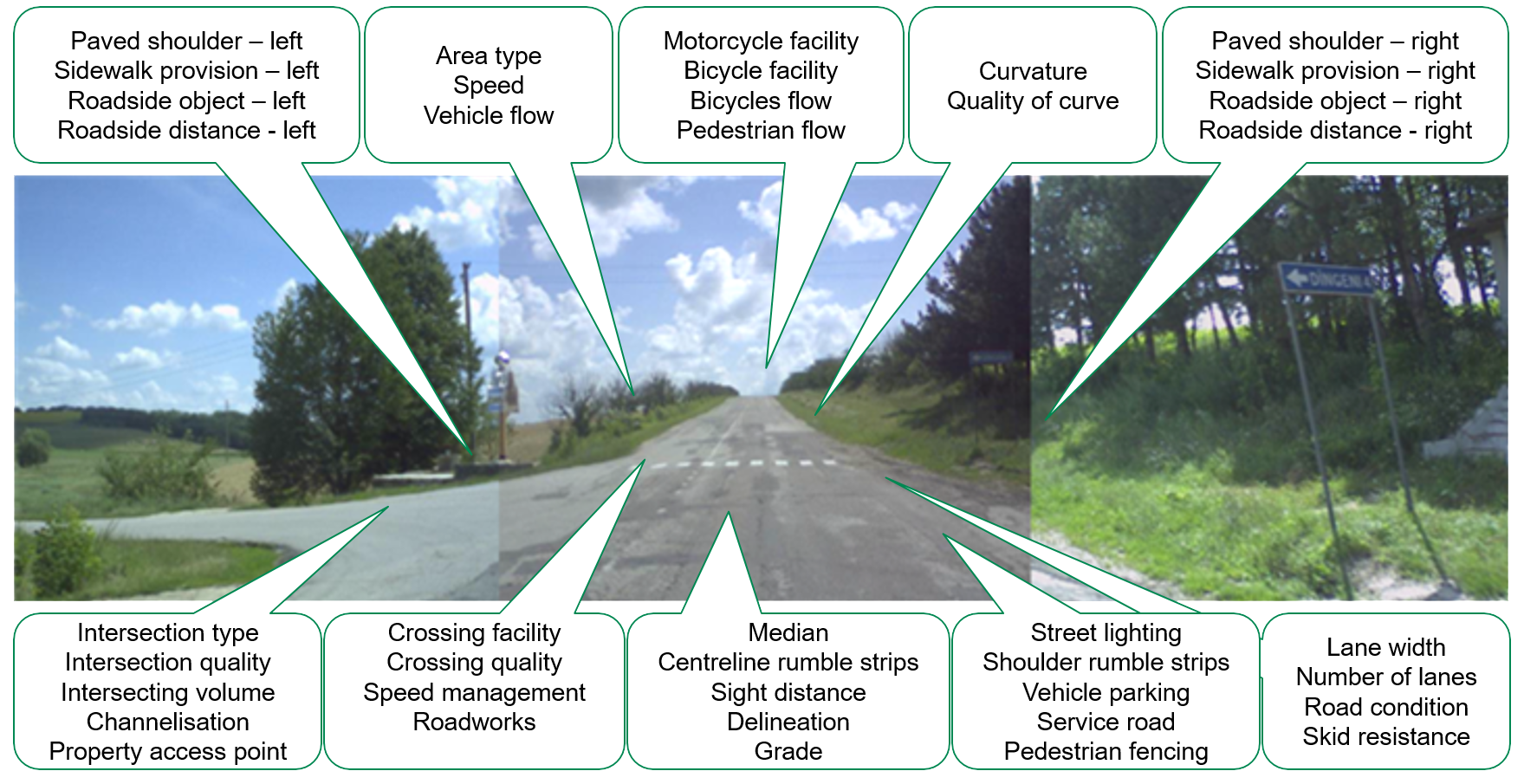
The World Road Association (PIARC) has launched a major new report titled Artificial Intelligence in the Road Sector, offering a comprehensive global assessment of how AI is being used – and can be further adopted – across all phases of road infrastructure development and management. ViaSegura in South America is profiled, part of iRAP’s AiRAP Initiative, using AI to classify road attributes based on their level of safety according the iRAP Methodology.
As AI technology rapidly transforms industries around the world, PIARC’s report explores its growing impact on the road, transport, and mobility sectors. From planning and design to construction, inspection, operations, and maintenance, the study analyses how AI is currently being applied, the benefits it is delivering, and the technical and organisational challenges it presents.
Informed by literature reviews, global surveys, expert interviews, and case studies, the report highlights key use cases where AI is already delivering measurable benefits – such as improved road safety, more efficient traffic operations and incident management, and better infrastructure assessments. However, it also flags important risks to manage.
“AI presents an unprecedented opportunity to improve safety, efficiency, and sustainability in the road sector,” said James Bradford, iRAP’s Global Technical Director. “But the right frameworks and support are needed to ensure consistency, alignment to the global infrastructure safety standard, and shared benefits for both high- and low-income countries.”
“iRAP’s AiRAP Initiative is helping to improve access to data, including advances in artificial intelligence, machine learning, vision systems, LIDAR and telematics, aligned to the iRAP Methodology. The potential of AiRAP to automate and scale road safety assessments, and target investment to improve safety for all road users, is already being proven in many countries,” he added.
Via Segura
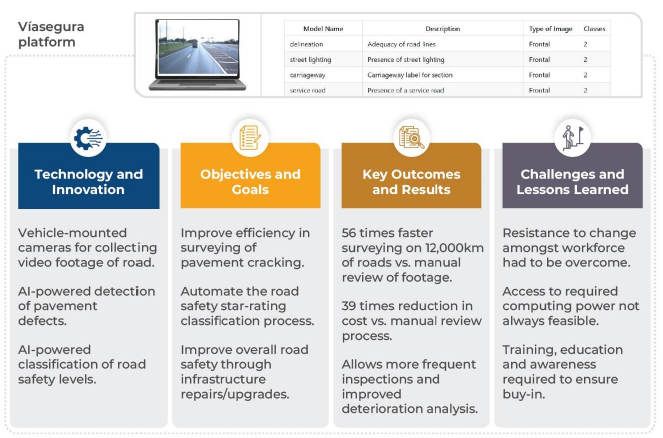
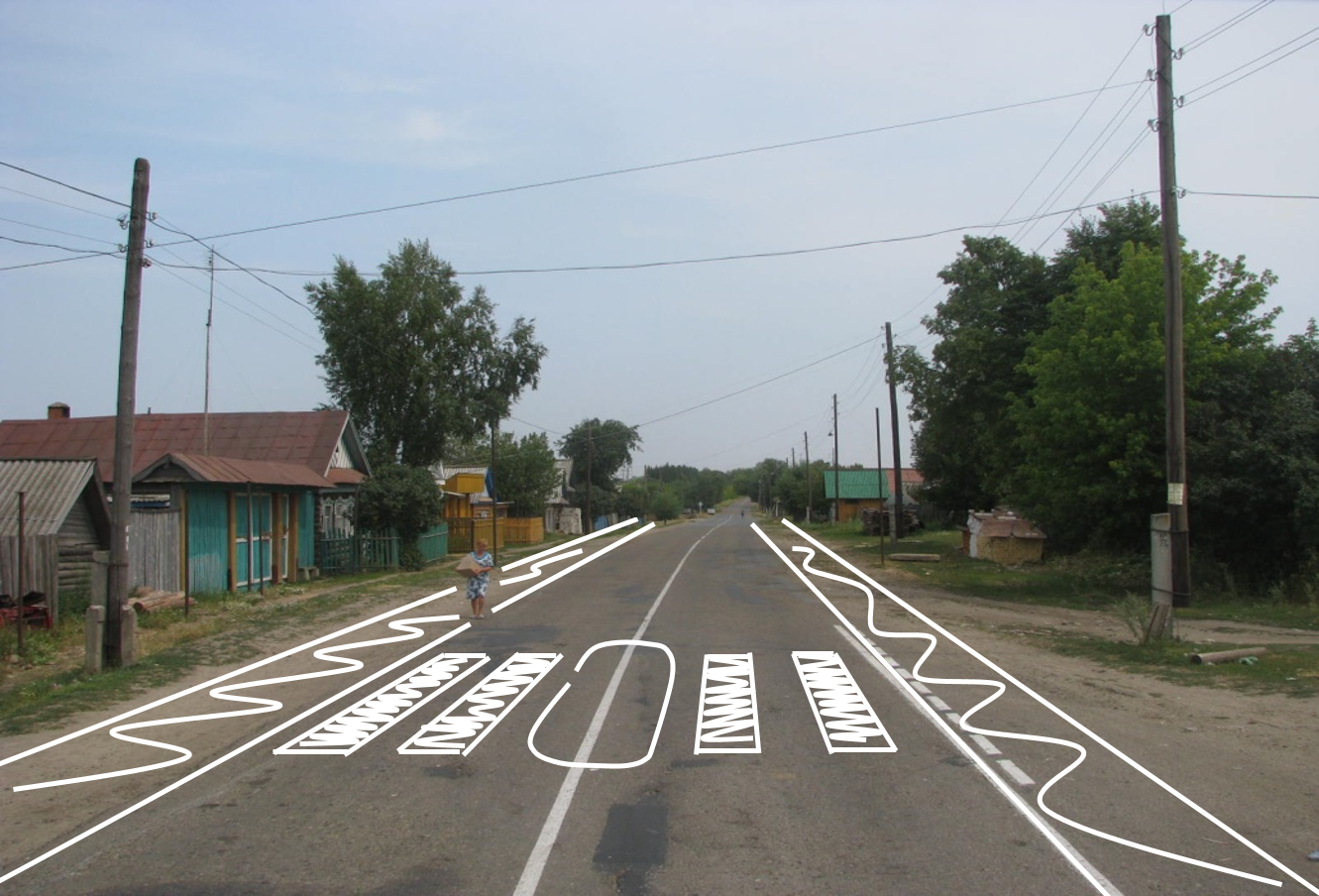
ViaSegura was developed by the Inter-American Development Bank, supported by iRAP. It uses AI, specifically computer vision, to automatically detect essential road safety elements on highways. The model was trained and tested using 60,000km of road data from Brazil, obtained by iRAP. The tool is open source and can be easily scaled to other cities and regions around the world. See information on ViaSegura in the report on pages 223-224.
The PIARC report, developed by the Association’s Special Projects programme outlines:
Key Recommendations for Road Administrations:
- Learn from existing AI pilots and case studies;
- Invest in scalable pilots and enabling infrastructure;
- Develop ethical, sustainable AI deployment policie; and
- Build awareness and upskill the workforce to support change.
Key Recommendations for PIARC:
- Promote international AI standards;
- Support global knowledge exchange and capacity-building;
- Provide technical assistance to LMICs; and
- Establish a dedicated AI Working Group and integrate AI considerations into existing Technical Committees.
A detailed AI adoption roadmap is outlined, including guiding principles and implementation strategies to overcome the barriers and unlock the full benefits of AI in the road sector by 2030.for road authorities around the world. The goal is to support equitable and effective AI integration that enhances public service delivery while addressing ethical, technical, and organisational concerns.
Download the Full Report and High-Impact Summary here
Read more on ViaSegura here

 English
  Português do Brasil
  Français
  Tiếng Việt
  Русский
  Español de Colombia
  Nederlands