
The four Dublin Local Authorities, in collaboration with the National Transport Authority (NTA), are strategically developing the Dublin Active Travel Network to double the cycling modal share in the coming years, promoting safe, sustainable and accessible urban mobility across the Dublin Region.
As part of the effort, Lane Patrol is aligning its CycleRAP-based analysis with the Cycle Design Manual (CDM), developed by the NTA. Additionally, work is underway on a simulator to help urban planners visualise how infrastructure design influences cycling safety, using risk data derived from CycleRAP.
Following an initial pilot assessment of 9km in Dublin City and 10km in South Dublin, the next phase will involve evaluating approximately another 18kms of infrastructure, as well as a potential 13km in Dún Laoghaire-Rathdown, where imagery has already been collected by the Lane Patrol mobile app.
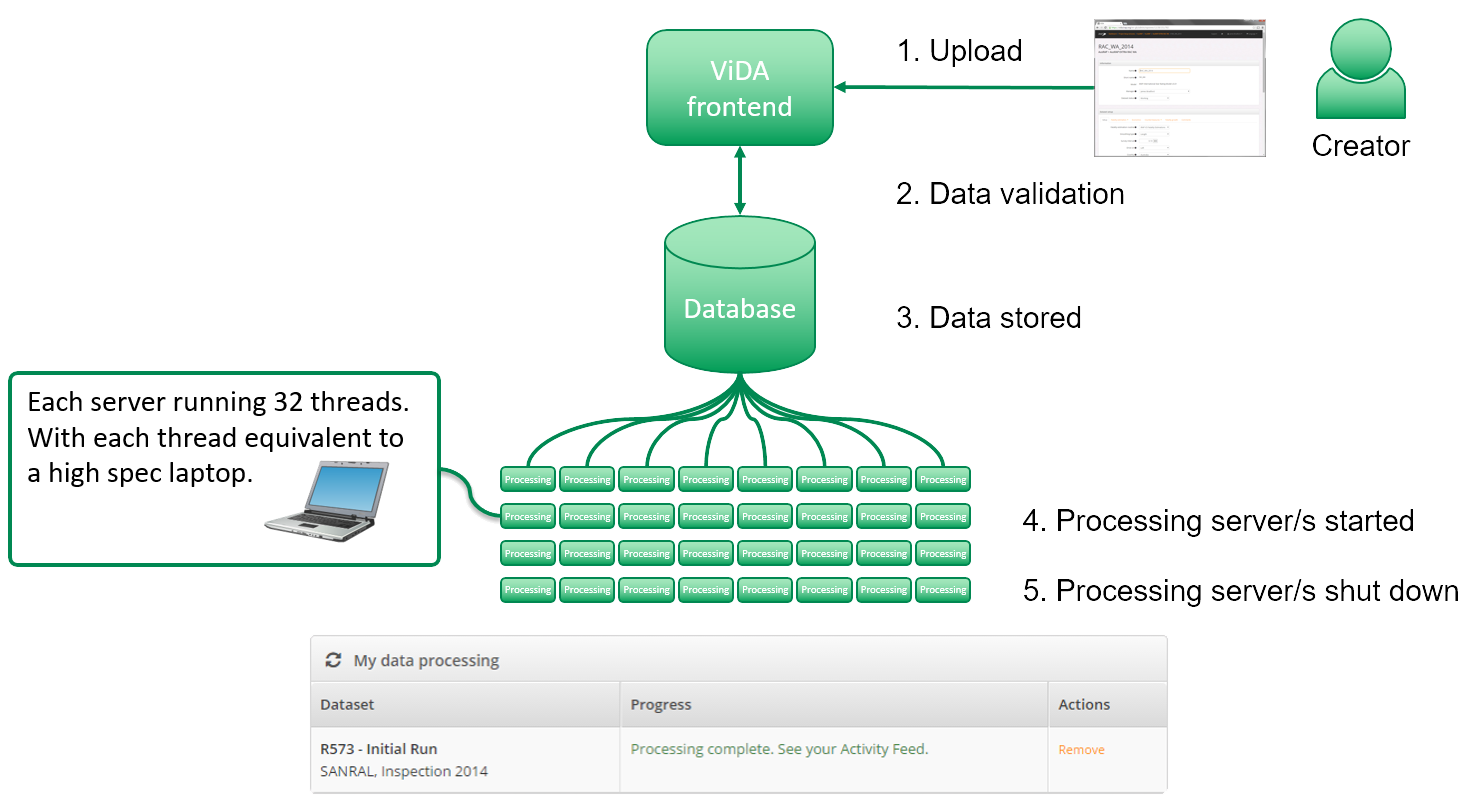
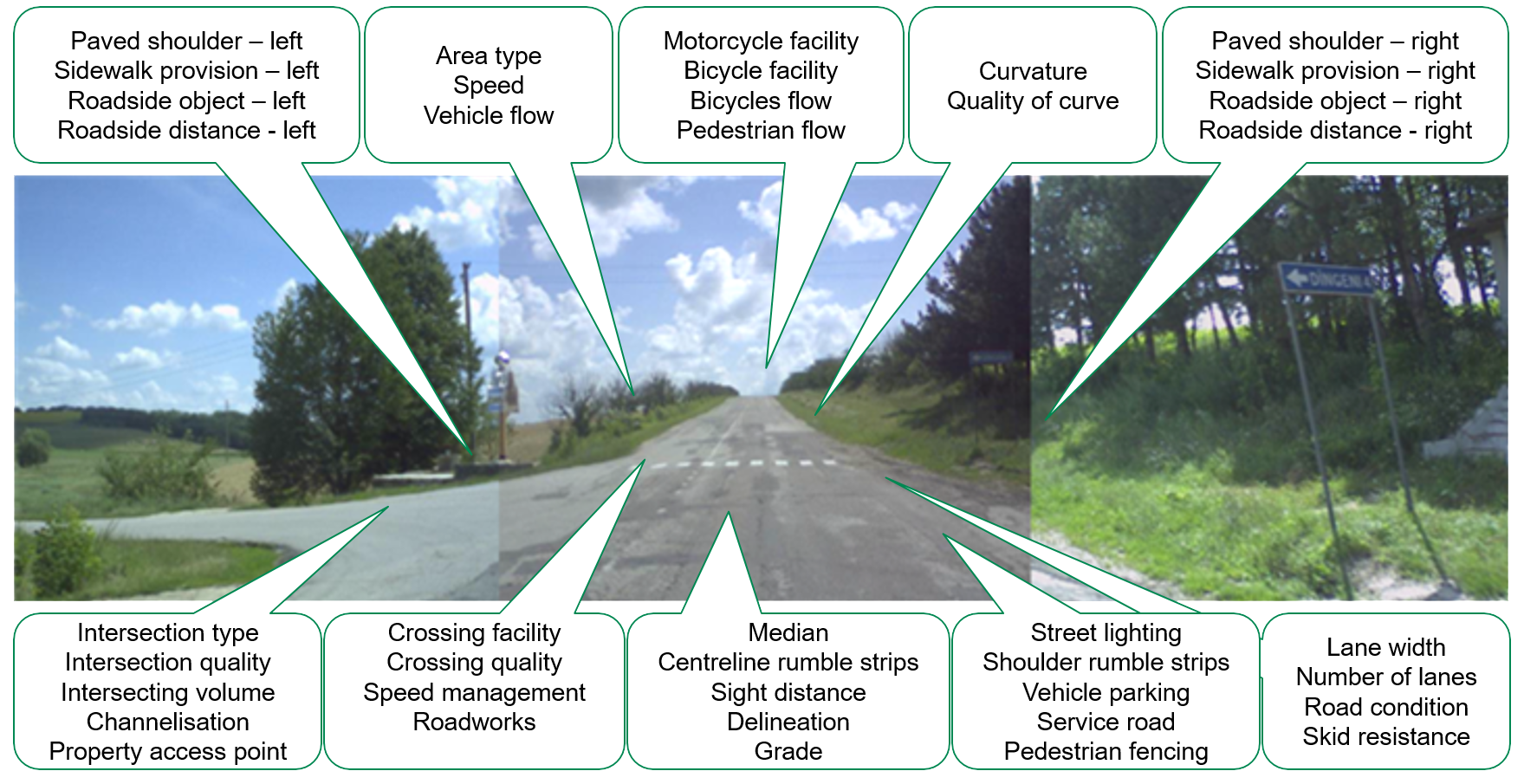
The assessment compares cycling infrastructure before and after improvements, using the Lane Patrol mobile app to collect high-resolution, geo-referenced imagery every 10 metres. More than 40 infrastructure attributes are analysed to generate risk ratings and identify key safety concerns, in line with the CycleRAP methodology.
This work supports data-driven planning and investment decisions, providing the Dublin Local Authorities with a clearer understanding of how infrastructure changes affect cyclist safety and comfort, two essential factors for promoting active mobility.
This project is being carried out in collaboration with Smart Dublin, Dublin City Council (DCC), South Dublin County Council (SDCC), Dún Laoghaire-Rathdown County Council (DLR), and Fingal County Council (FCC).
Marc Figuls, Strategy Director of Lane Patrol said, “Dublin is moving forward to enhance cycling infrastructure as a key step toward increasing the modal share of active mobility. By applying evidence-based methodologies, decision-makers are better equipped to make strategic choices, leveraging tools like Lane Patrol in a systematic and consistent way.”
Jose Manuel Gutierrez, Product Manager of Lane Patrol added, “Technical representatives from the Dublin counties have expressed strong interest in applying international methodologies to assess and validate the safety performance of their cycling network designs. These tools will not only help reinforce their strategic approach but also enhance their ability to clearly communicate the positive impact of planned interventions.”
Alan Murphy, Regional Manager of Smart Dublin said, “Safety is one of the main reasons why people in Dublin choose not to cycle. The Lane Patrol analytics provides us new ways to ensure our cycling infrastructure is as robust as possible. In addition, the Lane Patrol team have been great to work with by listening to the local context and fine-tuning their analytics accordingly.”
Shanna Lucchesi, Road Safety Innovation Project Manager of iRAP said, “We are delighted to see CycleRAP being used in Dublin to improve bicycling safety and active mobility in the city. It joins 20 other cities being supported by Lane Patrol, and 30 countries that have undertaken CycleRAP assessments to improve the safety of road and bicycling infrastructure to prevent fatalities and serious injuries.”
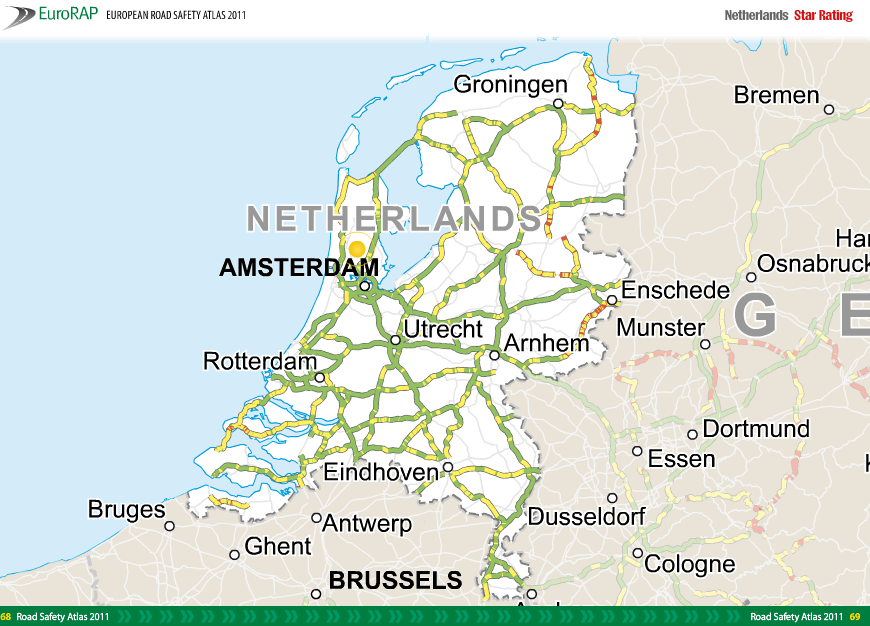
CycleRAP is an easy, affordable and fast method of evaluating road and bicycling infrastructure for safety. It aims to reduce crashes and improve safety specifically for bicyclists and other light mobility users by identifying high risk locations without the need for crash data.
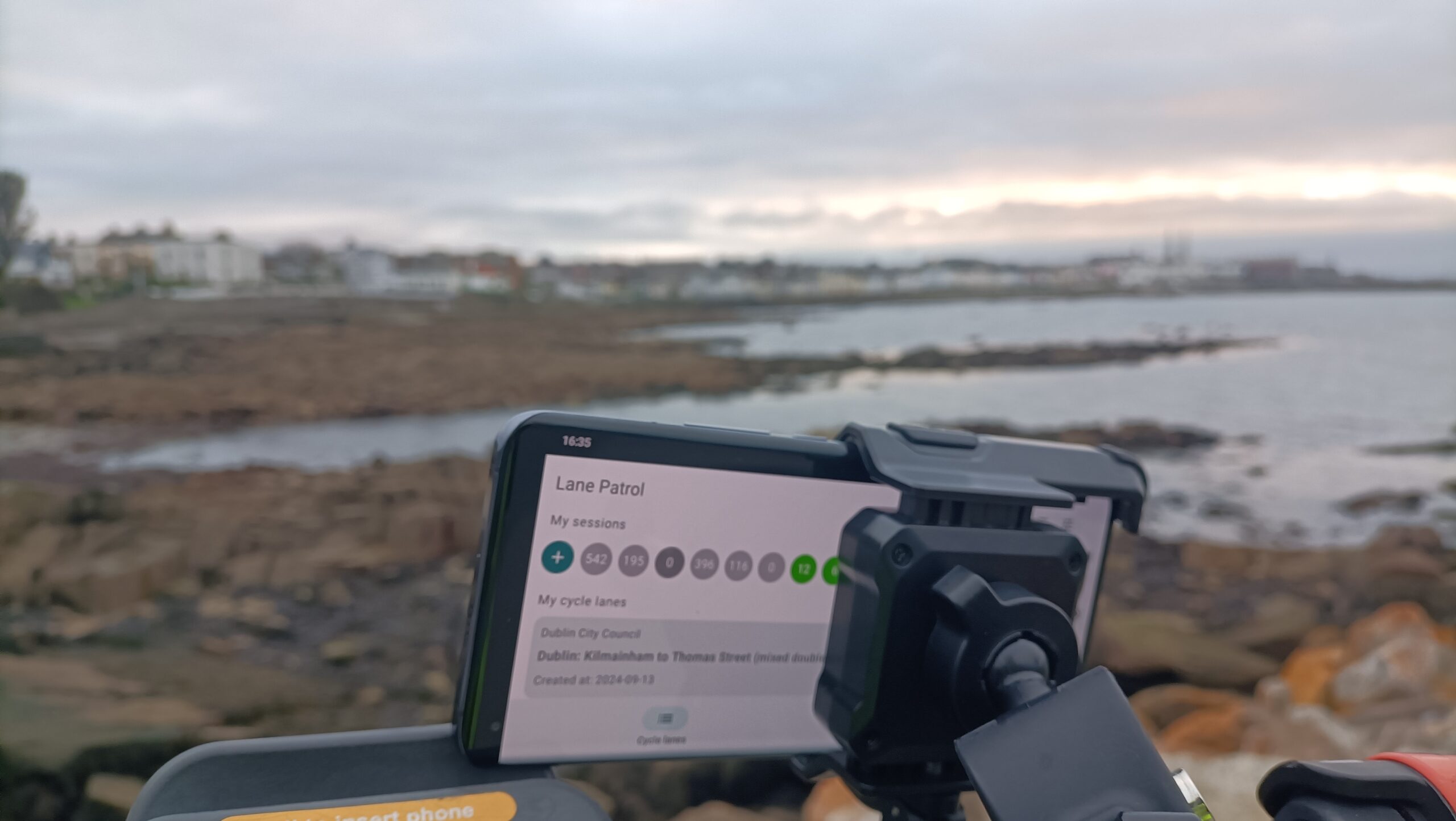

Jose Manuel Gutierrez, Lane Patrol ready to ride, undertaking Lane Patrol road safety assessments powered by the CycleRAP methodology


 English
  Português do Brasil
  Français
  Tiếng Việt
  Русский
  Español de Colombia
  Nederlands