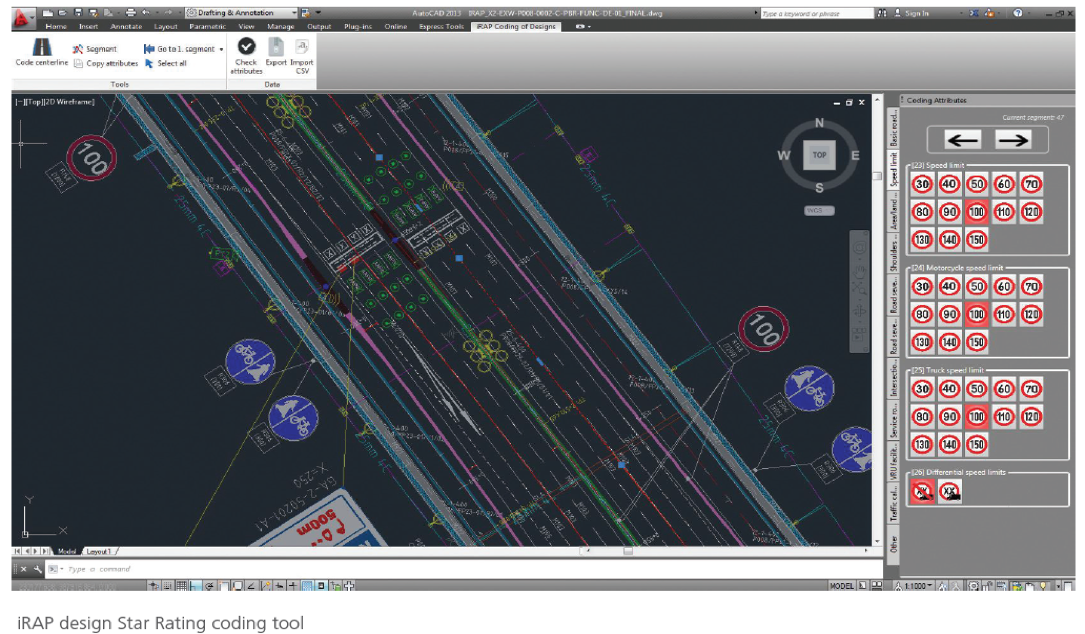
Adapted from Prensa Libre articles by Mauricio Alvarez here and here. Video images credit: Guate Vision and Guatemala No Se Detiene
A recent iRAP assessment of the CA-2 West Highway in Guatemala has revealed safety concerns on one of the country’s most critical transport routes. Spanning 200 kilometres from Escuintla to Tecún Umán in San Marcos, the highway, also known as the Puebla-Panama corridor, shows widespread deficiencies in infrastructure safety putting road users at significant risk.
Implementing the developed Safer Road Investment Plan could prevent an estimated 20,000 deaths and serious injuries over the next 20 years.
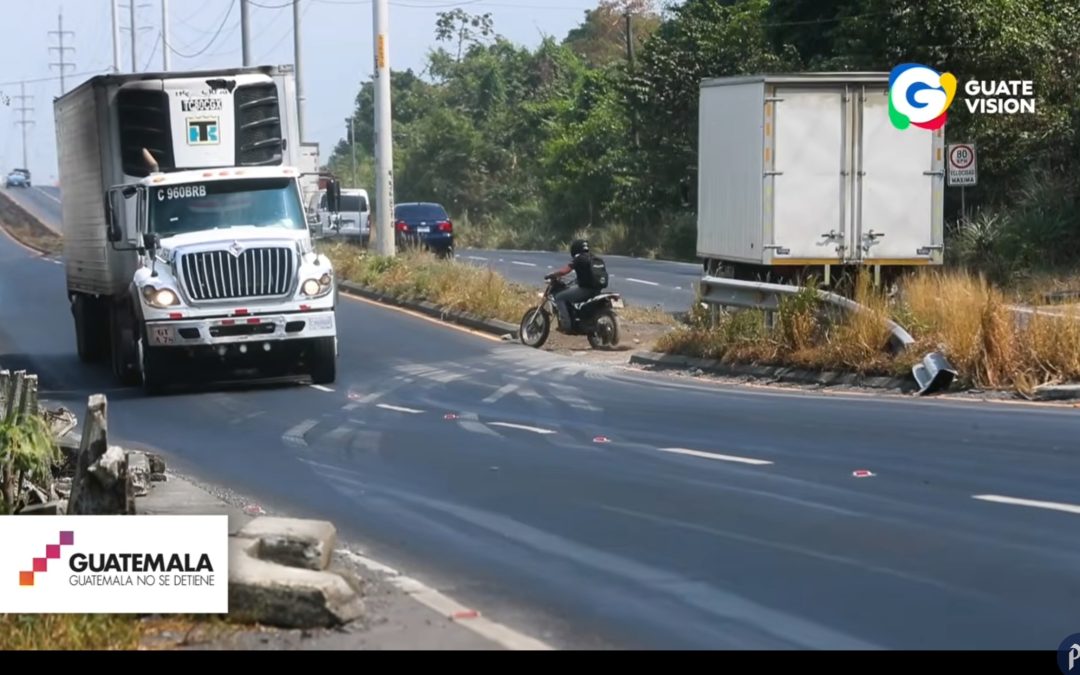
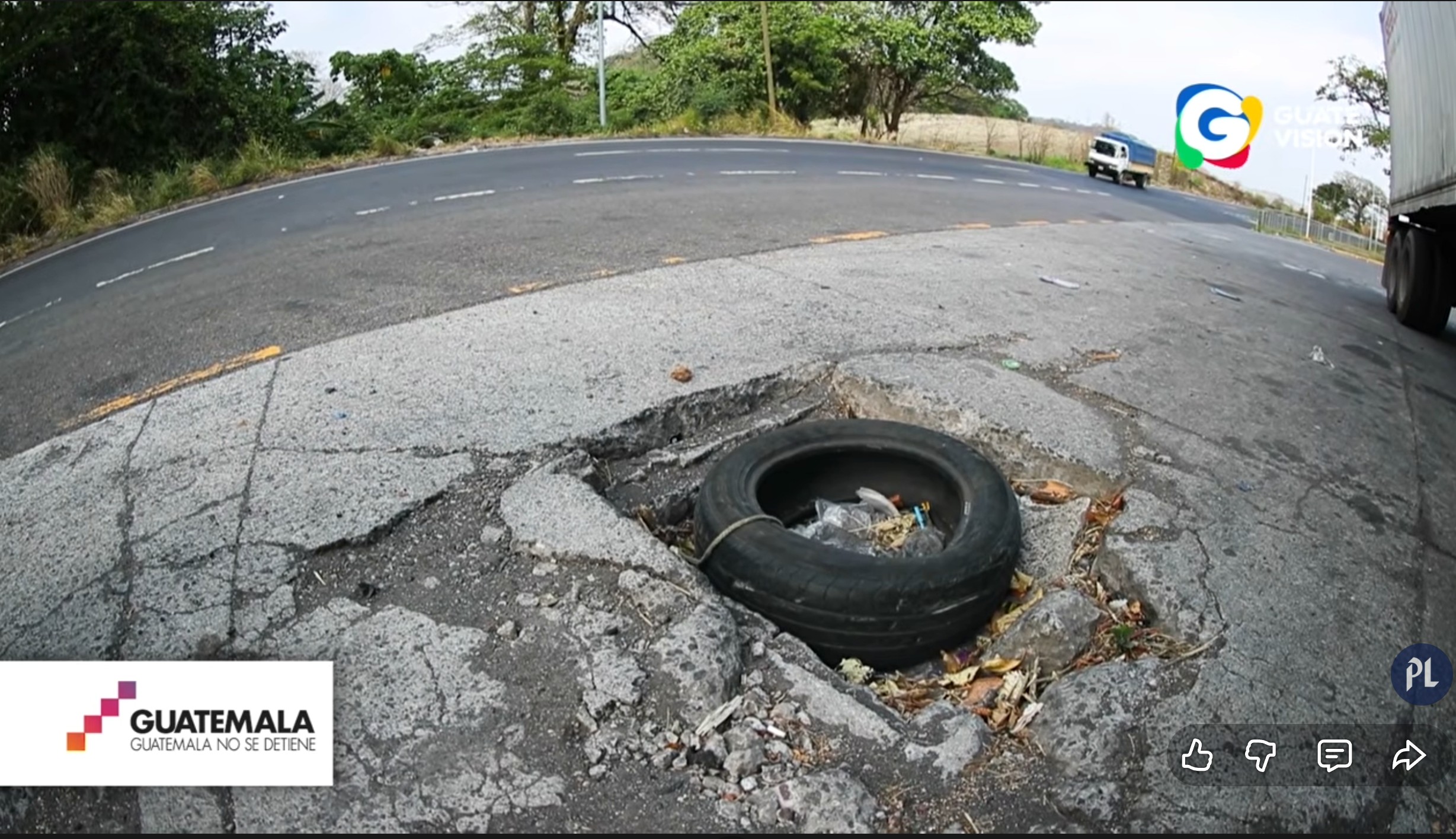
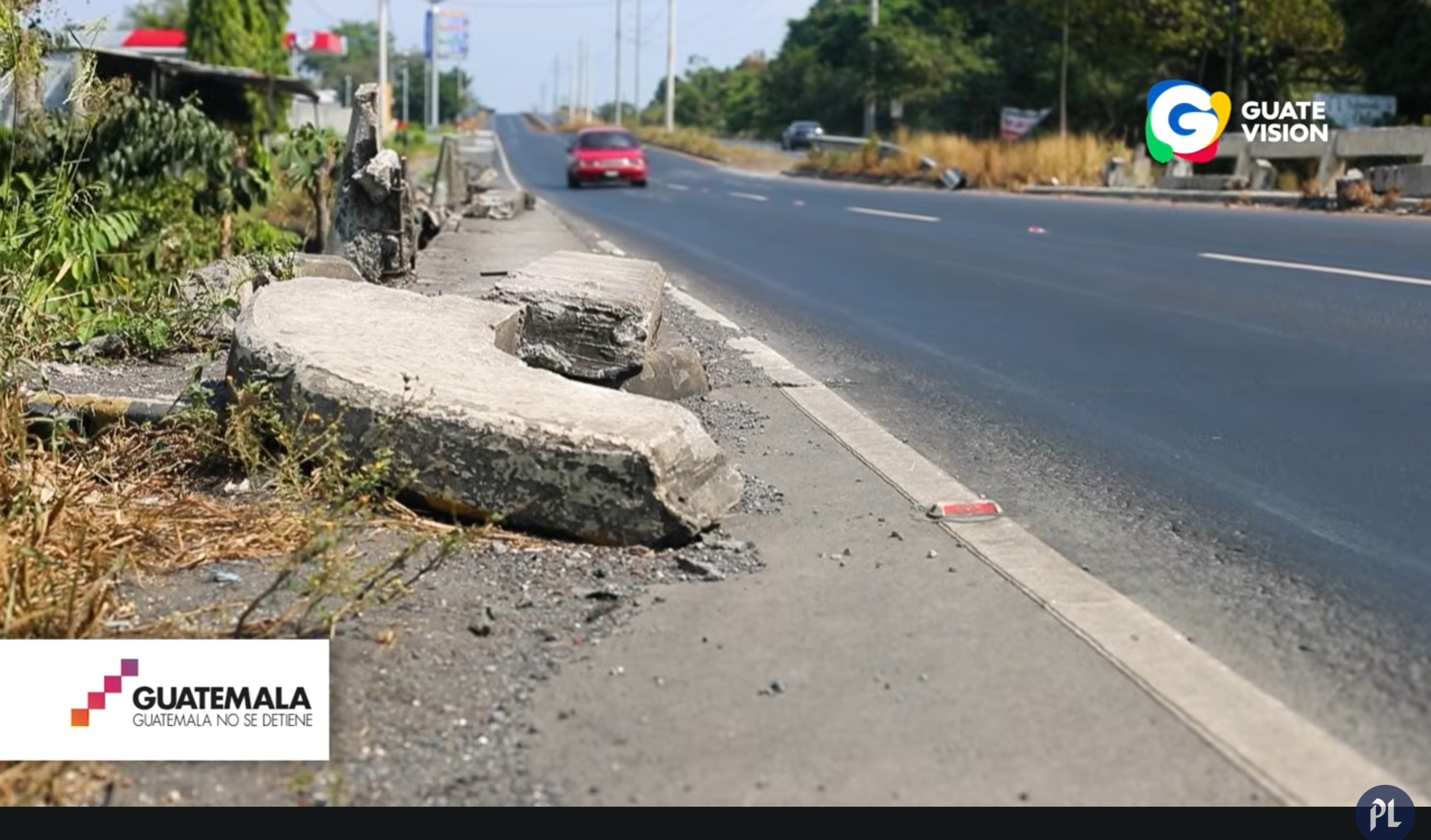
A tour conducted by the Guatemala No Se Detiene team highlighted the lack of road safety in less than five minutes. Improper crossings, lack of signage, poor lane separation; a truck parked on the side of the road in an unauthorized area; a few metres away, a motorcyclist made a turn at a location without a designated U-turn; and debris from plastic, metal, and vehicle parts scattered along the roadside.
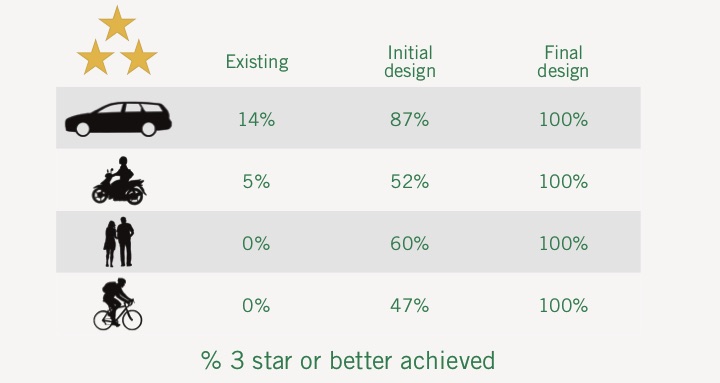
The assessment classified the road using iRAP’s one-to-five-star system, where one star represents the highest risk and five stars the safest conditions. The results showed that only 30 per cent of the evaluated highway sections received the minimum recommended three-star safety rating for vehicle occupants. Approximately 70 per cent of the route was classified at a dangerous one or two stars, indicating an unacceptably high risk of fatal or serious crashes. Motorcyclists, cyclists, and pedestrians face the greatest risks.
Experts Call for Immediate Action
Juan Carlos Botran, Safety Director of the Automobile Club of Guatemala, explained that traditionally, crash analysis has focused on user behaviour, but that has changed. “For many years, when we have talked about road safety, we have done so primarily from the perspective of the behaviour of the driver, the pedestrian, or the motorcyclist. Today, the world understands that road safety is not just an individual problem, but a problem of the road system that we design, build, and manage as a country,” he noted.
Botran added that road infrastructure development has historically prioritized mobility and transport capacity. “We want to move more people and more goods farther and faster. That goal is legitimate and necessary for the country’s development, but when that approach doesn’t incorporate road safety from the design stage, it has had serious consequences in terms of crashes,” he stated.
Edgar Zamora, iRAP’s Safer Journeys Lead for the Americas explained that the methodology aims to establish minimum safety standards. “Roads must have a minimum acceptable level of safety for all countries, and that is measured with the star rating system. A crash cannot be described as a simple distraction or recklessness. It is a combination of elements that includes infrastructure, road users, and road system conditions,” he said.
For Road Safety Specialist Salvador Morales, the iRAP Star Rating provides an understanding of the level of risk faced by thousands of drivers every day. “When we talk about a one-star road, we’re talking about a highly dangerous road, where there’s a much higher probability of death or serious injury if a crash occurs. The social and economic impacts extend far beyond crashes too. Poor infrastructure leads to increased travel times and decreased mobility for road users,” he explained.
Delfino Mendoza, Analyst at FUNDESA, added that the CA-2 West’s vital role in regional trade exacerbates the risks. “This highway has a high percentage of heavy traffic because it connects borders and moves goods to Guatemala and other Central American countries. Around 70 per cent of regional trade moves along it,” he explained.
The high volume of heavy trucks alongside light vehicles and motorcycles leads to frequent crashes, including multi-vehicle collisions.
For motorcyclists, one of the most vulnerable groups, only 15 per cent of the road reaches three stars or more, even though this type of transport represents between 20 and 40 per cent of the traffic. According to the data used in the analysis, 50 per cent of the victims recorded in 2024 were motorcyclists.
In the case of pedestrians and cyclists, most of the evaluated sections achieved only a one-star rating, showing the highest level of risk.
Jesús Tapia, Road Safety Specialist at SEMIC, the company in charge of the study, explained that the assessment allowed them to identify specific segments with a higher level of risk. “We can pinpoint specific locations. For example, at kilometre 79.2, 115 risk points were recorded, which corresponds to a one-star rating,” he noted.
The study also identified physical characteristics that affect the risk to users. Fifty percent of the section consists of roadways without a physical division between directions of traffic, while 97 per cent has only a centre line as a separation.
Furthermore, 76 per cent of the evaluated road has a speed limit of 80 km/h. The analysis also determined that 42 per cent of the lane dividers measure between 1 and 2.4 metres, and 30 per cent are less than one metre wide, reducing the distance between vehicles and roadside barriers. Additionally, 13 per cent of the section features sharp curves, considered risk factors due to the potential for vehicles to run off the road.
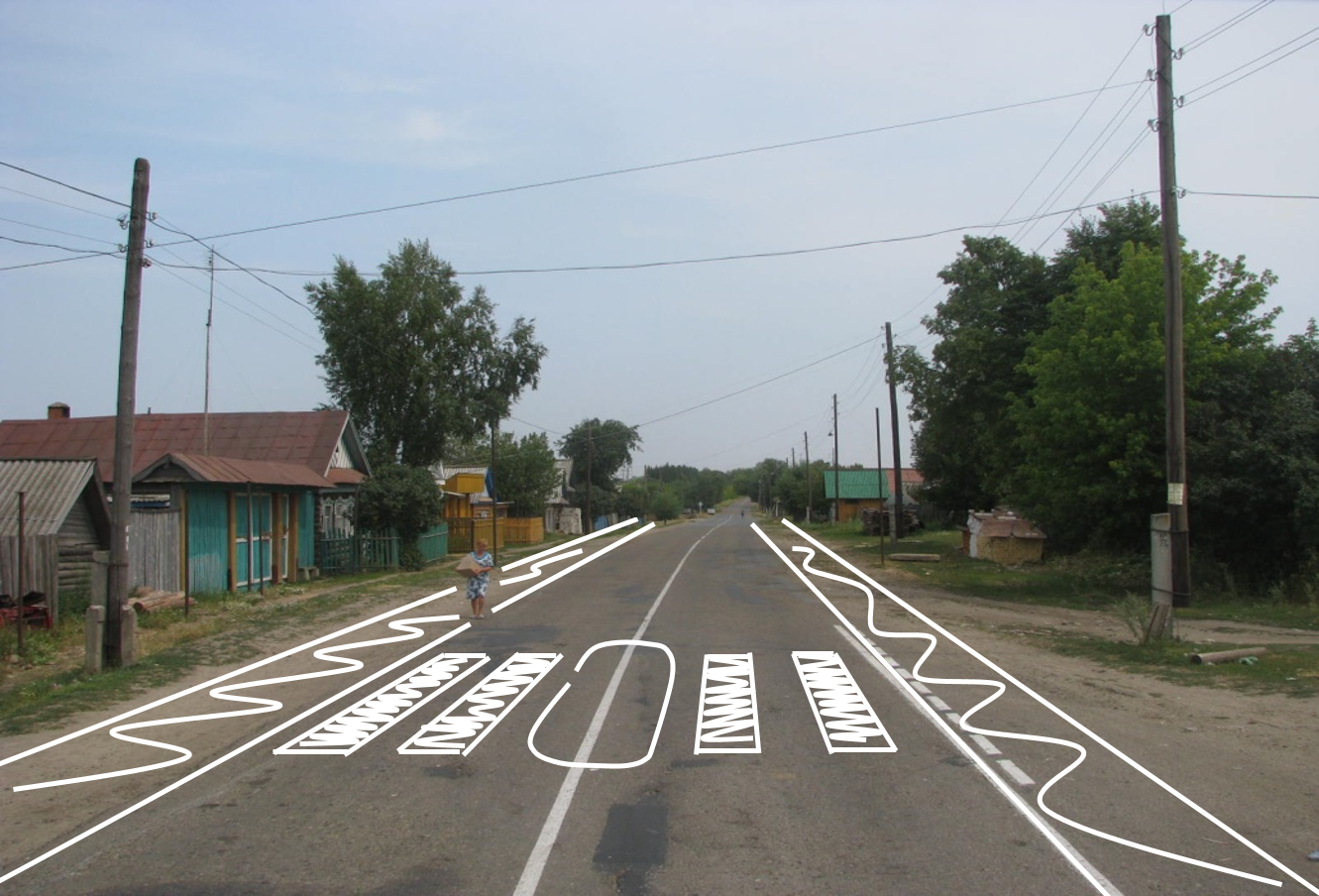
Informal public transport stops, a lack of pedestrian infrastructure, and lateral elements close to the road that may increase the danger were also detected.
“In many places there is no median. When drivers try to avoid potholes or overtake other vehicles, they can cross into the oncoming lane, resulting in head-on collisions,” Mr Mendoza said.
According to Morales, in countries like Guatemala, roads are typically multipurpose and built based on two concepts: moving high volumes of traffic or providing accessibility to final destinations. “These roads, due to the way they have traditionally been developed and planned, are designed for vehicular use, and we need is to change that paradigm and build roads for people, not necessarily for vehicles. We need to create infrastructure that can forgive human error. The problem we have today is that we want roads that are both high mobility and high accessibility,” he said.
David Orrego, an analyst and researcher at Diestra explained that highways have at least three functions: the transversal function, which is for heavy transport and does not intersect with neighbourhood streets; the distribution function, which diverts traffic away from transversal axes; and the connection to neighbourhood streets. “But in Guatemala, we have all three functions on the same highway,” he noted.
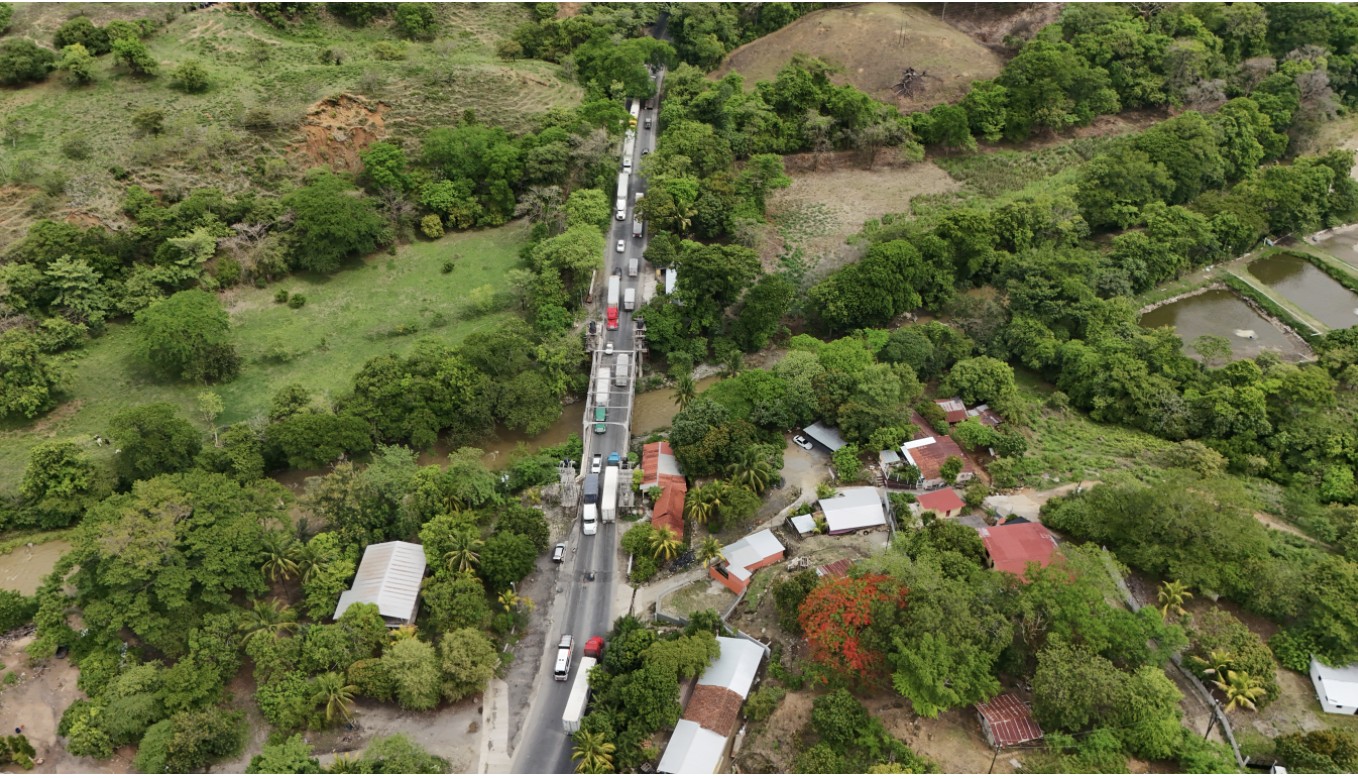
Image credit: Prensa Libre, Oscar Vásquez Mijangos
Recommendations for Road Safety Improvements
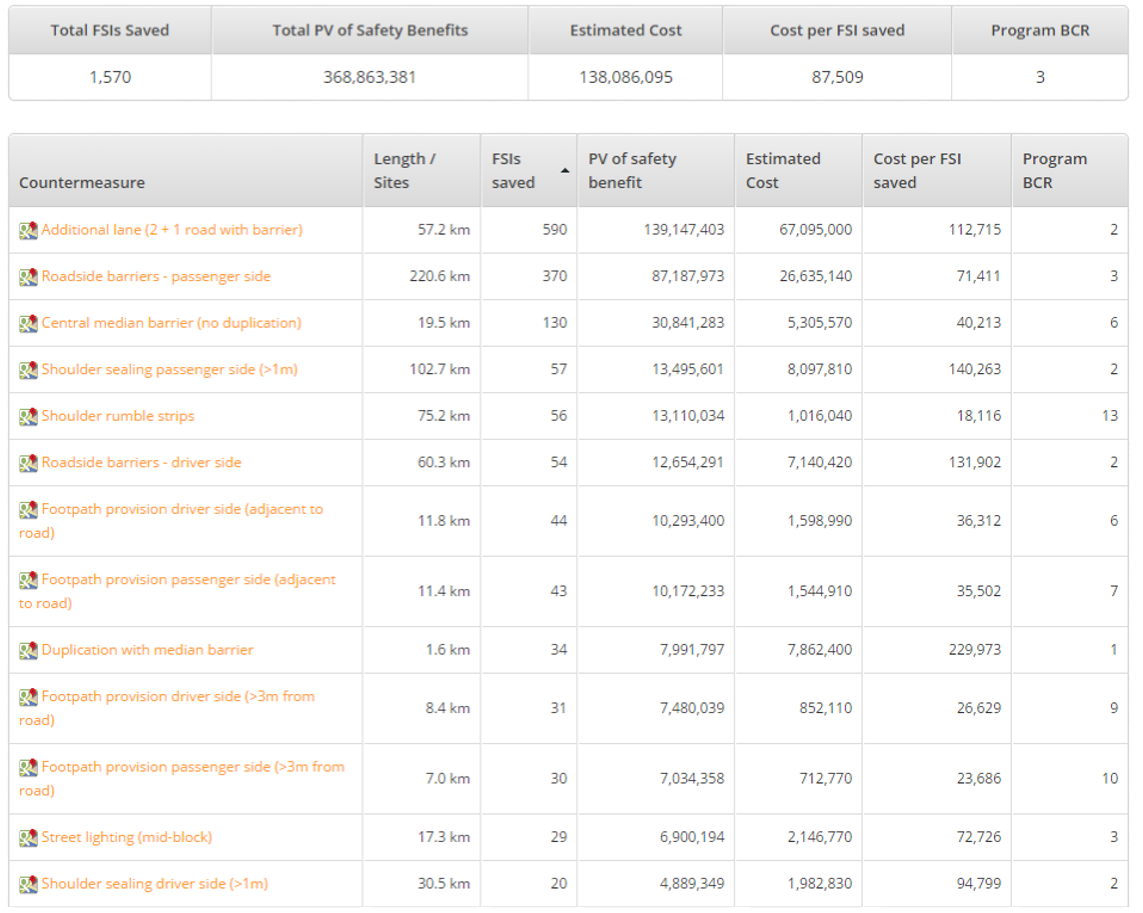
Based on the study findings, an investment plan is proposed that includes 94 measures aimed at reducing risks and improving the road safety rating. An approximate investment of Q1.3 billion is estimated for full implementation
The main actions include:
- Widening and duplication of roadway;
- Installation of central and side barriers;
- Signage improvements;
- Construction of pedestrian infrastructure;
- Installation of lighting at strategic points;
- Creation of motorcycle lanes; and
- Adaptation of public transport stops.
Tapia explained that widening and doubling the roadway represents the measure with the greatest impact on risk reduction. “It is proposed for 58 kilometres and would have the capacity to prevent thousands of deaths and serious injuries,” he stated.
The Economic and Social Costs of Inaction
According to Morales, the World Health Organization (WHO) indicates that Guatemala could save around 3 per cent of its Gross Domestic Product (GDP) in terms of reducing crashes, hospital costs, repairing the road network, and providing assistance to emergency services.
“Ultimately, it’s a very significant amount that impacts the country’s economy. Eighty per cent of Roosevelt Hospital’s budget is spent on traffic crashes; that money could be invested in other serious illnesses, such as kidney treatments or cancer,” he commented.
The study also incorporates economic estimates related to traffic crashes. According to the calculations presented, each death associated with a traffic crash represents an approximate economic impact of 3.4 million quetzales, while a serious injury represents around 867,000 quetzales. Furthermore, it indicates that in Guatemala more than 2,000 people die each year from traffic crashes.
From study to action
Cecilia Pivaral, a member of the infrastructure committee of Guatemala Doesn’t Stop, explained that road maintenance is one of the determining factors. “The challenge lies in the entire life cycle of the infrastructure, from design to maintenance in technical, functional, and road safety aspects,” she stated.
For his part, Salvador Morales pointed out that one of the main challenges is institutionalizing this type of analysis within the government. “The first challenge is to have Guatemalan professionals with local expertise to conduct these studies. The second is to integrate these results into public policies, and the third is to ensure their sustainability over time,” he stated.
Morales added that these studies help guide resource allocation. “It’s not the same to say that infrastructure needs improvement as it is to have a plan that indicates where to invest and how much it costs,” he noted.
Botrán emphasized that the analysis helps guide investment decisions. “Road safety is no longer seen as an additional expense, but as a smart investment criterion that allows for prioritizing resources where the impact on lives is greatest,” he stated.

 English
  Português do Brasil
  Français
  Tiếng Việt
  Русский
  Español de Colombia
  Nederlands