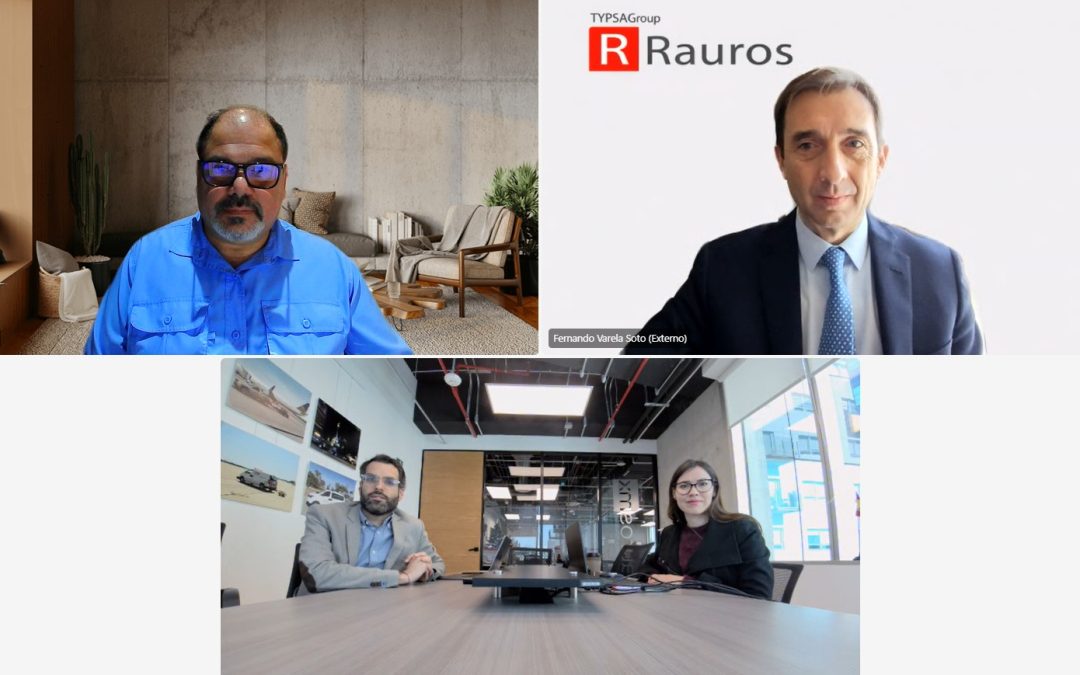
The International Road Assessment Programme (iRAP) and RAUROS Group have signed a three-year Memorandum of Understanding (MOU) to formalize collaboration aimed at advancing road safety and reducing traffic-related deaths and injuries worldwide.
The agreement establishes a cooperation framework to promote programmes and projects that contribute to the UN Decade of Sustainable Transport 2026-2035, and Global Plan for the Decade of Action for Road Safety 2021-2030 which aims to halve global road deaths and injuries by 2030.
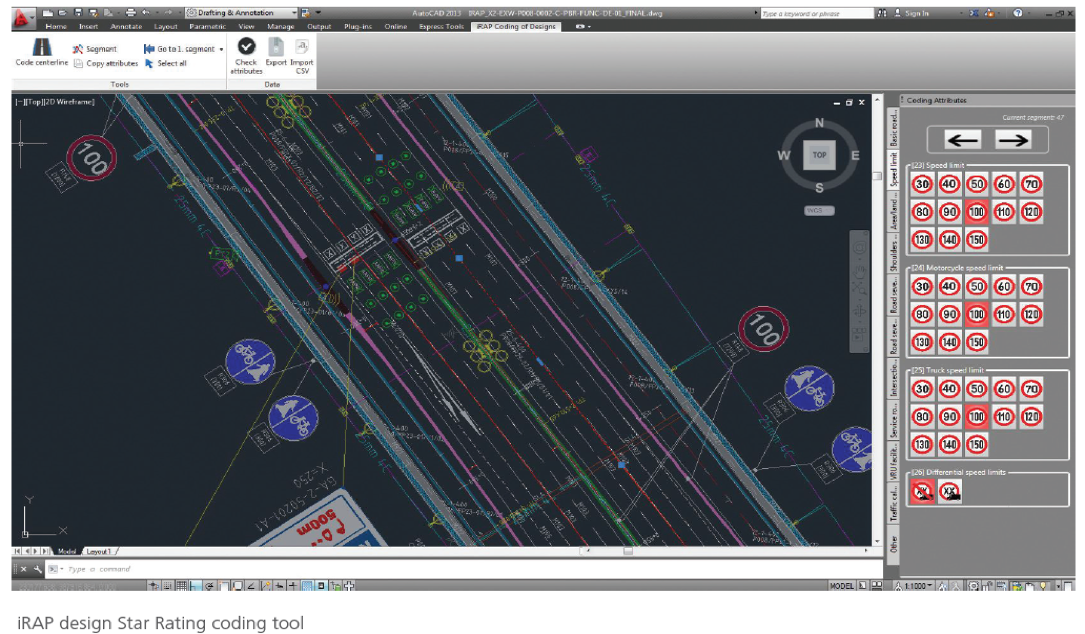
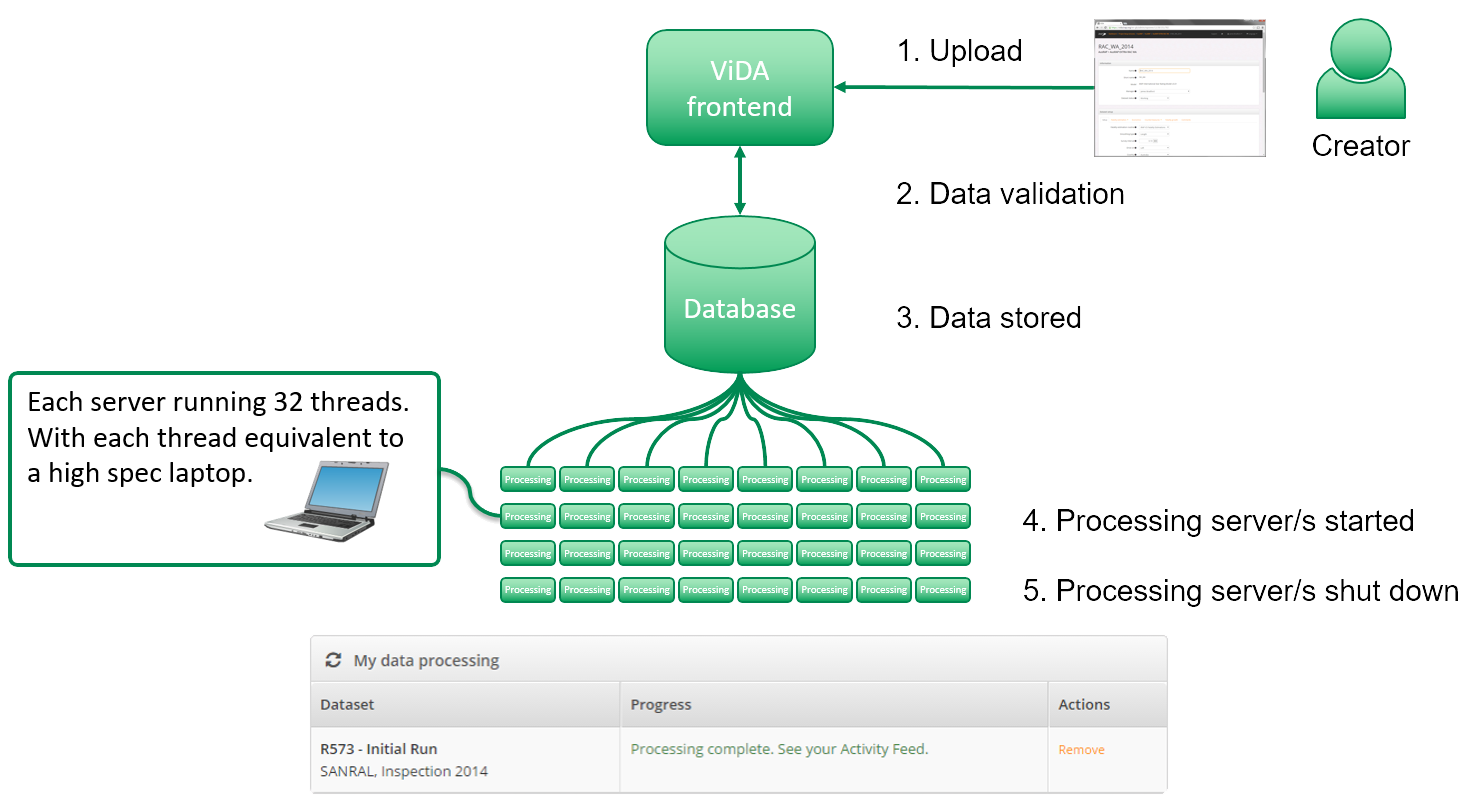
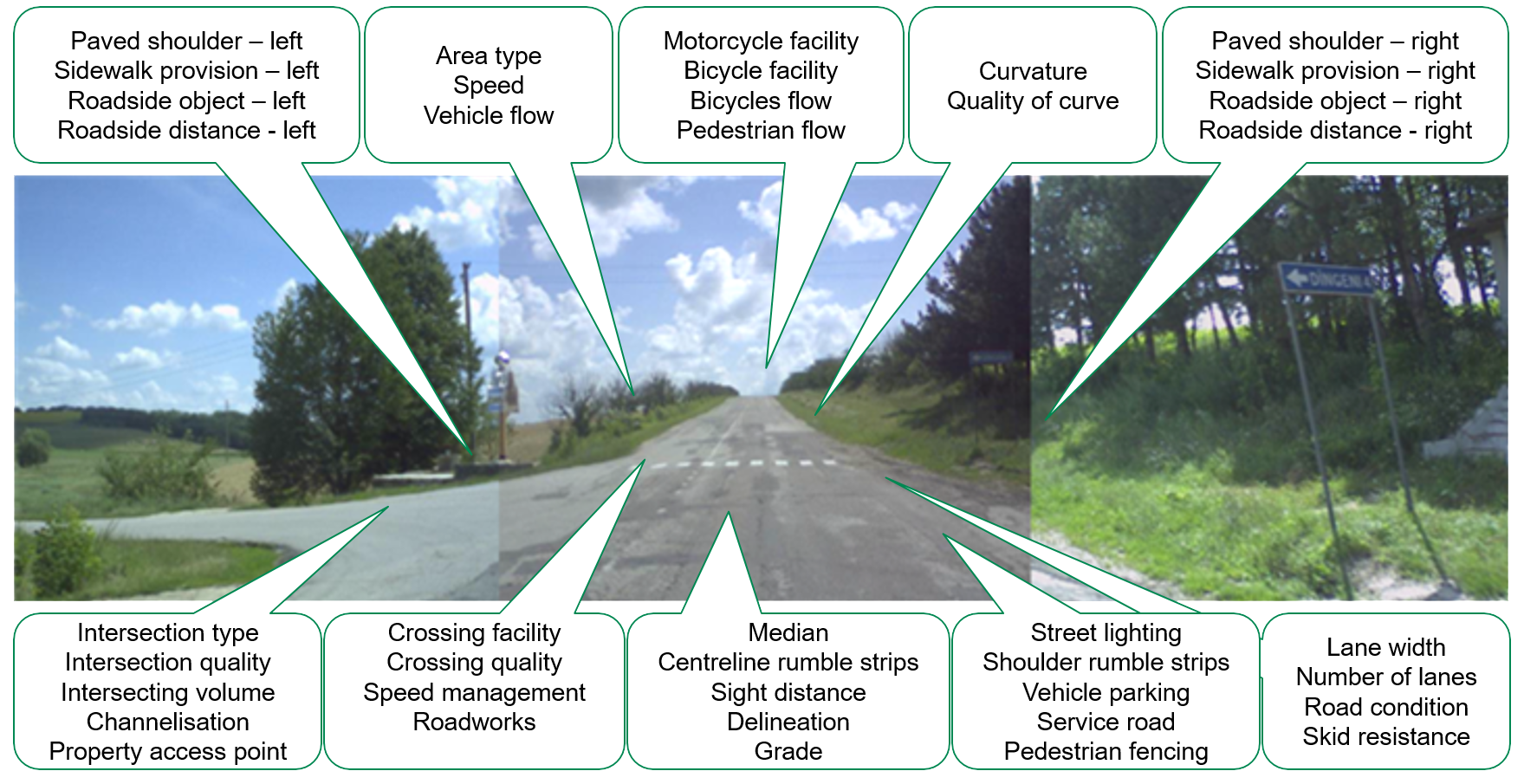
Under the MOU, the two organizations will focus on promoting safe and sustainable transport solutions, integrating iRAP’s road safety assessment tools used by partners in 140 countries, into road asset management systems and infrastructure data solutions developed by RAUROS.
Since 2002, RAUROS’s management systems have supported 114 concessionaires and public administrations to manage and maintain their roads in 17 countries.
By combining technical expertise and innovation, the partnership aims to advance knowledge and enhance the safety performance of road networks and evidence-based infrastructure planning.
The three-year agreement marks a significant step toward strengthening international cooperation in road safety and accelerating progress toward global targets to reduce road trauma.
Edgar Zamora, iRAP Safer Journeys Lead for the Americas said, “We are excited to be embarking on this new partnership with RAUROS. It represents an important step in embedding road safety at the heart of infrastructure management, empowering road authorities to make informed, data-driven decisions to prevent crashes and save lives.”
Fernando Varela Soto, CEO of RAUROS said, “At RAUROS, we believe technology and data are powerful drivers of safer, more sustainable transport networks. Working with iRAP enables us to strengthen the safety dimension of road asset management, providing our partners with integrated solutions that not only improve efficiency but also deliver measurable reductions in road risk and injuries.”

 English
  Português do Brasil
  Français
  Tiếng Việt
  Русский
  Español de Colombia
  Nederlands