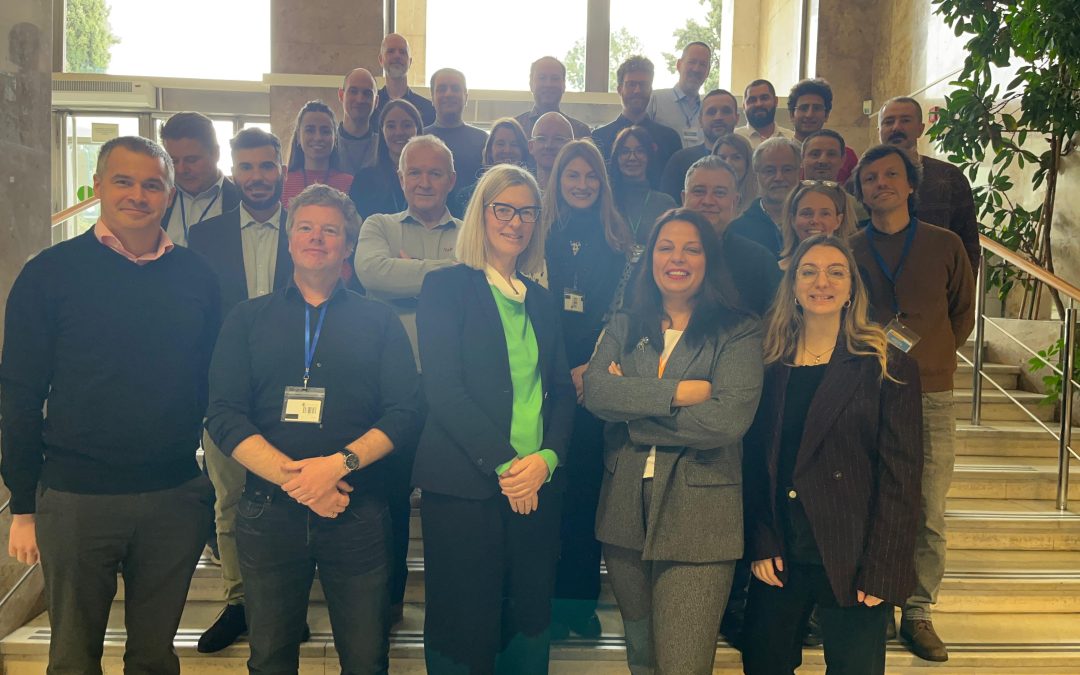
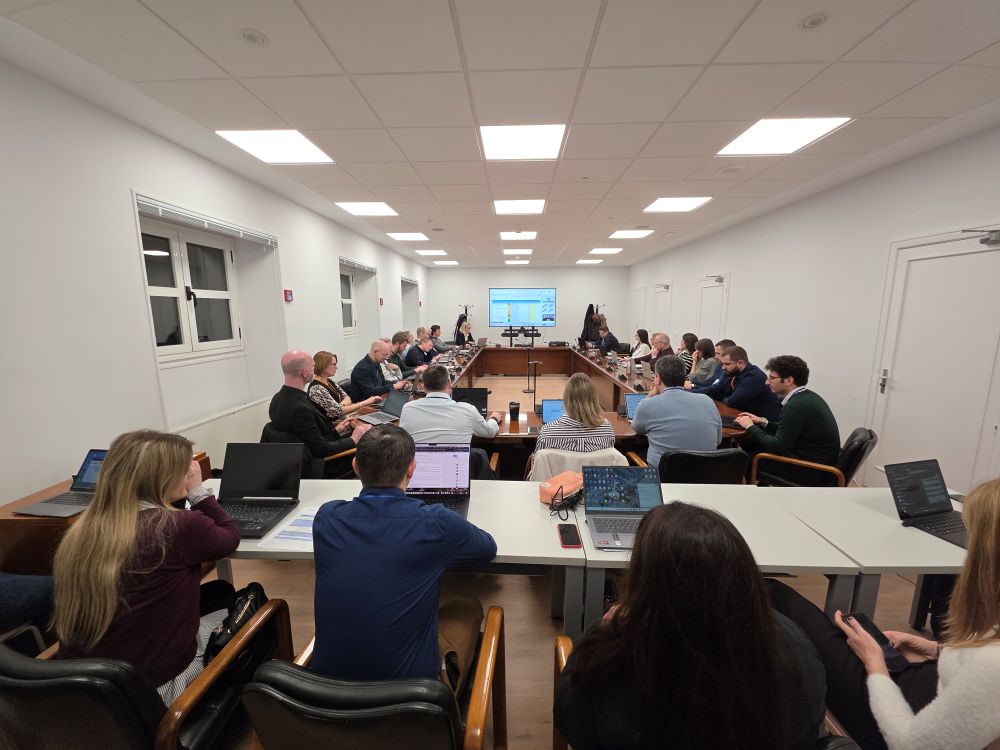
The meeting provided an opportunity to review overall progress across all Work Packages and align on priorities for the upcoming period.
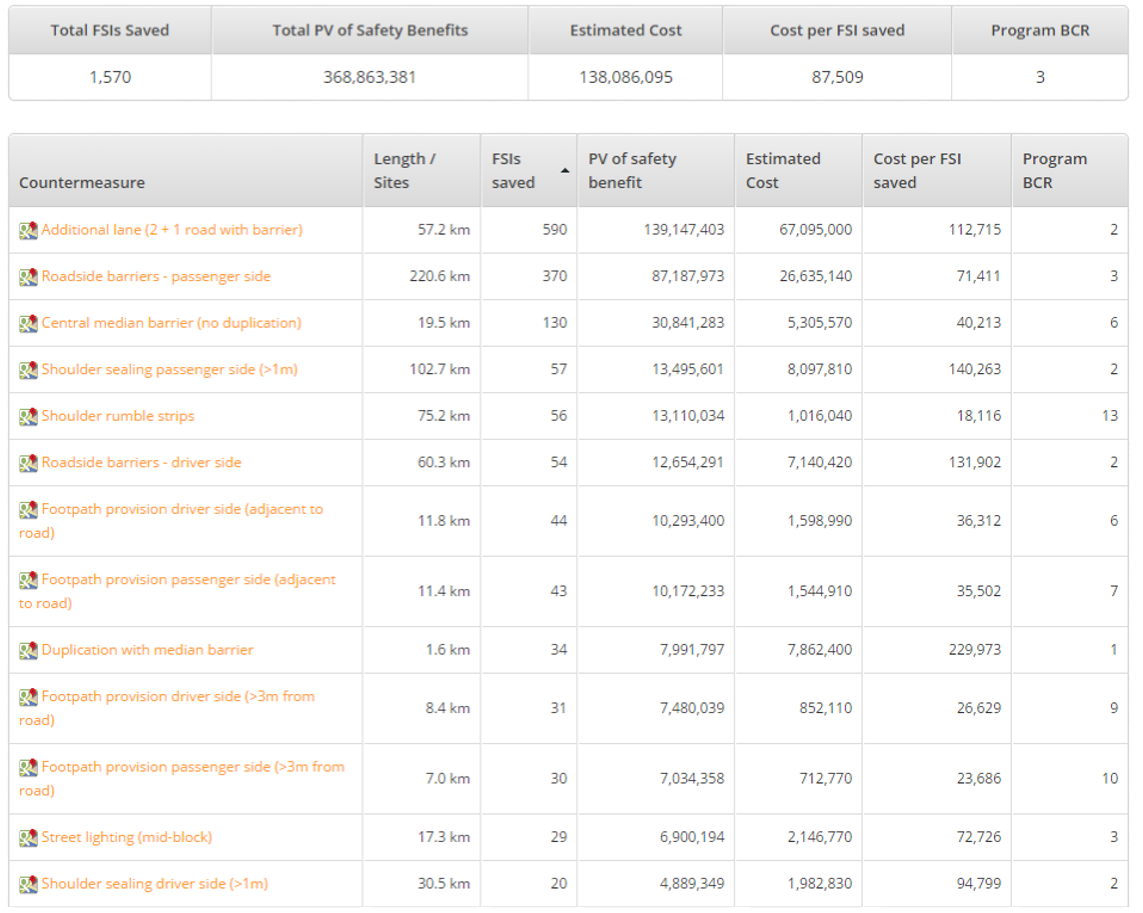
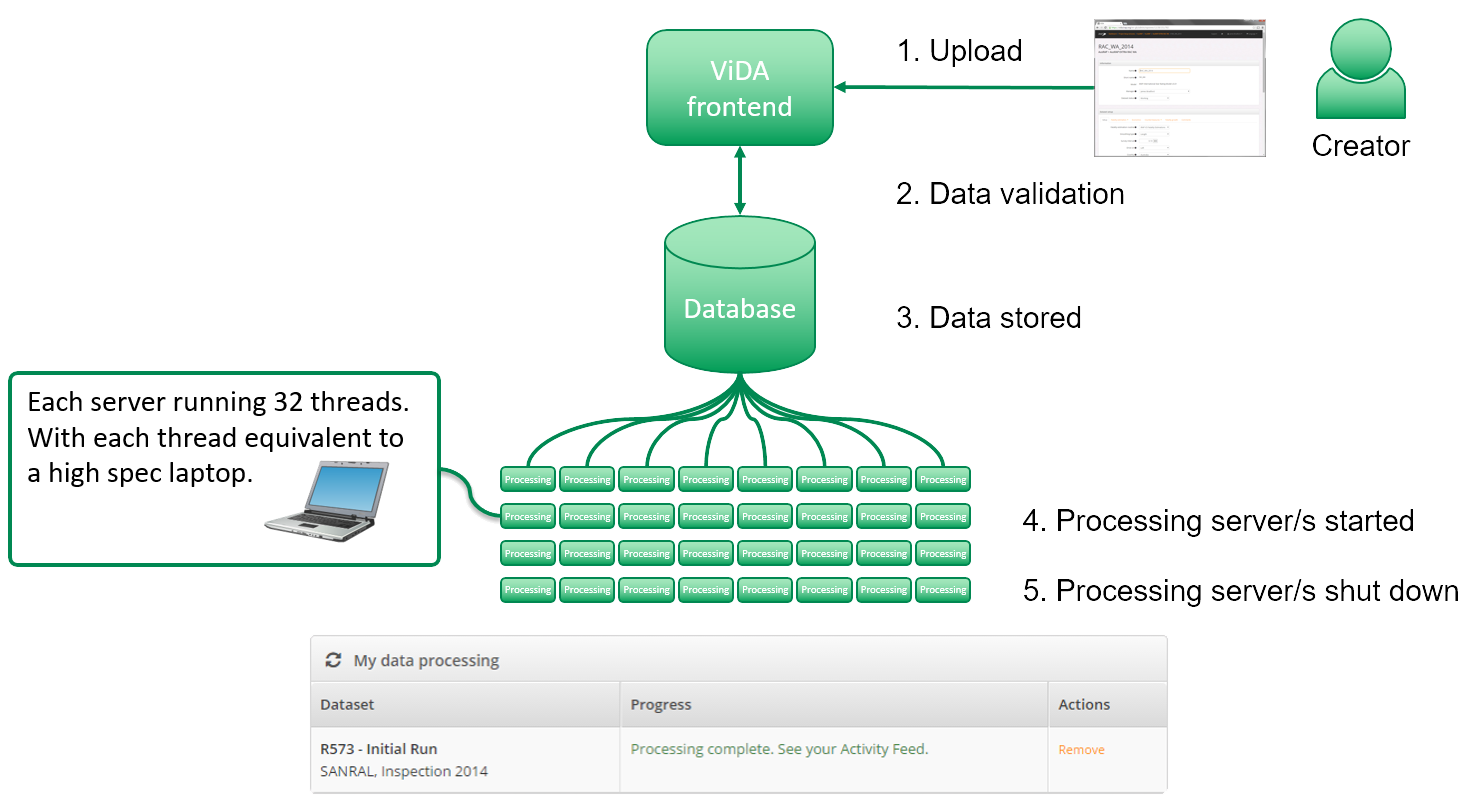
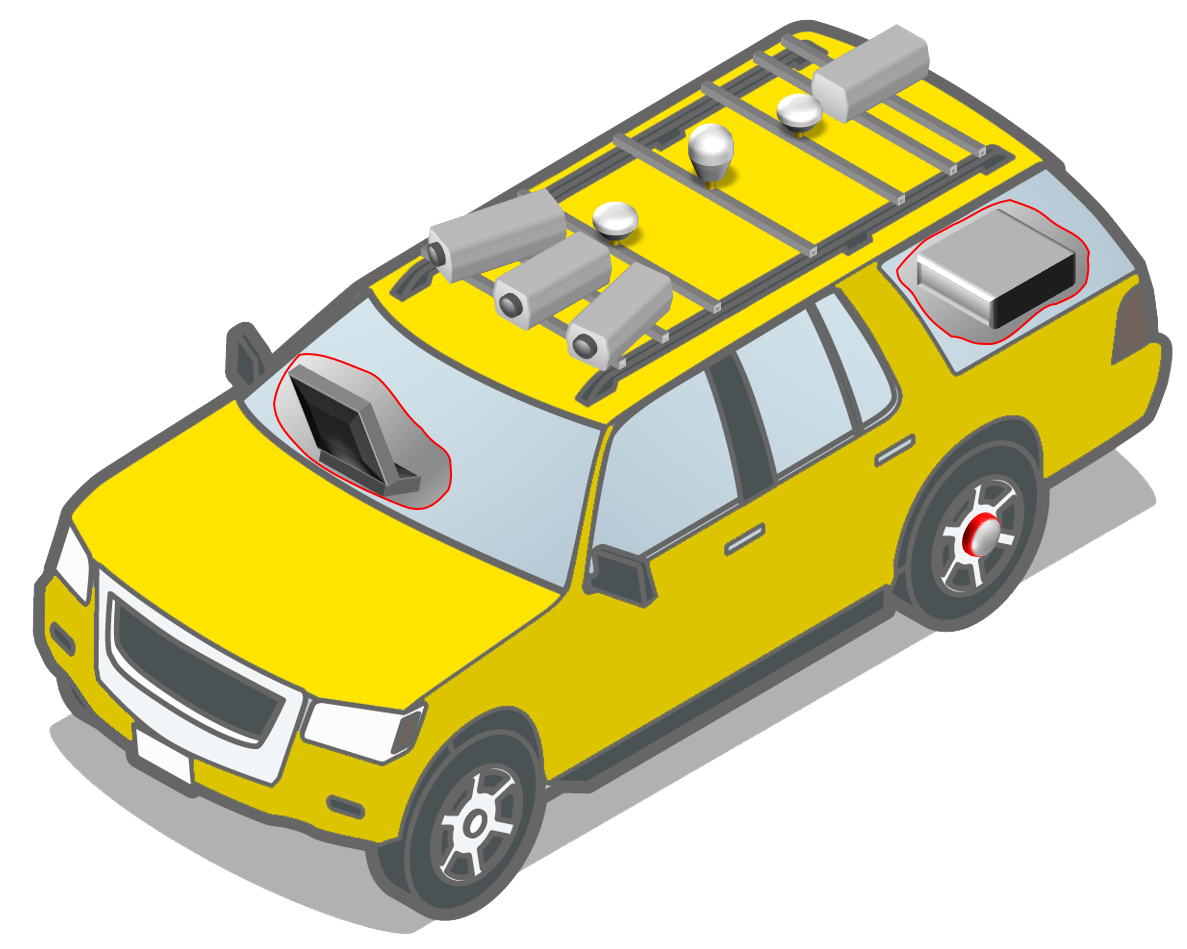
Partners advanced technical discussions on data collection, Digital Twins, and solution development, while pilot site representatives shared updates on implementation activities and agreed on the next steps.
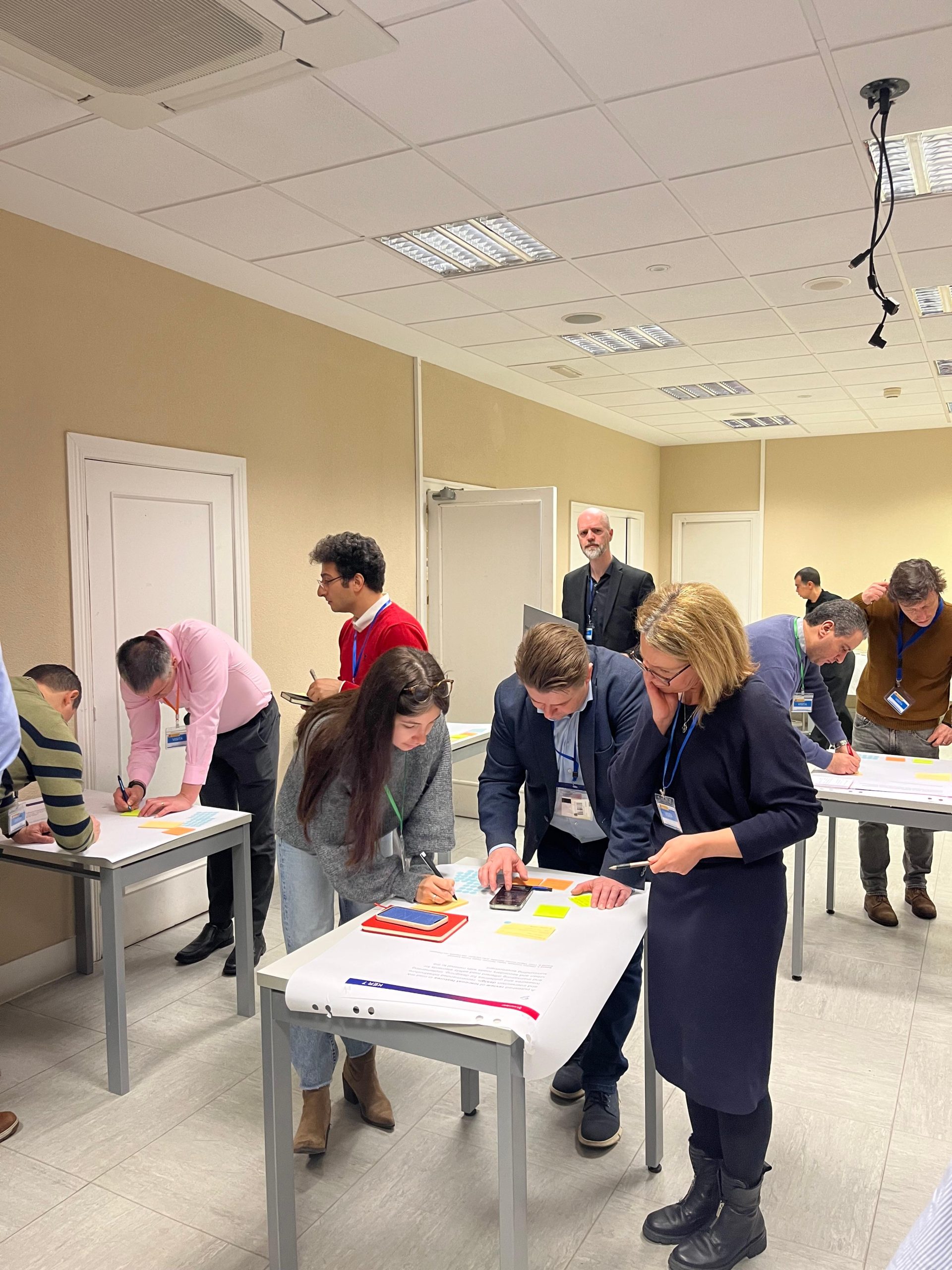
An interactive workshop was also held to further develop the project’s key results and maximise the expected impact of CAMBER outcomes.
Beyond the technical sessions, the meeting offered valuable time for in-person exchanges, strengthening cooperation and fostering closer collaboration across the consortium.
We would like to thank the Ministry of Transport and Sustainable Mobility for hosting the meeting and all partners for their active participation and continued commitment to the project.
About CAMBER
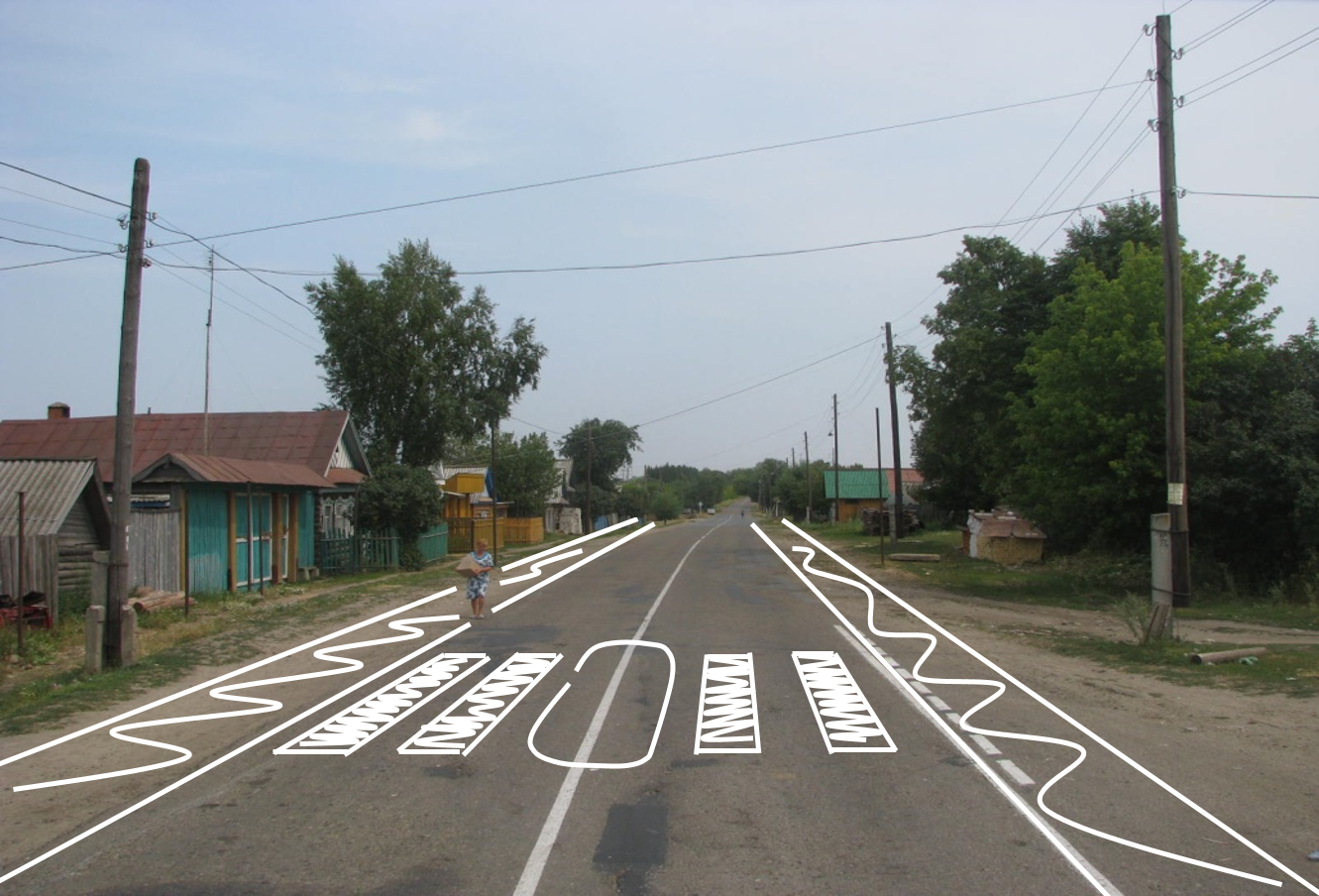
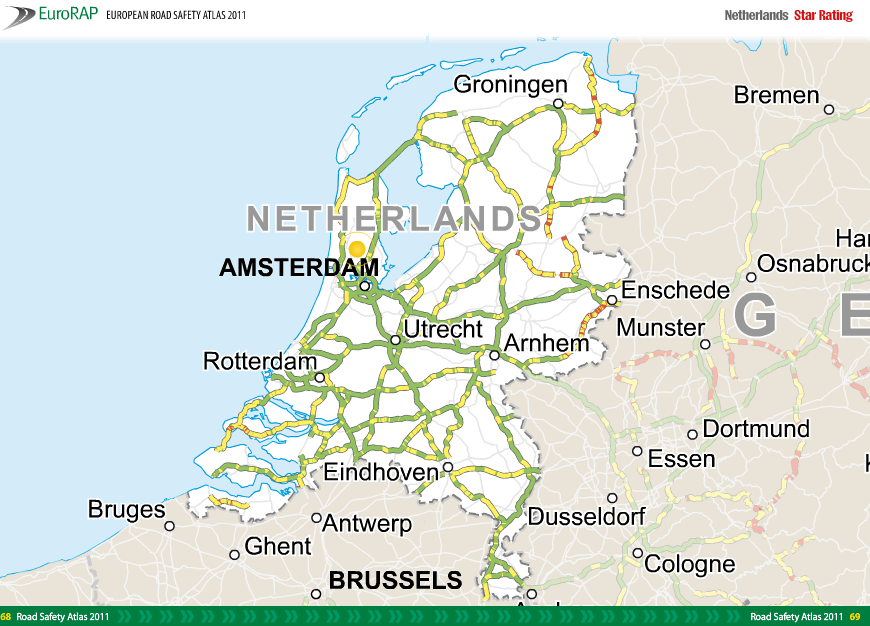
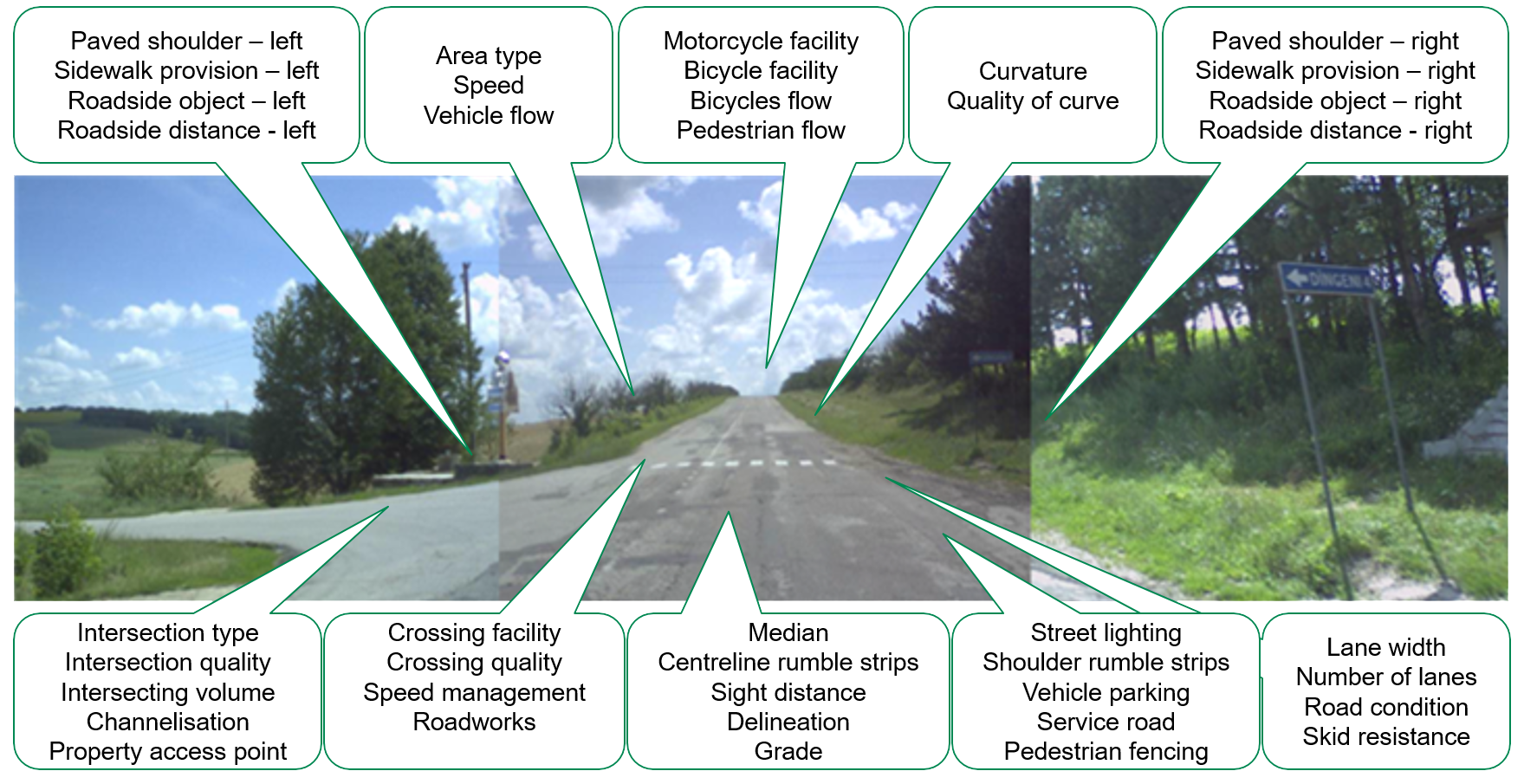
The Connected and Adaptive Maintenance for Safer Urban and Secondary Roads (CAMBER) project, co-funded by the European Commission and UKRI, aims to develop and demonstrate workable solutions to integrate asset and safety management for urban and secondary road networks. At an estimated 725,000 km, Europe’s secondary roads account for over 90% of fatal and serious crashes, of which one in three involve a motorcyclist, bicyclist, pedestrian or other micromobility user. The project team is made up of 14 partners from across industry, academia and the non-profit sectors. Together, they will undertake research and development into a range of new and innovative approaches using data, digital twins and vehicle-to-infrastructure technologies toward safety-centred maintenance and management of these roads. The approaches and tools will then be tested in Spain, Croatia, The Netherlands, Greece and Portugal. The project comes at a pivotal time for European road safety targets, which aims to halve road deaths by 2030, and eliminate fatal crashes by 2050.
Learn more about CAMBER at camber-project.eu/
Subscribe to CAMBER’s newsletter here
Images credit: iRAP CAMBER

 English
  Português do Brasil
  Français
  Tiếng Việt
  Русский
  Español de Colombia
  Nederlands