Lane Patrol is collaborating with the Istanbul Metropolitan Municipality (IBB) to support the planning and development of Istanbul’s future cycling network, powered by the globally recognized CycleRAP methodology.
The partnership marks a significant milestone in advancing safe, data-driven active mobility solutions in one of Europe’s most dynamic and rapidly growing cities, at the cusp of Europe and Asia.
As part of the project, Lane Patrol is conducting advanced simulations to help IBB design a future-ready cycling network spanning 150 km across three key districts.
These simulations will enable planners to evaluate multiple development scenarios, identify potential risks, and prioritize investments that will create safer, more accessible, and more connected cycling routes for Istanbul residents.
Additionally, Lane Patrol will generate an OpenStreetMap-based baseline assessment, providing the city’s first CycleRAP evaluation of its existing cycling infrastructure. The collected data will be adapted and validated to establish accurate CycleRAP risk levels and support evidence-based improvements.
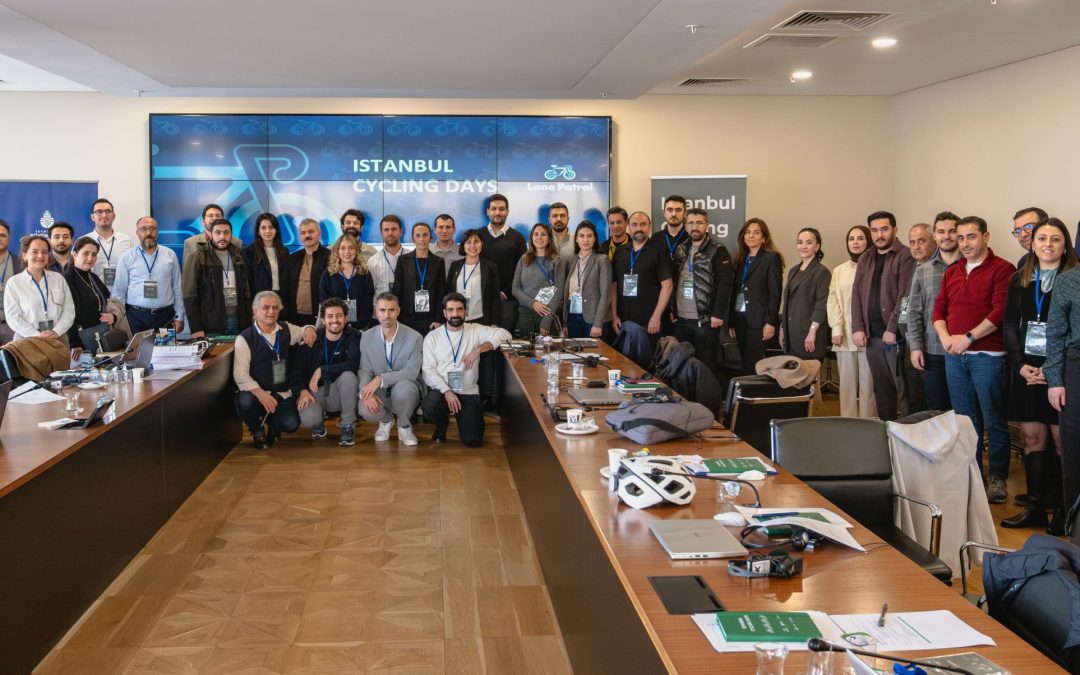
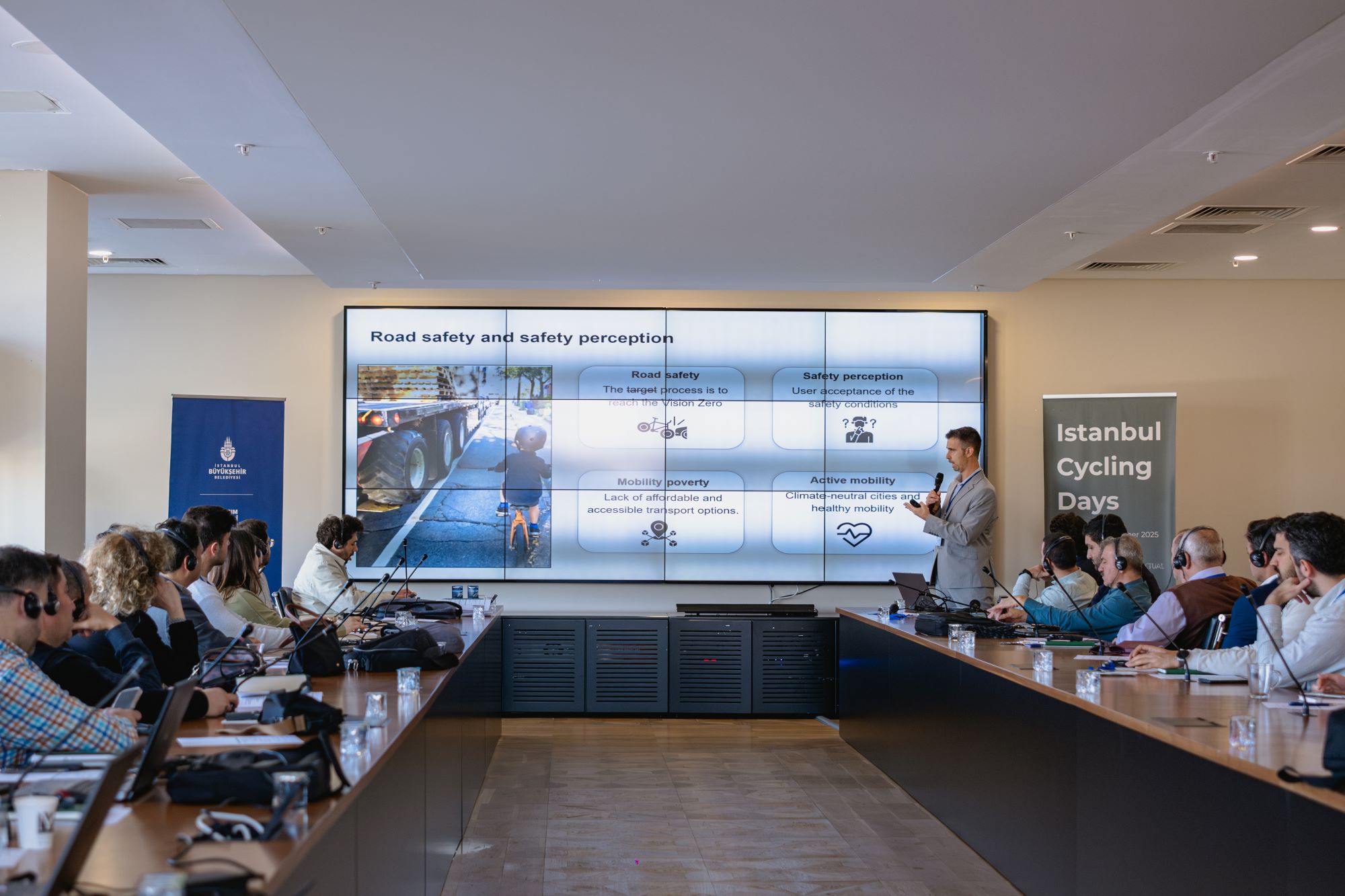
A central component of the initiative is a two-day capacity-building event recently held from 16-17 December designed to strengthen local expertise in cycling safety assessment and infrastructure planning.
Up to 40 IBB staff received targeted training, and a presentation and workshop for 30 national-level authorities in Turkiye supports the wider adoption of safe and sustainable mobility practices across the city.
The training explored global road safety challenges and the specific risks faced by vulnerable road users, the Safe System Approach, and how CycleRAP and the Lane Patrol platform is supporting evidence-based cycling safety assessments worldwide.
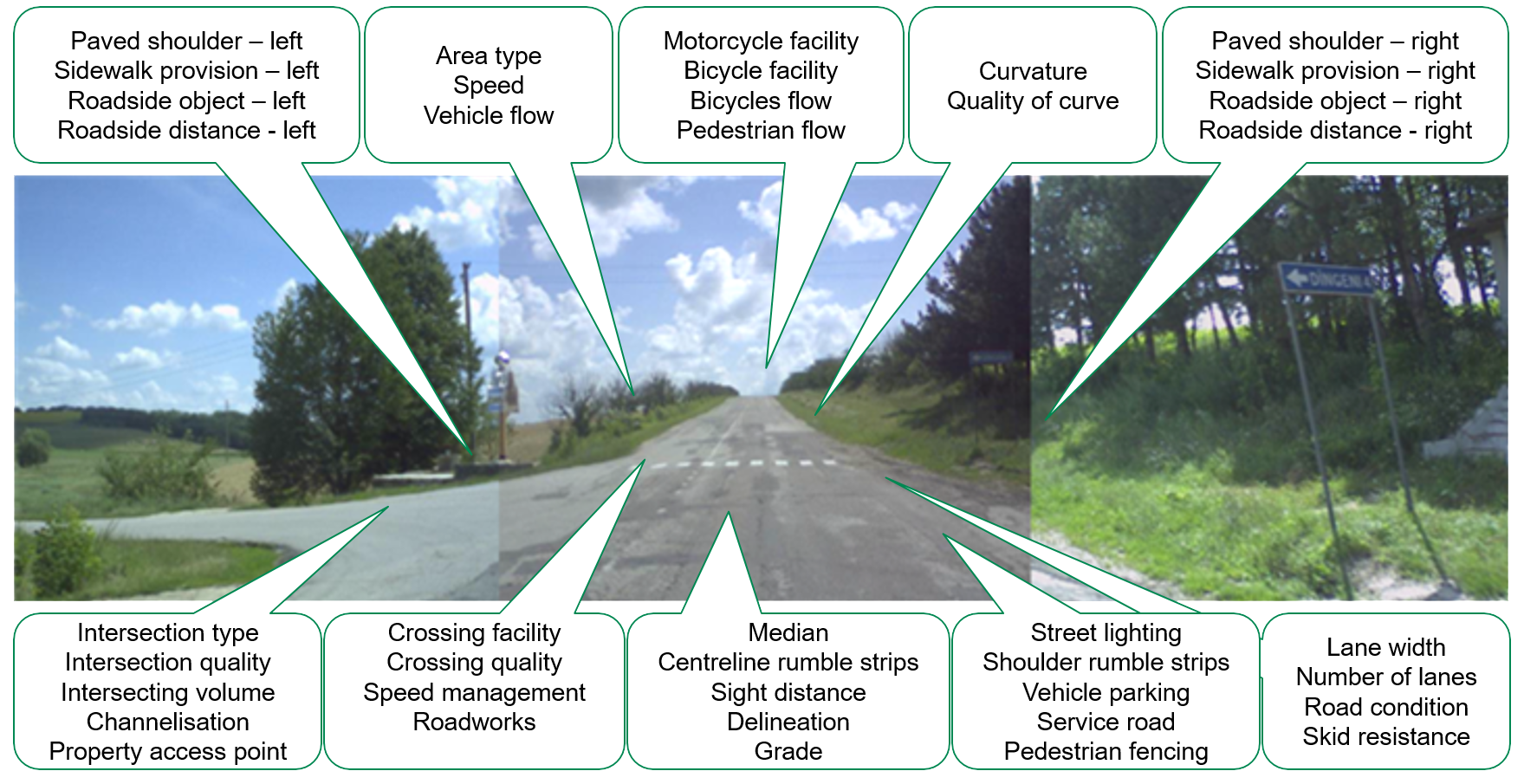
Sessions focussed in on the CycleRAP methodology, and leveraging the Lane Patrol GIS application (remote assessment), participants also learnt how to extract actionable insights from the data, validate conditions on the ground, and develop strategic infrastructure improvement scenarios that inform Sustainable Urban Mobility Plans (SUMPs) and policymaking.
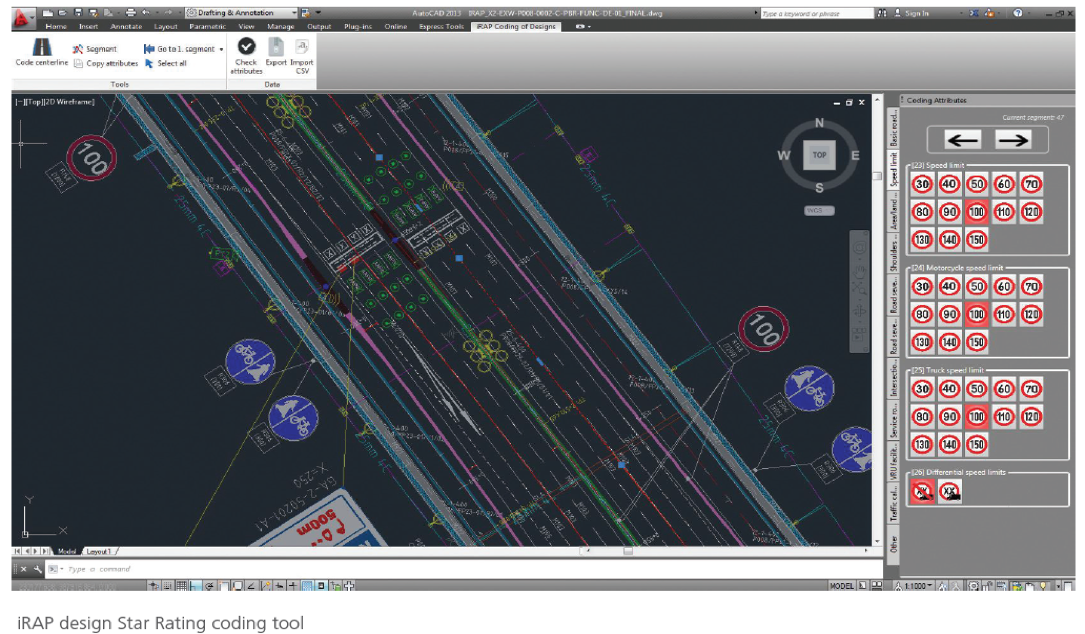
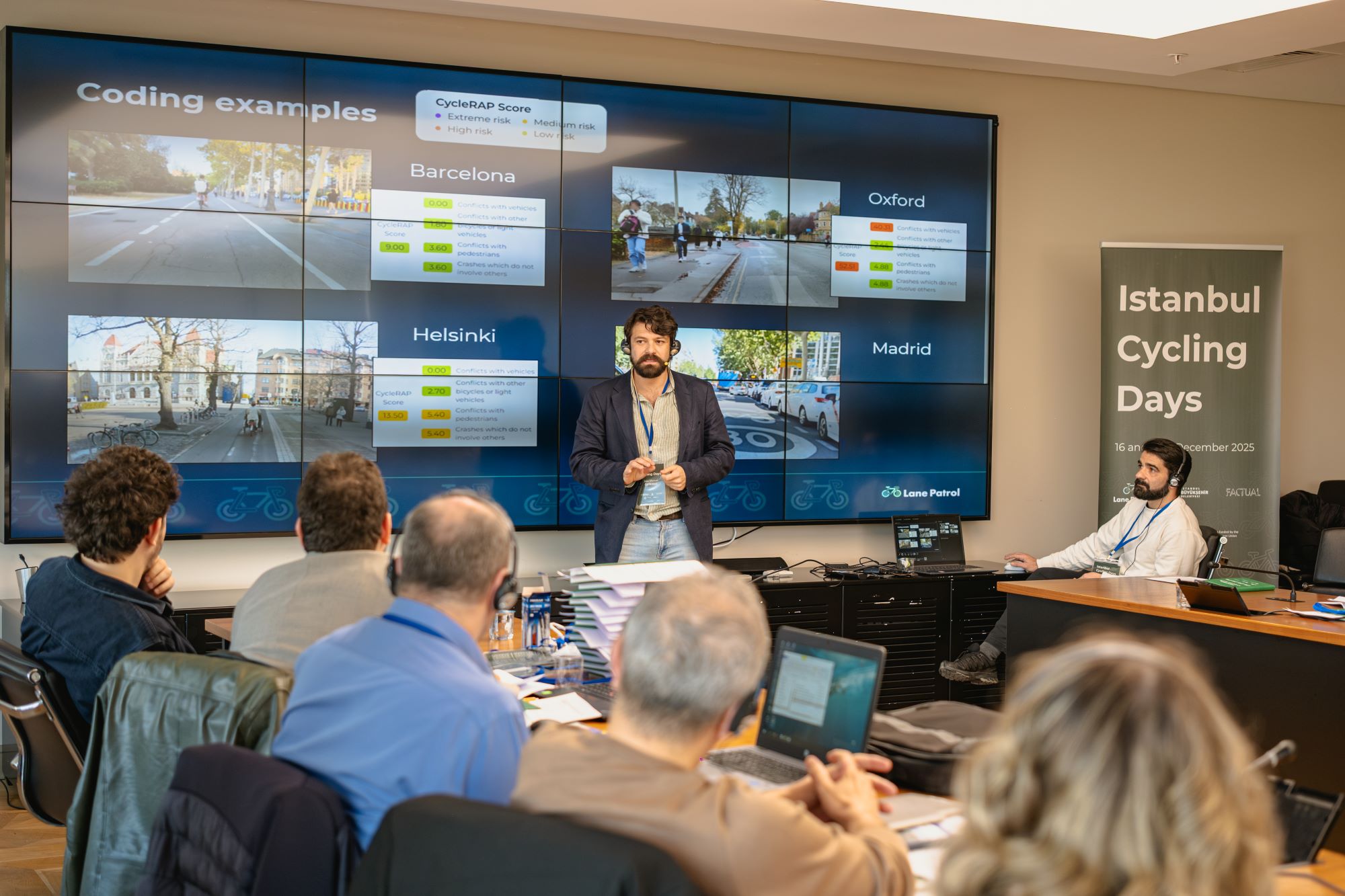
A hands-on coding session, using images gathered from the Istanbul project, enabled attendees to practice scenario simulation, interpret risk level scores, pinpoint hazardous segments, and generate before-and-after improvement scenarios.
Institutional talks explored innovation for active mobility in cities, the IBB cycling roadmap, and next steps for the project and beyond.
Marc Figuls, Managing Partner at Factual Consulting and Strategy Lead for Lane Patrol said, “We are excited to be partnering with the Istanbul Metropolitan Municipality in shaping the future of Istanbul’s cycling networks and active mobility in the city. The project will empower planners to identify hazards and optimise road safety and connectivity in their planning and designs to support increased cycling and micromobility.”
Pedro Coutinho, Co-founder and Tech Advisor highlighted that, “This project has been a key stepping stone in evolving Lane Patrol toward a SaaS platform that cities can use directly to manage and simulate their cycling networks. It has strengthened our mapping and planning tools, from city-wide analysis to detailed priority segments. Our vision is to make Lane Patrol a comprehensive platform for planning, simulating, and designing safe, connected cycling routes. And as we continue integrating new data sources like flow patterns, cities will be able to rely on increasingly robust, data-driven decisions to become more cycling-friendly.”
Lane Patrol, supported by CycleRAP, has already assessed more than 800 km of cycling infrastructure across 30 cities and is contributing to six European innovation projects. Read more here.
CycleRAP is an easy, affordable and fast method of evaluating road and bicycling infrastructure for safety. In use in more than 30 countries, it aims to reduce crashes and improve safety specifically for bicyclists and other light mobility users by identifying high risk locations without the need for crash data. Read more here.
Images and video credit: Marc Figuls/Lane Patrol

 English
  Português do Brasil
  Français
  Tiếng Việt
  Русский
  Español de Colombia
  Nederlands