
The Asian Development Bank (ADB) has approved a US$150 million loan to advance low-carbon and resilient urban development in Xianning Municipality in Hubei Province, the People’s Republic of China (PRC).
The total forecast investment in the Hubei Xianning Low-Carbon and Climate-Resilient Urban Development Project is $336.12 million including co-contributions from Xianning Urban Development (Group) Co. Ltd, Chibi Urban Development Group Co. Ltd and the Counterpart Fund.
iRAP-related key performance indicators include:
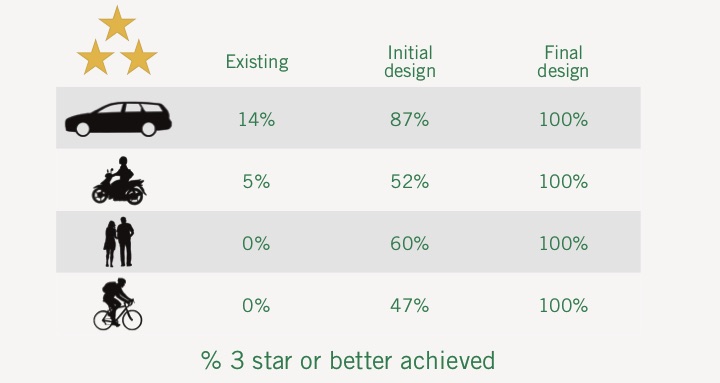
- At least 60 km of nonmotorized transport lanes to be rehabilitated or newly built, with their on-road sections achieving a three-star or better safety rating for cyclists and pedestrians;
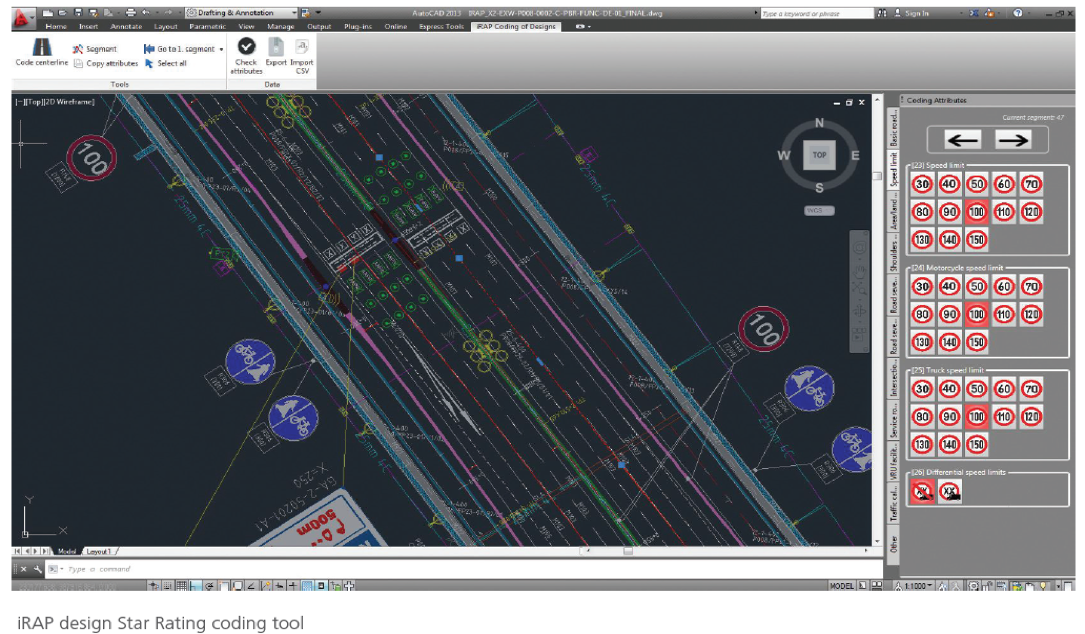
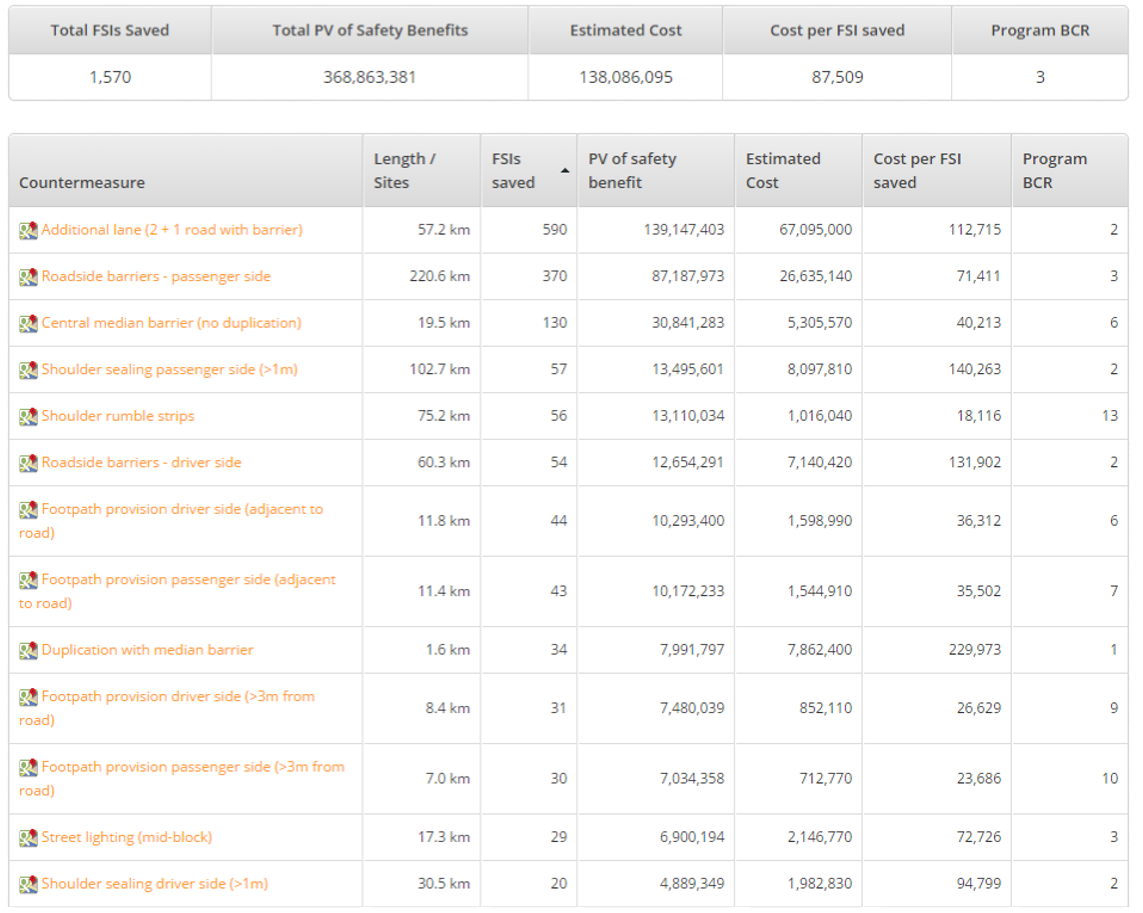
- The iRAP and the Safe System Approach to inform the detailed design audit to identify and inspect high risk road sections, and to develop Safer Roads Investment Plans to improve Star Ratings, ideally to 3-stars rating or better;
- iRAP road safety assessments to be conducted on detailed design drawings of the proposed roads/NMT facilities and targeted school zone improvements, and post construction to ensure road safety improvements are identified and evaluated.
ADB Country Director for the PRC Asif Cheema said, “The Hubei Xianning Low-Carbon and Climate-Resilient Urban Development Project will support the development of an efficient, smart, safe, and resilient transportation system and urban services in Xianning and Chibi City, in particular. Aligned with both the PRC’s goals for high-quality, low-carbon urban development and ADB’s country partnership strategy for the PRC, the project is also designed to serve as a replicable model for other small cities seeking to improve their urban resilience.”
Located in southeastern Hubei Province along the middle reaches of the Yangtze River, Xianning (including its sole county-level city Chibi) has a population of 2.6 million. Despite rich natural resources and its strategic position within the Wuhan City Circle, Xianning faces constraints to economic growth and liveability due to inadequate and aging infrastructure, frequent flooding, traffic congestion, and high road safety risks. Public transport use remains low, most roads lack bicycle lanes, and aging infrastructure has caused repeated disruptions in urban services. Flooding in 2020 also brought significant economic losses, while rapid urbanization has outpaced institutional capacity for coordinated planning and emergency response.
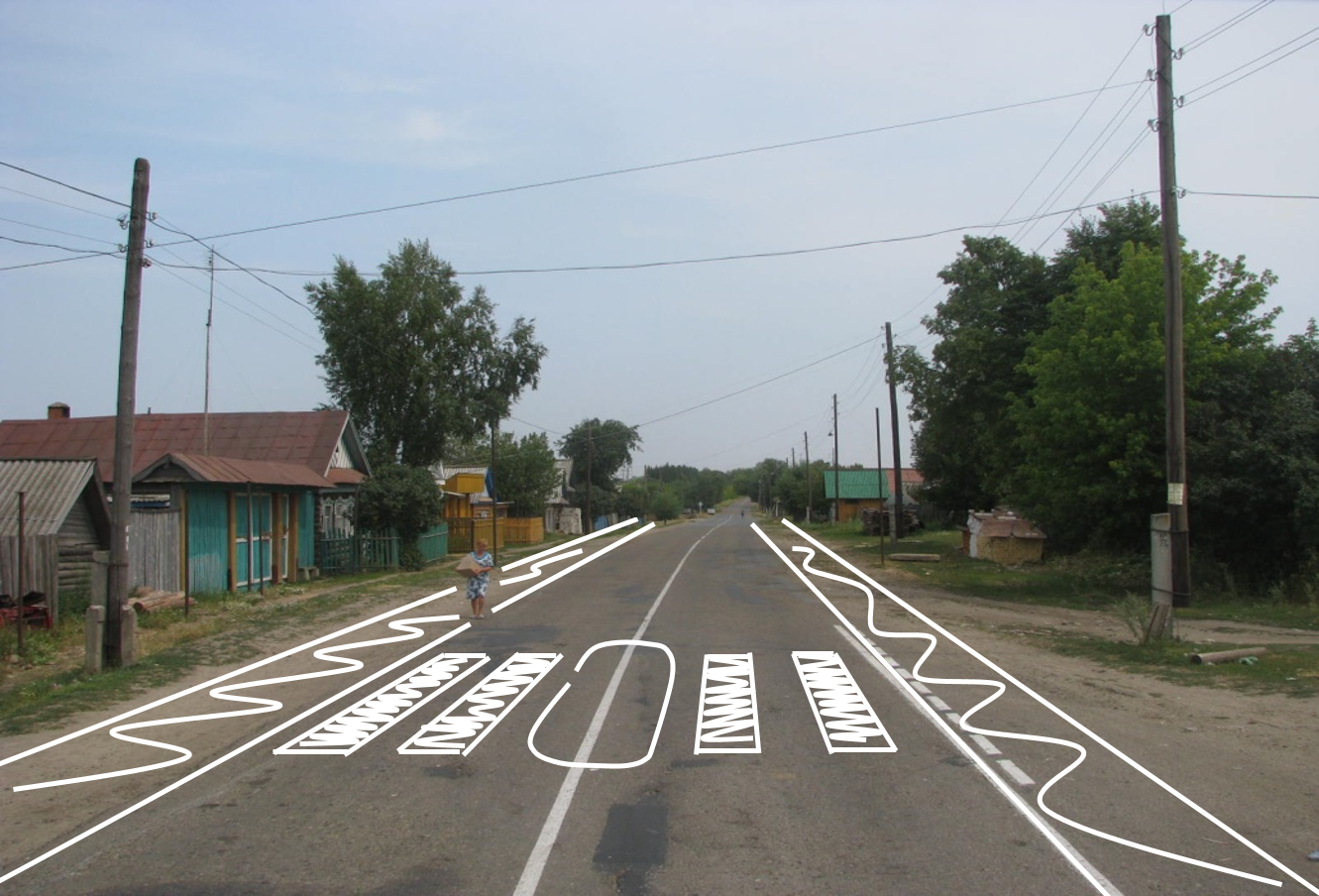
To modernize public transport and urban services, the project will construct new public transport infrastructure and digital information systems; build a new water supply pipeline to improve access for more than 115,000 households; and construct or rehabilitate nonmotorized transport and drainage infrastructure following a “dig once and build back better” approach. It will also establish a low-emission zone in the ancient city area of Chibi, and introduce electric buses and electric boats for commuting and tourism. At least 20 known safety blind spots will be removed to improve accessibility and safety for women, children, older persons, and other vulnerable road users. Skilled jobs will be created for women during the construction and operation of the integrated smart e-bus and e-ferry network.
ADB has added value through hydrological and hydraulic modeling, artificial intelligence-based transport modeling, and integration of a low-emission zone into the project design. ADB’s value addition is also reflected in the build-back-better approach, which will strengthen resilience by coordinating drainage enhancements with road and transport infrastructure upgrades, and by incorporating nonmotorized transport improvements, nature-based solutions, and enhanced road safety. The project will also benefit from ADB’s knowledge platforms, including its Women in Transport Network and sustainable urban transport partnerships, to strengthen resilience, institutional capacity, and long-term sustainability.
For more information, click here.
Image credit: Pexels Jiawei Cui | Article credit: ADB (edited by iRAP)

 English
  Português do Brasil
  Français
  Tiếng Việt
  Русский
  Español de Colombia
  Nederlands