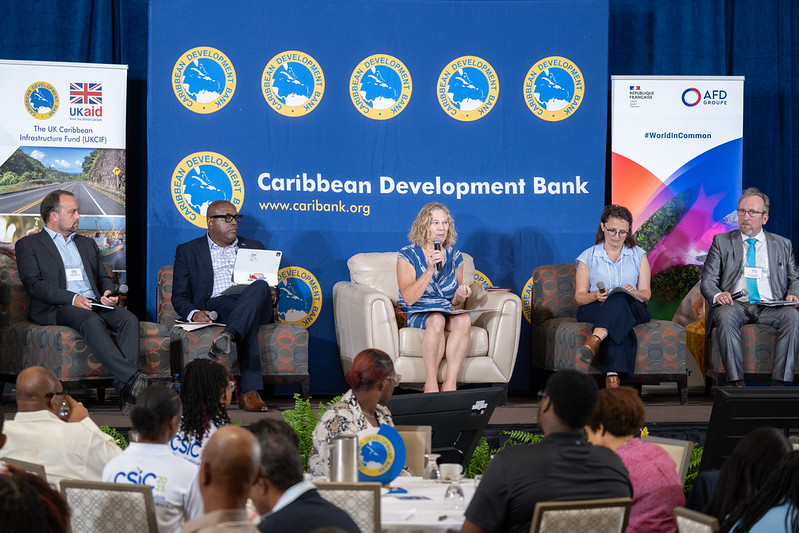
Morgan Fletcher, iRAP’s Operations Lead for Latin America and the Caribbean played a pivotal role at the inaugural Caribbean Sustainable Infrastructure Conference (CSIC) held from November 3 to 5 in Barbados.
The event, organized by the Caribbean Development Bank (CDB) in partnership with the United Kingdom Foreign, Commonwealth and Development Office (FCDO) and the Agence Française de Développement (AFD), brought together leaders, innovators, and experts from across the globe to discuss how to build infrastructure that balances economic growth, social inclusion, environmental resilience, and effective governance in the region.
The conference focused on four key themes: tackling climate risks, promoting equity and gender inclusion, advancing innovation-led economic development, and fostering governance through collaboration. As the region continues to grapple with climate-related challenges, such as increasing natural disasters and infrastructure vulnerabilities, the event spotlighted the urgent need for sustainable, resilient infrastructure solutions.
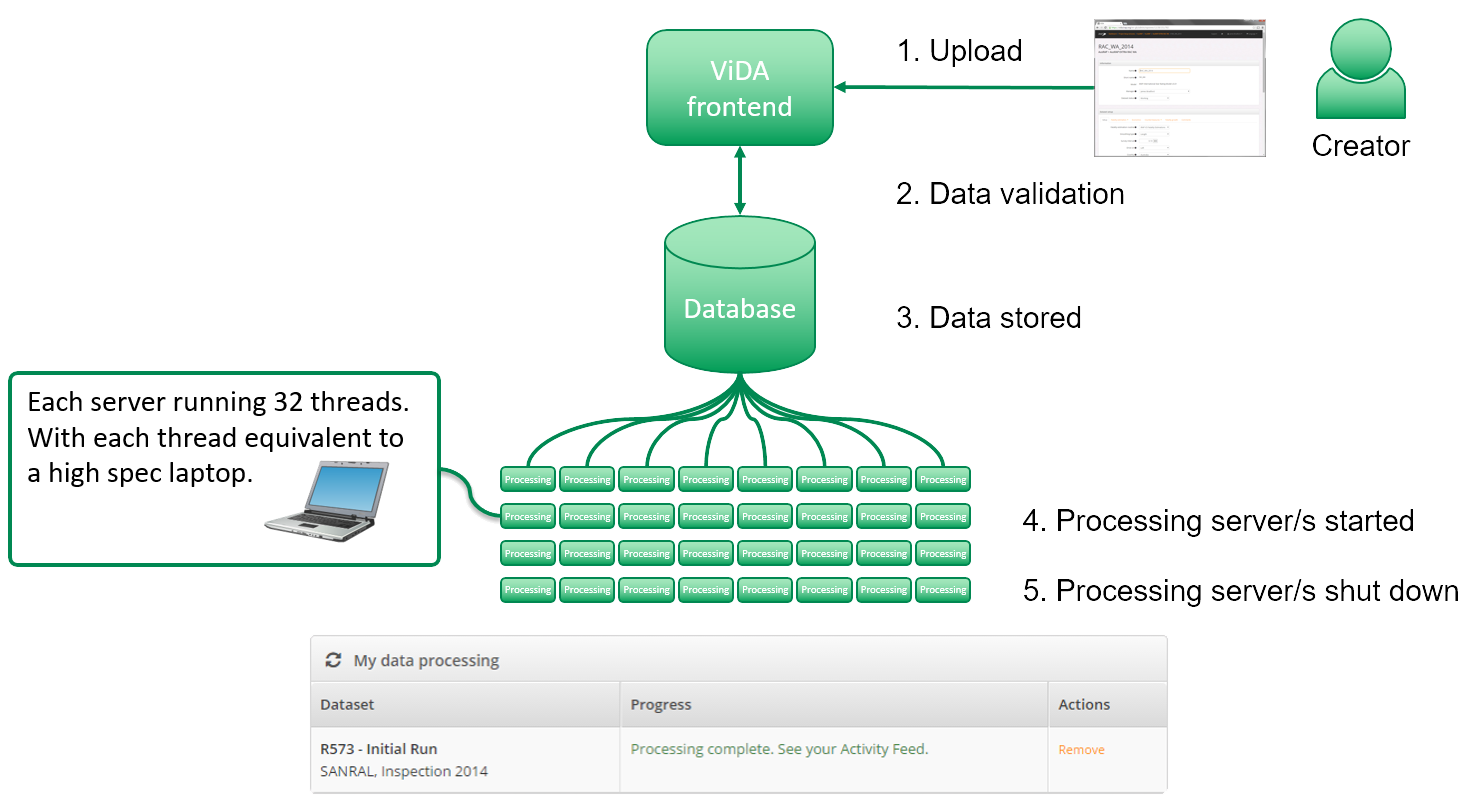
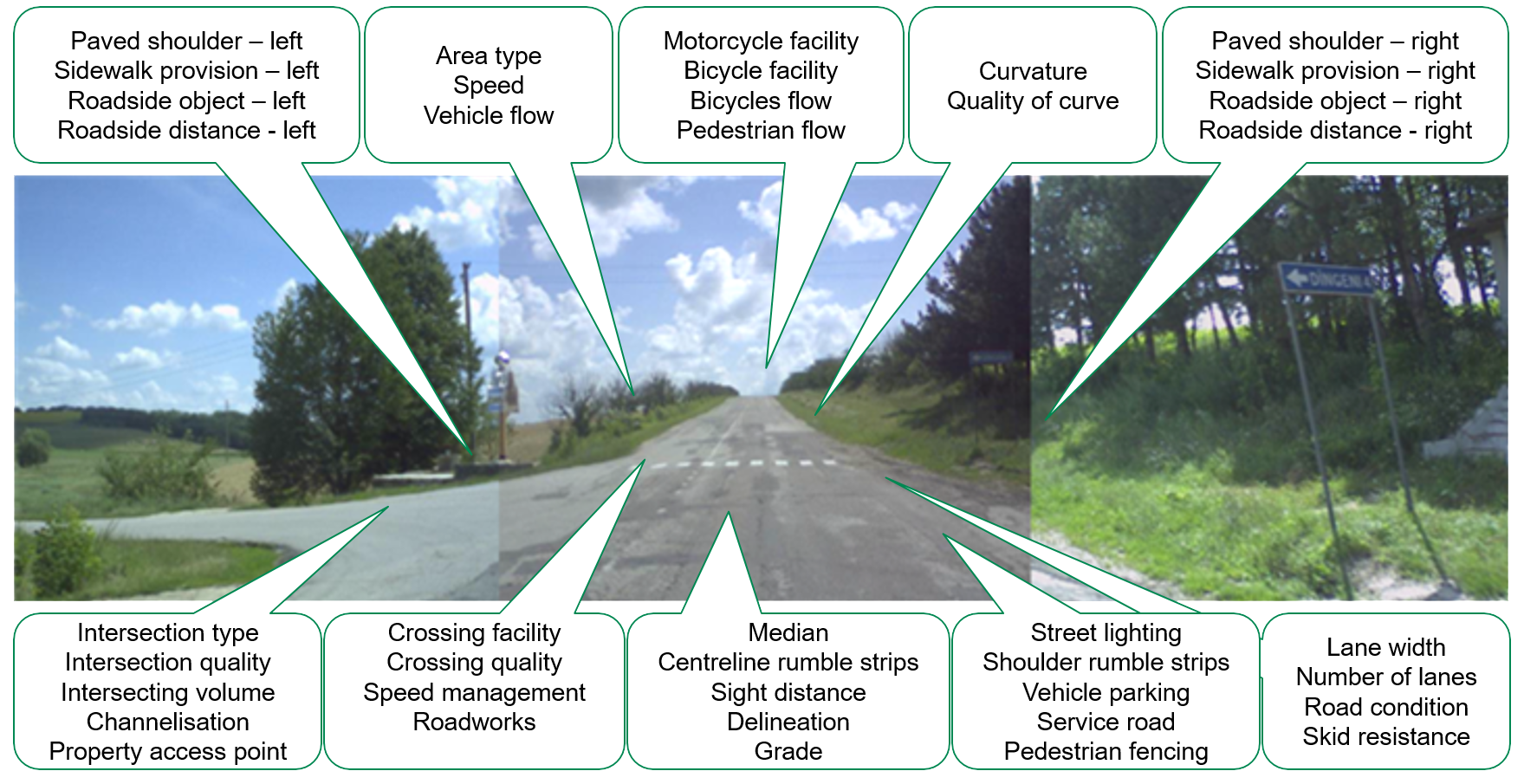
Morgan provided a spotlight presentation that gave critical insight into “Safety Maintenance and Resilience” to reduce road traffic injuries and mitigate climate impacts in the region. He shared the human and economic impact of road crashes in the Caribbean, the potential of AiRAP and big data to support road safety assessments, resilience as the hidden safety cost, and the opportunity to build back better with 3-star or better safer infrastructure.
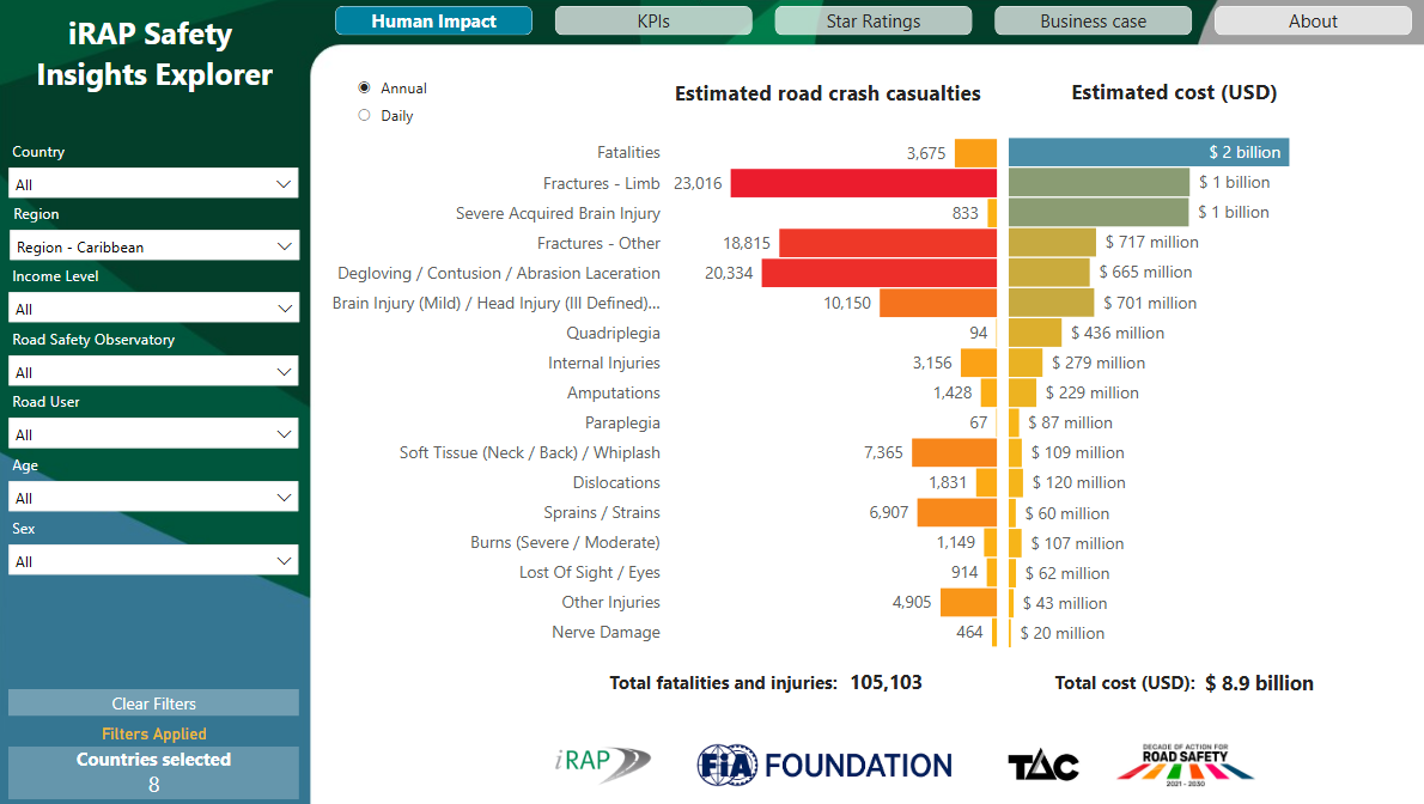
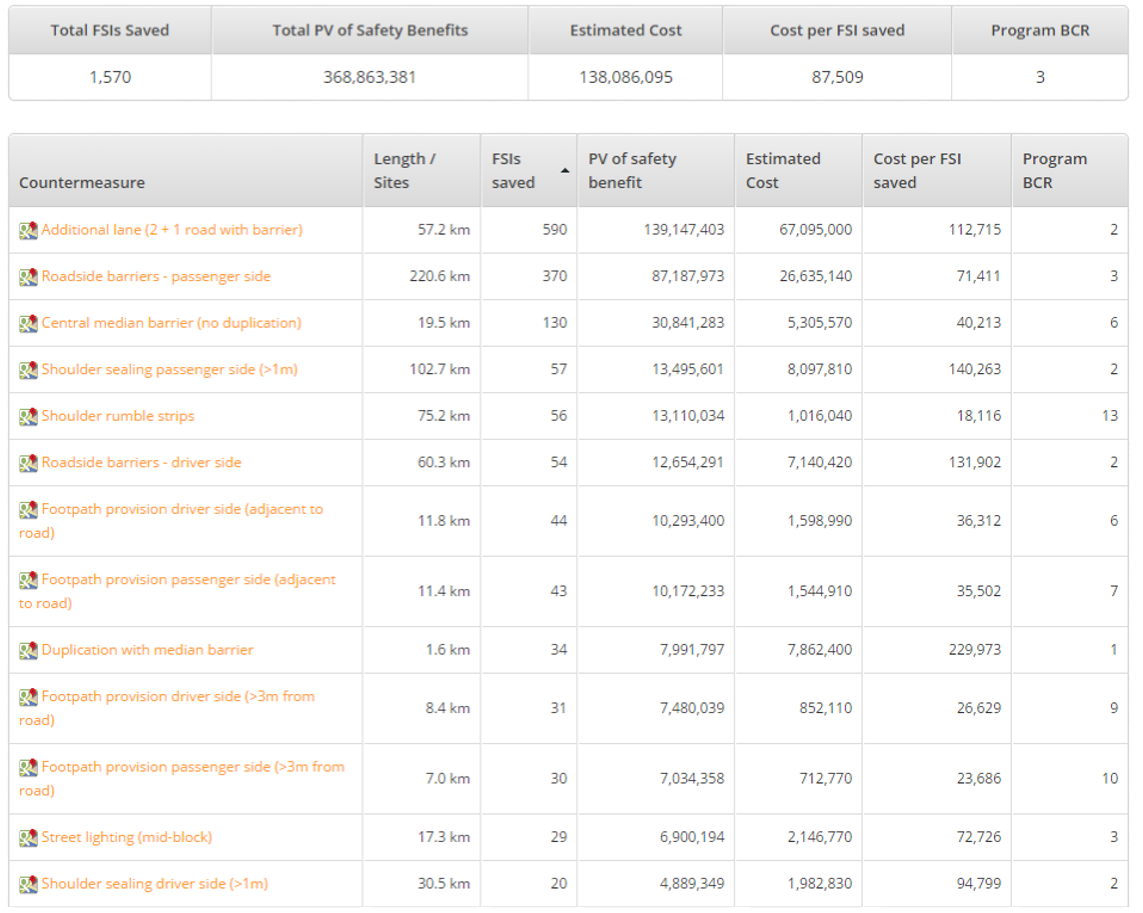
iRAP Safety Insights Explorer shares the human and economic impact of road crashes in the Caribbean and all countries, as well as how safe the roads are for road users, the road attributes that matter, and the Business Case for achieving the majority of travel on 3-star or better rated roads by 2030 (UN Target 4)
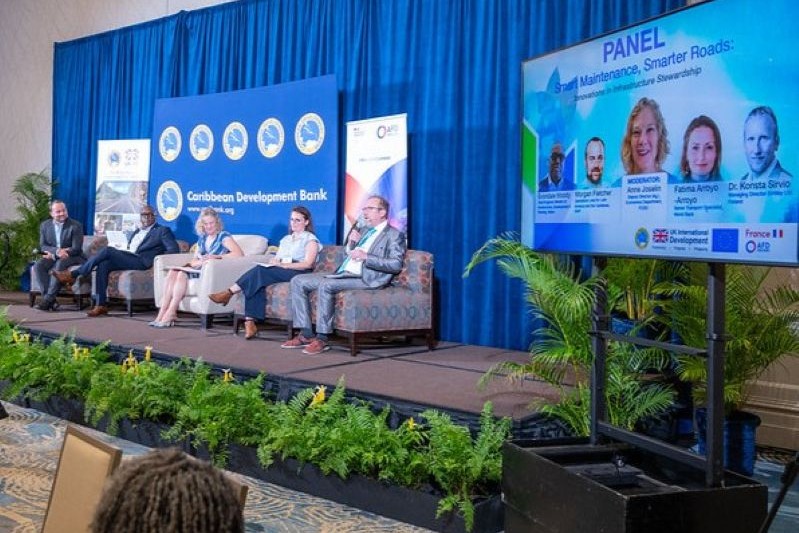
He also joined a panel on “Smart Maintenance, Smarter Roads: Strengthening Resilience Infrastructure for the Future,” alongside a distinguished line-up of experts to discuss how infrastructure innovations and smart maintenance strategies can drive forward the region’s sustainability goals.
The panel, moderated by Anne Joselin, Infrastructure Advisor at the British High Commission, also included Dr Konsta Sirvio, Managing Director of SirWay Ltd., Finland; Evondale Moody, Chief Engineer of the Ministry of Infrastructure Development and Housing in Belize; and Fatima Arroyo-Arroyo, Senior Transport Specialist at the World Bank.



“Improving road infrastructure is not just about building new roads; it’s about ensuring that existing roads are safe, resilient, and designed with long-term sustainability in mind,” Morgan said. “Partners across the region are using the iRAP methodology and tools to ensure Caribbean roads align to the 3-star or better global standard, with life-saving results.”
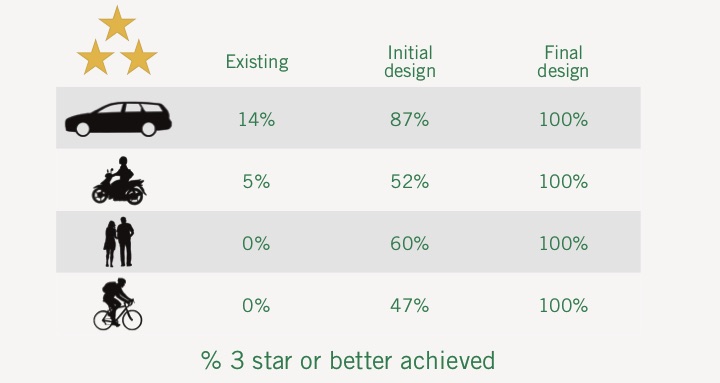
UN Targets 3 and 4 include ensuring all new roads are built to a 3-star or better standard for all road users, and more than 75% of travel is on the equivalent of 3-star or better roads for all road users by 2030.
Collaboration between governments, multilateral organizations, and private sector stakeholders is essential to ensure the successful implementation of road safety and infrastructure projects that protect lives and livelihoods.
For more information:

Images credit: CSIC

 English
  Português do Brasil
  Français
  Tiếng Việt
  Русский
  Español de Colombia
  Nederlands