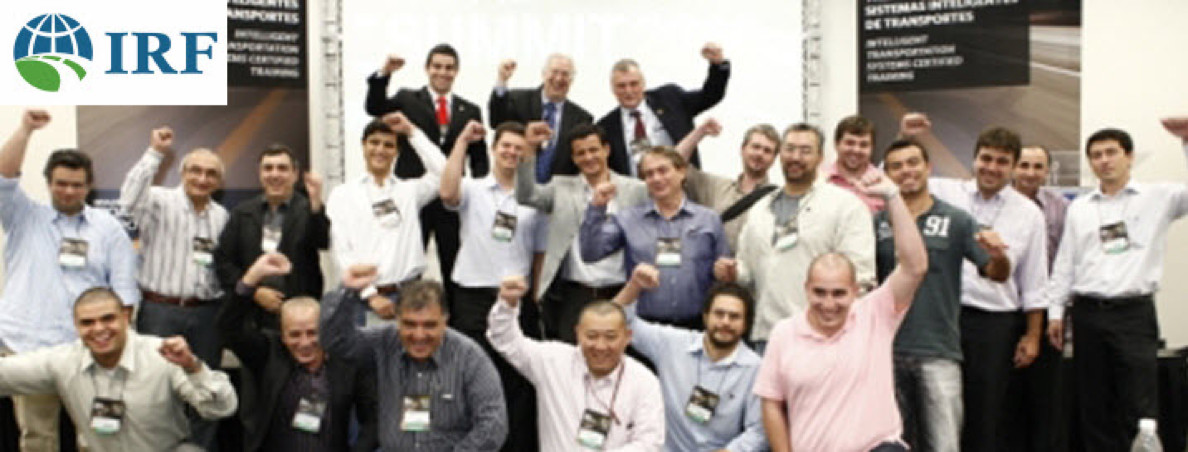
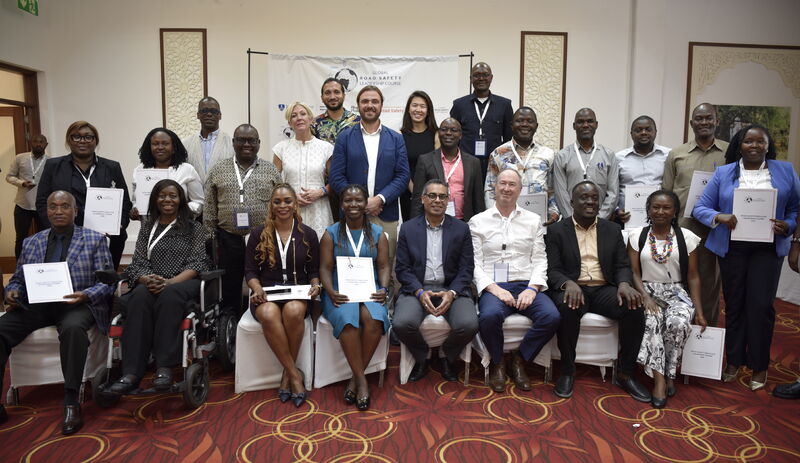
RSLEC participants in Mombasa
iRAP Safer Journeys Lead Nathalie Chiavassa has been in Mombasa over the last week supporting capacity building workshops for road safety leaders and senior police, led by the Global Road Safety Partnership (GRSP), and supported by Johns Hopkins International Injury Research Unit (JHIRU) and Bloomberg Philanthropies.
Global Road Safety Executive Leadership Course
Nathalie presented at the final in-person workshop of the Global Road Safety Executive Leadership Course (RSELC2025) in Mombasa City last Friday.
The course ran from 22 September to 7 November, via online sessions and an in-person one-week engagement. It brought together 43 road safety leaders from Uganda, Ethiopia, Ghana, Benin, Zambia, Sierra Leone and Kenya dedicated to strengthening road safety systems and advancing the global agenda for safer mobility.
The RSELC, led by GRSP and JHIRU, and supported by Bloomberg Philanthropies, is specifically designed for senior road safety leaders, with a key focus on enabling strategic decision-making that will provide a framework for evidence-based road safety interventions. It introduces key road safety topics and issues, but also gives a significant focus to leadership principles and road safety management based on the utilisation of data to inform best-practice approaches.
The programme provided valuable insights, strategic perspectives, and practical tools that will significantly contribute to enhancing road safety initiatives in countries.
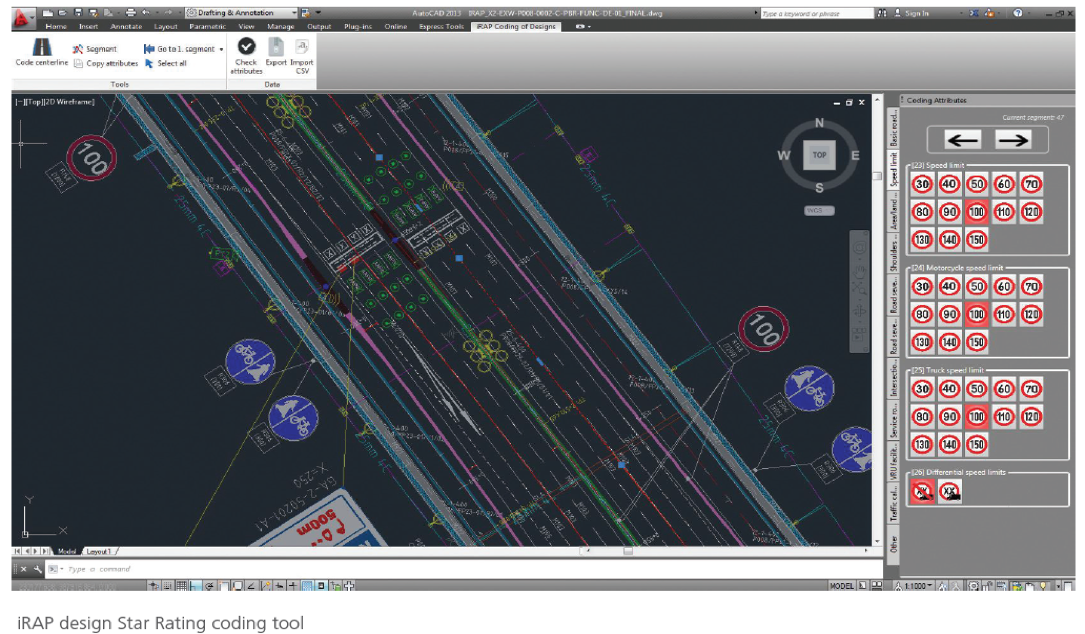
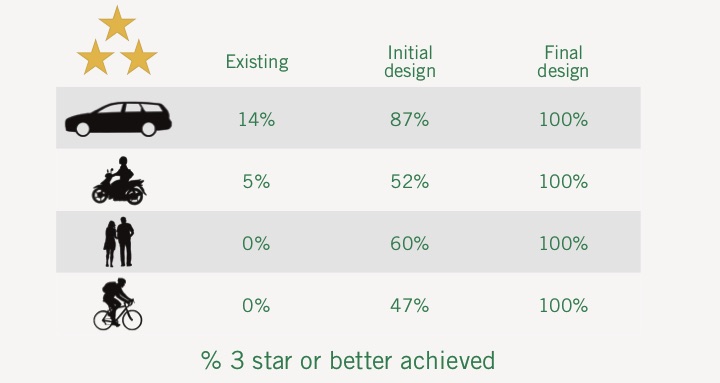
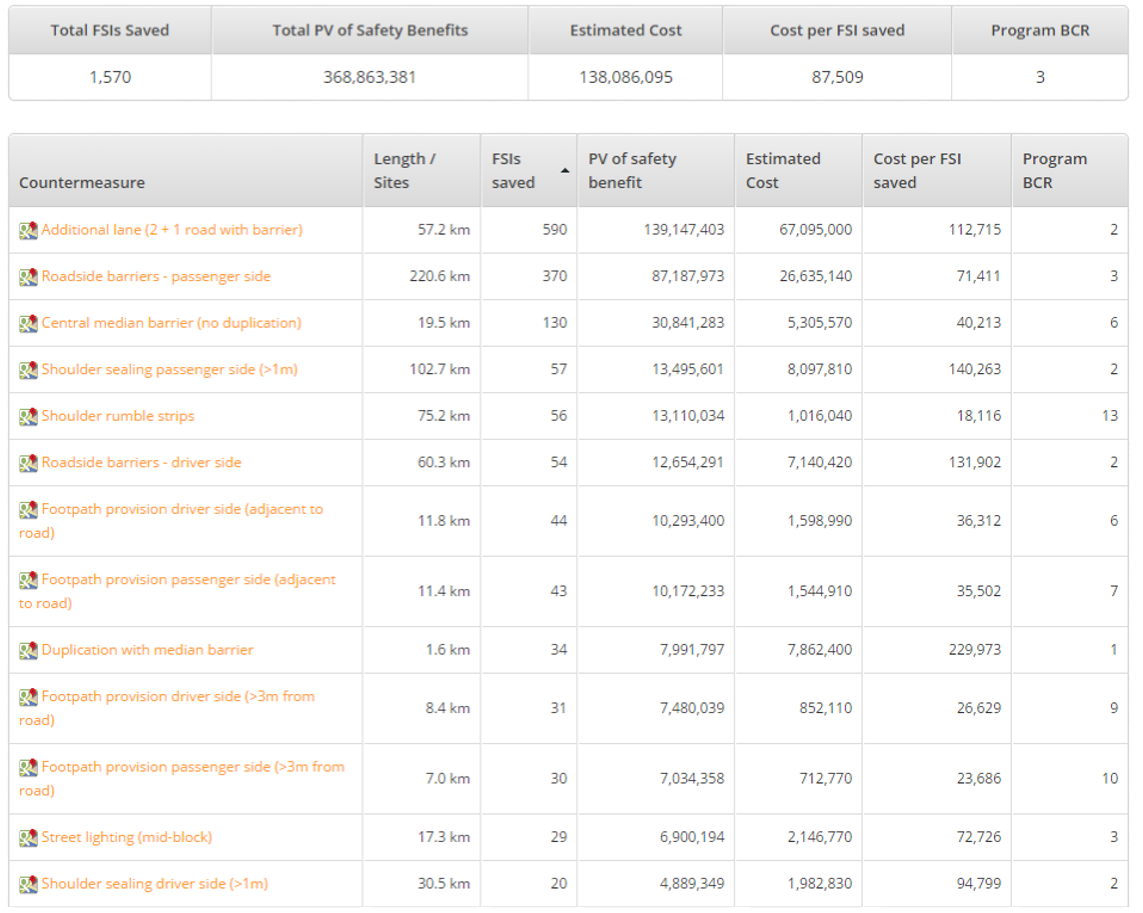
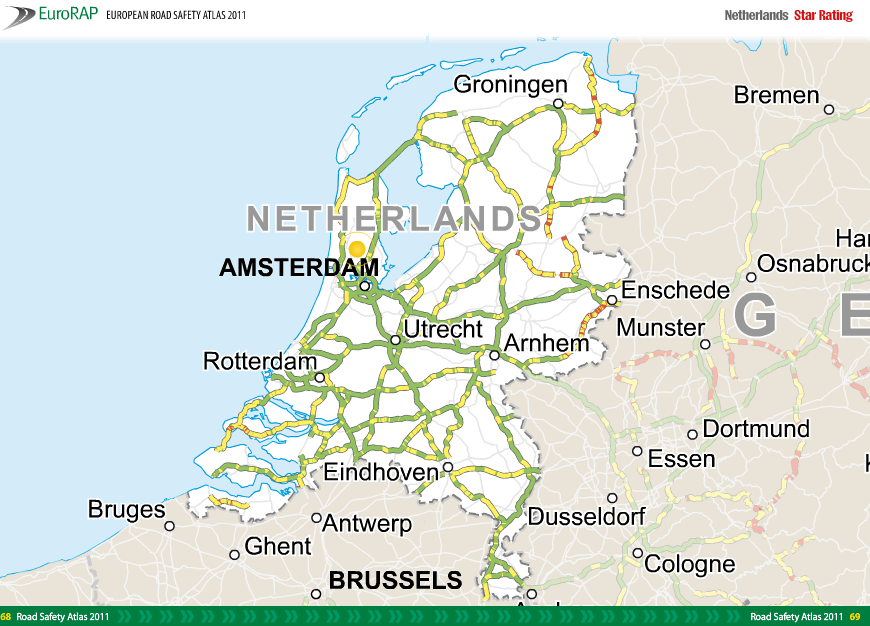
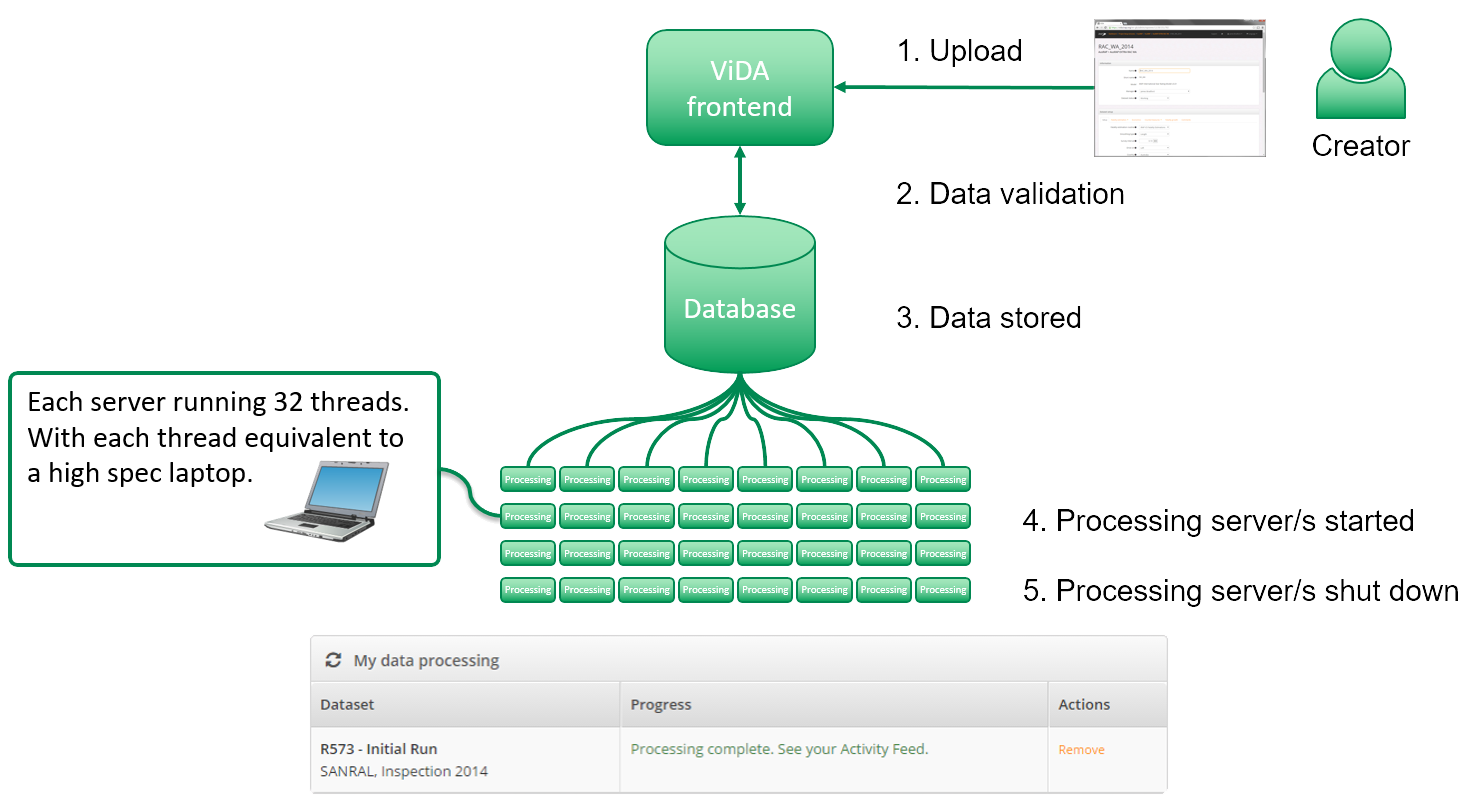
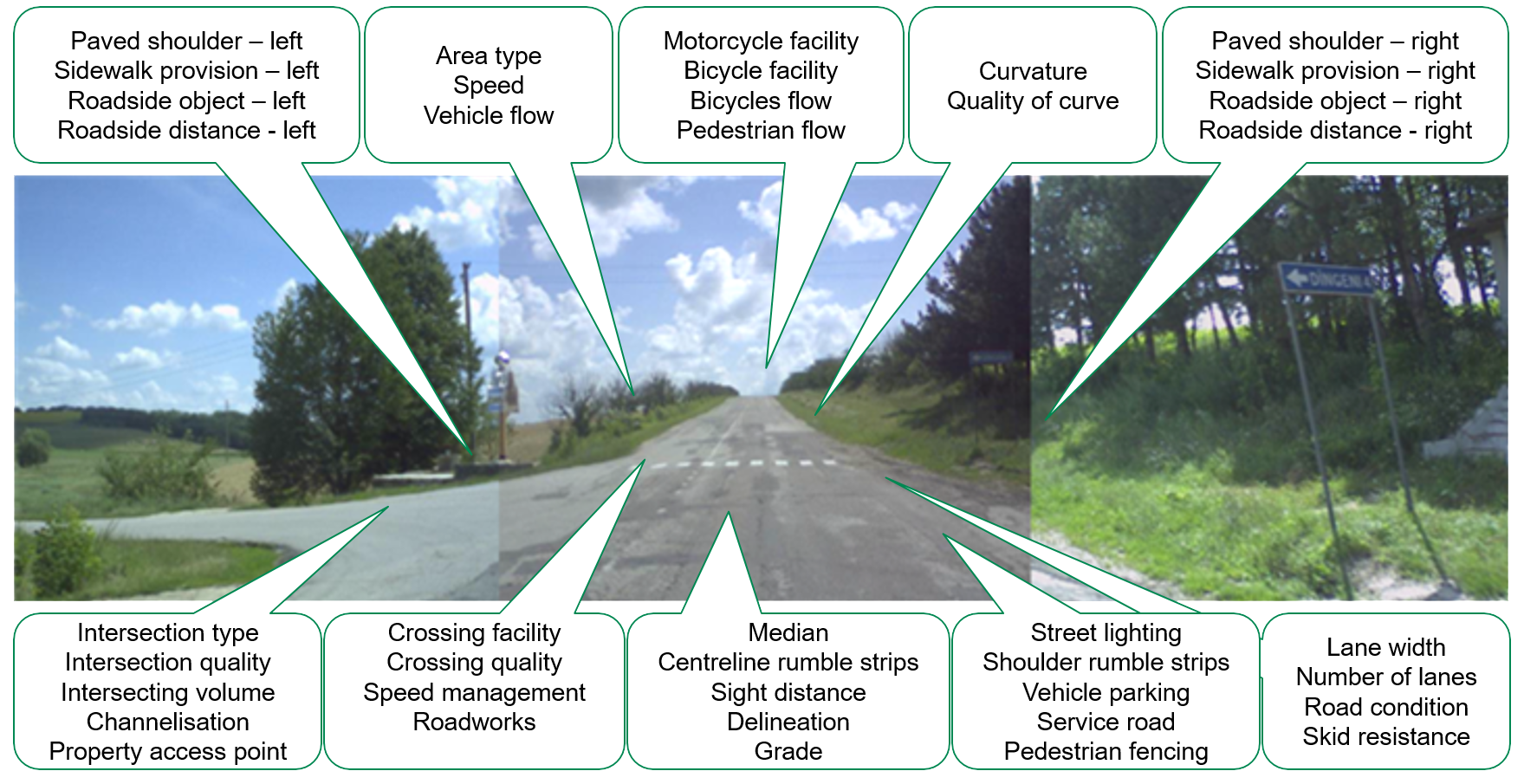
Nathalie shared the iRAP Methodology and tools helping to support safer road infrastructure and reduce the road trauma burden across Africa and the world.


Global Road Policing Executive Leadership Course
Nathalie also presented in the Road Policing Executive Leadership Course yesterday to 51 senior police leaders from Kenya, Ethiopia, Ghana, Uganda, South Africa and Jamaica.
Through its Road Policing Capacity Building Programme, GRSP is building policing capability through:
- Engagement with high-level road safety managers through dialogue and educational initiatives, highlighting effective road safety and strategic enforcement practice;
- Promoting ‘Intelligence Led’ enforcement through dialogue and training;
- Primary risk factor enforcement training;
- Roadside check point operational practice;
- Training of Trainers;
- Coaching and mentoring of road policing personnel;
- Strategic communications training;
- Management training for senior level officers and supervisors;
- Practical and theoretical training throughout the Road Policing Executive Leadership Course (RPELC); and
- Design and development of training materials and Standard Operational Procedures for road policing agencies.
The RPELC Course aims to improve and enhance road safety knowledge and strengthen capability of road policing agencies to enforce laws relating to primary road safety risk factors in low and middle-income countries. These include:
- Speeding;
- Drink-driving;
- Non-use, or improper use of helmets, and
- Non-use, or improper use of seatbelts and child restraint systems
All knowledge and policing practices are tailored to the local context, to allow for flexibility in their application by local police.
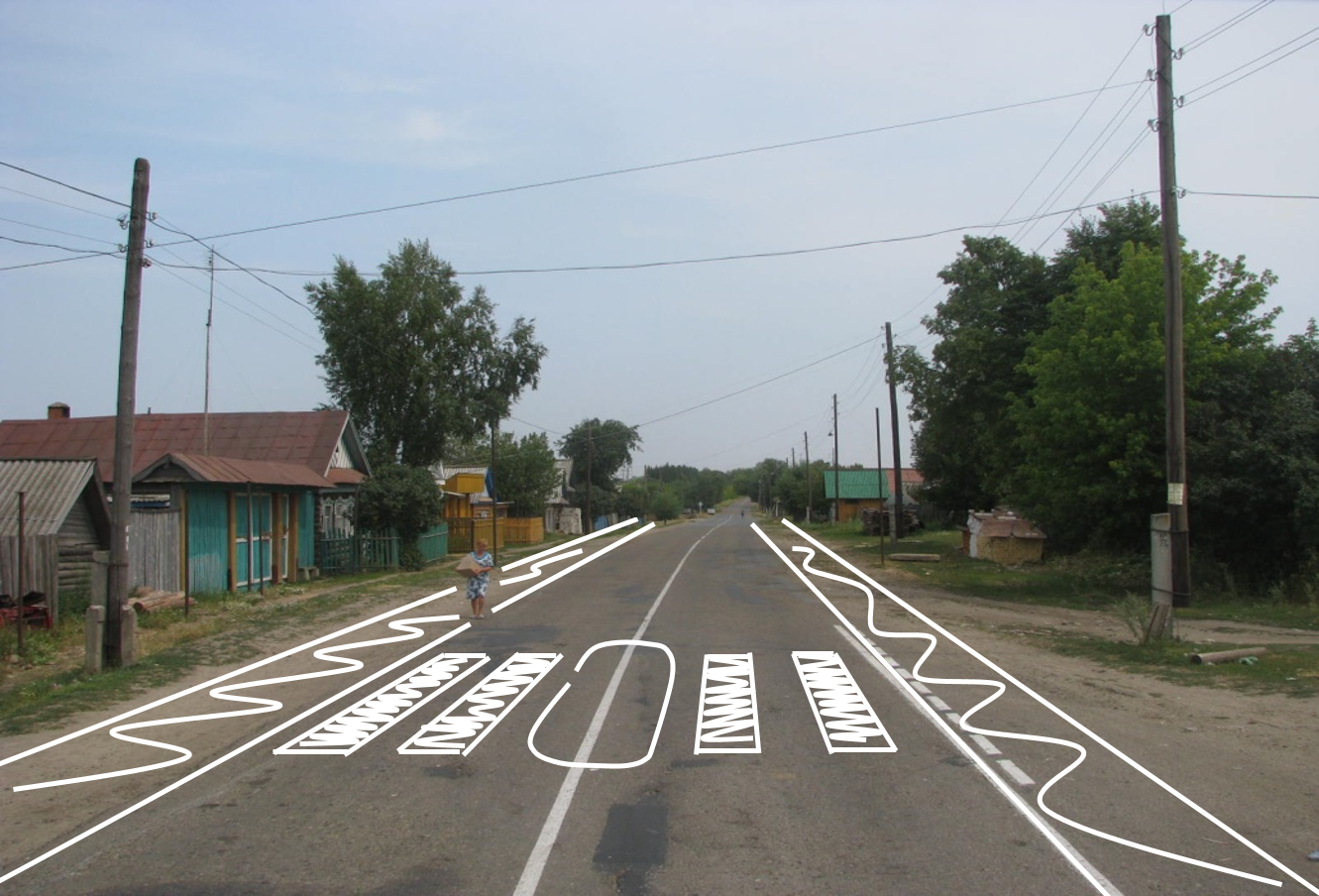
Nathalie’s presentation focussed on the intersection between enforcement and infrastructure improvement.
“Strengthening the capacity of road traffic police to enforce traffic laws is essential to deterring violations, reducing harm, and promoting safer behaviour on our roads,” Nathalie said. “Understanding the impact of road infrastructure risks empowers police to not only respond to crashes but also to proactively advocate for safer, more resilient road systems that protect all users.”

“I am pleased to be involved the GRSP workshops in Kenya over the last week. They are important initiatives supporting the UN Decade of Action for Road Safety goal of halving global road deaths and injuries by 2030. This is especially critical in Africa where the road injury burden is disproportionately high,” Nathalie said.
Through these programmes, GRSP is providing professional knowledge relating to road safety and enforcement based on recognized international best practices.
The GRSP also coordinates the Global Road Policing Network (GRPN), which is a network of road policing stakeholders dedicated to maximising the impact of road policing on reducing global road trauma.
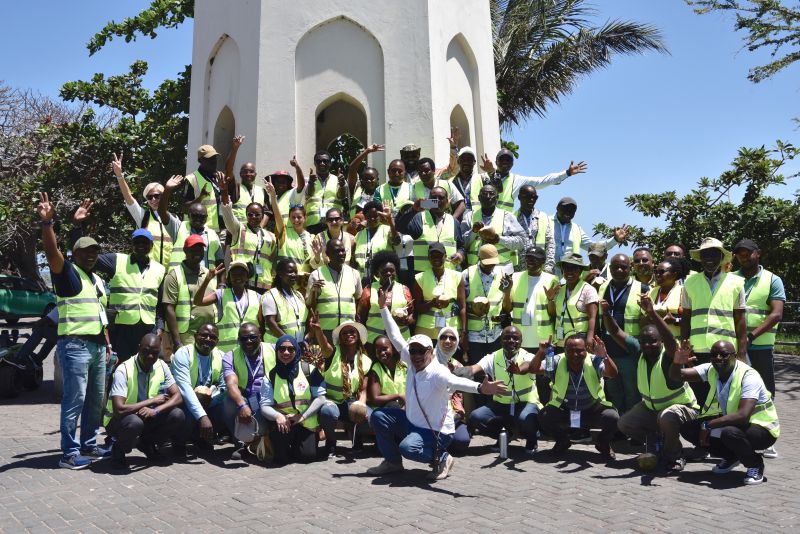
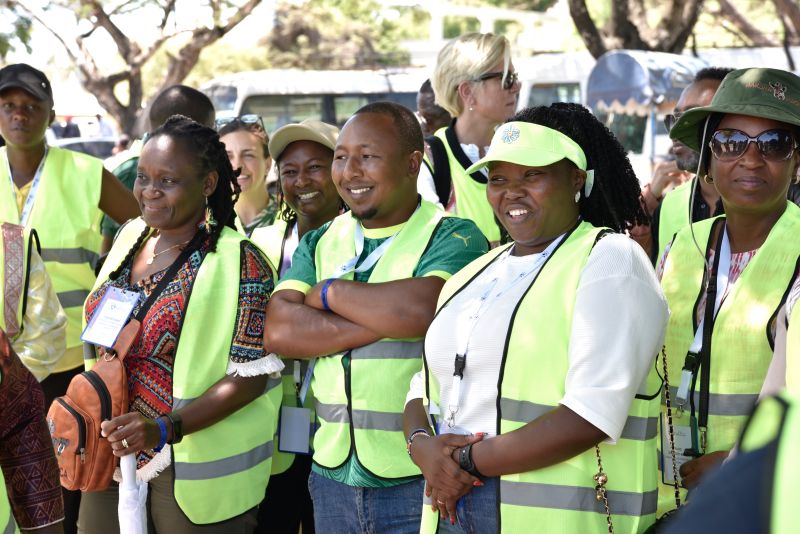
The Road Safety Executive Leadership Course participants enjoyed a walking tour through Mombasa’s landmarks, guided by the Global Designing Cities Initiative. The walk highlighted the city’s ongoing efforts to create safer, more people-friendly urban spaces
Images credit: GRSP

 English
  Português do Brasil
  Français
  Tiếng Việt
  Русский
  Español de Colombia
  Nederlands