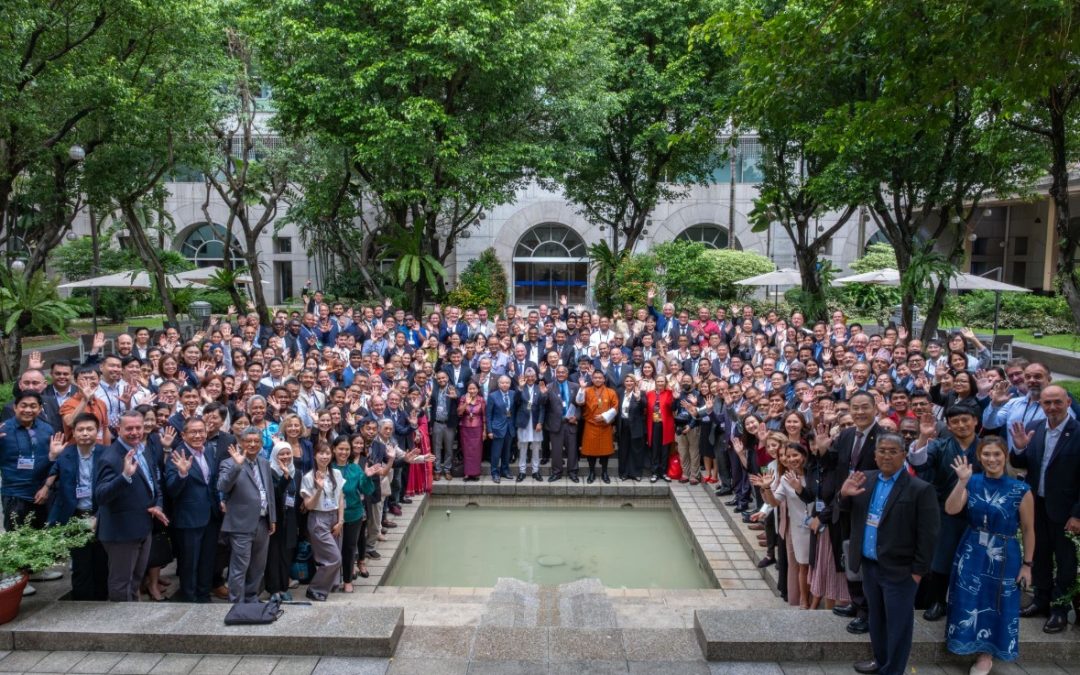
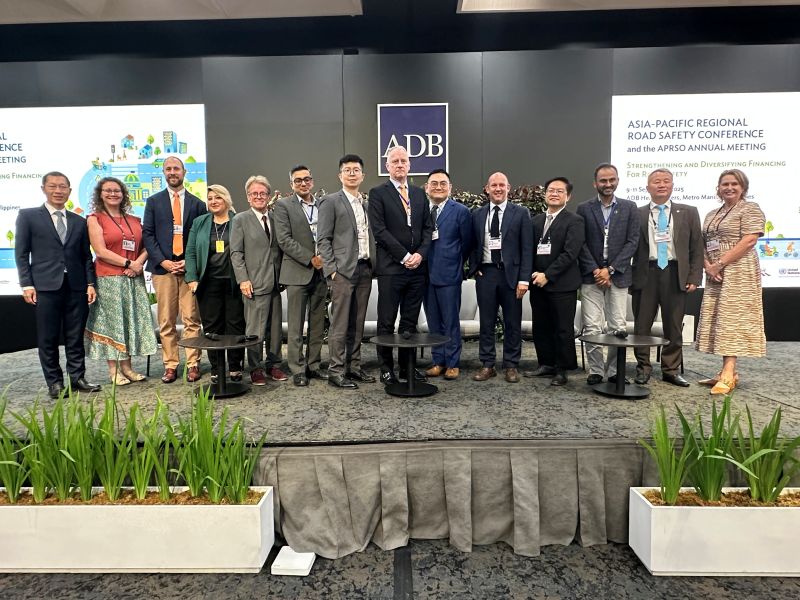
Last week we had the privilege of joining road safety leaders and stakeholders in Manila at the Asia-Pacific Road Safety Conference (APRSC2025), where we hosted four important sessions from 9–11 September focussed on the theme “Strengthening and Diversifying Financing for Road Safety”.
With support from the Japan Fund for Prosperous and Resilient Asia and the Pacific (JFPR) and the High-Level Technology Fund (HLTF), the Conference was organized by the Asia-Pacific Road Safety Observatory (APRSO), the Asian Development Bank (ADB) and the Global Road Safety Partnership (GRSP), with additional support from iRAP, the FIA Foundation, the Embassy of Sweden in Manila, Bridgestone Asia Pacific, and the United Nations Special Envoy for Road Safety.
Over 250 participants from across Government, civil society, private sector and research institutions gathered to discuss how targeted investments can drive safer, more sustainable mobility. Of particular note, was the high-level participation from senior Government officials, including Ministers, Deputy Ministers and senior representatives from transport, health and related agencies.
The conference featured several high-level sessions, including a Ministerial Roundtable on addressing road safety in their respective countries; keynote presentations from Mr Jean Todt, UN Special Envoy for Road Safety and Dr Soames Job; and sessions that focused on global and regional lessons learned from effective interventions, collaborative strategies to improve funding mechanisms, powered two-wheeler safety, policy and finance frameworks for sustained investment, and safer road infrastructure.
iRAP hosted four sessions and we thank our presenting partners:
High-level Roundtable: Enhancing Funding for Safer Road Infrastructure
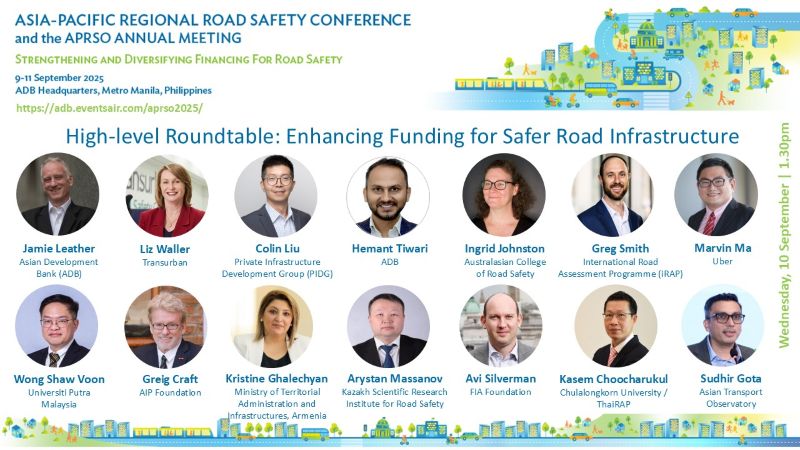
With the Asia Pacific region projected to add 8 million kilometres of roads by 2030, with annual investments reaching $1 trillion for construction and maintenance, enhancing funding and safeguards for safer road infrastructure are critical. In February, a new report was launched entitled Ensuring Roads are Upgraded and Lives Saved: The Keys to Implementation Success. It outlined key factors for countries to ensure that roads are upgraded and lives saved including strong leadership; well-formed policy and strategy; financial and technical capacity; evidence based tools and data; mobilization of existing and new finance that is optimised for safety; positive stakeholder engagement; monitoring and evaluation; and finally the celebration of safer roads and the saving of lives. The Roundtable convened leaders in road infrastructure development and financing in an interactive dialogue to explore the keys to success, opportunities and priorities for enhanced funding and action for safer roads.
Three take-aways from the Roundtable:
- There are similarities between road safety and air pollution from road transport. After decades of effort, the Asia Pacific is approaching a tipping point where policies and implementation are locking in long term change on air pollution. We need to maintain a concerted effort on road safety, so we also can reach a tipping point and accelerate the regional gains already reported by the World Health Organization.
- About 76% of road travel occurs on just 12% of roads in Asia Pacific. By focusing safety improvements on these priority roads, very large safety gains can be achieved quickly.
- Public Private Partnerships (PPP) that embed safety Key Performance Indicators (KPI) and targets offer a very promising mechanism for mobilizing private sector investment to accelerate safety upgrades in primary road networks.
Listen to the Roundtable recording here (password U4.&.TXE)
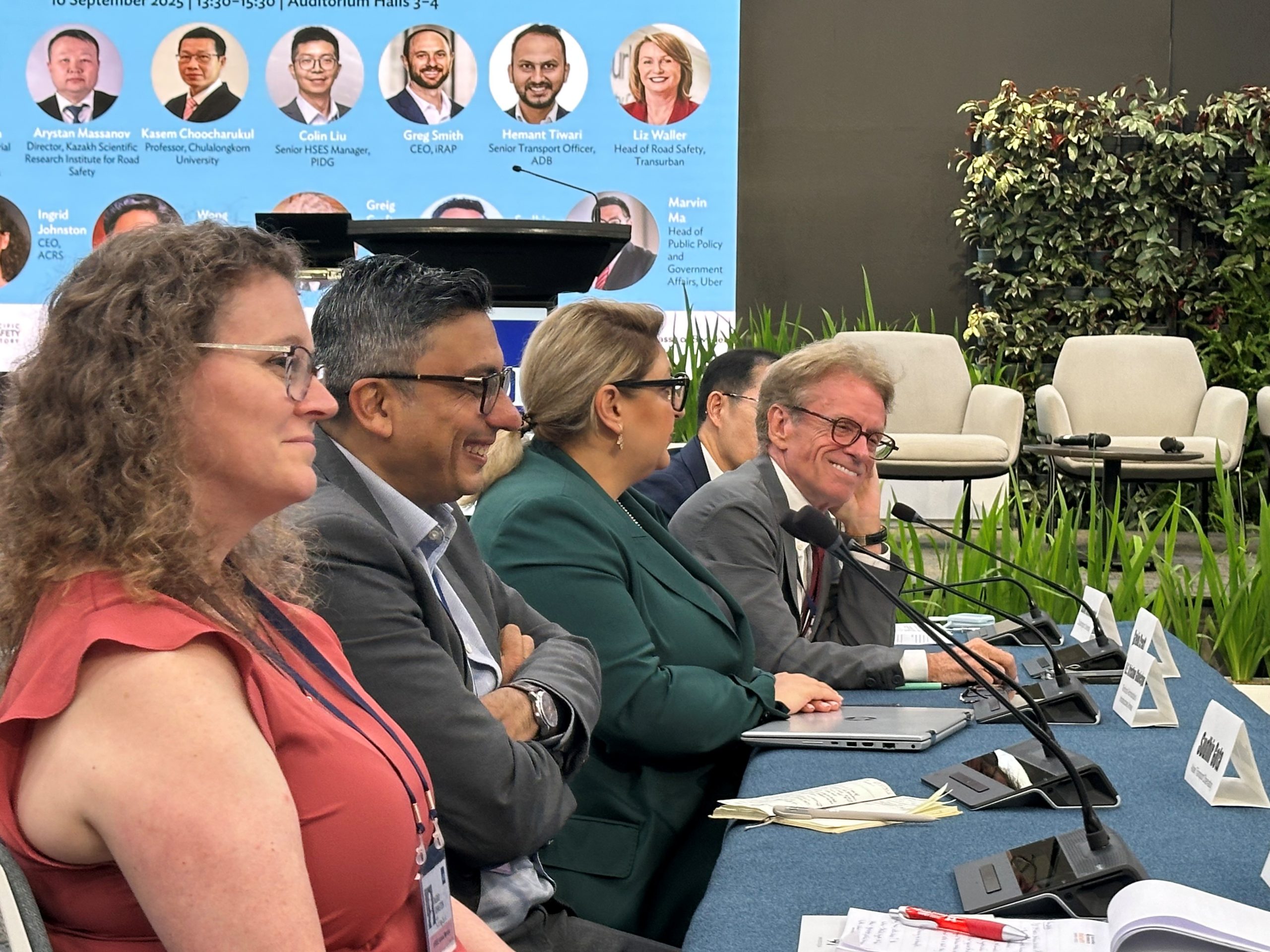
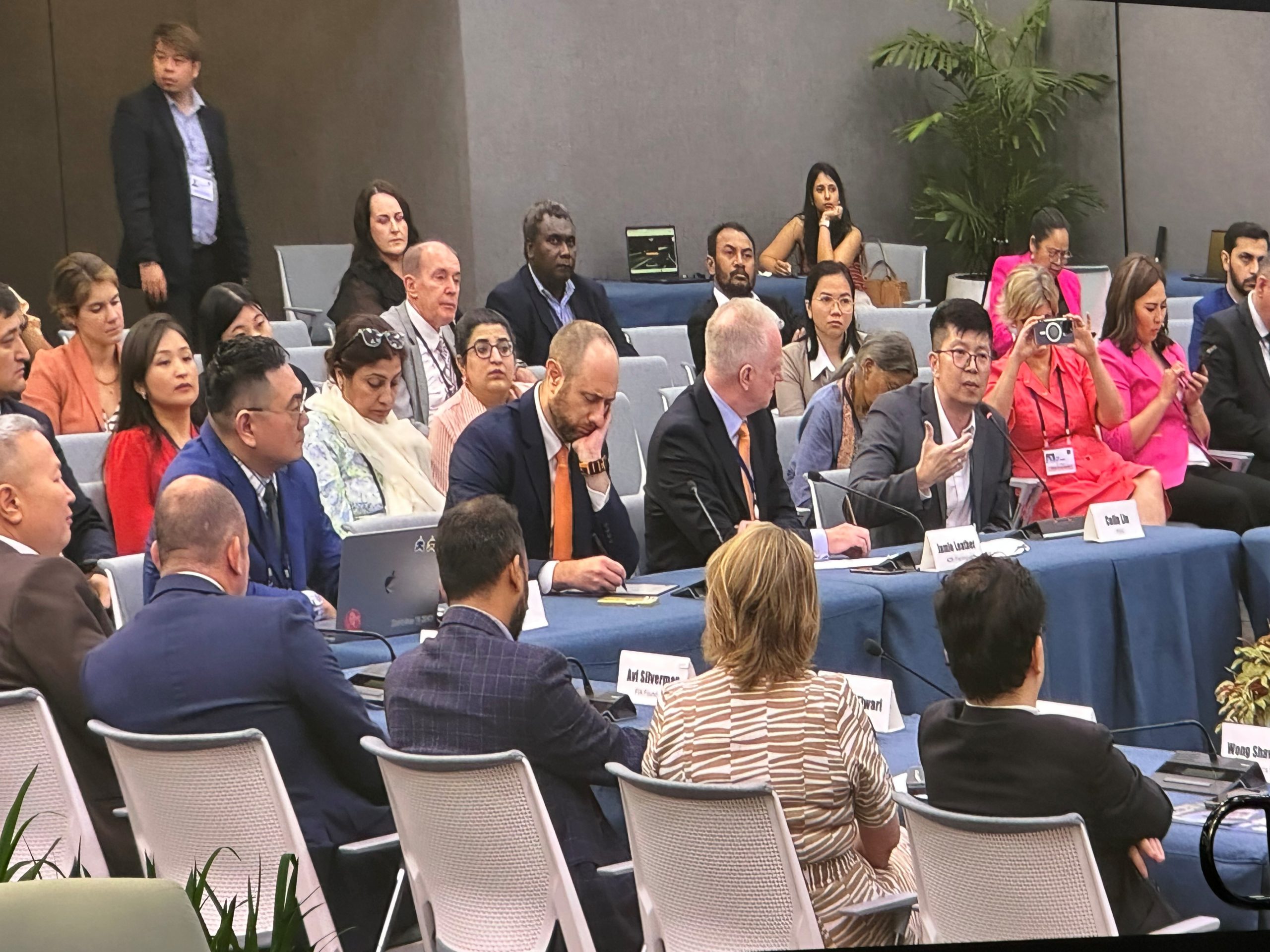
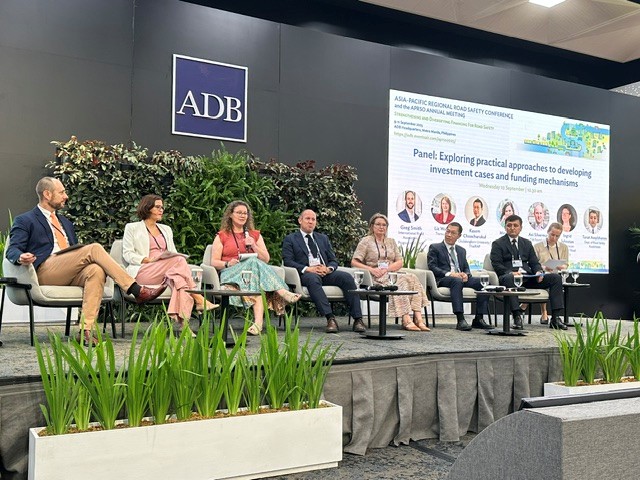
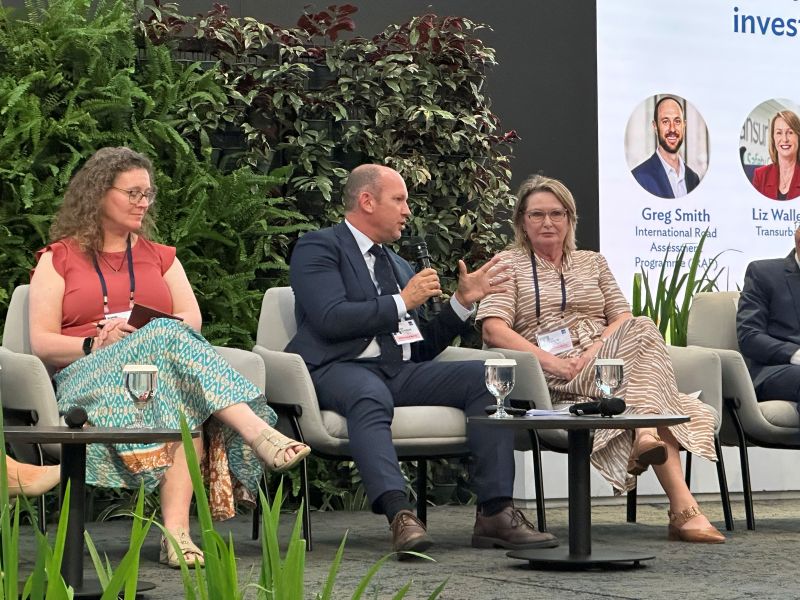
Plenary Panel: Exploring Practical Approaches to Developing Investment Cases and Funding Mechanisms

This stimulating panel discussion explored the factors that organisations take into account when developing a case for investment in road safety, and what mechanisms they use. Successful case studies from Australia, Vietnam, Thailand, and Kazakhstan were explored, as well as the FAST-Infra initiative which aims to provide solutions for mobilizing large-scale financing to accelerate the development of sustainable infrastructure worldwide.
Three take-aways from the Panel discussion:
- Aligning road safety strategy and KPIs to the SDGs and ESG frameworks can help to mobilise investments in safety by demonstrating benefits to partners, donors and investors.
- We often need to use alternative channels to influence decision makers responsible for transport/infrastructure/funding portfolios.
- Utilising new and improved data will realise opportunities to enhance and accelerate infrastructure safety and get ready for AI. Data platforms are now global and easy to access.
Listen to the Panel Session recording here (password qDn56P#2 and from 01:35:45)
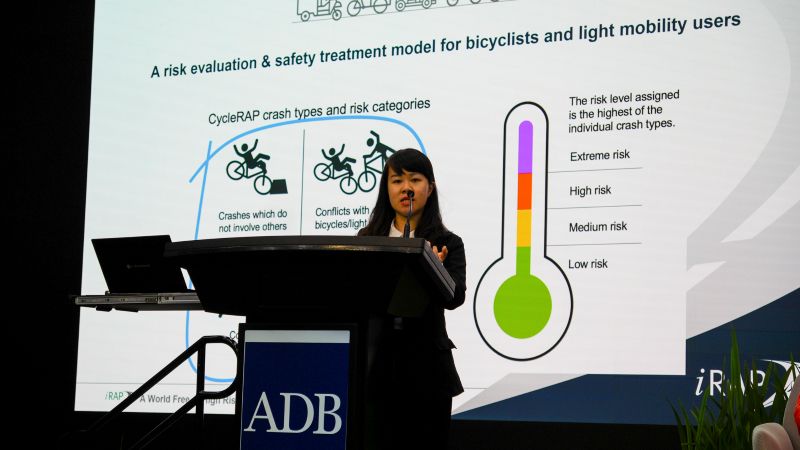
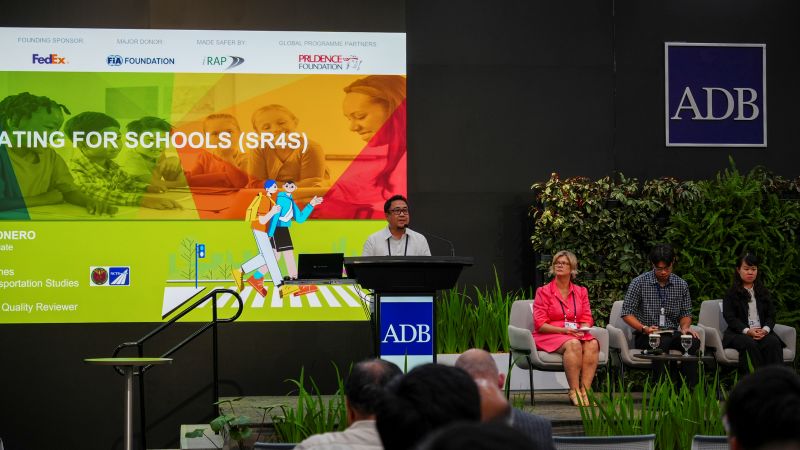
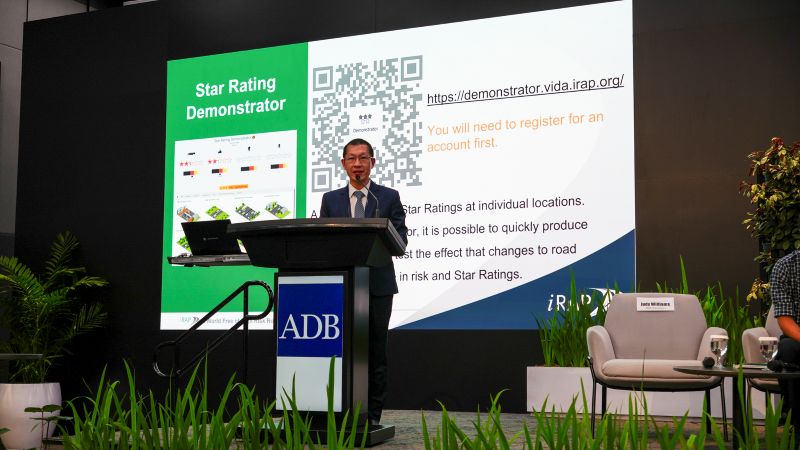
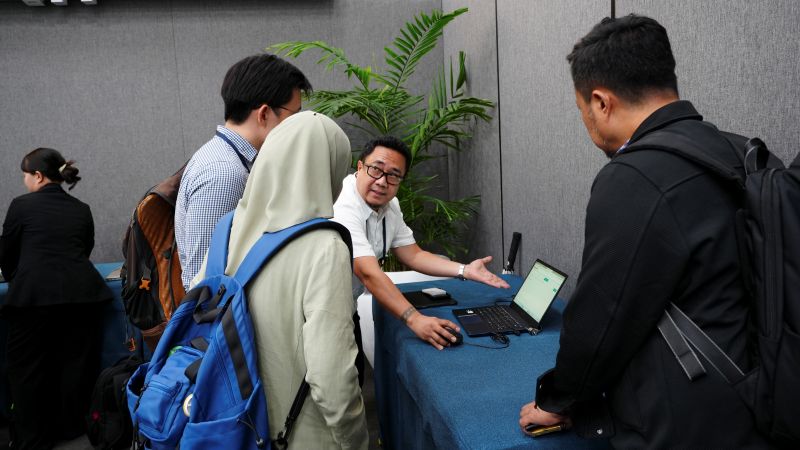
Practical Demonstration of Tools for Transforming Safe and Sustainable Mobility
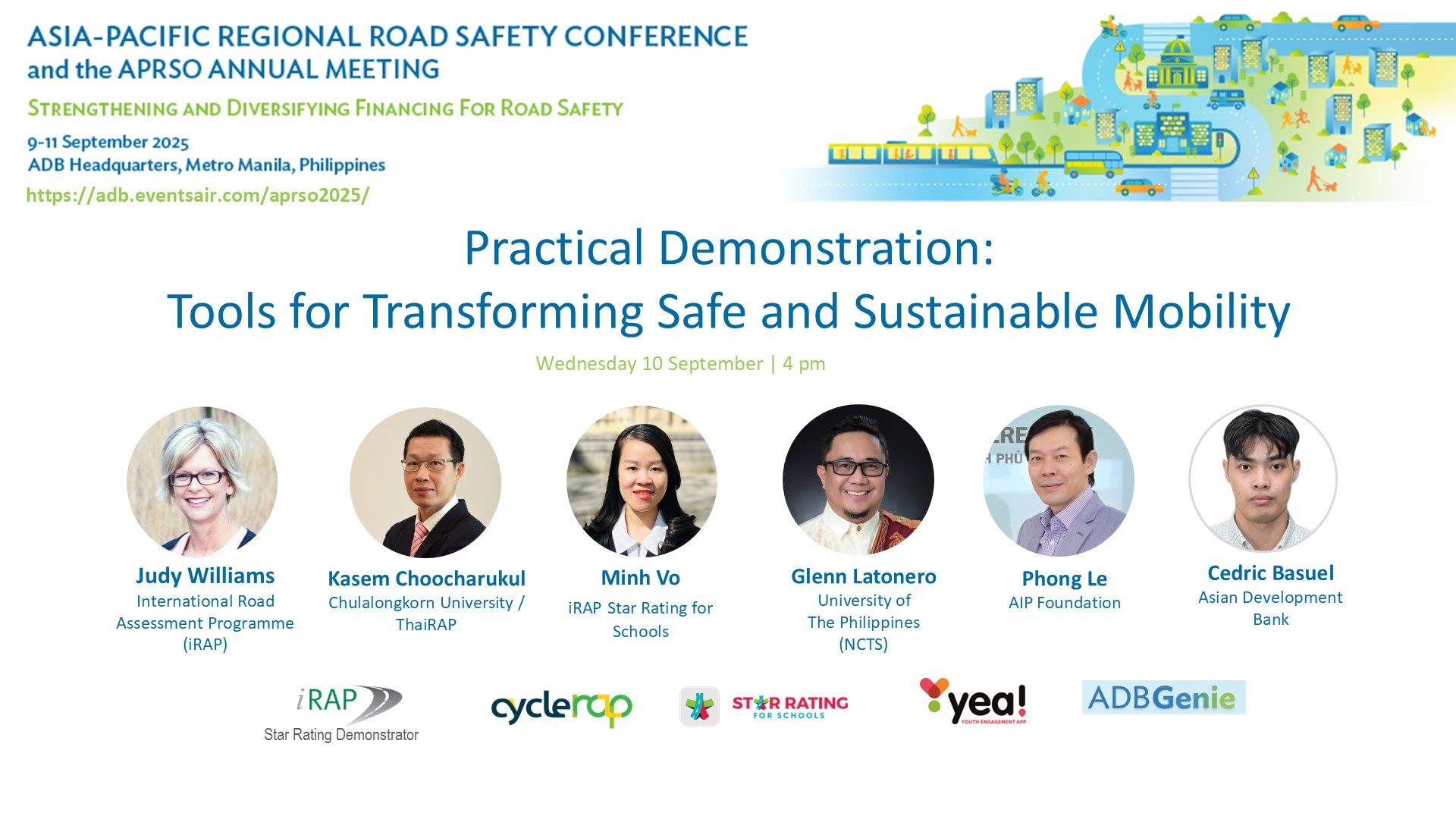
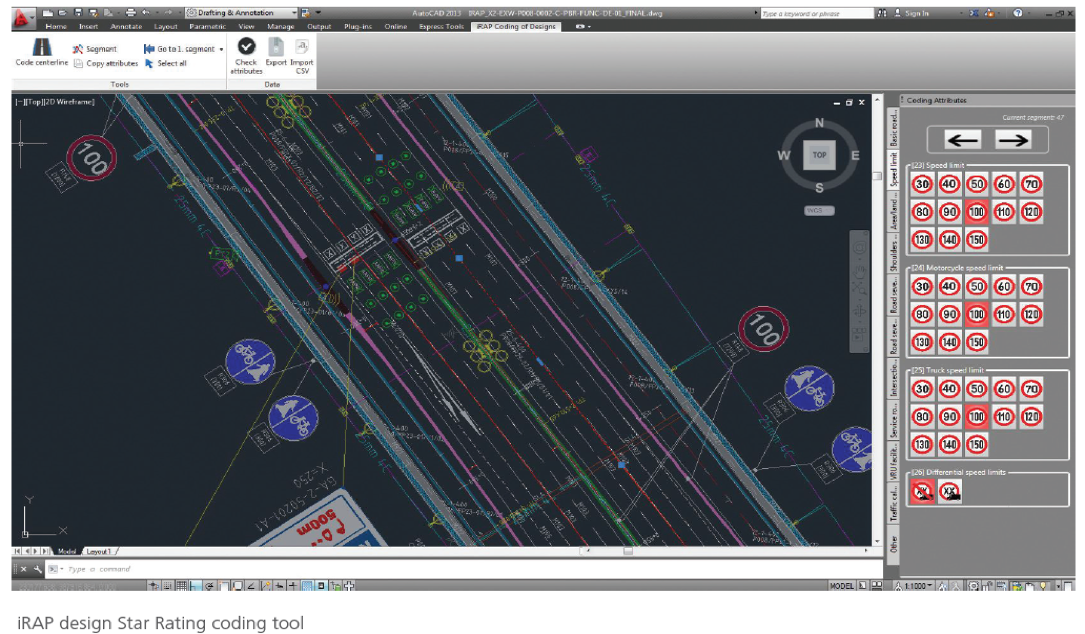
This session demonstrated the Star Rating for Schools app, Youth Engagement App (YEA), CycleRAP, Star Rating Demonstrator and AI Genie, and provided participants with the opportunity to try out the tools.
Listen to the Demonstration recording here (password U4.&.TXE – note there are 2 recordings in the set, click the Forward icon (2nd icon from the left in the bottom left corner and commencing from 00:35:46)
RAP Update and Knowledge Sharing Session
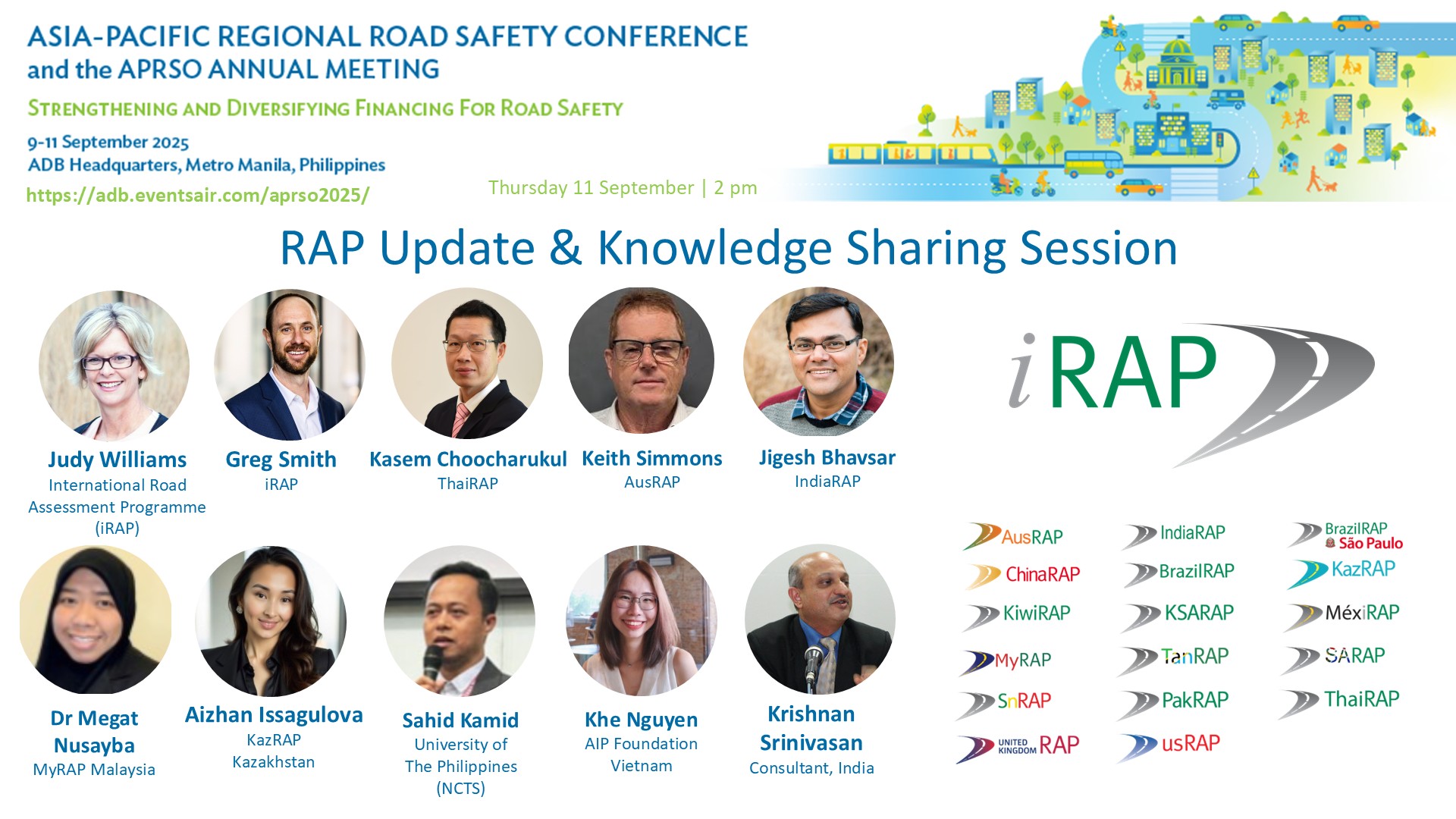
We were delighted to hear updates from our ‘x’RAPs and partners utilising the iRAP methodology and tools to eliminate high-risk roads and save lives in their countries. Thanks to representatives from AusRAP, ThaiRAP, MyRAP Malaysia, KazRAP, IndiaRAP, Vietnam and The Philippines who joined us to share their progress and experience.
Listen to the RAP Update Session recording here (password A1mE&5^5 and from 00:08:56)
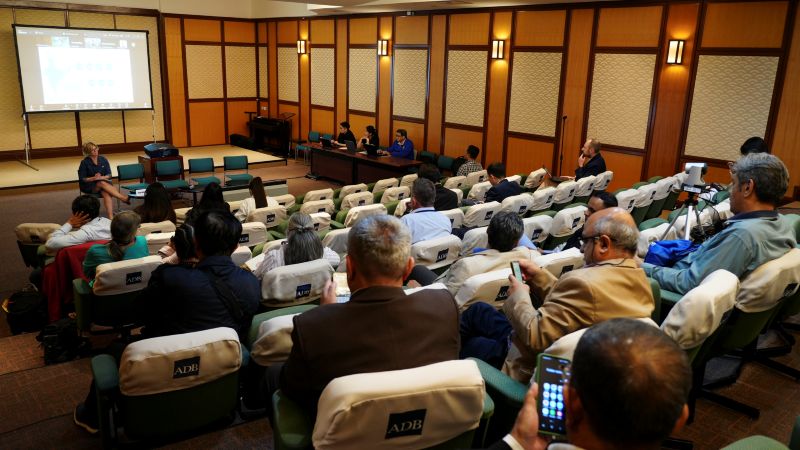
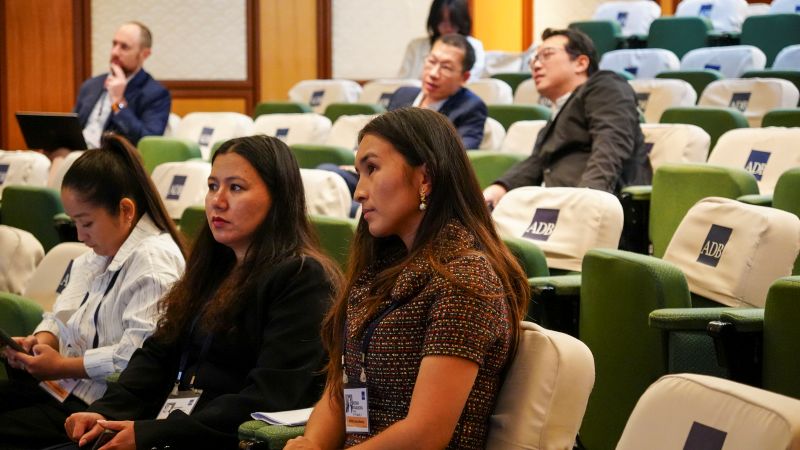
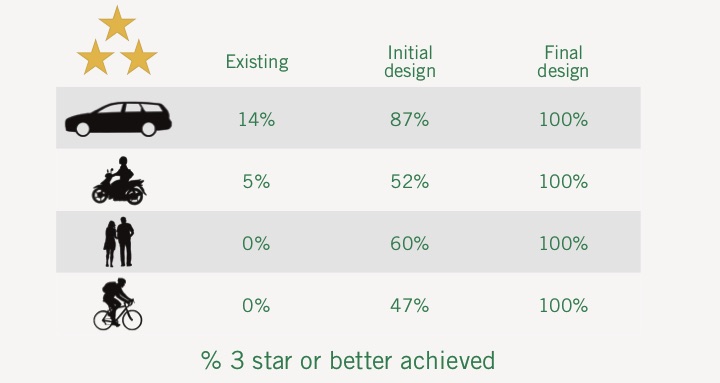
Reflecting on the conference, iRAP CEO Greg Smith said, “We know that most people travel the region using roads – 75% of travel is on roads. The Asian Development Bank estimates that by 2030, 8 million more kilometres of roads will be added to the region creating more travel on roads and putting more pressure on road safety. We already know too many people are killed. We must ensure that every dollar spent on transport delivers not just mobility, but safe mobility. We must ensure that investment in new roads and existing road upgrades achieves the minimum global road infrastructure safety standard of 3-star or better for pedestrians, bicyclists, motorcyclists and vehicle occupants.”
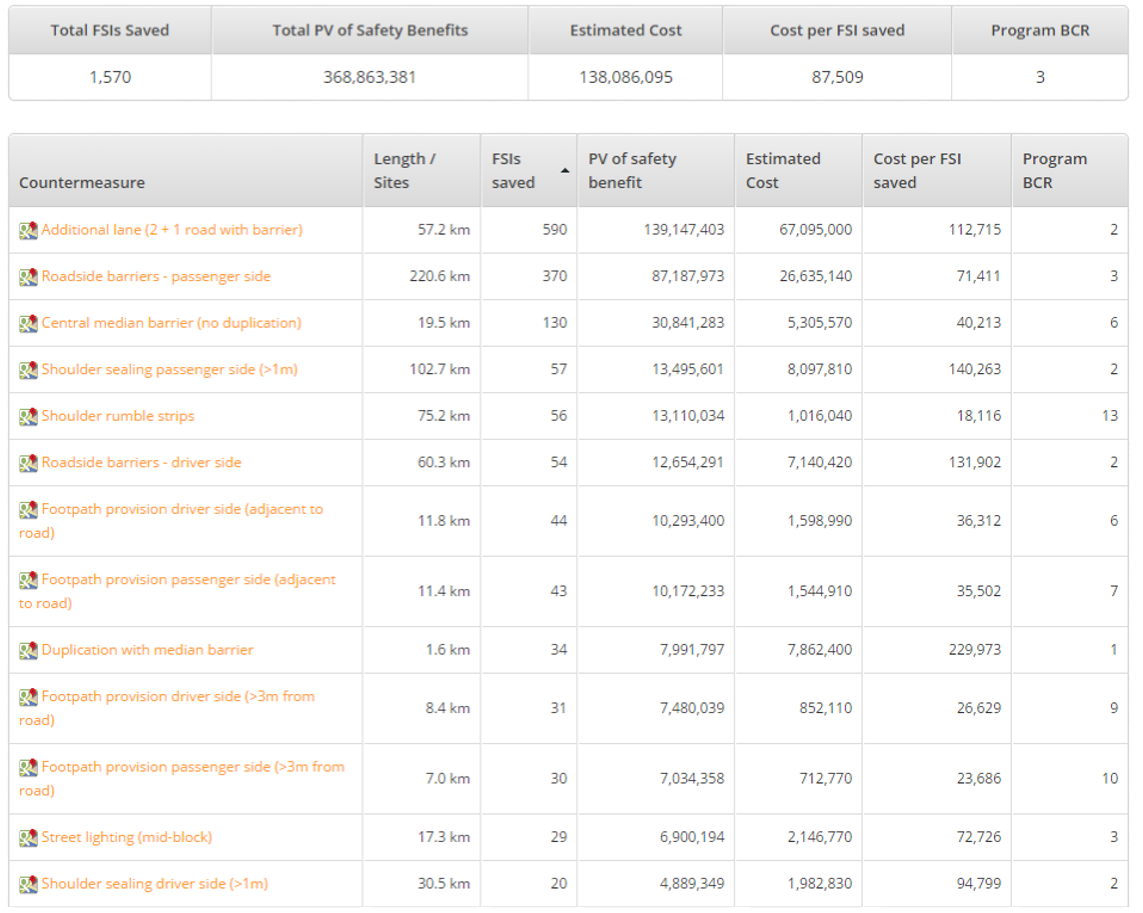
Achieving UN Target 4, for the majority of travel to be on 3-star or better roads in the region by 2030, stands to save over 210,000 lives a year, and nearly 158.5 million deaths and injuries over the 20 year life of road assets, with an economic benefit of $438.8 billion to the regional economy – a benefit of $11.90 for every $1 spent.
Outcomes from the event included renewed commitments to improve road safety financing, enhance data systems, prioritise evidence-based measures that work, safeguard vulnerable road users, and embed safety into all infrastructure development. iRAP will continue supporting governments and partners with its methodology, tools and training to support safer roads’ planning, financing, and implementation frameworks across the region.
Images credit: iRAP and ADB

 English
  Português do Brasil
  Français
  Tiếng Việt
  Русский
  Español de Colombia
  Nederlands