As the world prepares to launch the United Nations Decade of Sustainable Transport (2026–2035) in support of the SDGs, governments have an opportunity to ensure that the safety of road infrastructure is a priority.
A genuinely sustainable transport system protects everyone that uses it. Ensuring that streets, roads and highways are rated at least 3-stars (out of a total of 5 stars) and are fundamentally safe for all expected modes of travel, abilities, and journeys is essential in achieving this.
Road safety is part of the SDGs (see 3.6 and 11.2) and is a key enabler for a wide range of priorities including economic growth, resilient infrastructure, trade, global supply chains, health promotion, climate action, poverty reduction, and access to education.
More than 3,000 road crash deaths and 100,000 or more injuries occur every day worldwide. Road crashes have severe and lasting consequences, causing immense suffering, economic hardship and poverty for families, and cost some USD 10 billion worldwide every day. About one-third of deaths are work-related, emphasizing the importance of safety to human capital, the economy and productivity.
By aligning the Decade of Sustainable Transport (2026-2035) with the Global Plan for the Decade of Action for Road Safety (2021–2030) and the Safe System Approach, there is an opportunity to create continuity in action and build momentum on safe road infrastructure, integrating safety into all aspects of transport planning.
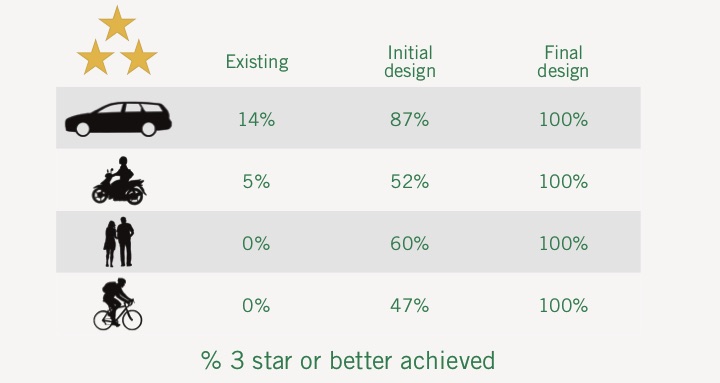
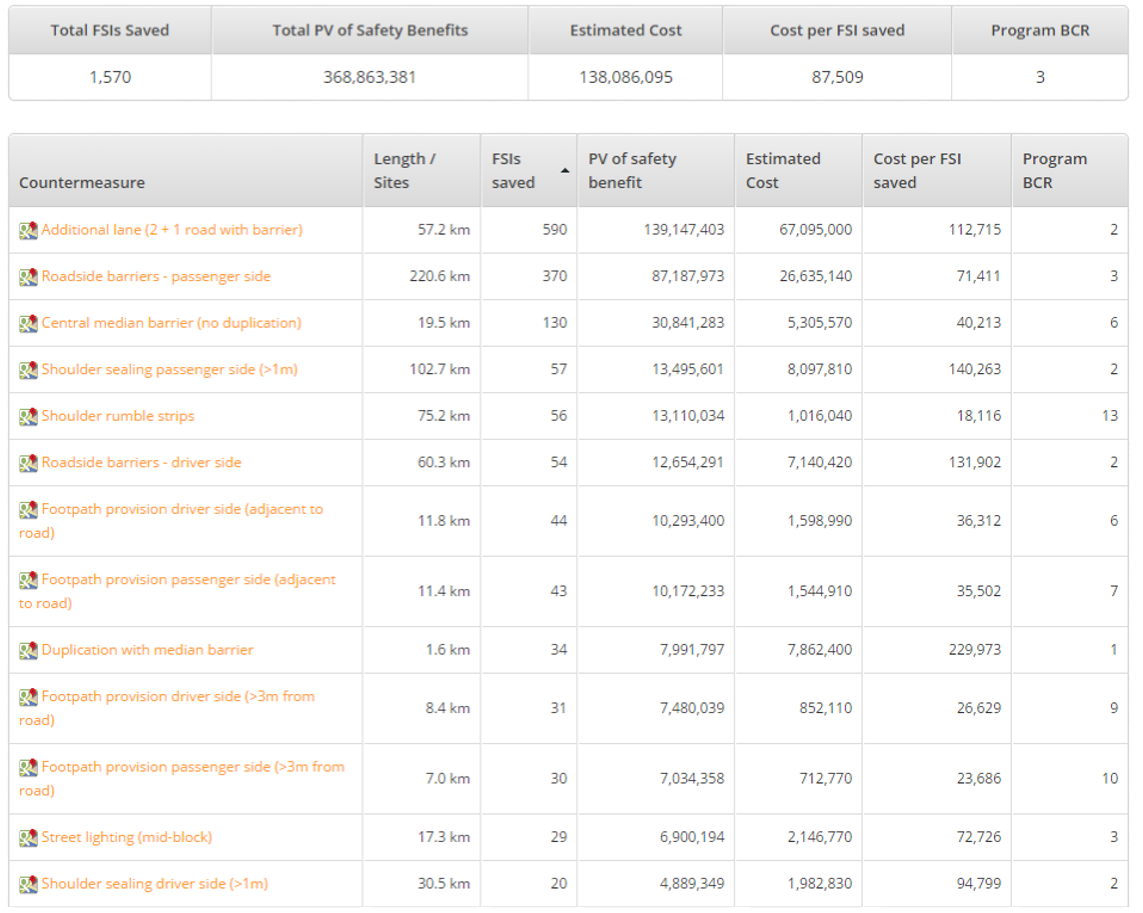
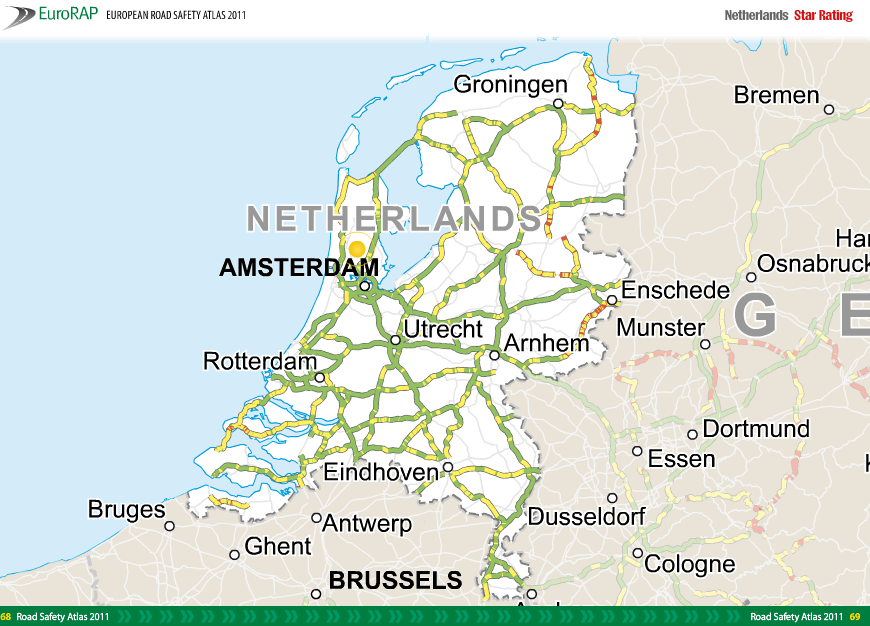
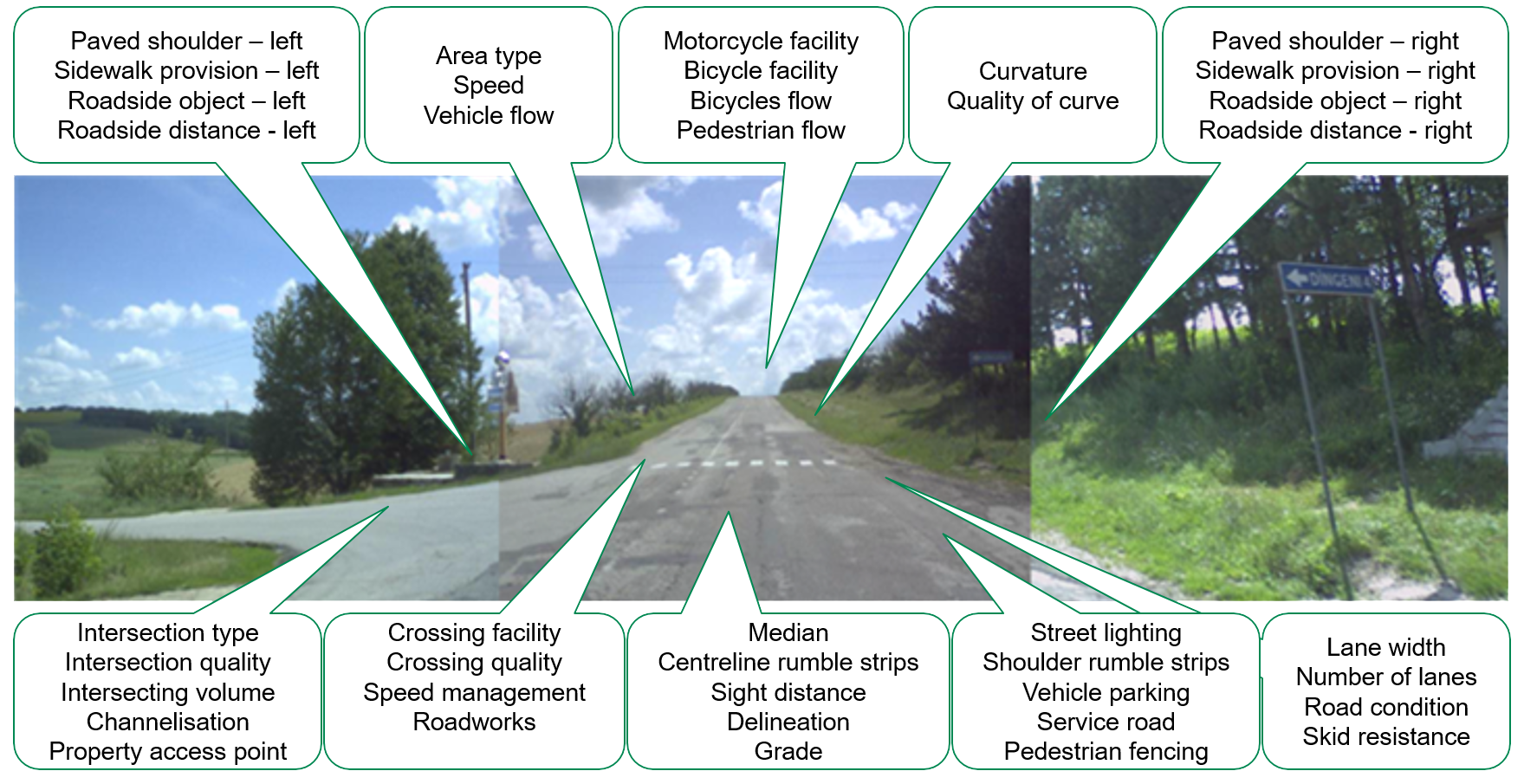
Global Road Safety Performance Targets 3 and 4 encourage governments to lift roads and designs to 3-stars or better for all road users. For each Star Rating improvement of a road or design, crash costs roughly halve. Investment projects that have made use of the freely-available iRAP methodology and resources have already prevented hundreds of thousands of deaths and serious injuries.
Adopting Star Rating targets and incorporating evidence-based safety principles and interventions early into planning for streets, roads, highways, public transport systems, and any development that influences the movement of people or vehicles on roads, is reliable way for governments to minimise implementation costs while maximising safety benefits.
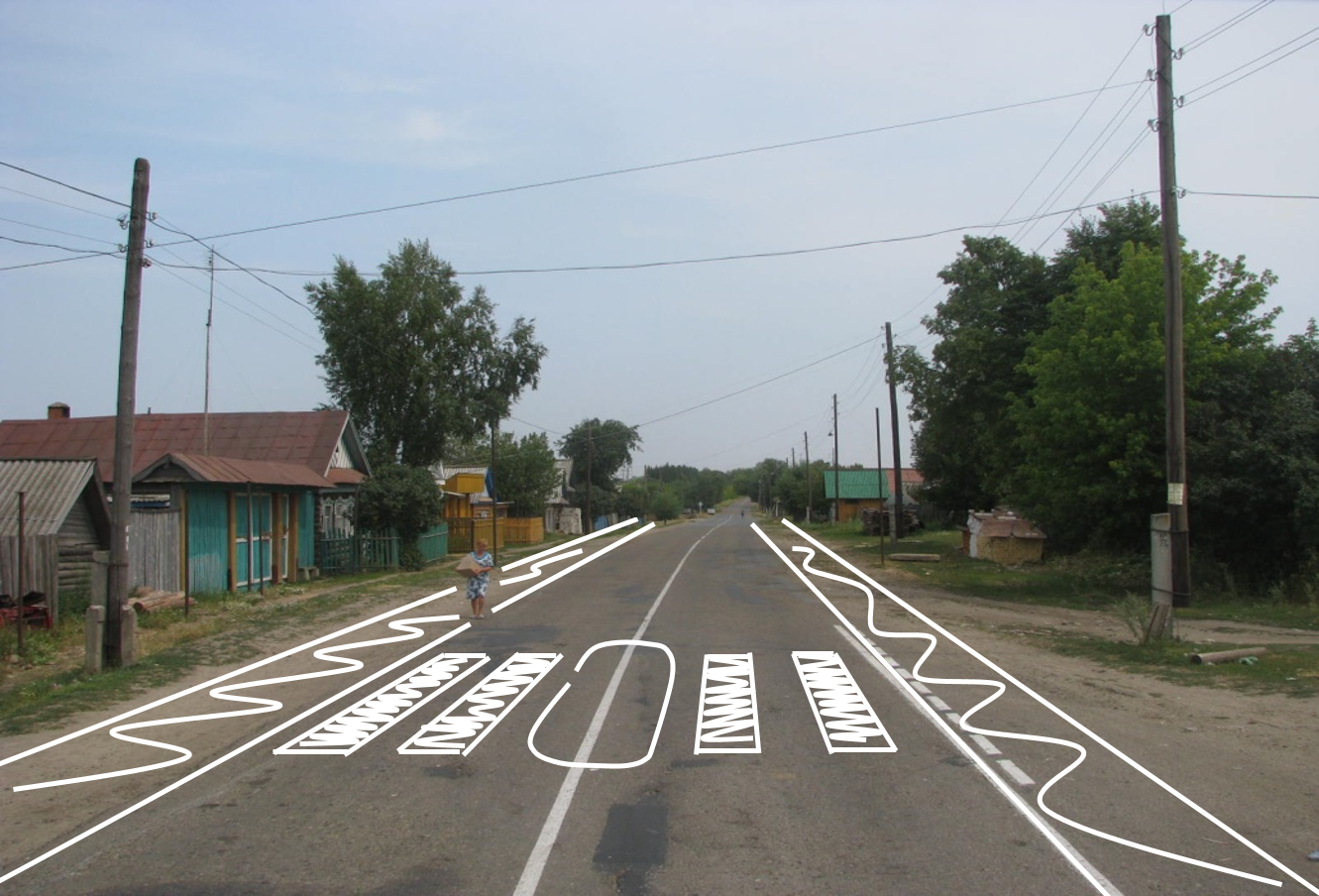
Measures like safety barriers, traffic calming, safety barriers, bicycle paths, pedestrian sidewalks and crossings, street lighting and intersection improvements can have a profound effect on the safety of a road environment.
Safe road environments also support choice; when people feel that an environment is safe, they are more likely to feel comfortable walking and cycling and using the public transport systems that will be needed to safely meet greater demand for urban mobility.
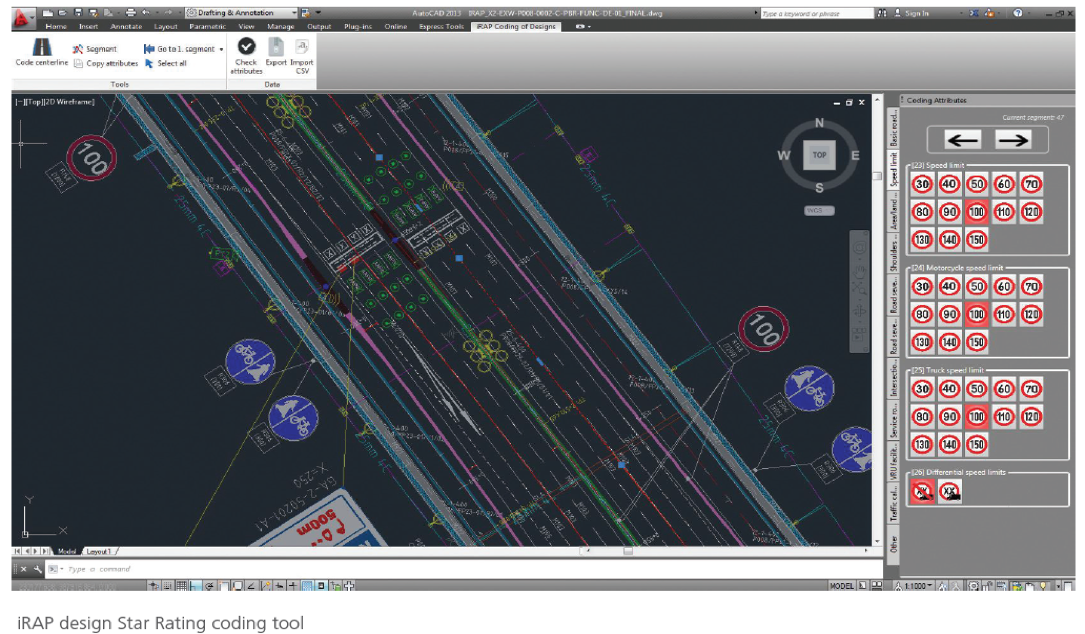
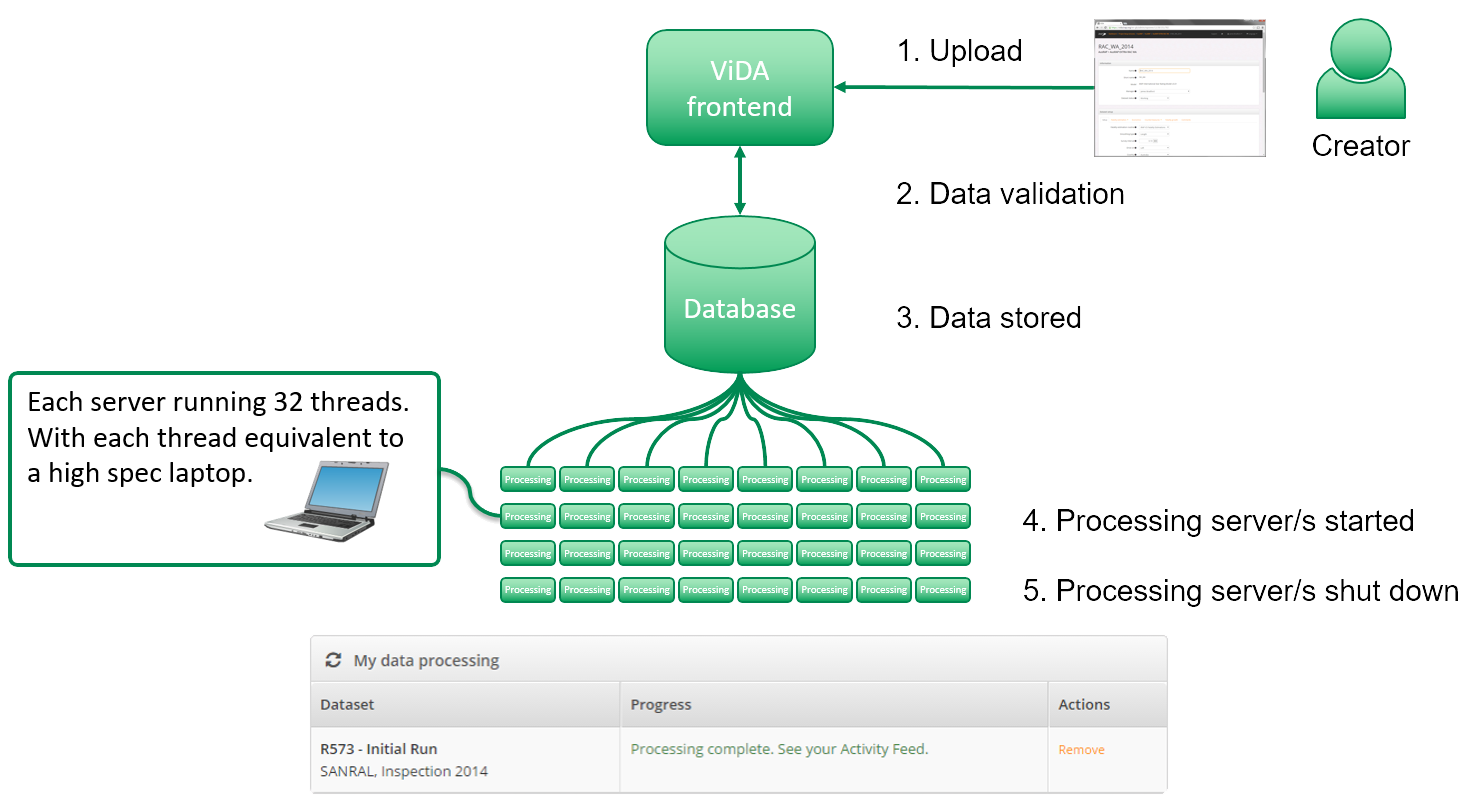
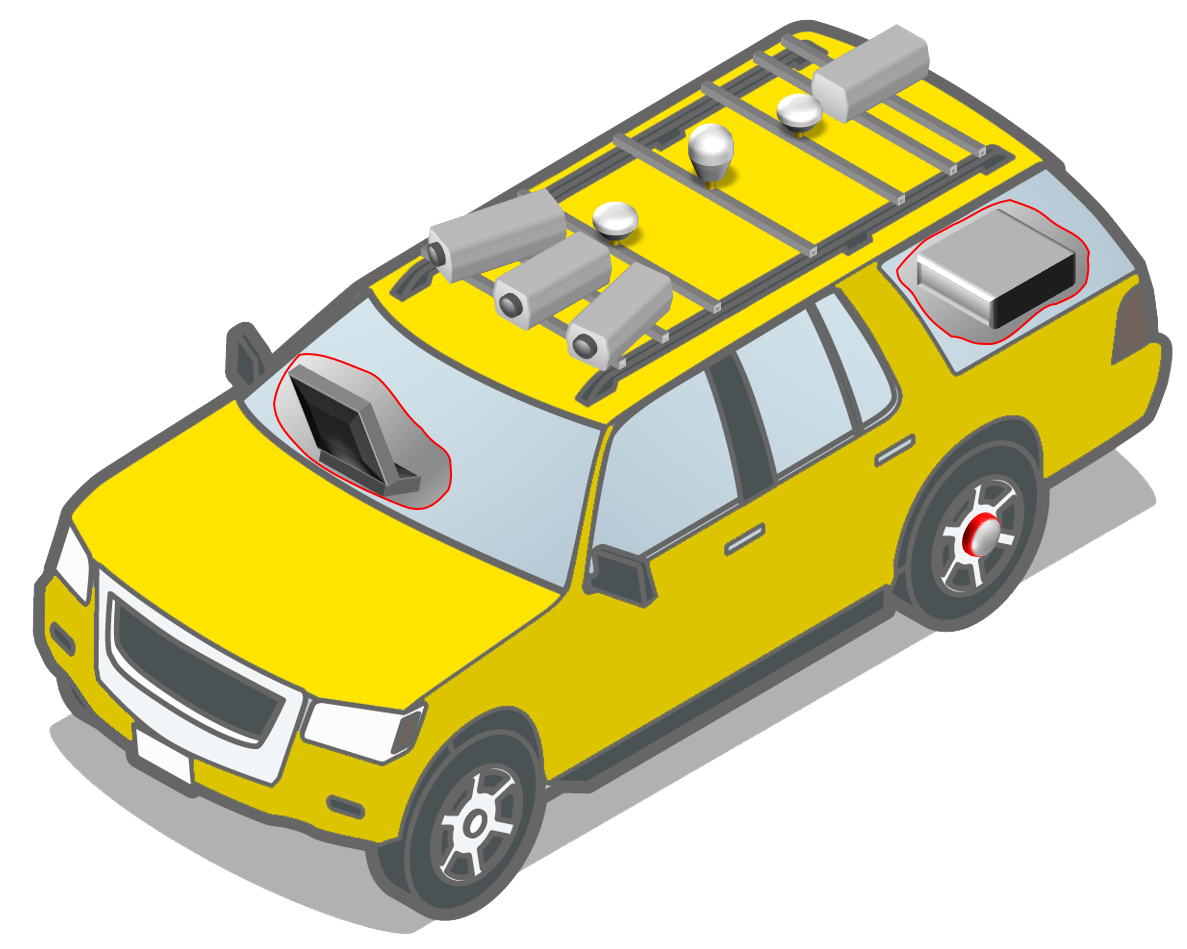
iRAP tools including the Star Rating Demonstrator, Star Ratings for Schools (SR4S), CycleRAP are freely-available to support evidenced-based safety planning and decision making. These are increasingly leveraging AI and big data techniques to accelerate safety assessments.
Infrastructure improvements hold enormous potential to make a lasting impact on safety. If most travel around the world were on roads rated 3-stars or better, there would be nearly 400,000 fewer deaths each year saving almost USD 1 trillion in road crash costs. By building on the Decade of Action for Road Safety, the Decade of Sustainable Transport is an opportunity for the world to realise this extraordinary potential.
Make a pledge for road safety
There is a community of organisations here to help governments make safe streets, roads and highways a reality. Hundreds of organisations and individuals involved in designing and financing road infrastructure from more than 60 countries have made a #SaferRoadsPledge for safe mobility in support of the SDGs. You can join the movement here.
About iRAP
With its global partners, the freely-available iRAP tools have now been used in more than 130 countries to assess the safety of some 3 million km of streets, roads and highways and influence design and construction projects worth more than $110 billion. It is estimated that projects which have made use of the iRAP tools and resources have prevented more than 700,000 deaths and serious injuries globally by the end of 2024.
For more information
- On the UN Decade of Sustainable Transport, the call for commitments, key dates and how you can get involved
- How safe our roads are and the Investment Case for Safer Roads.
- Climate action and road safety.
- Case Studies of Success.
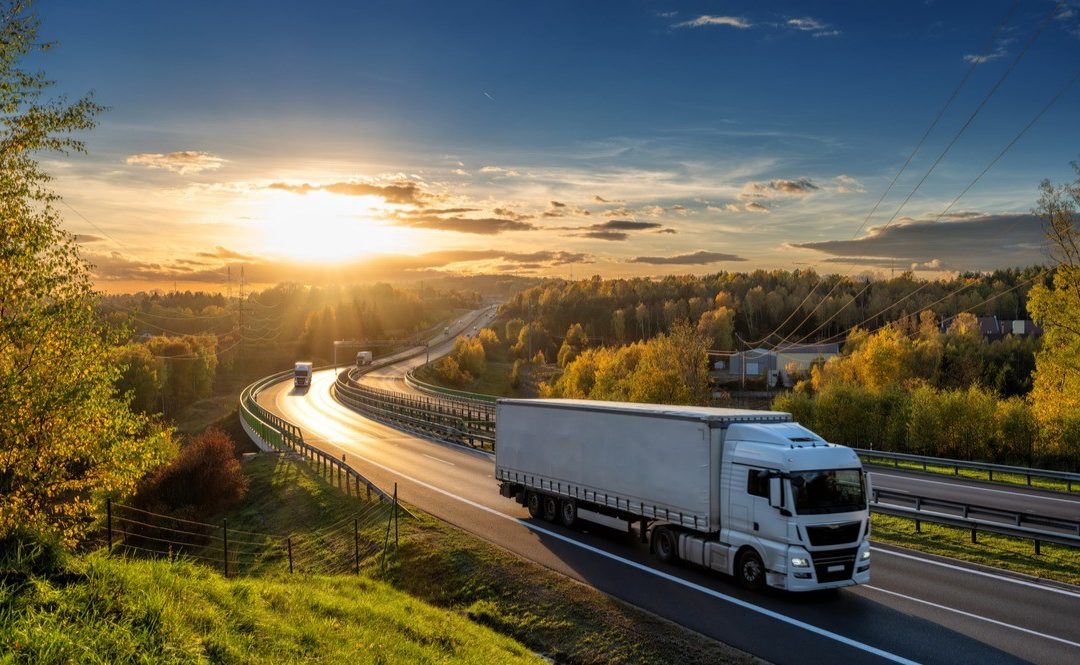
Image credit: Milos-Muller (iStock)

 English
  Português do Brasil
  Français
  Tiếng Việt
  Русский
  Español de Colombia
  Nederlands