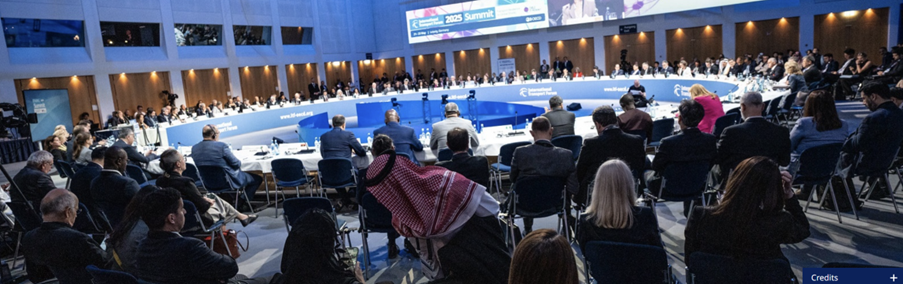
Transport ministers from 69 countries adopted two landmark road safety policy recommendations last week pertaining to road safety for governments and the use of Artificial Intelligence by road authorities at the International Transport Forum (ITF) Summit in Leipzig.
Produced with WHO support, the Policy Recommendation on Comprehensive Road Safety urges governments to adopt evidence-based, safety-focused, well-coordinated and inclusive road safety approaches that best fit each location and to focus on where the most lives can be saved.
The second new Policy Recommendation Concerning the Use of Artificial Intelligence by Transport Authorities encourages four immediate actions to help authorities better understand and fulfil their mandates using AI systems including: overseeing and stewarding AI deployment, increasing awareness through inventorying AI use, assessing and balancing risks and benefits, and improving AI literacy and skills within their organizations.
iRAP is uniquely positioned to support partners – especially transport authorities – in implementing the ITF Policy Recommendations:
- The Safe System Tool is an innovative framework designed to guide countries, municipalities, companies, and other road safety stakeholders in implementing the Safe System Approach to road safety. The user-friendly tool supports the proactive evaluation, development, and monitoring of road safety projects, strategies, and plans with the goal of reducing fatalities and serious injuries on the roads.
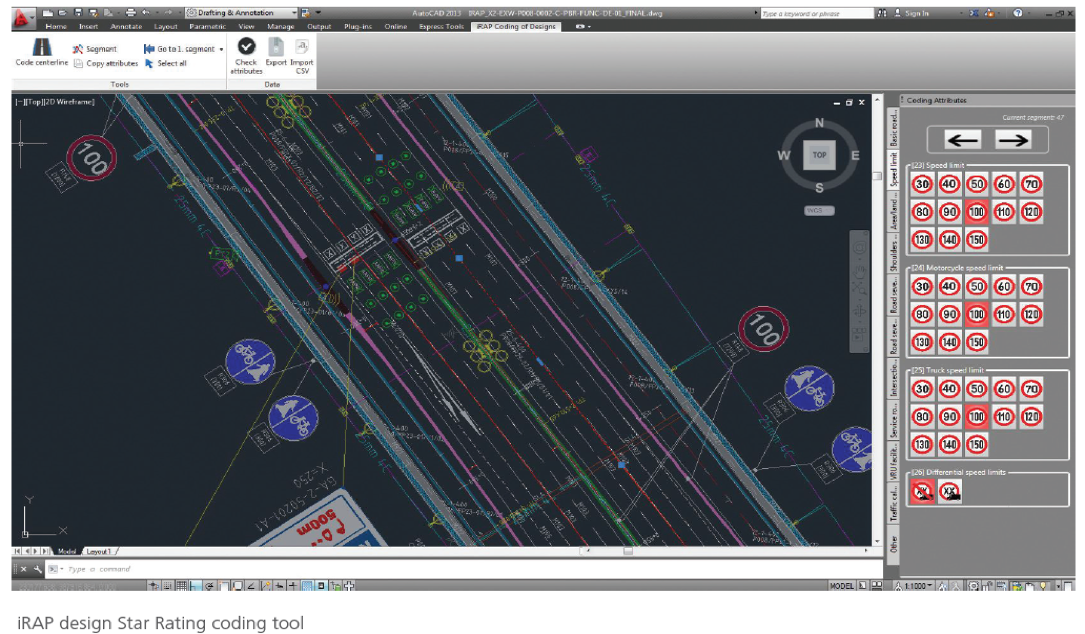
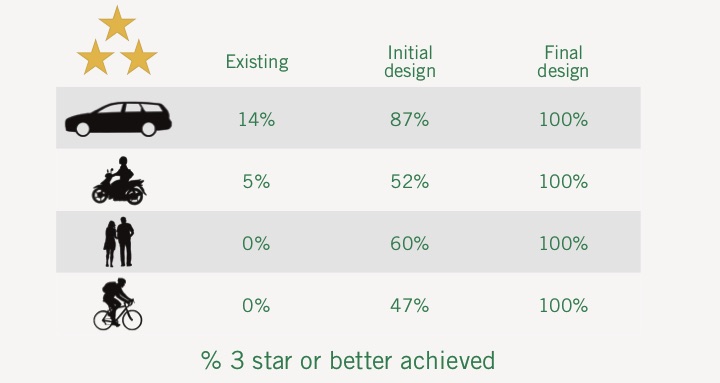
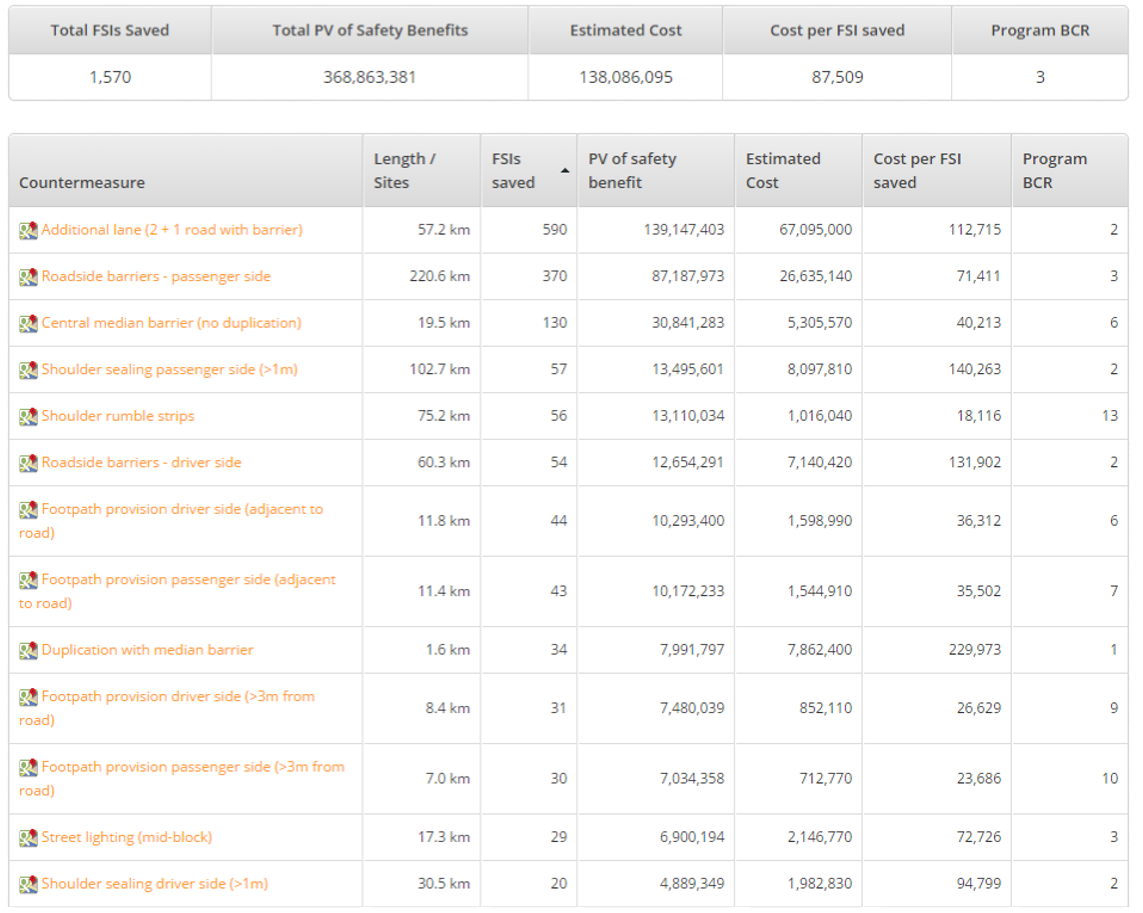
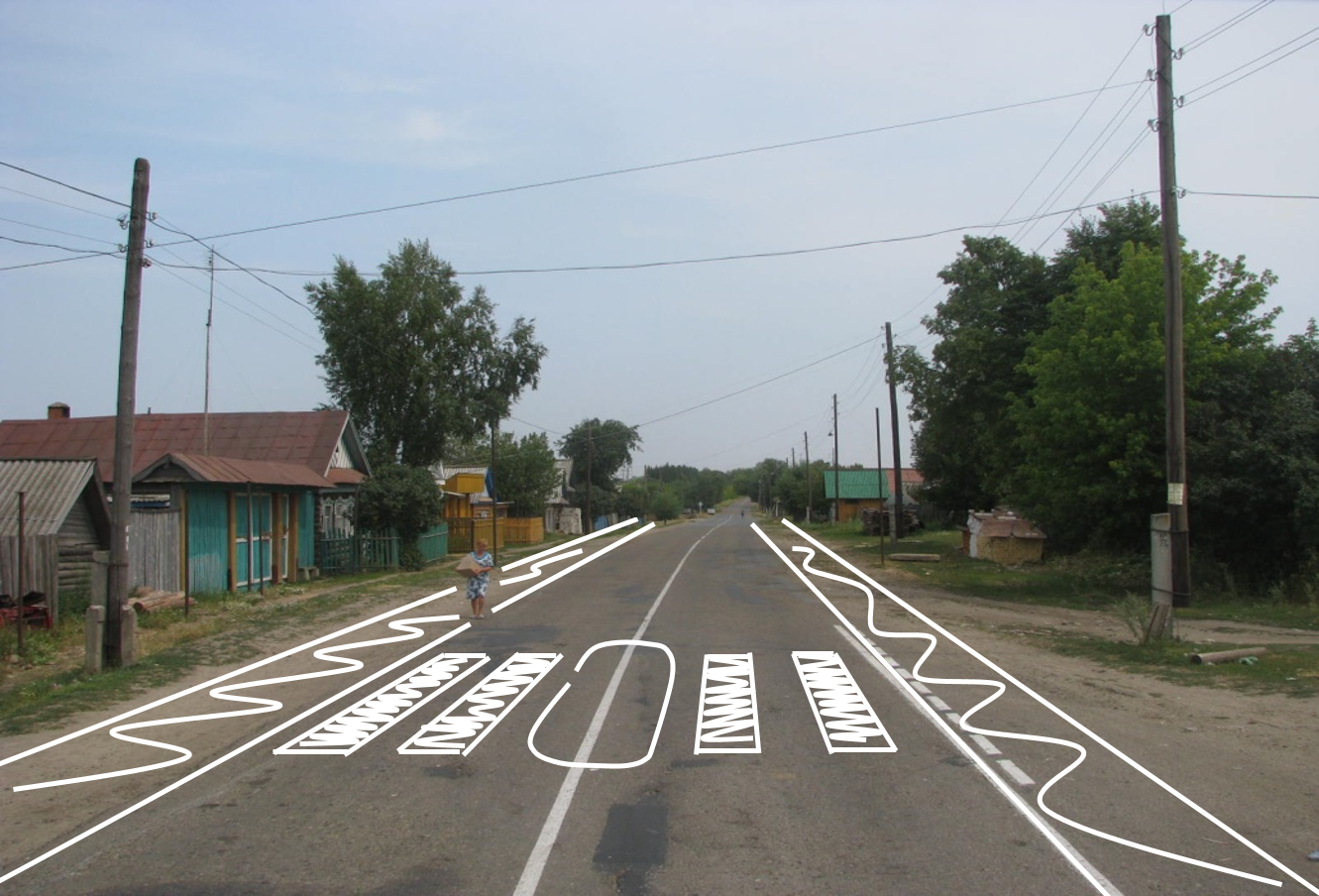
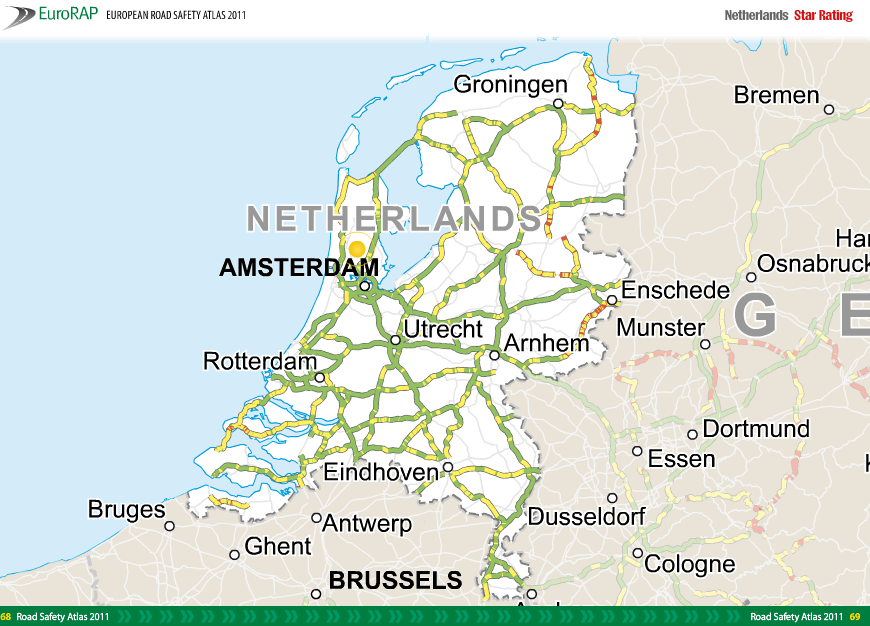
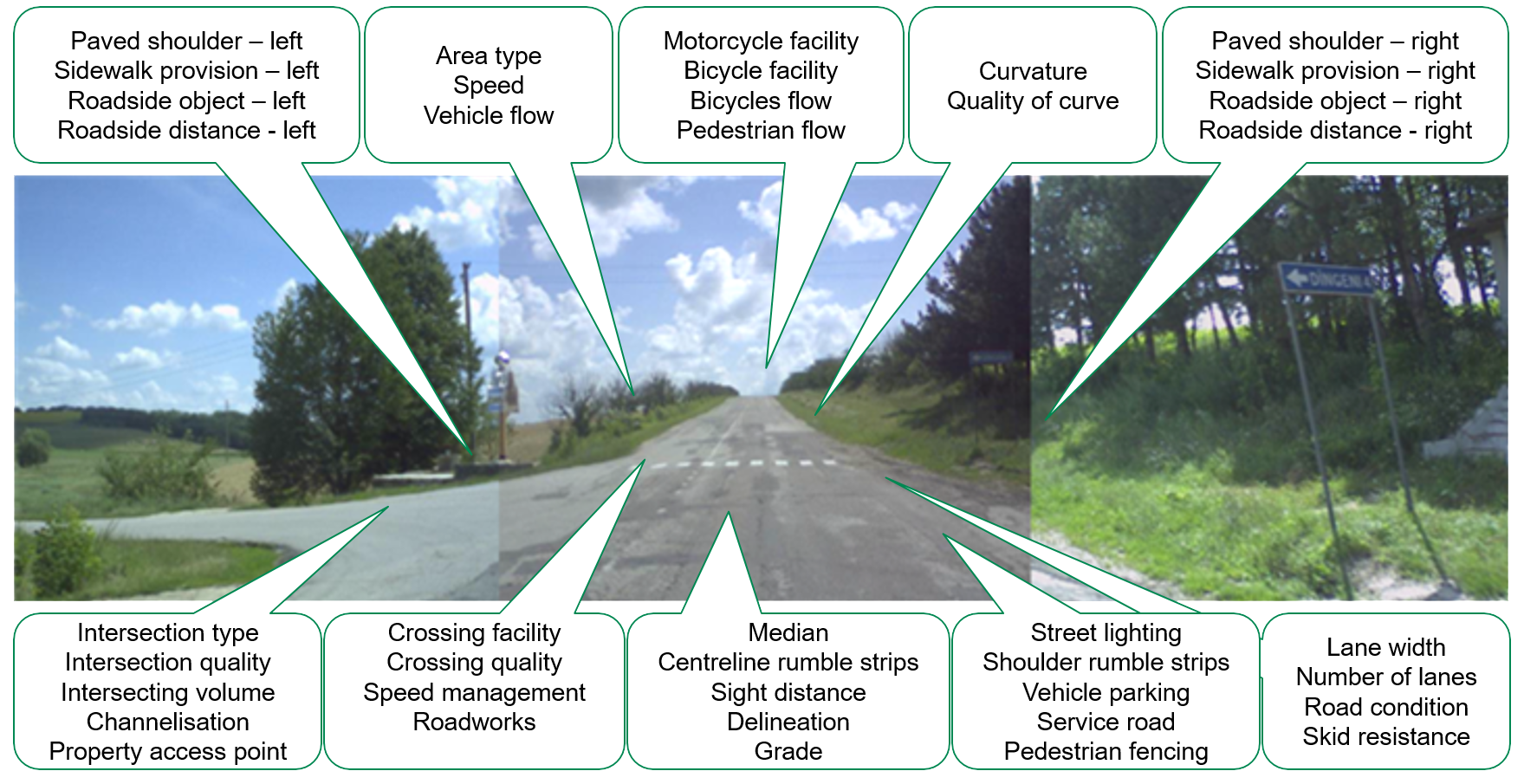
- iRAP’s comprehensive suite of innovative RAPTools, developed with global partners and managed within a stringent Innovation Framework, support infrastructure safety management aligned to achievement of the Sustainable Development Goals (SDG), the Global Plan for Decade of Action for Road Safety 2021-2030 and Global Road Safety Performance Targets 3 and 4. The tools can be used throughout all stages of a road’s lifecycle to identify high-risk road sections and optimise safety investment for all road users.
- The iRAP Global Infrastructure Key Performance Indicators (KPIs) for Road Safety provide the policy road map and recommended metrics for measuring success.
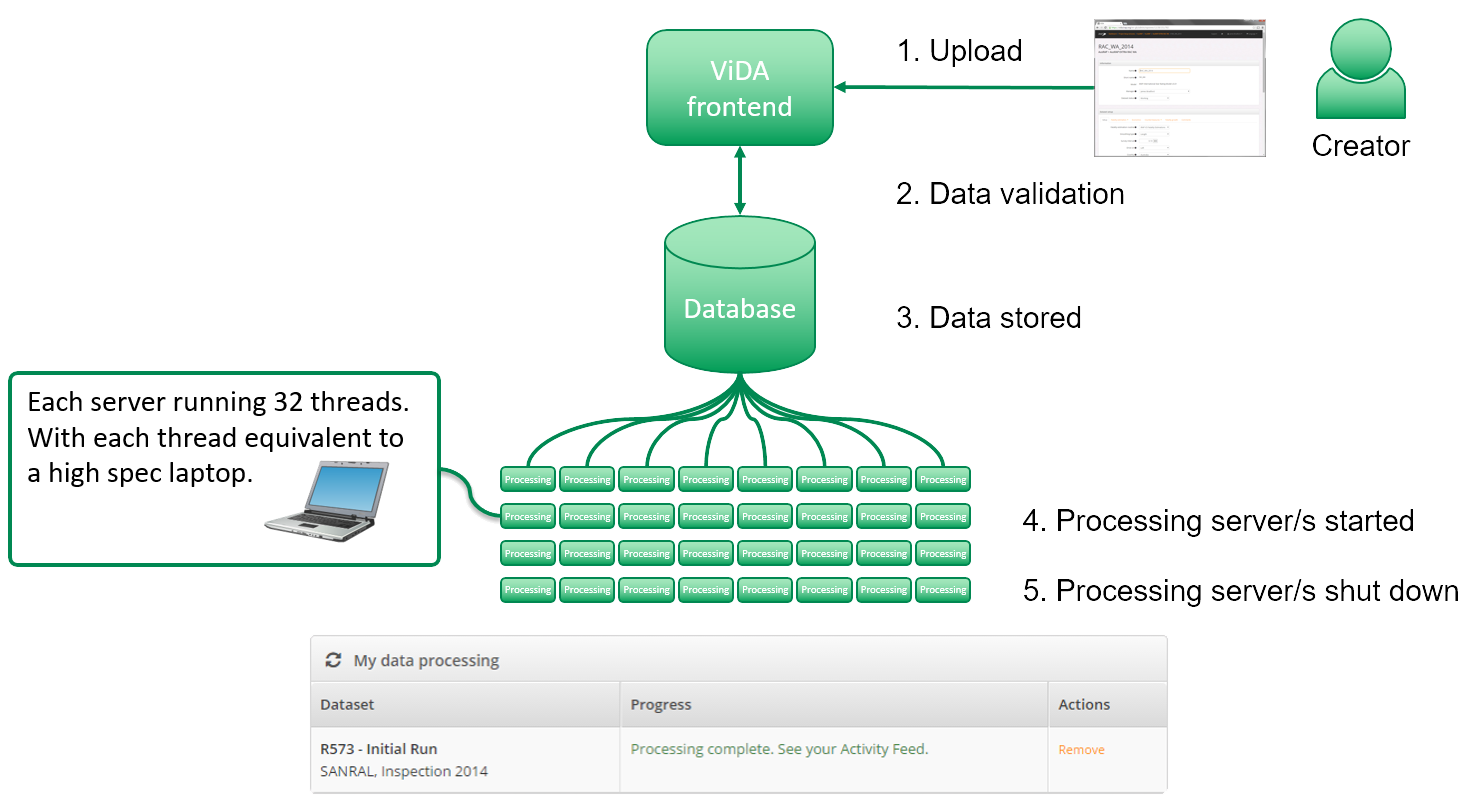
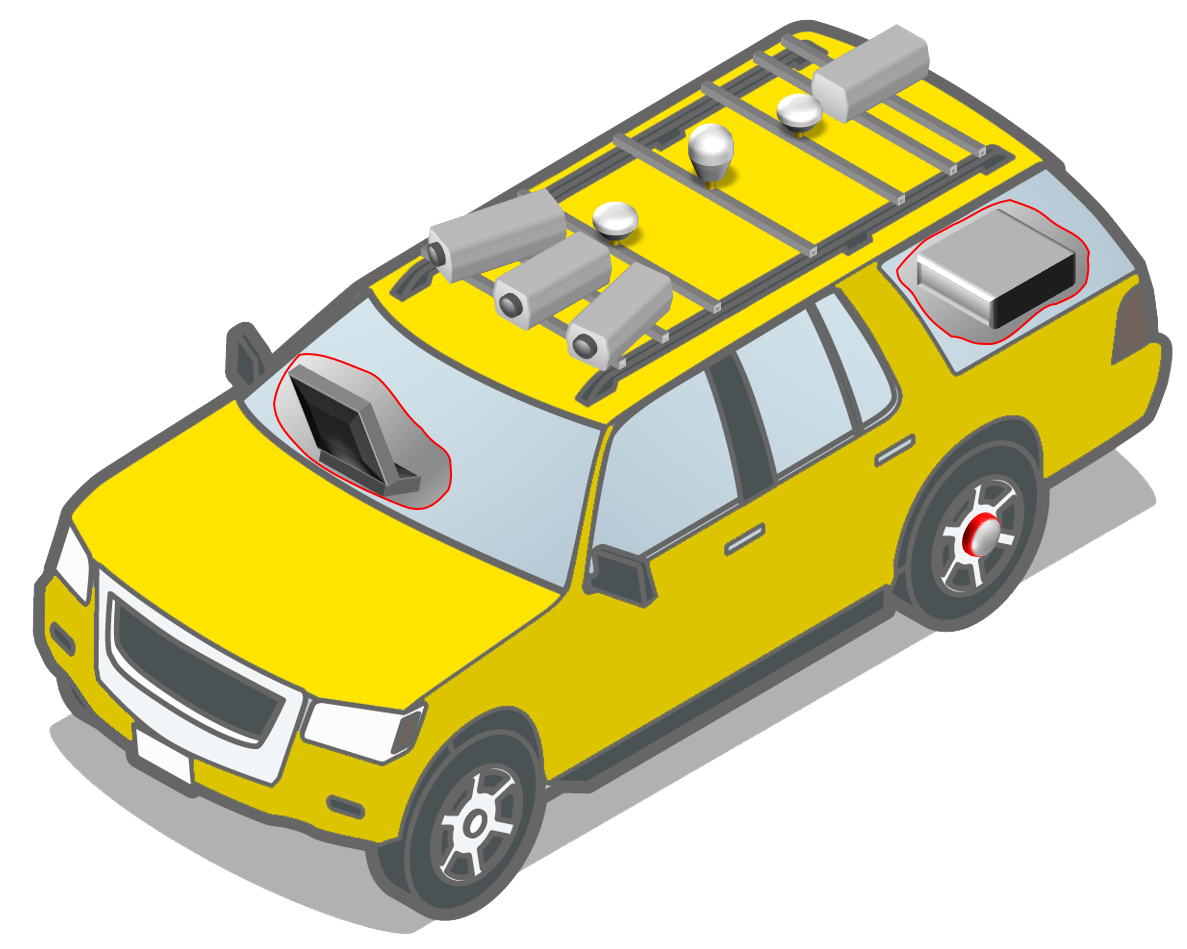
- iRAP’s AiRAP Initiative is helping to improve access to, and application of, existing and emerging data sources aligned to the global safety standard, including advances in artificial intelligence, machine learning, vision systems, LIDAR and telematics. AiRAP stands for the ‘accelerated and intelligent’ capture of road safety-related data using automatic, repeatable and scalable methods to support road safety assessment, crash risk mapping, and investment prioritisation for all road users.
The policy recommendations agreed at the ITF Summit – the world’s largest gathering of transport ministers – represent the first recommendations made in three years. The theme of the summit was “transport resilience to global shocks”.
“This is great news. It could enlighten the way transport policies are implemented,” said Juan Carlos Muñoz, Chilean Minister of Transport and President of the ITF.
“There are extremely important links between resilient transport systems and strengthening health and safety. Resilient transport should first and foremost be safe and healthy,” said Dr Nhan Tran, Head of Safety and Mobility at WHO, during a ministerial session at the summit.
Download the Policy Recommendation on Comprehensive Road Safety Policy (PDF)
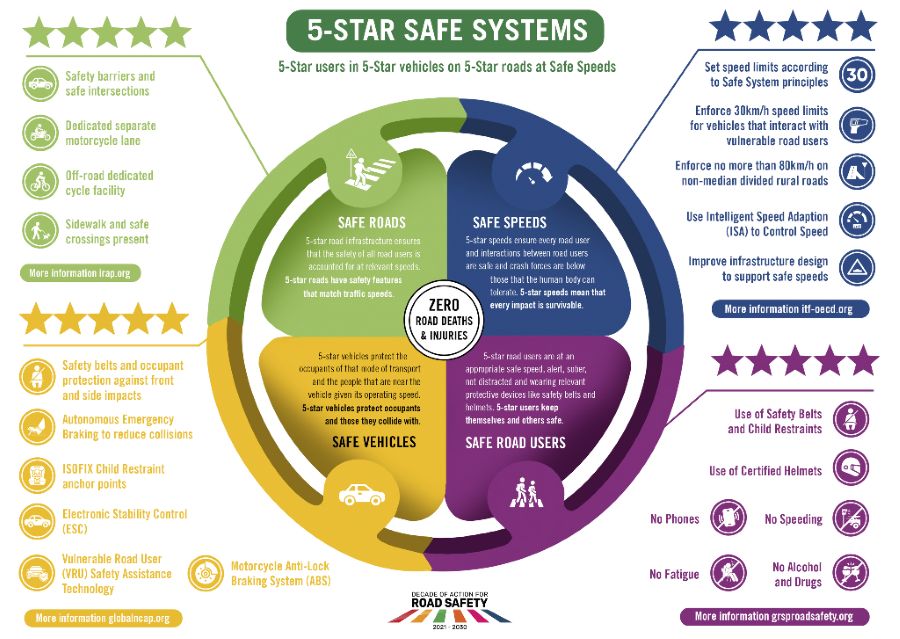
By combining interventions that optimise road safety in all facets of the road transport system – 5-star road user safety, in 5-star vehicles on 5-star roads, travelling at safe speeds – the Safe System seeks to create a forgiving system that offers protection even when one part fails.
The Safe System Tool, developed by the ITF Working Group (of which iRAP’s Global Technical Director James Bradford is a member), is designed to be universally applicable and effective in addressing all modes of road transport.

 English
  Português do Brasil
  Français
  Tiếng Việt
  Русский
  Español de Colombia
  Nederlands