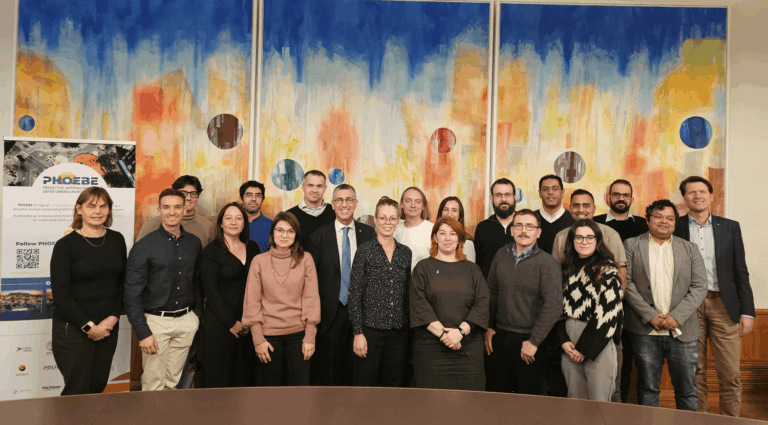
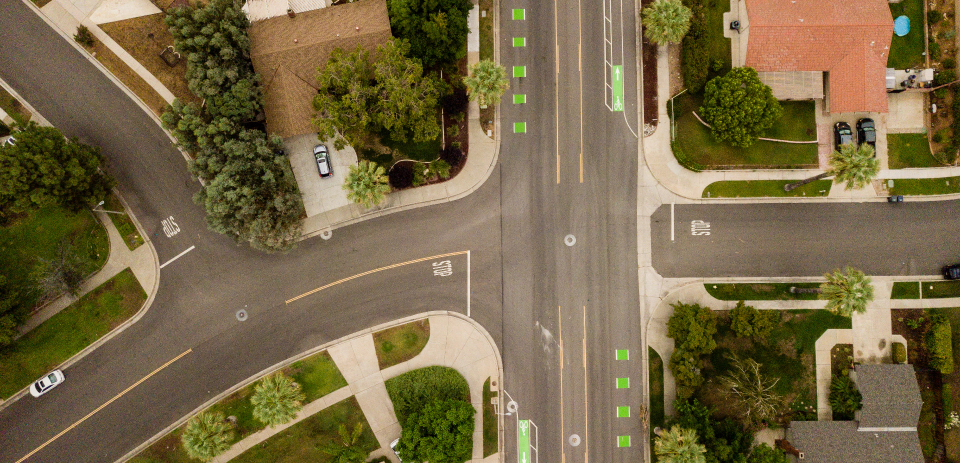
Après trois années de recherche, d'innovation, de collaboration et de mise en œuvre concrète, le programme Horizon Europe Projet PHOEBE Le projet (Approches prédictives pour des environnements urbains plus sûrs) s'est conclu avec succès.
Réunissant des organismes de recherche de premier plan, des fournisseurs de technologies, des gestionnaires de voirie, des acteurs de la mobilité et des experts en sécurité routière de toute l'Europe, le projet PHOEBE visait à transformer la manière dont les villes évaluent, prévoient et gèrent les risques liés à la sécurité routière. En combinant l'évaluation des infrastructures, la modélisation du trafic, les nouvelles sources de données et l'analyse avancée, PHOEBE a démontré comment les approches prédictives peuvent favoriser une prise de décision plus proactive et fondée sur des données probantes en matière de sécurité routière.
En tant que partenaire clé du consortium, iRAP a été fier d'apporter son expertise en matière d'évaluation de la sécurité des infrastructures routières et d'analyse des risques fondée sur des données probantes tout au long du projet. En collaboration avec les autres partenaires, iRAP a contribué à promouvoir des approches novatrices permettant de faire le lien entre les méthodes traditionnelles d'évaluation de la sécurité et les analyses prédictives de nouvelle génération.
Transformer la sécurité routière grâce à la prédiction
Au cœur du projet se fondait une vision simple mais ambitieuse : faire évoluer la gestion de la sécurité routière d’une approche réactive et fragmentée vers un modèle prédictif plus proactif et intégré, capable d’identifier les risques avant que les accidents ne surviennent.
Pour ce faire, le projet a développé et testé un cadre intégré combinant l'évaluation des risques, la simulation du trafic, le comportement des usagers de la route et les facteurs socio-économiques afin de générer des indicateurs de performance en matière de sécurité pertinents pour les décideurs. À travers des projets pilotes menés dans toute l'Europe, PHOEBE a exploré comment les approches fondées sur les données peuvent aider les autorités à mieux appréhender les enjeux de sécurité, à évaluer les interventions et à prioriser les actions les plus bénéfiques pour tous les usagers de la route.
Une contribution significative au développement de la méthodologie iRAP
Pour iRAP, l'un des résultats les plus significatifs du projet a été sa contribution à l'évolution continue des outils et méthodologies d'évaluation de la sécurité des infrastructures routières.
Par l’intermédiaire de PHOEBE, iRAP a contribué aux activités de recherche, de développement et d’essais qui ont permis d’éclairer les Évaluation iRAP par étoiles Version 3.10, Ce projet a permis de renforcer le lien entre l’évaluation de la sécurité des infrastructures, l’analyse de l’exploitation du trafic et l’évaluation des risques pour les usagers vulnérables de la route. Il a également permis d’étudier comment les résultats des modèles de microsimulation du trafic peuvent être intégrés aux méthodologies d’évaluation de la sécurité routière afin de mieux appréhender les impacts potentiels des interventions en matière de transport sur la sécurité avant leur mise en œuvre.
En étroite collaboration avec les partenaires du projet, iRAP a contribué à démontrer la faisabilité de la liaison des résultats de simulation de trafic avec les évaluations par étoiles. Ce travail a contribué aux fonctionnalités au sein de Aimsun Nexcela permet aux utilisateurs d'examiner les indicateurs liés à la sécurité parallèlement aux résultats de la simulation du trafic, créant ainsi de nouvelles opportunités d'intégrer les considérations de sécurité dans la planification et la prise de décision en matière de transport.
Cela représente une étape importante vers des approches plus prédictives de l'évaluation de la sécurité routière, permettant aux praticiens d'explorer les implications en matière de sécurité de différents scénarios lors des phases de planification et de conception plutôt que de se fier uniquement aux évaluations postérieures à la mise en œuvre.
Collaboration à travers l'Europe
Au-delà de ses réalisations techniques, le projet a favorisé une collaboration étroite entre les chercheurs, les autorités publiques, les experts en mobilité, les fournisseurs de technologies et les spécialistes de la sécurité routière.
Les parties prenantes ont été activement impliquées tout au long du cycle de vie du projet, contribuant ainsi à garantir que les méthodologies, les outils et les recommandations reflètent les besoins concrets et les applications pratiques. Le consortium a également joué un rôle de premier plan au sein du Cluster européen de sécurité routière, en collaborant avec des projets partenaires pour promouvoir le partage des connaissances, identifier les synergies et renforcer l'impact collectif de la recherche européenne en matière de sécurité routière.
Les résultats du projet ont été diffusés lors de conférences, d'ateliers, de webinaires, de publications techniques et d'événements destinés aux parties prenantes, contribuant ainsi à sensibiliser le public aux approches novatrices en matière de mobilité urbaine plus sûre, tout en créant des opportunités de collaboration future et de partage des connaissances.
Au-delà de Phoebe
La conclusion du projet ne marque pas la fin de son impact.
Ce projet laisse un précieux héritage de méthodologies, d'outils, de données, de recommandations et de réseaux de collaboration qui continueront d'appuyer les futures recherches et actions en matière de sécurité routière. Ses conclusions constituent une base solide pour les villes, les autorités de transport, les chercheurs et les praticiens qui souhaitent adopter des approches plus proactives pour comprendre et gérer les risques liés à la sécurité routière.
Les résultats finaux, y compris les Outil d'aide à la décision PHOEBE, proposer des ressources pratiques favorisant l'adoption et la reproduction des résultats du projet en Europe et au-delà.
Merci à la communauté PHOEBE
Le projet iRAP tient à remercier tous les partenaires du consortium, les représentants des sites pilotes, les parties prenantes, les contributeurs et la Commission européenne pour leur engagement, leur expertise et leur collaboration tout au long du projet.
Le succès de PHOEBE démontre ce qui peut être accompli lorsque les professionnels de la sécurité routière, les chercheurs et les innovateurs travaillent ensemble vers une vision commune.
À l'issue de ce projet, ses réalisations soulignent un point essentiel : une mobilité plus sûre repose sur des données probantes plus solides, des données de meilleure qualité et la capacité d'anticiper les risques avant qu'un drame ne survienne. En promouvant des approches prédictives, proactives et fondées sur les données en matière de sécurité routière, PHOEBE a contribué à jeter les bases de routes, de villes et de trajets plus sûrs pour tous.
Pour en savoir plus sur le projet PHOEBE au cours des dernières années, consultez notre article.
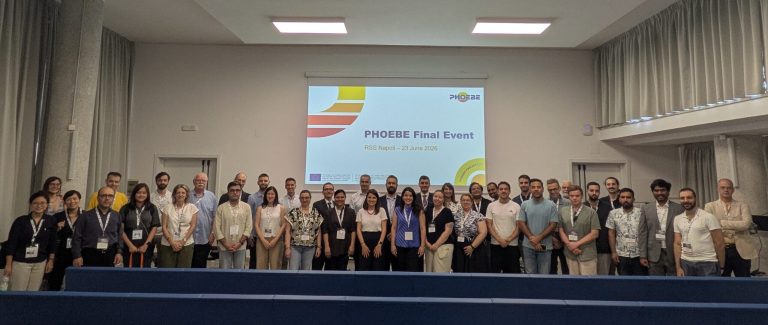
Le consortium PHOEBE célèbre la fin de son projet lors de la conférence RSS2026 à Naples.
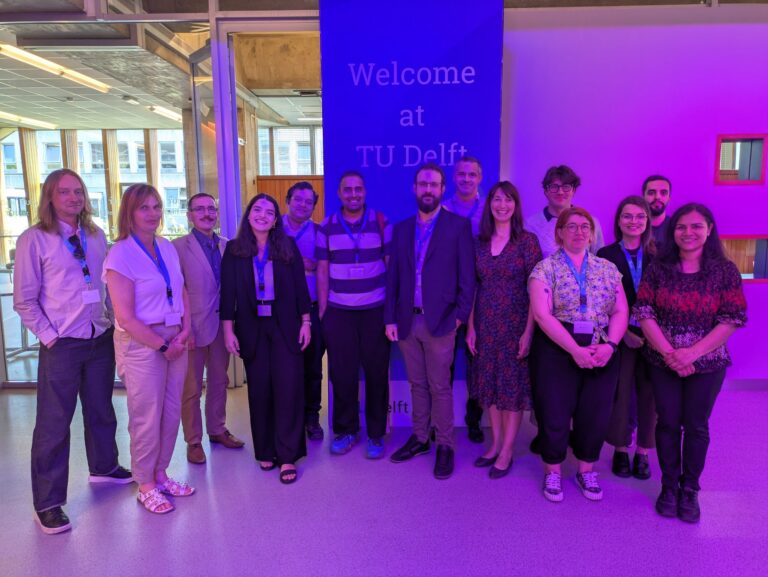
Réunion du consortium PHOEBE de l'UE : Améliorer la sécurité des usagers vulnérables de la route
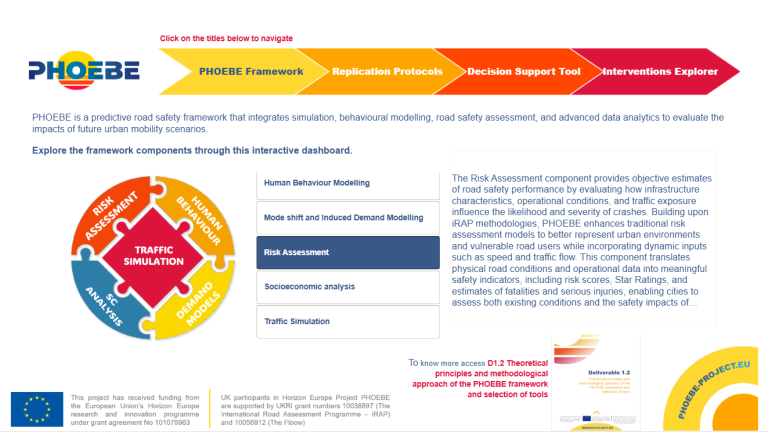
Présentation du tableau de bord PHOEBE et de son outil d'aide à la décision

Écoutez les interviews ! Les responsables du projet pilote PHOEBE font le point sur les approches prédictives dévoilées pour des environnements urbains plus sûrs.
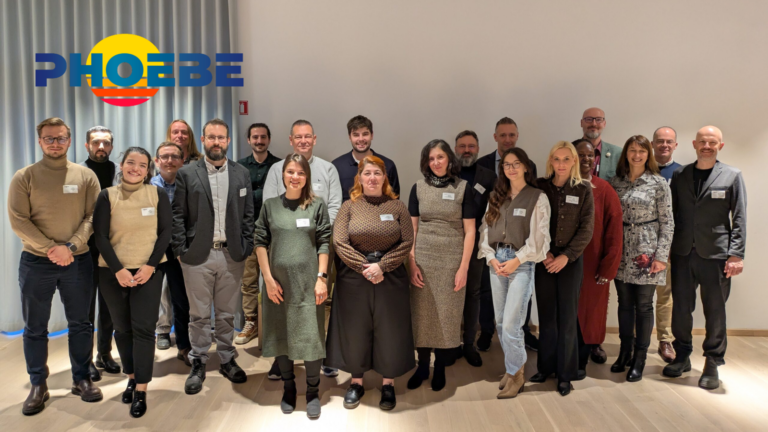
Le consortium PHOEBE partage l'impact du projet
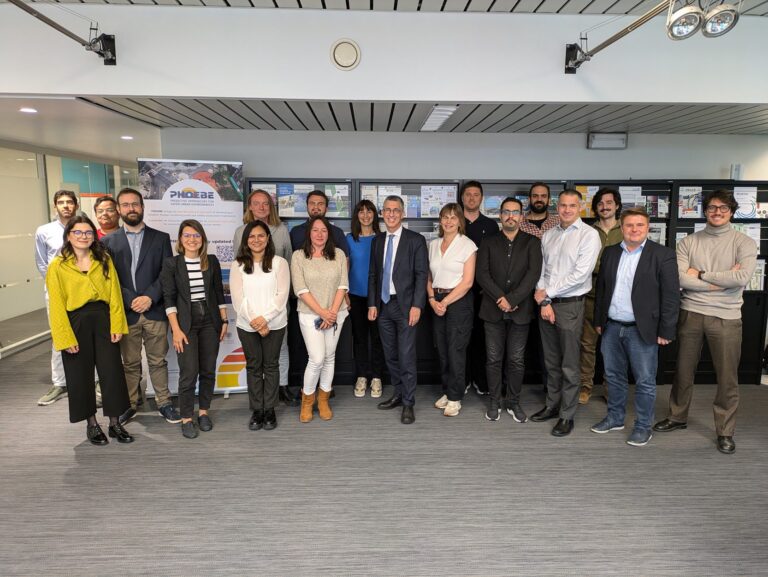
PHOEBE Réunion à Bruxelles : bilan des progrès avec la Commission européenne
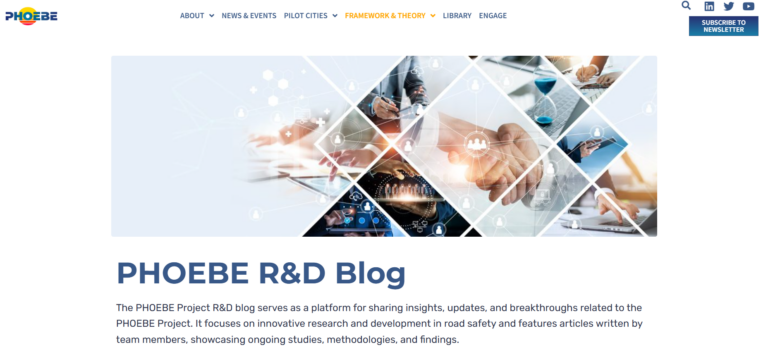
Le projet PHOEBE a lancé un blog de R&D pour partager les dernières actualités de la recherche.

Mise à jour PHOEBE : Évaluation des outils de modélisation des transports et des technologies de pointe

Le projet PHOEBE pour des environnements urbains plus sûrs est lancé grâce à un financement d'Horizon Europe.
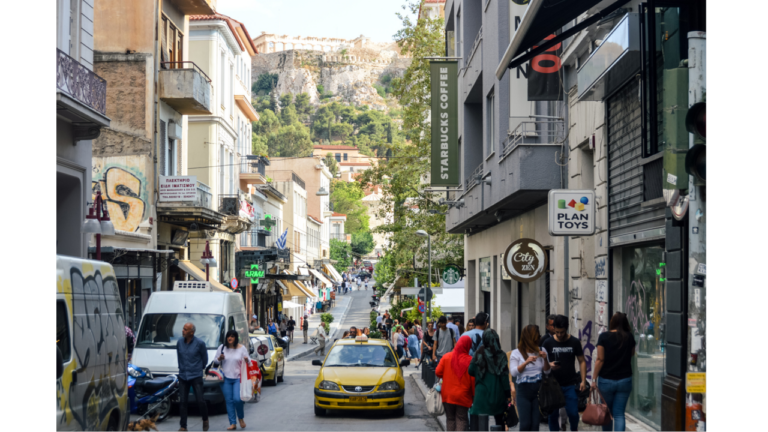
La sécurité routière pour tous : comment le projet PHOEBE améliore la simulation du trafic pour prévoir la sécurité des infrastructures
PHOEBE fait progresser les modèles et la simulation pour des environnements urbains plus sûrs