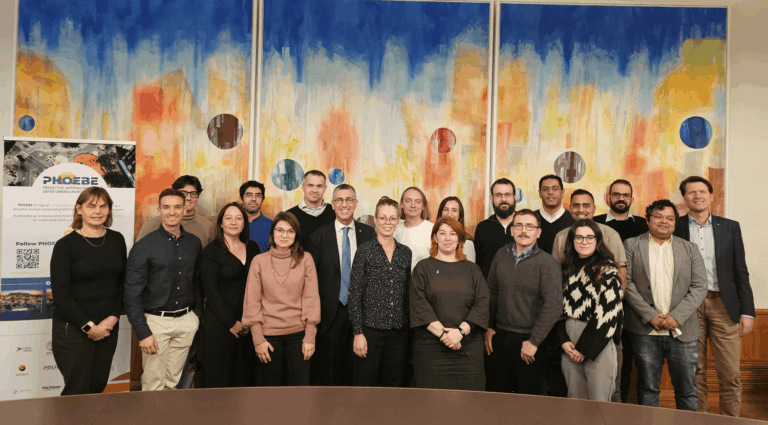

Después de tres años de investigación, innovación, colaboración e implementación en el mundo real, el programa Horizonte Europa Proyecto PHOEBE El proyecto (Enfoques predictivos para entornos urbanos más seguros) ha concluido con éxito.
El proyecto, que reunió a destacadas organizaciones de investigación, proveedores de tecnología, autoridades viales, profesionales de la movilidad y expertos en seguridad vial de toda Europa, buscaba transformar la forma en que las ciudades evalúan, predicen y gestionan los riesgos para la seguridad vial. Mediante la combinación de la evaluación de infraestructuras, la modelización del tráfico, las fuentes de datos emergentes y el análisis avanzado, PHOEBE ha demostrado cómo los enfoques predictivos pueden respaldar una toma de decisiones más proactiva y basada en datos para la seguridad vial.
Como socio clave del consorcio, iRAP se enorgulleció de aportar su experiencia en evaluación de la seguridad de la infraestructura vial y análisis de riesgos basado en evidencia a lo largo del proyecto. Junto con los socios del proyecto, iRAP contribuyó al desarrollo de enfoques innovadores que reducen la brecha entre los métodos tradicionales de evaluación de la seguridad y el análisis predictivo de última generación.
Transformando la seguridad vial mediante la predicción.
En esencia, el proyecto se fundamentó en una visión simple pero ambiciosa: pasar de una gestión de la seguridad vial con un enfoque reactivo y fragmentado a un modelo predictivo más proactivo e integrado, capaz de identificar los riesgos antes de que se produzcan accidentes.
Para lograrlo, el proyecto desarrolló y probó un marco integrado que combina la evaluación de riesgos, la simulación de tráfico, el comportamiento de los usuarios de la vía y los factores socioeconómicos para generar indicadores de desempeño de seguridad significativos para los responsables de la toma de decisiones. Mediante implementaciones piloto en toda Europa, PHOEBE exploró cómo los enfoques basados en datos pueden ayudar a las autoridades a comprender mejor los desafíos de seguridad, evaluar las intervenciones y priorizar las acciones que brinden los mayores beneficios para todos los usuarios de la vía.
Una contribución significativa al desarrollo de la metodología iRAP.
Para iRAP, uno de los resultados más significativos del proyecto fue su contribución a la continua evolución de las herramientas y metodologías de evaluación de la seguridad de la infraestructura vial.
A través de PHOEBE, iRAP contribuyó a las actividades de investigación, desarrollo y pruebas que ayudaron a informar la Clasificación por estrellas iRAP Versión 3.10, El proyecto fortaleció la conexión entre la evaluación de la seguridad de la infraestructura, el análisis de las operaciones de tráfico y la evaluación del riesgo para los usuarios vulnerables de la vía. Asimismo, brindó la oportunidad de investigar cómo integrar los resultados de los modelos de microsimulación de tráfico con las metodologías de evaluación de la seguridad vial para comprender mejor los posibles impactos en la seguridad de las intervenciones de transporte antes de su implementación.
Trabajando en estrecha colaboración con los socios del proyecto, iRAP ayudó a demostrar la viabilidad de vincular los resultados de la simulación de tráfico con las evaluaciones de la calificación de estrellas. Este trabajo ha contribuido a la funcionalidad dentro de Aimsun Nexque permite a los usuarios examinar indicadores relacionados con la seguridad junto con los resultados de la simulación de tráfico, creando nuevas oportunidades para integrar consideraciones de seguridad en la planificación y la toma de decisiones sobre el transporte.
Esto representa un paso importante hacia enfoques más predictivos para la evaluación de la seguridad vial, lo que permite a los profesionales explorar las implicaciones de seguridad de diferentes escenarios durante las etapas de planificación y diseño, en lugar de depender únicamente de las evaluaciones posteriores a la implementación.
Colaboración en toda Europa
Más allá de sus logros técnicos, el proyecto fomentó una sólida colaboración entre investigadores, autoridades públicas, expertos en movilidad, proveedores de tecnología y profesionales de la seguridad vial.
Las partes interesadas participaron activamente durante todo el ciclo de vida del proyecto, lo que contribuyó a garantizar que las metodologías, herramientas y recomendaciones reflejaran las necesidades reales y las aplicaciones prácticas. El consorcio también desempeñó un papel fundamental dentro del Clúster Europeo de Seguridad Vial, colaborando con proyectos afines para promover el intercambio de conocimientos, identificar sinergias y fortalecer el impacto colectivo de la investigación europea en materia de seguridad vial.
Los resultados del proyecto se difundieron a través de conferencias, talleres, seminarios web, publicaciones técnicas y eventos con las partes interesadas, lo que contribuyó a concienciar sobre enfoques innovadores para una movilidad urbana más segura, al tiempo que creó oportunidades para la colaboración futura y el intercambio de conocimientos.
Mirando más allá de PHOEBE
La conclusión del proyecto no supone el fin de su impacto.
El proyecto deja un valioso legado de metodologías, herramientas, conjuntos de datos, recomendaciones y redes de colaboración que seguirán apoyando futuras investigaciones e implementaciones en materia de seguridad vial. Sus hallazgos constituyen una base sólida para ciudades, autoridades de transporte, investigadores y profesionales que buscan adoptar enfoques más proactivos para comprender y gestionar los riesgos de la seguridad vial.
Los resultados finales, incluyendo los Herramienta de apoyo a la toma de decisiones PHOEBE, Ofrecer recursos prácticos que faciliten la adopción y la replicación de los resultados de los proyectos en toda Europa y más allá.
Gracias a la comunidad PHOEBE.
iRAP desea agradecer a todos los socios del consorcio, a los representantes de los sitios piloto, a las partes interesadas, a los colaboradores y a la Comisión Europea por su compromiso, experiencia y colaboración a lo largo del proyecto.
El éxito de PHOEBE demuestra lo que se puede lograr cuando los profesionales de la seguridad vial, los investigadores y los innovadores trabajan juntos hacia una visión común.
Al concluir el proyecto, sus logros refuerzan un mensaje importante: una movilidad más segura depende de evidencia más sólida, mejores datos y la capacidad de anticipar riesgos antes de que ocurra una tragedia. Al impulsar enfoques predictivos, proactivos y basados en datos para la seguridad vial, PHOEBE ha contribuido a sentar las bases para carreteras, ciudades y viajes más seguros para todos.
Lea más sobre el Proyecto PHOEBE de los últimos años.
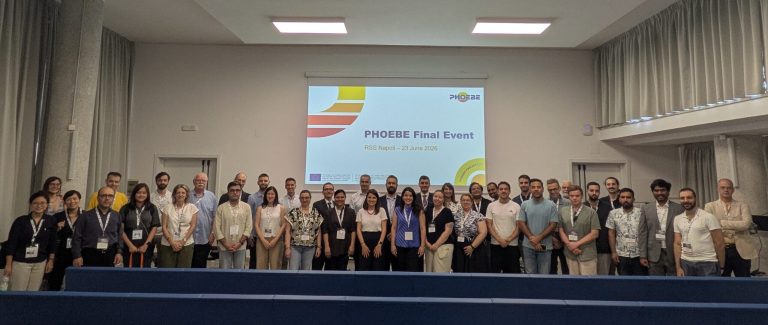
El consorcio PHOEBE celebra la conclusión de su proyecto en RSS2026 en Nápoles.
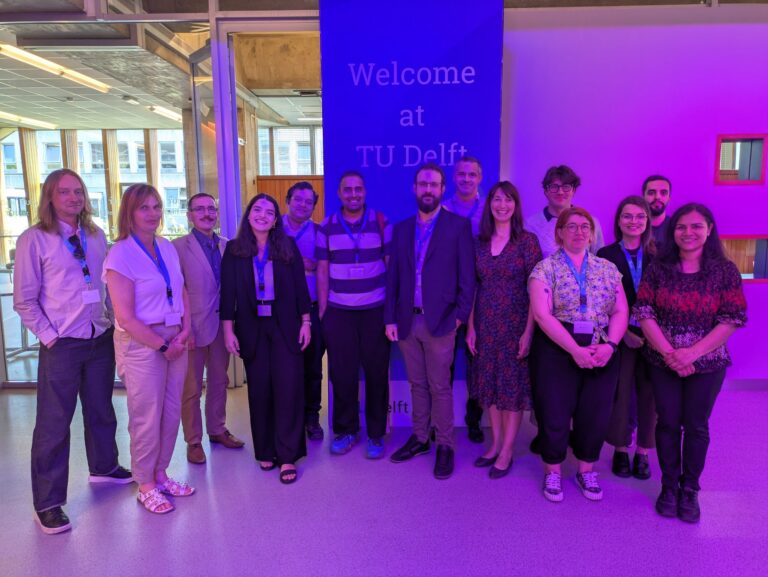
El consorcio PHOEBE de la UE se reúne para promover la seguridad de los usuarios vulnerables de la vía pública.
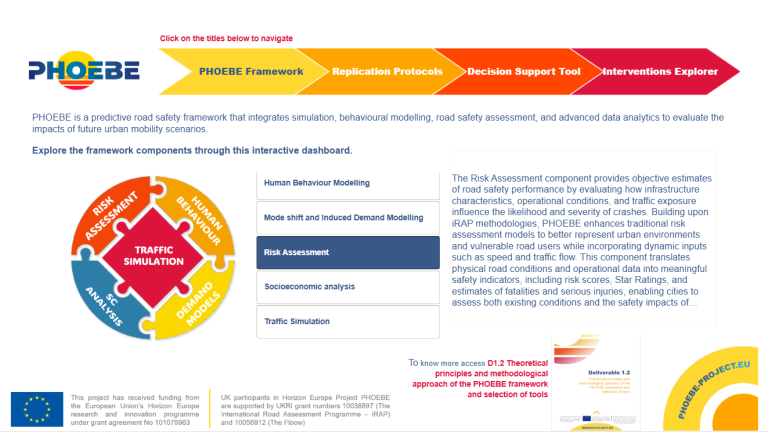
Presentamos el panel de control y la herramienta de apoyo a la toma de decisiones de PHOEBE.

¡Escucha las entrevistas! Los líderes del programa piloto del Proyecto PHOEBE informan sobre los enfoques predictivos que se están presentando para lograr entornos urbanos más seguros.
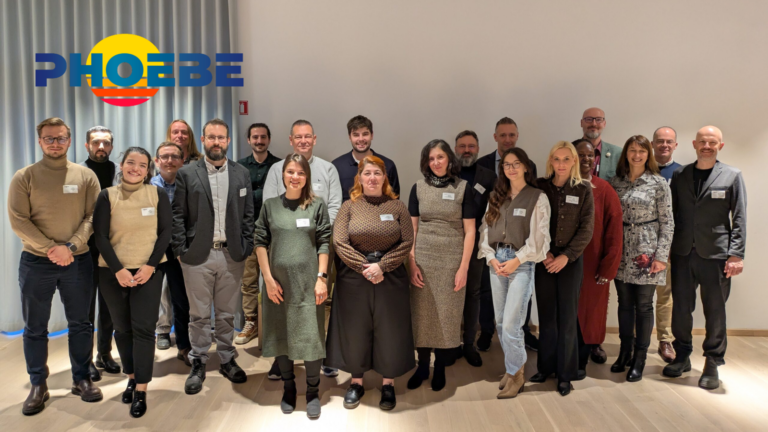
El consorcio PHOEBE comparte el impacto del proyecto.
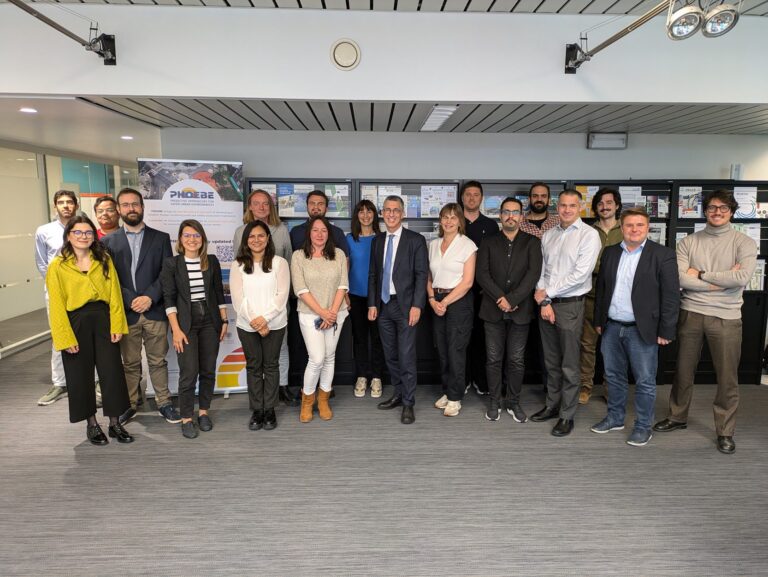
La reunión de PHOEBE en Bruselas comparte los avances con la Comisión Europea.
El proyecto PHOEBE ha lanzado un blog de I+D para compartir novedades sobre sus investigaciones.

Actualización de PHOEBE: Evaluación del estado del arte y de las herramientas de modelado de transporte.

El proyecto PHOEBE para lograr entornos urbanos más seguros arranca con financiación de Horizonte Europa.
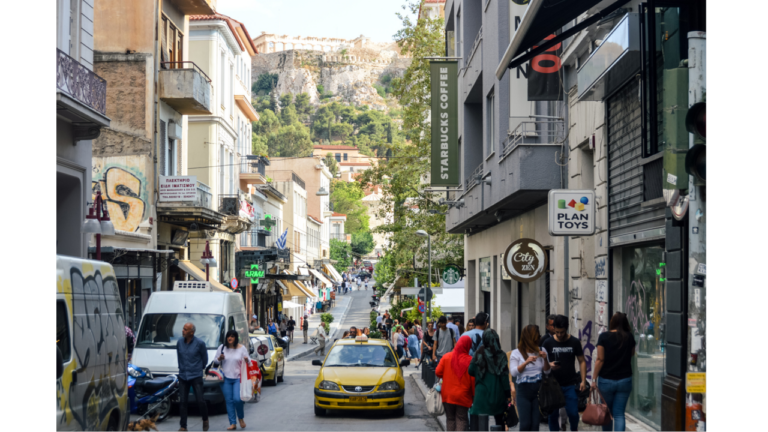
Seguridad vial para todos: cómo el proyecto PHOEBE está mejorando la simulación de tráfico para predecir la seguridad de las infraestructuras.
PHOEBE impulsa modelos y simulaciones para lograr entornos urbanos más seguros.