RAP in Afrika
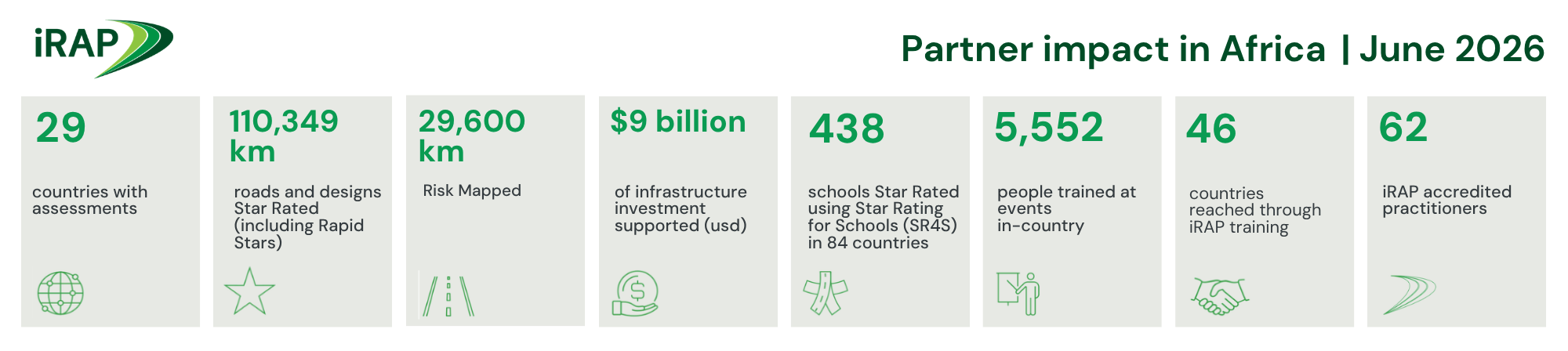
Impact van iRAP-partners in Afrika
iRAP werkt samen met lokale partners om niet alleen levens te redden op de wegen in Latijns-Amerika en het Caribisch gebied, maar ook om gezonde en duurzame vormen van mobiliteit te bevorderen, zoals wandelen en fietsen, onder andere door het gebruik van Star Rating for Schools en Star Rating for Designs voor veiligere schoolreizen en wegontwerpen.
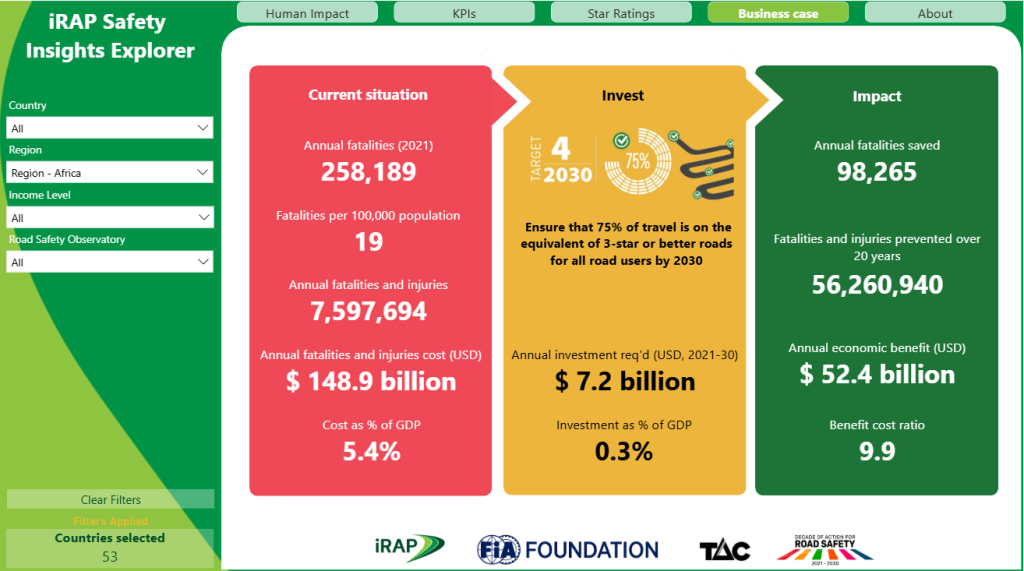
Het behalen van doelstelling 4 in Afrika in 2030 zal naar verwachting meer dan 98.000 levens per jaar redden en 56 miljoen doden en ernstig gewonden over een periode van 20 jaar voorkomen, met een economisch voordeel van $52,4 miljard dollar.
Strategische projecten die gegevens en innovatie op het gebied van verkeersveiligheid stimuleren
Een selectie van belangrijke projecten die in de loop der tijd in Afrika hebben plaatsgevonden of nog steeds actief zijn. Deze projecten worden geleid door diverse partners in Afrika.
 | 2025 – Het Federal Road Safety Corps (FRSC) en iRAP ondertekenden een licentieovereenkomst waarmee NigeriaRAP, het eerste nationale programma voor wegbeoordeling van het land, officieel van start ging. In de volgende fase zullen FRSC en het team van Kwapda's Road Safety Demand (KRSD) een NigeriaRAP-stuurgroep oprichten, SR4S uitbreiden op basis van zes reeds beoordeelde scholen en trainingen over Safer Road Engineering (SRE) en SR4S starten alvorens de werkzaamheden op de grond van start te gaan. | Klik hier voor meer informatie. |
 | 2025 – iRAP, het Nationaal Agentschap voor Verkeersveiligheid (ANASER) en het Stuurcomité van het Senegalese Tienstappenproject (iRAP) kondigden de lancering aan van SnRAP in Dakar, het Senegalese programma voor de beoordeling van wegen om wegen met een hoog risico te elimineren. | Klik hier voor meer informatie. |
 | 2023 – Jmede gefinancierd door het VN-fonds voor verkeersveiligheid (UNRSF) en het Foreign Commonwealth and Development Office (UKAid), via de Global Road Safety Facility (GRSF) van de Wereldbank. Het 30 maanden durende pilotproject Tanzania Ten Step Plan heeft gezorgd voor duurzame institutionele capaciteit voor veiligere wegen, en heeft tevens impact gehad en partnerschappen opgezet om levens te redden en ernstig letsel als gevolg van verkeersongevallen te verminderen. | Klik hier voor meer informatie. |
 | 2022 - TanRAP, de Tanzaniaans wegenbeoordelingsprogramma, Het initiatief werd in Dar es Salaam gelanceerd om gevaarlijke wegen te elimineren en het aantal verkeersdoden terug te dringen van de meer dan 16.000 mensen die jaarlijks in het land omkomen. | Klik hier voor meer informatie. |
 | In 2024 heeft het SARAP-programma 42.751 km aan wegen en wegontwerpen beoordeeld, evenals 81 scholen. | Klik hier voor meer informatie. |
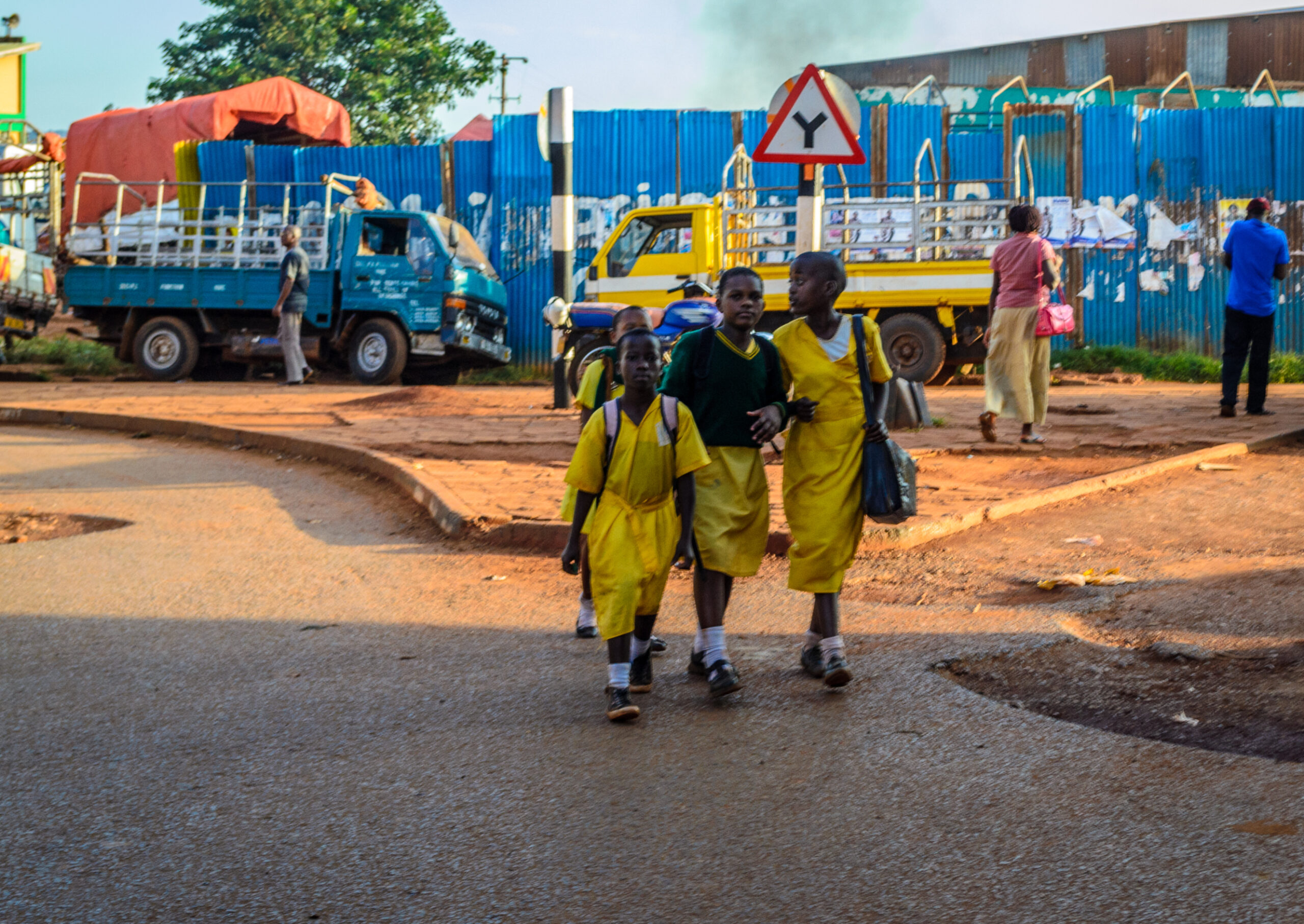
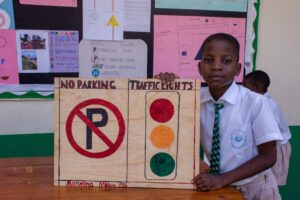 | 2024 – In het kader van het FIA Road Safety Grant Programme, de Federatie van Motorsport (FMU), samen met haar partners (waaronder de FIA), zijn begonnen met de implementatie van een Beoordeling van veilige schoolzones Verkeersveiligheidsprogramma om deze uitdagingen op het gebied van verkeersveiligheid in het district Wakiso, in de metropoolregio Kampala in Oeganda, aan te pakken. Het programma, dat gebruikmaakt van de Star Rating for Schools (SR4S)-tool, heeft als doel veiligere routes naar scholen te realiseren door middel van een holistische aanpak. Deze aanpak omvat het beoordelen van de schoolinfrastructuur, het aanleren van toegankelijkheid van de weg en oversteekvaardigheden aan kinderen, en het geven van veiligheidsvoorlichting aan gebruikers van tweewielers (boda-bodas). | Klik hier voor meer informatie. |
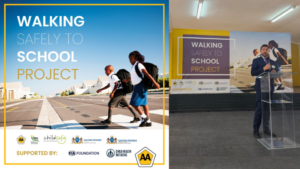 | 2024 – De Automobilistenvereniging (AA) En ChildSafe Zuid-Afrika, ondersteund door de FIA Foundation en zijn Initiatief voor kindergezondheid (CHI), heeft een belangrijke stap gezet om de verkeersveiligheid in Mamelodi, Tshwane te verbeteren door de lancering van Project WATCH, dat tot doel heeft de verkeersveiligheid rond tien scholen te verhogen. Het project Walking Safely to School (WATCH) wordt uitgevoerd van april 2024 tot maart 2026 en heeft als doel de weginfrastructuur te verbeteren en de verkeersveiligheid rond scholen te bevorderen door aanpassingen aan verkeersborden, wegmarkeringen, verkeersdrempels, verhoogde voetgangersovergangen en trottoirs in de schoolzones. ChildSafe zal, met steun van Star Rating for Schools (SR4S), beoordelingen met sterren uitvoeren van de infrastructuuraanpassingen en verkeersveiligheidseducatie verzorgen. | Klik hier voor meer informatie. |
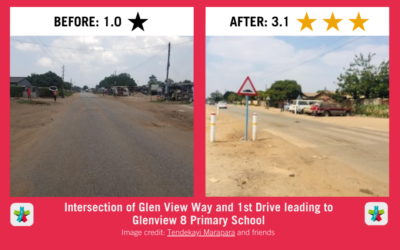 | 2024 – De 2022 Wereldwijde jongerencoalitie voor verkeersveiligheid De winnaar van de Local Actions Award, de Zimbabwaanse jongerenactivist Tendekayi Marapara, en zijn leeftijdsgenoten hebben het initiatief genomen voor "“Veiligere schoolzones Zimbabwe”"Een project gericht op de Glen View 8 basisschool in Harare, Zimbabwe.". De doelstellingen van het project, waaronder: pleiten voor lagere snelheidslimieten rond schoolzones; het vormen van verkeersveiligheidscoalities met deelname van jongeren; en het zorgen voor een betere weginfrastructuur voor scholen zoals Glen View 8 Primary School op basis van de resultaten van de SR4S-beoordeling, vormen cruciale stappen in de richting van een veiligere omgeving voor kinderen die naar school pendelen. | Klik hier voor meer informatie. |
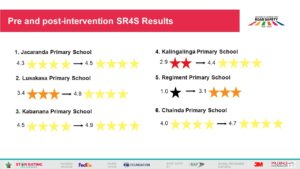 | 2023 – De Ontwikkelingsprogramma van de Verenigde Naties (VN-DP), de Ministerie van Lokale Overheid en Plattelandsontwikkeling, en de VN-fonds voor verkeersveiligheid Ze hebben de krachten gebundeld om de verkeersveiligheidsproblemen rond scholen in Lusaka aan te pakken. Hun focus ligt op het verbeteren van de infrastructuur in risicovolle gebieden, waarbij ze de Star Rating for Schools (SR4S) app gebruiken om de risico's voor kinderen te beoordelen en te kwantificeren. Voor de eerste fase werden zes scholen in dichtbevolkte gebieden van Lusaka geselecteerd. Het project omvatte diverse maatregelen om de veiligheid te verbeteren, waaronder veilige oversteekplaatsen voor voetgangers, snelheidsbeperkingen en bewustwordingscampagnes. Hierdoor steeg de sterrenwaardering van elke school aanzienlijk. | Klik hier voor meer informatie. |
Waar wij werken
Beleid in de praktijk brengen
Veel landen geven prioriteit aan de veiligheid van hun weginfrastructuur door in hun beleid veiligheidsdoelstellingen van 3 sterren of hoger vast te leggen, in lijn met de VN-doelstellingen 3 en 4 voor wereldwijde verkeersveiligheid. Een aantal Latijns-Amerikaanse en Caribische landen heeft nationale strategieën en actieplannen voor verkeersveiligheid die doelstellingen van 3 sterren of hoger voor een veilige weginfrastructuur omvatten.
- Eswatini: 2023-2030 Nationale strategie voor verkeersveiligheid – Een onderzoek van iRAP zal worden uitgevoerd op belangrijke landelijke en stedelijke wegen; het snelwegennet en >75% aan reizen op de hoofdwegen om tegen 2030 een veiligheidsclassificatie van 3 sterren of hoger te behalen.
- Gambia: Gambiaanse verkeersveiligheidsstrategie 2020-2030 – Het nationale snelwegennet moet een prestatienorm van 3 sterren of hoger behalen.
- Kenia: Nationaal actieplan voor verkeersveiligheid in Kenia 2024-2028 – Er zullen iRAP-beoordelingen worden uitgevoerd van verharde wegen van klasse A, B en C, en van de belangrijkste stedelijke wegennetwerken in Nairobi, Mombasa, Kisumu, Eldoret en Nakuru, om weggedeelten met een hoog risico te identificeren. Er zullen investeringsplannen voor veiligere wegen worden ontwikkeld om prioriteit te geven aan op bewijs gebaseerde veiligheidsverbeteringen en nationale capaciteitsopbouw, met een focus op de iRAP-methodologie en -instrumenten.
- Limpopo, Zuid-Afrika: Stel een sterrenbeoordeling vast voor alle ontwerpen voor elke weggebruiker; Voer iRAP-beoordelingen uit met behulp van geaccrediteerde experts om een minimum van drie sterren of meer voor alle weggebruikers te garanderen; Geef prioriteit aan de implementatie van de 10 belangrijkste tegenmaatregelen die zijn geïdentificeerd in het iRAP-sterrenbeoordelingsproces.
- Malawi: Nationale verkeersveiligheidsstrategie van Malawi 2022-2030 – Er moet een verkeersveiligheidsaudit worden uitgevoerd voor alle nieuwe wegen, inclusief een iRAP-sterrenbeoordeling. Minimaal 3 sterren moeten worden behaald door alle weggebruikers.
- Tanzania: Nationaal verkeersveiligheidsplan van Tanzania 2024/5−2026/7 – De iRAP-methodologie zal worden toegepast en verbeterde richtlijnen voor wegontwerp en weginspectiesystemen zullen worden geïntegreerd met de iRAP-certificering.
- Oeganda: Nationaal actieplan van Oeganda voor de periode 2021-2026 – Voer verplichte verkeersveiligheidsaudits in, van haalbaarheidsstudie tot gedetailleerd ontwerp en tijdens de bouw, met behulp van onafhankelijke en geaccrediteerde deskundigen, om een minimale norm van 3 sterren of hoger voor alle weggebruikers te garanderen. Een certificaat van naleving van de verkeersveiligheidsvoorschriften moet verplicht worden gesteld voor alle wegontwerpen.
- Oeganda: Richtlijn voor het instellen van veilige schoolzones – Stappen voor het ontwerpen van nieuwe en het verbeteren van bestaande schoolzones omvatten beoordelingen met behulp van methoden zoals iRAP en Star Rating for Schools.
- UNECA/Afrika: Strategische richtlijnen voor het decennium na de actieperiode 2011-2020 en het Afrikaanse plan voor verkeersveiligheid 2021-2030 – Verplichte risicobeoordeling van de weginfrastructuur door onafhankelijke en geaccrediteerde deskundigen om een minimale standaard van drie sterren of hoger voor alle weggebruikers te garanderen; een streefwaarde voor de sterrenclassificatie van ontwerpen vaststellen.
Hoe veilig zijn de wegen in Afrika en wat zijn de zakelijke argumenten voor veiligere wegen?
De iRAP Safety Insights Explorer werpt licht op de ware omvang van verkeersongevallen, de veiligheid van de wegen wereldwijd en de positieve impact die investeringen kunnen hebben.
Maak kennis met het Afrika-team.

Safer Journeys Lead (Afrika)
Nathalie Chiavassa
Safer Journeys Lead (Afrika)
Nathalie Chiavassa is een toegewijde verkeersveiligheidsspecialist en gecertificeerd verkeersveiligheidsauditor met meer dan 20 jaar ervaring in Sub-Sahara Afrika en het Caribisch gebied. Ze heeft als expert en teamleider bijgedragen aan tal van trainingsprogramma's en heeft een sleutelrol gespeeld in de uitvoering van het 'Two Decades of Action for Road Safety'-initiatief, waarbij ze technische ondersteuning, beleids- en strategie-evaluaties en capaciteitsopbouw heeft geboden in meer dan 15 Afrikaanse landen.
Haar professionele achtergrond omvat het ondersteunen van grootschalige projecten voor de rehabilitatie en modernisering van wegen in heel Afrika. Haar expertise omvat verkeersveiligheidstechniek, inspecties ter plaatse, het ontwikkelen van technische handleidingen en het bieden van advies aan verkeersveiligheidsinstanties, -instellingen en maatschappelijke organisaties.
Sinds maart 2023 is zij verantwoordelijk voor het project Veiligere Wegen in Afrika bij het International Road Assessment Programme (iRAP), waar zij zich inzet voor het versterken van de inspanningen om levens te redden op het hele continent.

Leidinggevende op het gebied van training en accreditatie
Franco Azzato
Leidinggevende op het gebied van training en accreditatie
Franco Azzato is een industrieel-mechanisch ingenieur met meer dan zeven jaar ervaring in verkeersveiligheid. Hij heeft uitgebreid gewerkt in Latijns-Amerika, waar hij initiatieven ondersteunde gericht op de veiligheid van motorrijders en de verkeersveiligheid van kinderen, voordat hij in 2022 bij iRAP in de sector Veilige Infrastructuur ging werken.
Zijn werk combineert technische kennis met praktische toepassing en helpt overheden en partners om onderzoeksresultaten om te zetten in veiligere wegen en beleid. Franco zet zich in voor het versterken van de lokale capaciteit, omdat hij ervan overtuigd is dat verkeersveiligheid een gedeelde verantwoordelijkheid en een fundamenteel recht is.
Hij streeft er in zijn professionele rol naar om ervoor te zorgen dat minder mensen en gezinnen de onomkeerbare gevolgen van verkeersongevallen ondervinden.

Coördinator Duurzame Mobiliteit
Minh Vo
Coördinator Duurzame Mobiliteit
Minh Vo heeft een master in stedenbouwkunde en beschikt over expertise op het gebied van verkeersveiligheid, duurzame mobiliteit en monitoring en evaluatie. Bij iRAP ondersteunt ze de programma's Star Rating for Schools (SR4S) en CycleRAP, waarbij ze op bewijs gebaseerde infrastructuurbeoordelingen en -verbeteringen bevordert en tegelijkertijd partnerschappen met overheden, ontwikkelingsorganisaties en gemeenschappen wereldwijd versterkt.
Haar achtergrond combineert op unieke wijze technische analyse met maatschappelijke betrokkenheid, met een sterke focus op de ontwikkeling van klimaatbestendige en inclusieve transportsystemen die aansluiten bij het VN-decennium voor duurzaam transport (2026-2035). Minh zet zich vol passie in om data en onderzoek te vertalen naar praktische oplossingen die kwetsbare weggebruikers beschermen, met name kinderen en fietsers.
Als ontvanger van de Australia Awards Scholarships en de Peter Kissinger Memorial Award 2025 belichaamt zij zowel professionele uitmuntendheid als een oprechte toewijding aan het redden van levens door middel van veiligere, duurzamere straten voor iedereen.
Het laatste nieuws uit Afrika
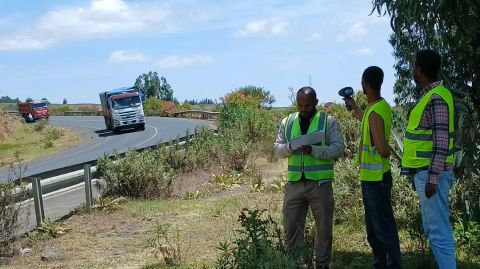
Evaluatie van een pilotproject in Ethiopië is van start gegaan.
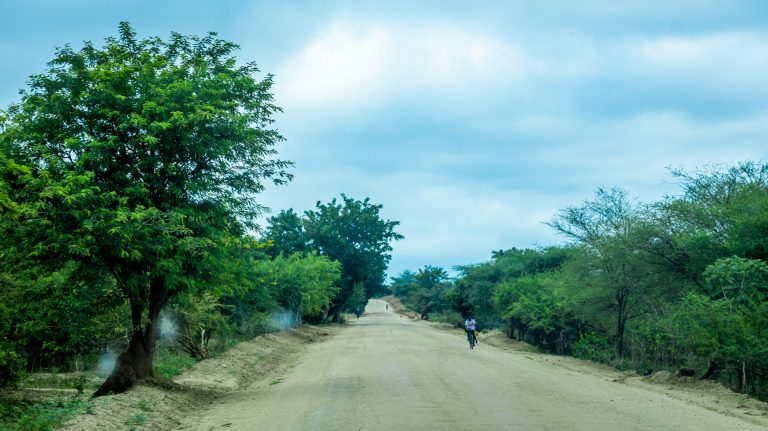
Investeringen van de Wereldbank voor veiligere en klimaatbestendigere wegen in Malawi

Van INWED-subsidieontvanger tot geaccrediteerd professional: Diana Rose's reis naar een stem voor veiligere wegen
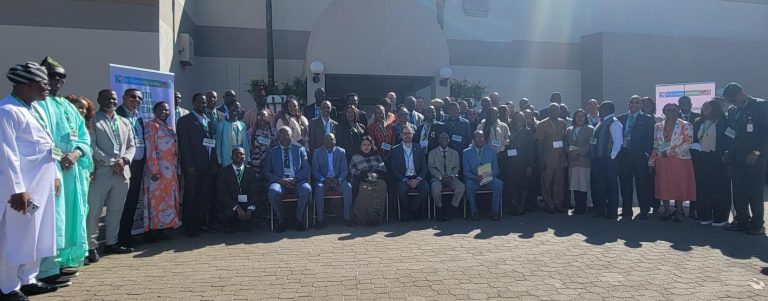
iRAP belicht op bewijs gebaseerde oplossingen voor verkeersveiligheid op ICTA2026 in Namibië
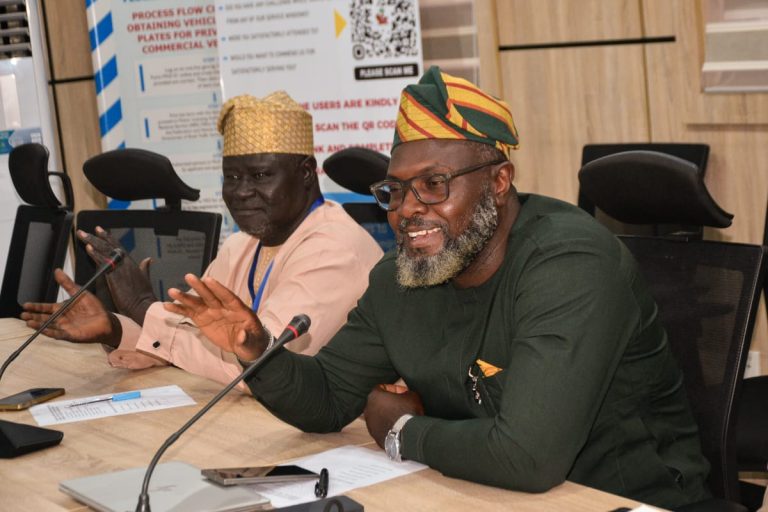
Stuurgroep NigeriaRAP geïnaugureerd om veiligere wegen te bevorderen
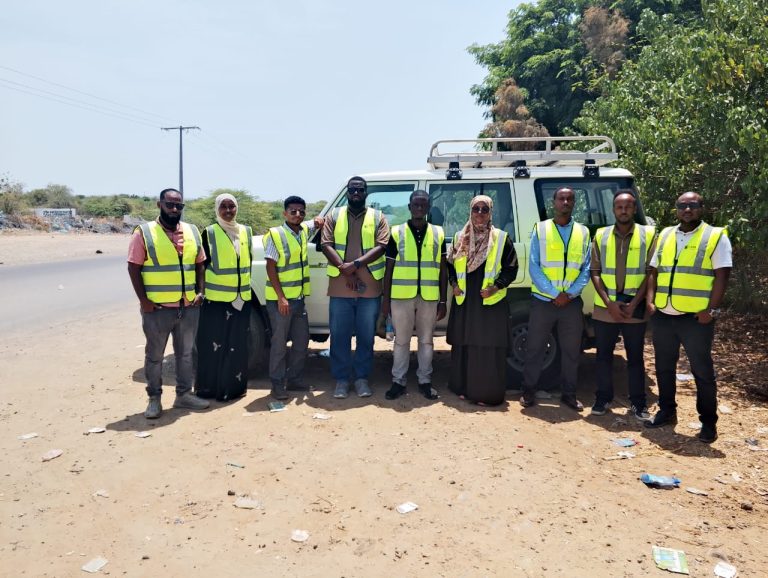
Djibouti: Een primeur in de samenwerking tussen iRAP, EcoHumanis en het Djibouti Roads Agency (ADR) op de nationale route 2.
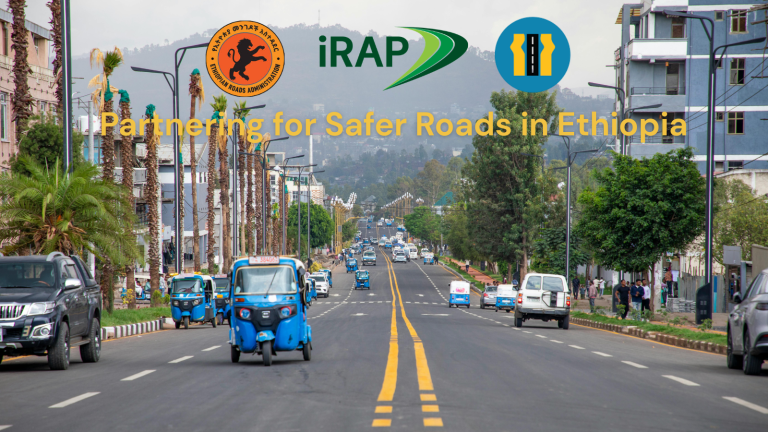
Ethiopië zet belangrijke stap richting veiligere wegen met RSIFS, ERA en iRAP-partnerschap