RAP en Afrique
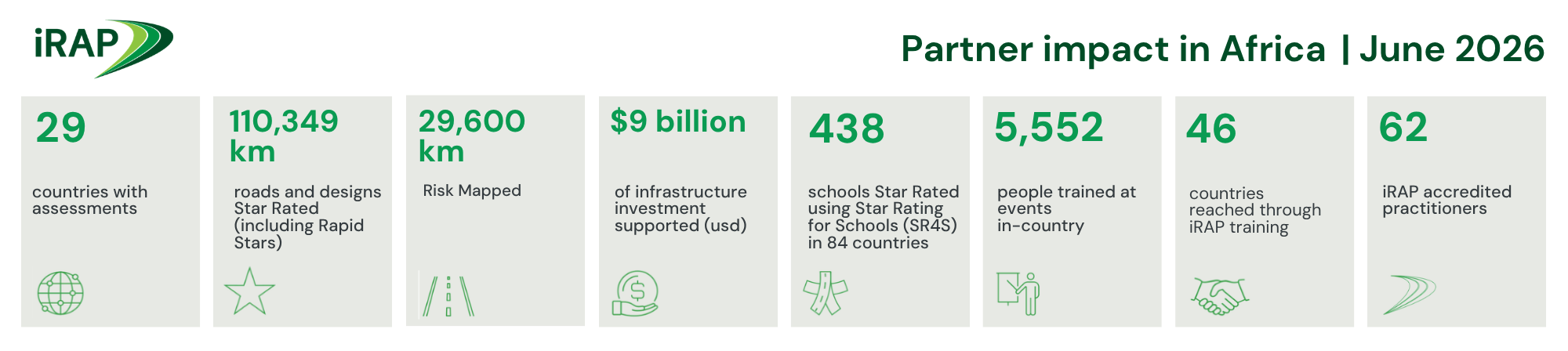
Impact des partenaires de iRAP en Afrique
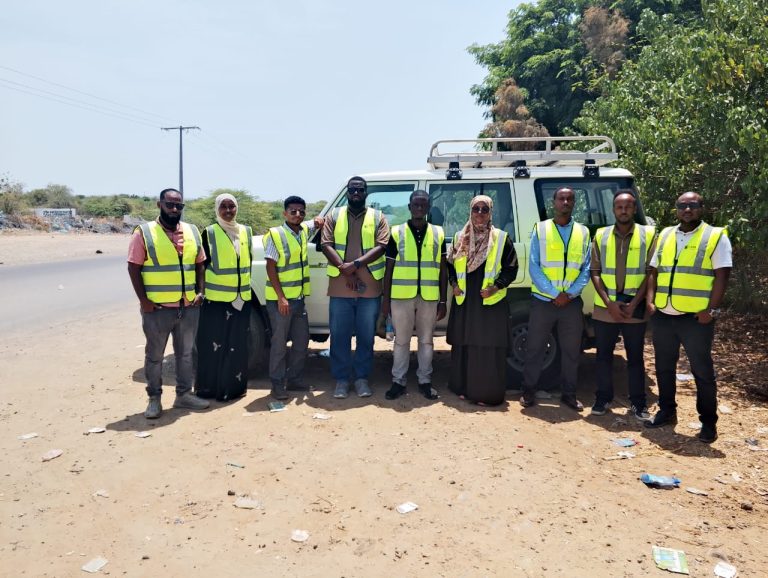
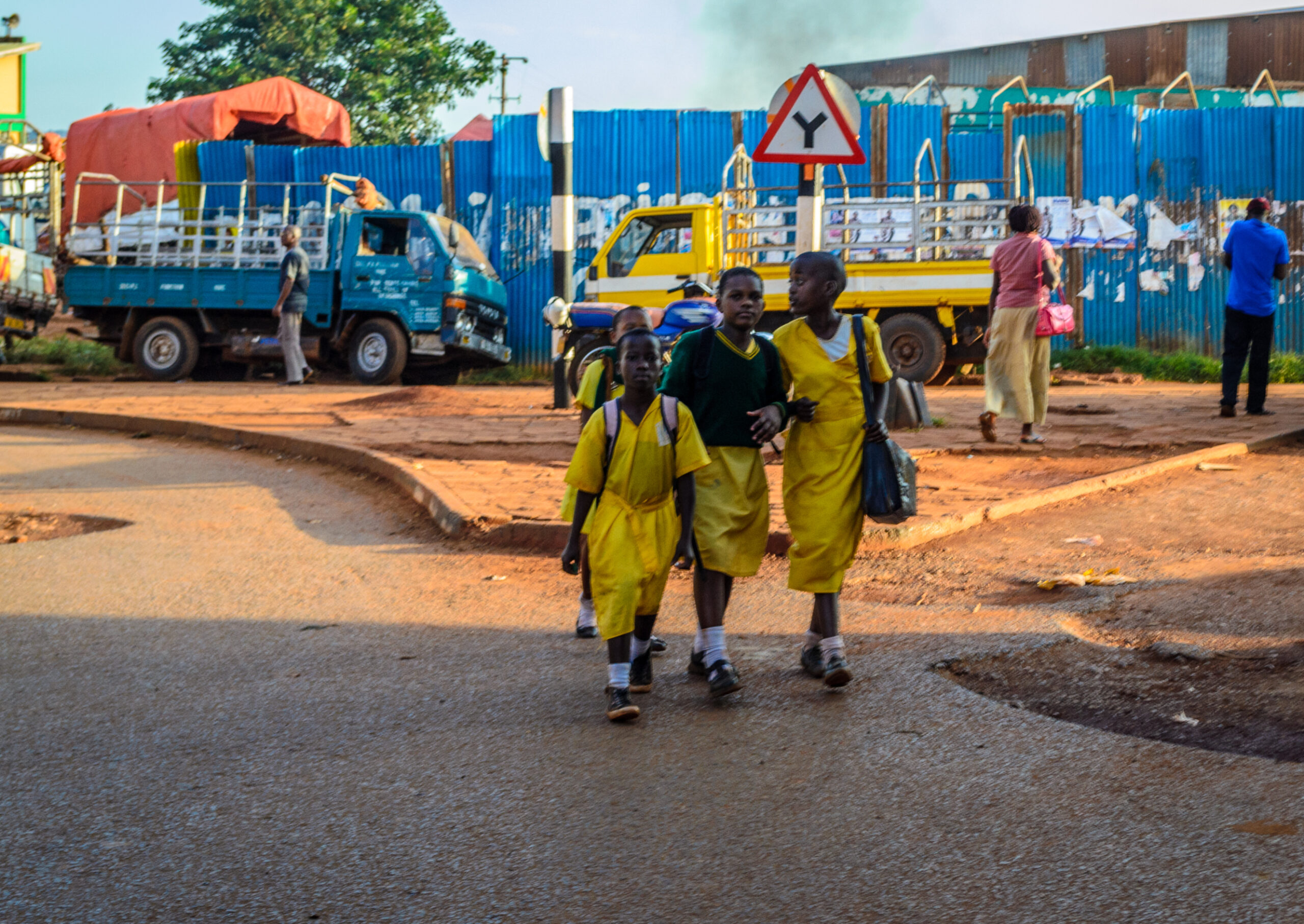
iRAP travaille avec des partenaires locaux pour aider non seulement à sauver des vies sur les routes d'Amérique latine et des Caraïbes, mais aussi à promouvoir des formes de mobilité saines et durables telles que la marche et le vélo, notamment grâce à l'utilisation de Star Rating for Schools et Star Rating for Designs pour des trajets scolaires et des aménagements routiers plus sûrs.
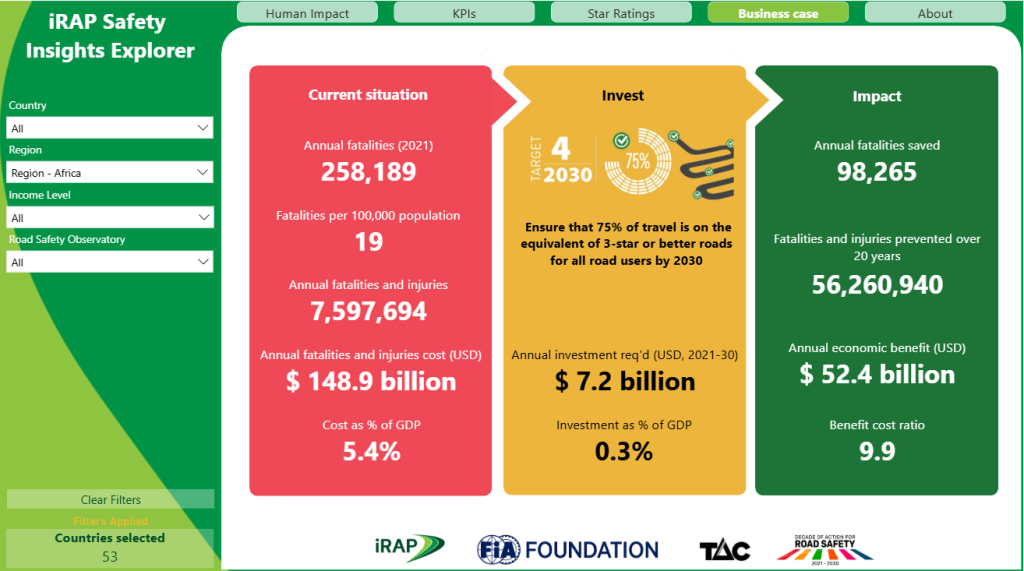
La réalisation de l’objectif 4 d’ici 2030 en Afrique pourrait sauver plus de 98 000 vies par an et 56 millions de décès et de blessures graves sur 20 ans, avec un bénéfice économique de 1 095 000 milliards de dollars américains.
Projets stratégiques favorisant les données et l'innovation en matière de sécurité routière
Présentation d'une sélection de projets majeurs réalisés ou en cours en Afrique. Menés par divers partenaires africains.
 | 2025 – le Corps fédéral de sécurité routière (FRSC) et iRAP ont signé un accord de licence lançant officiellement NigeriaRAP, le premier programme national d'évaluation des routes du pays. La prochaine phase verra la FRSC et l'équipe de Kwapda's Road Safety Demand (KRSD) établir un comité de pilotage NigeriaRAP, étendre SR4S sur la base de six écoles déjà évaluées et lancer une formation sur l'ingénierie routière plus sûre (SRE) et SR4S avant de commencer les activités sur le terrain. | Cliquez ici pour plus d'informations |
 | 2025 – iRAP, l’Agence nationale de sécurité routière (ANASER) et le Comité de pilotage du projet « Dix étapes Sénégal » ont annoncé le lancement à Dakar du SnRAP, le Programme d’évaluation des routes du Sénégal visant à éliminer les routes à haut risque. | Cliquez ici pour plus d'informations |
 | 2023 – Jfinancé principalement par le Fonds des Nations Unies pour la sécurité routière (UNRSF) et par le ministère des Affaires étrangères, du Commonwealth et du Développement (UKAid), par le biais du Fonds mondial pour la sécurité routière (GRSF) de la Banque mondiale. Le projet pilote de 30 mois du Plan en dix étapes de Tanzanie a permis de renforcer durablement les capacités institutionnelles pour des routes plus sûres, et a également généré un impact et des partenariats visant à sauver des vies et à réduire les blessures graves dues aux accidents de la route. | Cliquez ici pour plus d'informations |
 | 2022- TanRAP, le Programme d'évaluation des routes de Tanzanie, Ce programme a été lancé à Dar es Salaam afin d'éliminer les routes à haut risque et de réduire le nombre de décès, qui s'élève à plus de 16 000 par an sur les routes du pays. | Cliquez ici pour plus d'informations |
 | En 2024, le programme SARAP a évalué 42 751 km de routes et de projets, ainsi que 81 écoles. | Cliquez ici pour plus d'informations |
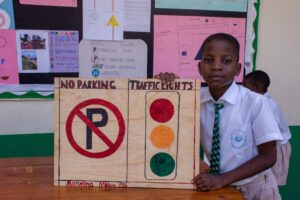 | 2024 – Dans le cadre du programme de subventions pour la sécurité routière de la FIA, Fédération des sports mécaniques (FMU), ainsi que ses partenaires (y compris le FIA), ont commencé à mettre en œuvre un Évaluation des zones scolaires sécurisées Programme de sécurité routière pour lutter contre ces problèmes de sécurité routière dans le district de Wakiso, dans la métropole de Kampala en Ouganda. Le programme, qui utilise l'outil Star Rating for Schools (SR4S), vise à créer des itinéraires plus sûrs vers les écoles grâce à une approche holistique consistant à évaluer l'infrastructure scolaire, à enseigner aux enfants les compétences d'accessibilité routière et de traversée, et à fournir une éducation à la sécurité aux utilisateurs de deux-roues (Boda-bodas). | Cliquez ici pour plus d'informations |
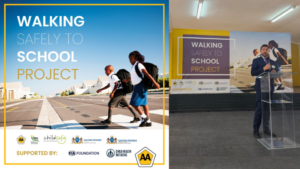 | 2024 – Le Association automobile (AA) et ChildSafe Afrique du Sud, soutenu par le FIA Foundation et son Initiative pour la santé infantile (CHI), a franchi une étape importante vers l'amélioration de la sécurité routière à Mamelodi, Tshwane, grâce au lancement du projet WATCH visant à moderniser la sécurité routière aux abords d'une dizaine d'écoles. Le projet Walking Safely to School (WATCH) sera mis en œuvre d'avril 2024 à mars 2026 et vise à améliorer l'infrastructure routière et à promouvoir la sécurité routière aux abords des écoles grâce à des modifications apportées aux panneaux de signalisation, au marquage routier, aux ralentisseurs, aux passages piétons surélevés et aux trottoirs autour des zones scolaires. Avec le soutien de Star Rating for Schools (SR4S), ChildSafe effectuera des évaluations par étoiles des modifications d'infrastructure et fournira une éducation à la sécurité routière. | Cliquez ici pour plus d'informations |
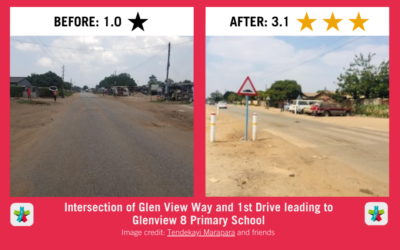 | 2024 – 2022 Coalition mondiale des jeunes pour la sécurité routière Lauréat du prix Actions locales, Tendekayi Marapara, jeune militant zimbabwéen, et ses pairs ont lancé l'initiative “Zones scolaires plus sûres au Zimbabwe” Projet ciblant l’école primaire Glen View 8 à Harare, au Zimbabwe. ». Les objectifs du projet, qui comprennent : plaider en faveur d'une réduction des limitations de vitesse aux abords des écoles ; former des coalitions pour la sécurité routière impliquant la participation des jeunes ; et garantir une infrastructure routière améliorée pour les écoles comme l'école primaire Glen View 8 grâce aux résultats de l'évaluation SR4S, représentent des avancées cruciales vers la création d'environnements plus sûrs pour les enfants qui se rendent à l'école. | Cliquez ici pour plus d'informations |
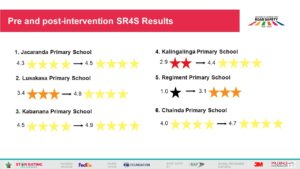 | 2023 – Le Programme des Nations Unies pour le développement (PNUD), le Ministère des Collectivités locales et du Développement rural, et le Fonds des Nations Unies pour la sécurité routière Ils ont uni leurs forces pour s'attaquer aux problèmes de sécurité routière aux abords des écoles de Lusaka. Leur action est axée sur l'amélioration des infrastructures dans les zones à haut risque, grâce à l'application Star Rating for Schools (SR4S) qui permet d'évaluer et de quantifier les risques auxquels les enfants sont exposés. Six écoles situées dans des quartiers densément peuplés de Lusaka ont été sélectionnées pour la phase initiale du projet. Ce dernier a mis en œuvre diverses mesures visant à renforcer la sécurité, notamment des passages piétons sécurisés, des mesures de réduction de la vitesse et des campagnes de sensibilisation. Grâce à ces mesures, le classement par étoiles de chaque école a connu une nette amélioration. | Cliquez ici pour plus d'informations |
Où nous travaillons
Des politiques mises en pratique
De nombreux pays font de la sécurité de leurs infrastructures routières une priorité en intégrant des objectifs de sécurité de niveau 3 étoiles ou supérieur dans leurs politiques, conformément aux objectifs de performance 3 et 4 des Nations Unies en matière de sécurité routière. Plusieurs pays d'Amérique latine et des Caraïbes ont mis en place des stratégies et des plans d'action nationaux en matière de sécurité routière qui comprennent des objectifs de niveau 3 étoiles ou supérieur pour des infrastructures routières sûres.
- Eswatini : 2023-2030 Stratégie nationale de sécurité routière – Une étude de iRAP sera menée sur les principales routes rurales et urbaines ; le réseau autoroutier et >75% de trajets sur les routes principales pour atteindre une cote de sécurité de 3 étoiles ou plus d'ici 2030.
- Gambie: Stratégie de sécurité routière de la Gambie 2020-2030 – Le réseau routier national doit atteindre un niveau de performance de 3 étoiles ou supérieur.
- Kenya: Plan d’action national pour la sécurité routière du Kenya 2024-2028 Des évaluations iRAP seront réalisées sur les routes pavées de classes A, B et C, ainsi que sur les principaux réseaux routiers urbains de Nairobi, Mombasa, Kisumu, Eldoret et Nakuru, afin d'identifier les tronçons routiers à haut risque. Des plans d'investissement pour des routes plus sûres seront élaborés afin de privilégier les améliorations de sécurité fondées sur des données probantes et le renforcement des capacités nationales, notamment en ce qui concerne la méthodologie et les outils iRAP.
- Limpopo, Afrique du Sud : Définir un objectif de notation par étoiles pour tous les aménagements destinés à chaque usager de la route ; réaliser des évaluations iRAP avec des experts accrédités afin de garantir un minimum de trois étoiles pour tous les usagers de la route ; prioriser la mise en œuvre des 10 principales contre-mesures identifiées lors du processus de notation par étoiles iRAP.
- Malawi: Stratégie nationale de sécurité routière du Malawi 2022-2030 Un audit de sécurité routière devra être réalisé pour toutes les nouvelles routes et inclure une notation TP5T (1 étoile). Un minimum de 3 étoiles devra être obtenu pour tous les usagers de la route.
- Tanzanie: Plan national de sécurité routière de la Tanzanie 2024/5-2026/7 – La méthodologie iRAP sera utilisée et les directives améliorées en matière de conception routière ainsi que les systèmes d’inspection routière seront intégrés à la certification iRAP.
- Ouganda: Plan d’action national de l’Ouganda 2021-2026 – Rendre obligatoires les audits de sécurité routière, de l’étude de faisabilité à la conception détaillée et pendant la construction, en faisant appel à des experts indépendants et accrédités afin de garantir un niveau minimal de sécurité routière (3 étoiles ou plus) pour tous les usagers. Un certificat de conformité aux normes de sécurité routière devrait être exigé pour tous les projets routiers.
- Ouganda: Guide pour la mise en place de zones scolaires sécurisées – Les étapes de conception de nouvelles zones scolaires et de mise à niveau des zones scolaires existantes comprennent des évaluations utilisant des méthodes telles que iRAP Star Rating for Schools.
- UNECA/Afrique : Orientations stratégiques pour l’après-Décennie d’action 2011-2020 et Plan africain pour la sécurité routière 2021-2030 – Évaluation obligatoire des risques liés aux infrastructures routières par des experts indépendants et accrédités afin de garantir un niveau minimum de trois étoiles ou mieux pour tous les usagers de la route ; spécification d'un objectif de notation par étoiles pour les conceptions.
Les routes africaines sont-elles sûres et quel est l'intérêt économique de construire des routes plus sûres ?
L'outil iRAP Safety Insights Explorer met en lumière l'ampleur réelle des accidents de la route, la sécurité des routes du monde entier et l'impact positif que peuvent avoir les investissements.
Rencontrez l'équipe Afrique

Responsable des voyages plus sûrs (Afrique)
Nathalie Chiavassa
Responsable des voyages plus sûrs (Afrique)
Nathalie Chiavassa est une spécialiste reconnue de la sécurité routière et auditrice certifiée en la matière, forte de plus de 20 ans d'expérience en Afrique subsaharienne et dans les Caraïbes. Elle a contribué, en tant qu'experte et chef d'équipe, à de nombreux programmes de formation et a joué un rôle clé dans la mise en œuvre des Deux Décennies d'action pour la sécurité routière, en fournissant une assistance technique, en réalisant des analyses de politiques et de stratégies et en renforçant les capacités dans plus de 15 pays africains.
Son parcours professionnel comprend le soutien à d'importants projets de réhabilitation et de modernisation des routes à travers l'Afrique. Son expertise couvre l'ingénierie de la sécurité routière, les évaluations sur site, l'élaboration de manuels techniques et le conseil aux agences, institutions et organisations de la société civile œuvrant dans le domaine de la sécurité routière.
Depuis mars 2023, elle occupe le poste de responsable du programme « Routes plus sûres en Afrique » au sein du International Road Assessment Programme (iRAP), où elle s’engage à renforcer les efforts visant à sauver des vies sur tout le continent.

Responsable de la formation et de l'accréditation
Franco Azzato
Responsable de la formation et de l'accréditation
Franco Azzato est ingénieur industriel et mécanique, fort de plus de sept ans d'expérience dans le domaine de la sécurité routière. Il a travaillé dans toute l'Amérique latine, soutenant des initiatives axées sur la sécurité des motocyclistes et la sécurité routière des enfants, avant de rejoindre le secteur des infrastructures sûres chez iRAP en 2022.
Son travail allie expertise technique et mise en œuvre pratique, aidant les gouvernements et leurs partenaires à traduire les données probantes en routes et politiques plus sûres. Franco s'engage à renforcer les capacités locales, convaincu que la sécurité routière doit être abordée comme une responsabilité partagée et un droit fondamental.
Par son rôle professionnel, il vise à contribuer à réduire le nombre de personnes et de familles subissant les conséquences irréversibles des accidents de la route.

Coordinateur de la mobilité durable
Minh Vo
Coordinateur de la mobilité durable
Minh Vo est titulaire d'une maîtrise en urbanisme et possède une expertise en matière de sécurité routière, de mobilité durable, ainsi que de suivi et d'évaluation. Au sein du projet iRAP, elle soutient les programmes Star Rating for Schools (SR4S) et CycleRAP, contribuant à l'amélioration des infrastructures grâce à des évaluations et des évaluations fondées sur des données probantes, tout en renforçant les partenariats avec les gouvernements, les agences de développement et les communautés du monde entier.
Son parcours unique allie analyse technique et engagement communautaire, avec un fort accent sur le développement de systèmes de transport résilients face au changement climatique et inclusifs, en phase avec la Décennie des Nations Unies pour les transports durables (2026-2035). Minh est passionnée par la transformation des données et de la recherche en solutions concrètes pour protéger les usagers vulnérables de la route, notamment les enfants et les cyclistes.
Lauréate des bourses Australia Awards et du prix commémoratif Peter Kissinger 2025, elle incarne à la fois l'excellence professionnelle et un véritable engagement à sauver des vies grâce à des rues plus sûres et plus durables pour tous.
Dernières nouvelles d'Afrique
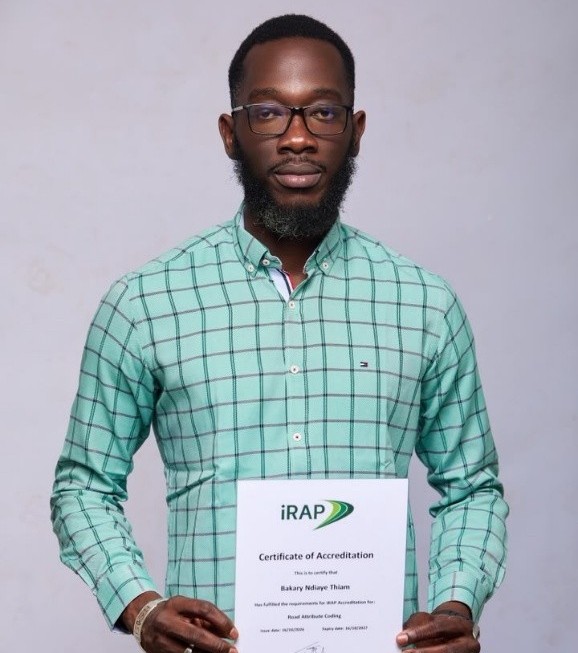
Le plan en dix étapes iRAP pour des infrastructures routières plus sûres au Sénégal accueille un nouveau professionnel du codage accrédité.

Lancement à Dakar de programmes pour des trajets scolaires plus sûrs en amont des Jeux olympiques de la jeunesse
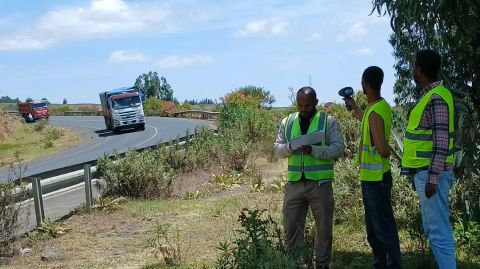
Évaluation pilote éthiopienne en cours
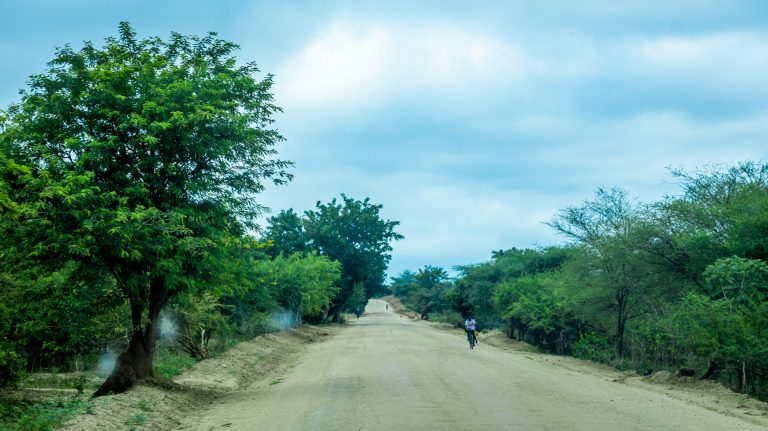
Investissement de la Banque mondiale pour des routes plus sûres et plus résilientes face au changement climatique au Malawi

De bénéficiaire d'une subvention INWED à praticienne agréée : le parcours de Diana Rose pour devenir une voix pour des routes plus sûres
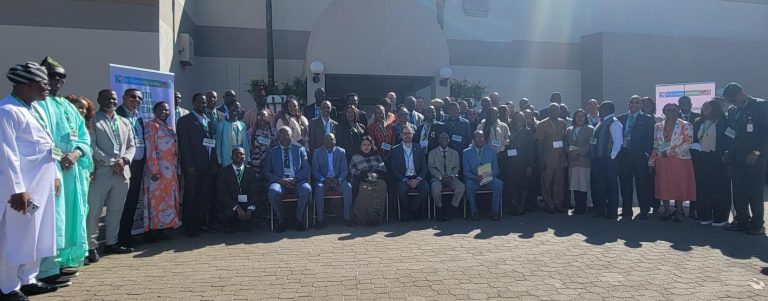
iRAP met en lumière des solutions de sécurité routière fondées sur des données probantes lors du congrès ICTA2026 en Namibie.
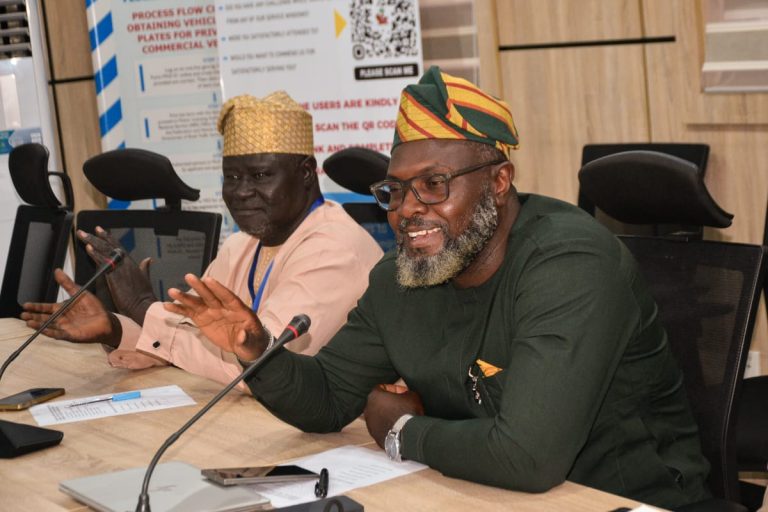
Inauguration du comité de pilotage de NigeriaRAP pour promouvoir des routes plus sûres