
El seminario de mediodía de EuroRAP de marzo estuvo dedicado a los conceptos básicos de RAP. La calificación por estrellas fue presentada por Morgan Fletcher, líder de operaciones de iRAP para América Latina y el Caribe, y Suzy Charman, del Comité de Gestión de EuroRAP. El seminario atrajo a 38 participantes de 24 países.
Morgan Fletcher Se centró en qué es la calificación por estrellas, cómo se puede realizar, los insumos necesarios y los resultados al final. Comenzó su presentación recordando a todos los participantes el alto número de víctimas cada año en las carreteras del mundo: 1.350.000. Además, las lesiones por accidentes de tránsito son la principal causa de muerte para niños y jóvenes de entre 5 y 29 años. Por lo tanto, las Naciones Unidas incluyeron la calidad de las carreteras en sus Metas de Seguridad Vial. La Meta 3 dice: "Para 2030, todas las carreteras nuevas alcanzan estándares técnicos para todos los usuarios de la vía que toman en cuenta la seguridad vial, o cumplen con una calificación de tres estrellas o superior". Meta 4: "Para 2030, más de 751.000 de viajes en carreteras existentes se realizan en carreteras que cumplen con estándares técnicos para todos los usuarios de la vía que toman en cuenta la seguridad vial". La calificación por estrellas mencionada en las Metas de Seguridad Vial de la ONU es la calificación por estrellas de iRAP. iRAP es una organización benéfica con la visión de un mundo libre de carreteras de alto riesgo. Actualmente está activa en más de 100 países, incluidos más de 30 países en Europa. Para la mayoría de los países de Latinoamérica, África y Asia, el enfoque principal de iRAP es la calificación por estrellas. Europa se centra principalmente en el mapeo de riesgos, ya que contamos con datos bastante precisos sobre el riesgo de accidentes, algo que no suele ocurrir en otras partes del mundo.
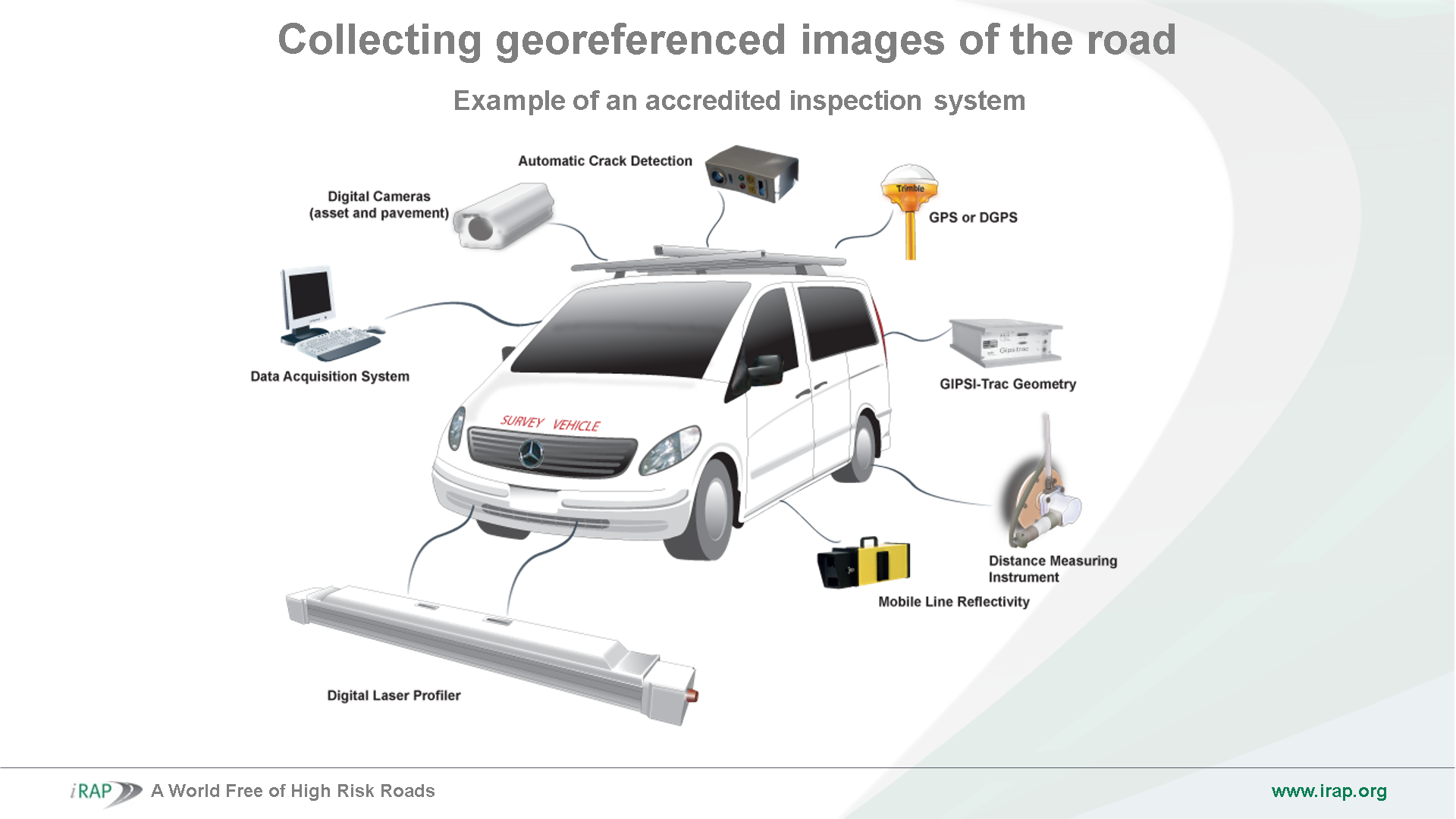
Morgan presentó el proceso general para la Calificación por Estrellas y el plan de inversión para carreteras más seguras: desde la recopilación de datos hasta el software en línea ViDA y la implementación de las mejoras sugeridas para las carreteras. También se destacaron y explicaron algunos detalles sobre los vehículos de encuesta, la codificación y los atributos que influyen en la probabilidad de muerte y lesiones graves, así como la forma en que se genera la Calificación por Estrellas para cada grupo de usuarios de la vía (ocupantes de vehículos, motociclistas, ciclistas y peatones), y los planes de inversión para carreteras más seguras (mejoras que harán que las carreteras sean más seguras), con dos ejemplos de resultados de la Calificación por Estrellas. Morgan concluyó: “La investigación muestra que el riesgo de muerte o lesiones graves de una persona se reduce aproximadamente a la mitad por cada mejora incremental en la Calificación por Estrellas”.
 Suzy Charman Su presentación se centró en las formas en que podemos utilizar los datos del iRAP para ayudarnos en nuestro esfuerzo por mejorar la seguridad vial. Las cinco formas diferentes de utilizar los datos del iRAP son:
– Seguimiento del desempeño y planificación estratégica,
– Priorización,
– Modelado de acción de masas,
– Planificación y opciones de tratamiento de la ruta,
– Calificación por estrellas para el diseño.
Cada uno de estos puntos se explicó con mayor detalle y con algunos ejemplos del Reino Unido. Al final, se respondieron algunas preguntas interesantes durante la sesión de preguntas y respuestas.
Para ver la grabación completa del seminario EuroRAP Lunchtime #5, haga clic AQUÍ – ¡Próximamente! (consulte los marcadores de capítulo para cada presentador). Las presentaciones PPT están disponibles. AQUÍ.
Este fue el quinto seminario de la serie de sesiones de mediodía de EuroRAP, que ofrece información sobre los protocolos EuroRAP a través de los eventos ‘Conceptos básicos de RAP’, una visión de la investigación e innovación de iRAP mediante nuestros seminarios ‘Temas de actualidad’ e inspiración para los programas EuroRAP a través de nuestros seminarios ‘Análisis de los programas nacionales’. Estos tres tipos de seminarios web se presentan de forma rotativa, ofreciéndonos material para la reflexión cada mes.
El ciclo de seminarios virtuales está dirigido a todos los socios de EuroRAP y otras partes interesadas, desde clubes automovilísticos hasta autoridades viales e investigadores.
Nuestro próximo seminario en línea sobre 3 de mayo de 2022 a las 13:00 CET se centrará en Tema de actualidad en investigación e innovación: CycleRAP. Registro AQUÍ. Esperamos verte allí.