
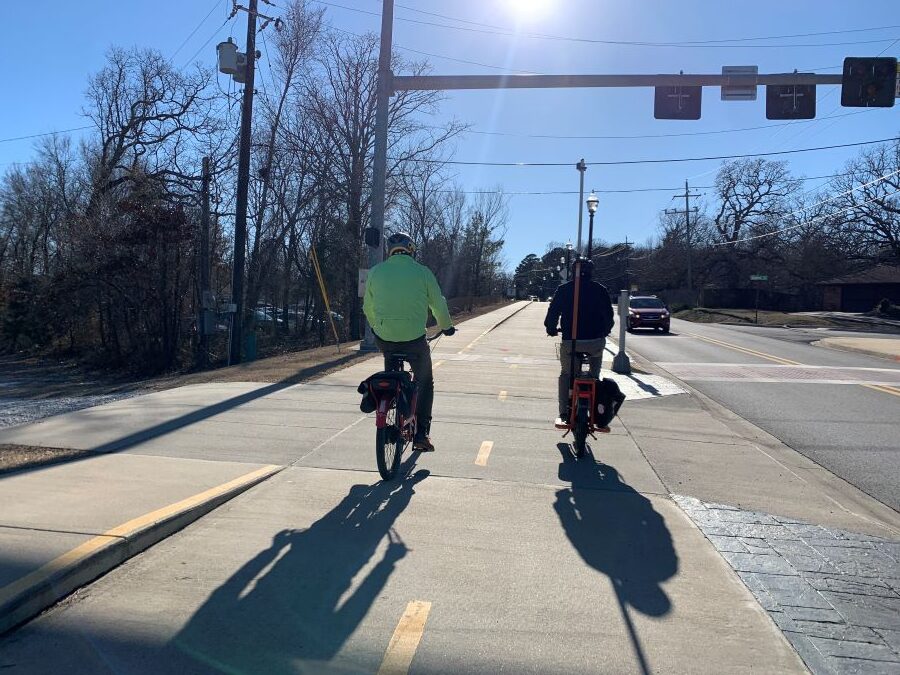
Fundación Mapfre, iRAP, el Unión Ciclista Internacional (UCI) y televisión de pago están trabajando juntos para llevar a cabo proyectos piloto en cinco ciudades de la nueva Modelo de evaluación de riesgos CycleRAP.
CycleRAP es un modelo de evaluación de riesgos de infraestructura basado en evidencia. Su objetivo es reducir los accidentes y mejorar la seguridad, especialmente para ciclistas y otros usuarios de movilidad ligera, mediante la identificación de zonas de alto riesgo sin necesidad de datos de accidentes. El modelo utiliza datos sobre las características de una carretera, calle o sendero para evaluar el riesgo de accidentes para ciclistas y usuarios de movilidad ligera, independientemente del tipo de infraestructura, y localiza y mapea los lugares donde es probable que ocurran accidentes, ofreciendo sugerencias para implementar medidas que reduzcan este riesgo.
Durante las pruebas piloto, iRAP pondrá a prueba la aplicación del modelo en varias ciudades del mundo. Las pruebas piloto se llevarán a cabo en Madrid, Barcelona, Bogotá, São Paulo y Fayetteville, Arkansas.
El proyecto colabora con socios locales en cada ciudad para identificar la red y elaborar mapas que muestren la seguridad de la infraestructura para ciclistas y usuarios de otros tipos de vehículos de movilidad que utilizan las instalaciones. El proyecto también busca difundir los resultados del programa piloto y los productos de conocimiento complementarios para apoyar a otras ciudades que realicen evaluaciones CycleRAP, y proporcionar orientación general sobre el diseño de calles y redes más seguras para el ciclismo y la movilidad ligera.
La seguridad de los ciclistas sigue siendo una preocupación fundamental para las ciudades de todo el mundo que buscan una movilidad más ecológica, segura y equitativa. CycleRAP se diseñó para ayudar a las ciudades a mejorar la seguridad de sus calles y senderos, específicamente para el ciclismo y la movilidad ligera (como los patinetes eléctricos). El modelo se presentó a nivel mundial el año pasado en la conferencia Velo-City en Liubliana, Eslovenia, y en Latinoamérica en el evento ITF Safer City Streets Network en Guadalajara, México.
Comprender el riesgo que supone la infraestructura para ciclistas y usuarios de movilidad ligera, así como mostrar las mejores prácticas a nivel mundial, son los principales objetivos del proyecto. Con el apoyo principal de la Fundación Mapfre y la cofinanciación de la UCI y la PTV, esta es la primera aplicación del modelo en España y fuera de Europa.
Los resultados del proyecto, que se publicarán en octubre de 2023, proporcionarán a las ciudades una comprensión clara de la seguridad de su infraestructura y ofrecerán recomendaciones clave de seguridad para ayudar a reducir los riesgos. El proyecto también tiene como objetivo crear una base de conocimientos para ayudar a otras ciudades a replicar los enfoques y mejorar la seguridad de la infraestructura ciclista en sus ciudades. Todos estos resultados se presentarán públicamente en el Foro de la UCI sobre movilidad y ciclismo en la ciudad Los días 25 y 26 de octubre de 2023 en Brujas, Bélgica.
PTV colaborará con una de las ciudades piloto en la visualización de los resultados del modelo CycleRAP y evaluará las mejoras de infraestructura utilizando sus herramientas líderes de simulación macro y micro.
El proyecto reúne a un equipo único y diverso de socios locales y técnicos, como: Vive la experiencia de Fayetteville, Secretaría de Movilidad de Bogotá y Ciclocidade, Consultoría de hechos y Centro de Excelencia iRAP el Facultad de Ciencias del Tráfico (FPZ) de la Universidad de Zagreb.
Fuente de la imagen: Experience Fayetteville