
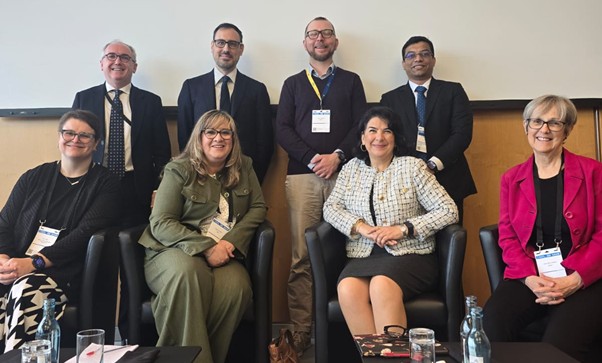
El 7 de mayo en Leipzig, iRAP participó en un evento paralelo oficial de la Cumbre del Foro Internacional del Transporte (ITF) de 2026 sobre la participación de múltiples partes interesadas para la inversión en transporte resiliente, coorganizada por la Alianza Oriental para un Transporte Seguro y Sostenible (EASST), el Banco Europeo de Reconstrucción y Desarrollo (BERD), y el Federación Internacional de Carreteras (IRF).
La sesión de 90 minutos, titulada "Alinear la participación de múltiples partes interesadas para una inversión resiliente en transporte", reunió a bancos multilaterales de desarrollo, representantes gubernamentales, la sociedad civil y profesionales técnicos para debatir cómo los enfoques colaborativos pueden fortalecer la resiliencia y la rentabilidad de los proyectos de transporte.
El evento incluyó dos mesas redondas que exploraron cómo la participación de las partes interesadas adecuadas en el momento oportuno permite identificar riesgos, integrar conocimientos especializados diversos y ofrecer infraestructuras que satisfagan las necesidades reales de la comunidad.
El primer panel se centró en la colaboración regional entre los bancos multilaterales de desarrollo (BMD) y los gobiernos, con representantes de los BMD que debatieron sobre los enfoques de participación de las partes interesadas junto con representantes nacionales de Azerbaiyán y Ucrania.
El segundo panel se amplió para abordar la interacción entre múltiples partes interesadas, examinando cómo la sociedad civil, el sector privado y los profesionales trabajan con los bancos multilaterales de desarrollo a lo largo del ciclo de vida de los proyectos.
“La inversión temprana en la participación de las partes interesadas reduce los costosos retrasos en los proyectos y la oposición de la comunidad, al tiempo que fortalece la resiliencia social junto con la infraestructura física”, afirmó Corrine Vibert, Directora de Comunicaciones y Promoción de EASST. “Sin embargo, los enfoques sistemáticos para la participación inicial siguen siendo inconsistentes entre las instituciones y las regiones. Esta sesión tuvo como objetivo cambiar eso, mostrando lo que funciona y fomentando el compromiso con la práctica colaborativa”.”
Debbie Cousins, Directora de Operaciones del Departamento de Medio Ambiente y Sostenibilidad del BERD, compartió el liderazgo institucional y clausuró la sesión sintetizando recomendaciones para impulsar una inversión en transporte colaborativa y resiliente en todas las operaciones de los bancos multilaterales de desarrollo.
Entre los demás ponentes se encontraban Ines Fejzic, especialista sénior en medio ambiente y asuntos sociales del Fondo OPEP para el Desarrollo Internacional, e Ilkin Dashdamirli, asesor principal del Departamento de Cooperación Internacional del Ministerio de Transporte y Desarrollo Digital de Azerbaiyán.
Samar Abouraad, especialista global en seguridad vial de iRAP, se unió al panel y afirmó: "El compromiso de las partes interesadas desde el inicio de los proyectos es un factor clave para el éxito de una acción de seguridad vial, principalmente porque cada actor tendrá un sentido de pertenencia y será responsable de su participación".
La sesión también contó con la presencia de representantes de la constructora ORIS y del Banco Asiático de Inversión en Infraestructura (BAII), lo que demostró la amplitud de perspectivas de las partes interesadas necesarias para fortalecer los resultados de los proyectos de transporte.
El evento se alineó con el enfoque de la Cumbre ITF en "Financiamiento del Transporte Resiliente", al demostrar cómo la participación sistemática de las partes interesadas mejora la resiliencia a través de la seguridad vial y el diseño inclusivo, mejora la rentabilidad al identificar los riesgos antes de la construcción y fortalece la gobernanza a través de una toma de decisiones transparente y participativa.
El evento paralelo apoya directamente La nueva iniciativa de la Coalición de EASST para Rutas Seguras a la Escuela, con el apoyo del Centro de Promoción FIA Foundation.
El Kit de herramientas recomienda el uso de iRAP Star Rating for Schools, una herramienta basada en la evidencia para medir, gestionar y comunicar el riesgo al que se enfrentan los niños en su camino a la escuela.
La Coalición tiene como objetivo fortalecer los vínculos entre la promoción de la seguridad escolar y las grandes inversiones en carreteras realizadas por los bancos multilaterales de desarrollo y las instituciones financieras internacionales.
Al colaborar con las instituciones financieras internacionales para garantizar que los principios de seguridad vial infantil se reflejen sistemáticamente en los principales proyectos de transporte, y al trabajar con socios nacionales para crear el entorno propicio necesario para zonas escolares seguras, EASST está poniendo en práctica los enfoques de colaboración y participación de las partes interesadas desde las primeras etapas que se debatieron en la Cumbre del ITF.
El diálogo establecido a través del evento paralelo de la ITF proporciona una plataforma vital para impulsar estos objetivos en Europa del Este, Asia Central y el Cáucaso.
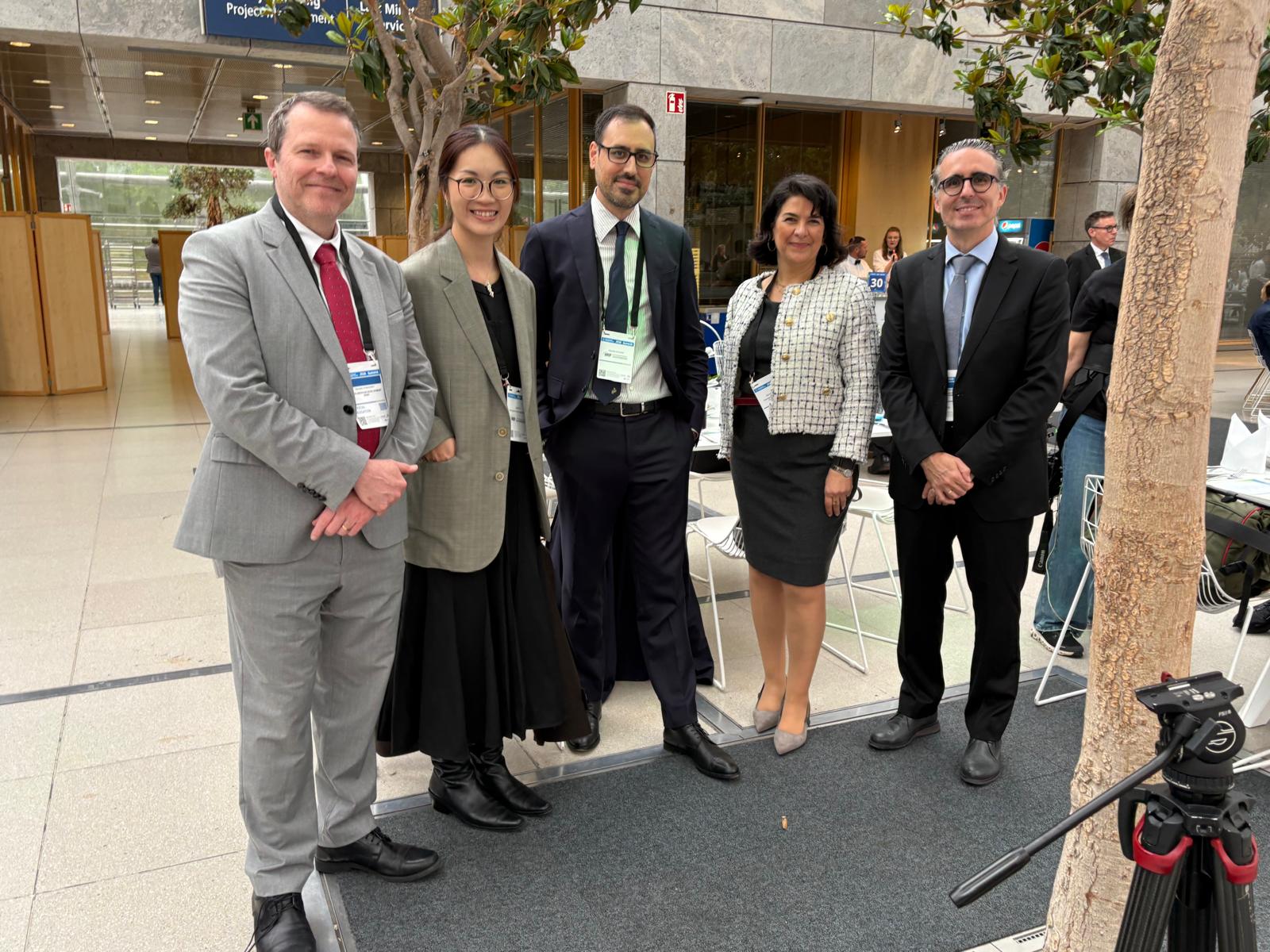
De izquierda a derecha: Reinaldo Fioravanti, jefe de grupo del BID, Alice Yiu, jefa de incidencia política y divulgación de IRF, Gonzalo Alcaraz, director ejecutivo de IRF; Samar Abouraad, especialista global en viajes más seguros de iRAP; Manuel Rodríguez Porcel, coordinador regional de transporte del BID.
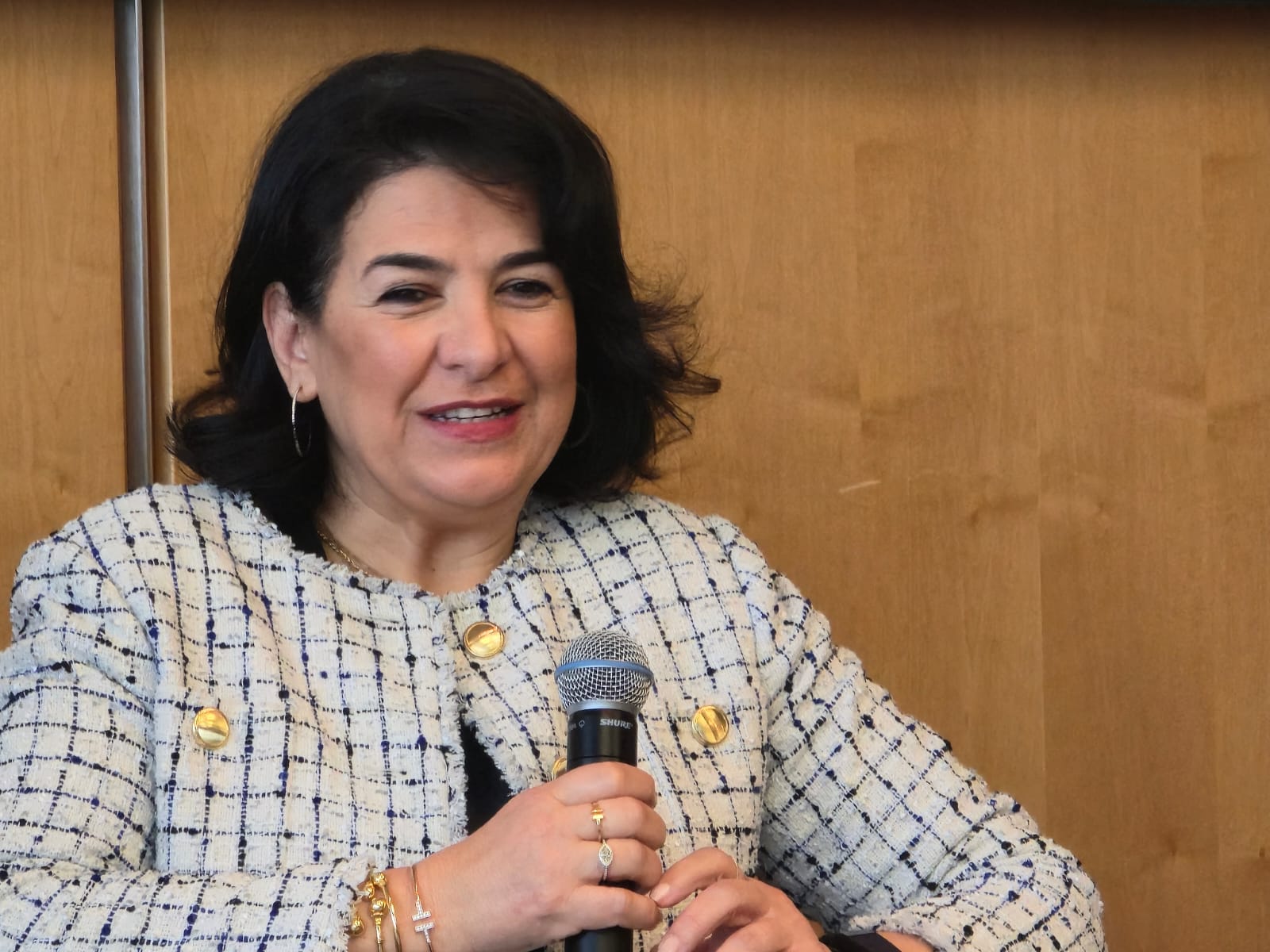
Samar Abouraad, especialista global en viajes seguros de iRAP.
Crédito del artículo: EASST
Imagen de cabecera: De izquierda a derecha – Inés Fejzic, especialista sénior en medio ambiente y asuntos sociales del Fondo OPEP para el Desarrollo Internacional; Nicolas Miravalls, director ejecutivo de ORIS Materials Intelligence; Debbie Cousins, Directora de Operaciones del Departamento de Medio Ambiente y Sostenibilidad del BERD; Gonzalo Alcaraz, director ejecutivo de IRF; Viktor Zagreba, consultor y experto en políticas de seguridad vial de Ucrania; Samar Abouraad, especialista global en viajes más seguros de iRAP; Sr. Towshikur Rahman, oficial de inversiones del Banco Asiático de Inversión en Infraestructura (AIIB); Emma MacLennan, presidenta de EASST