
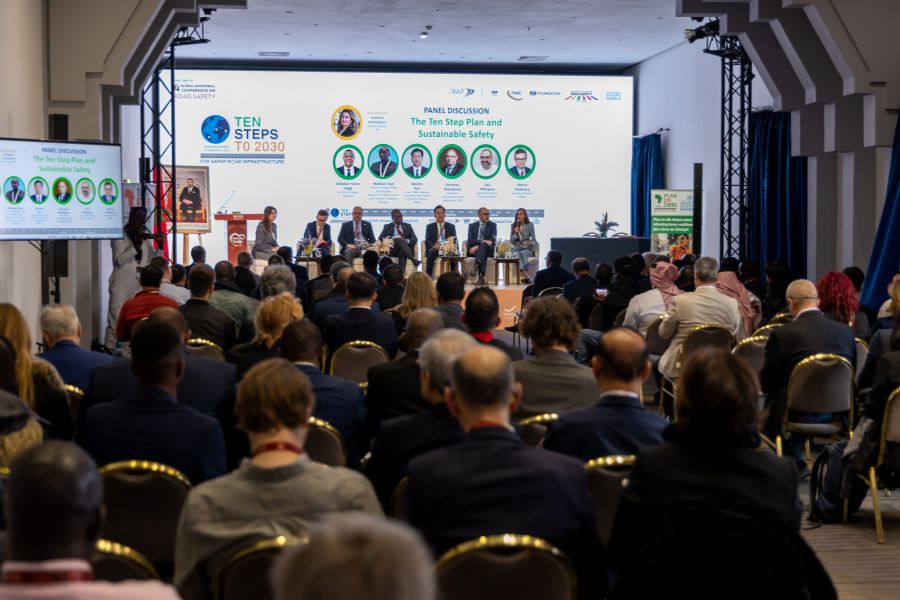
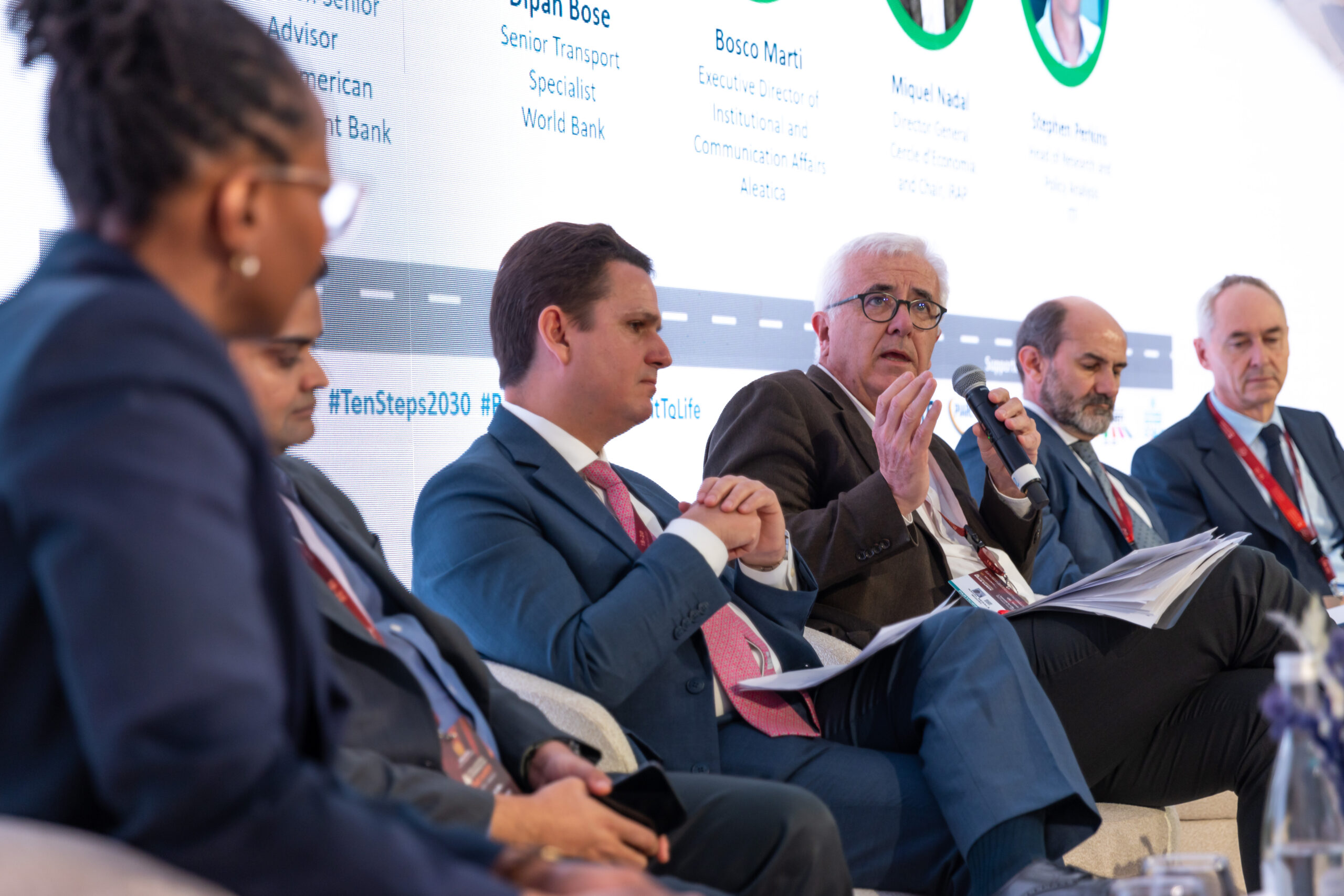
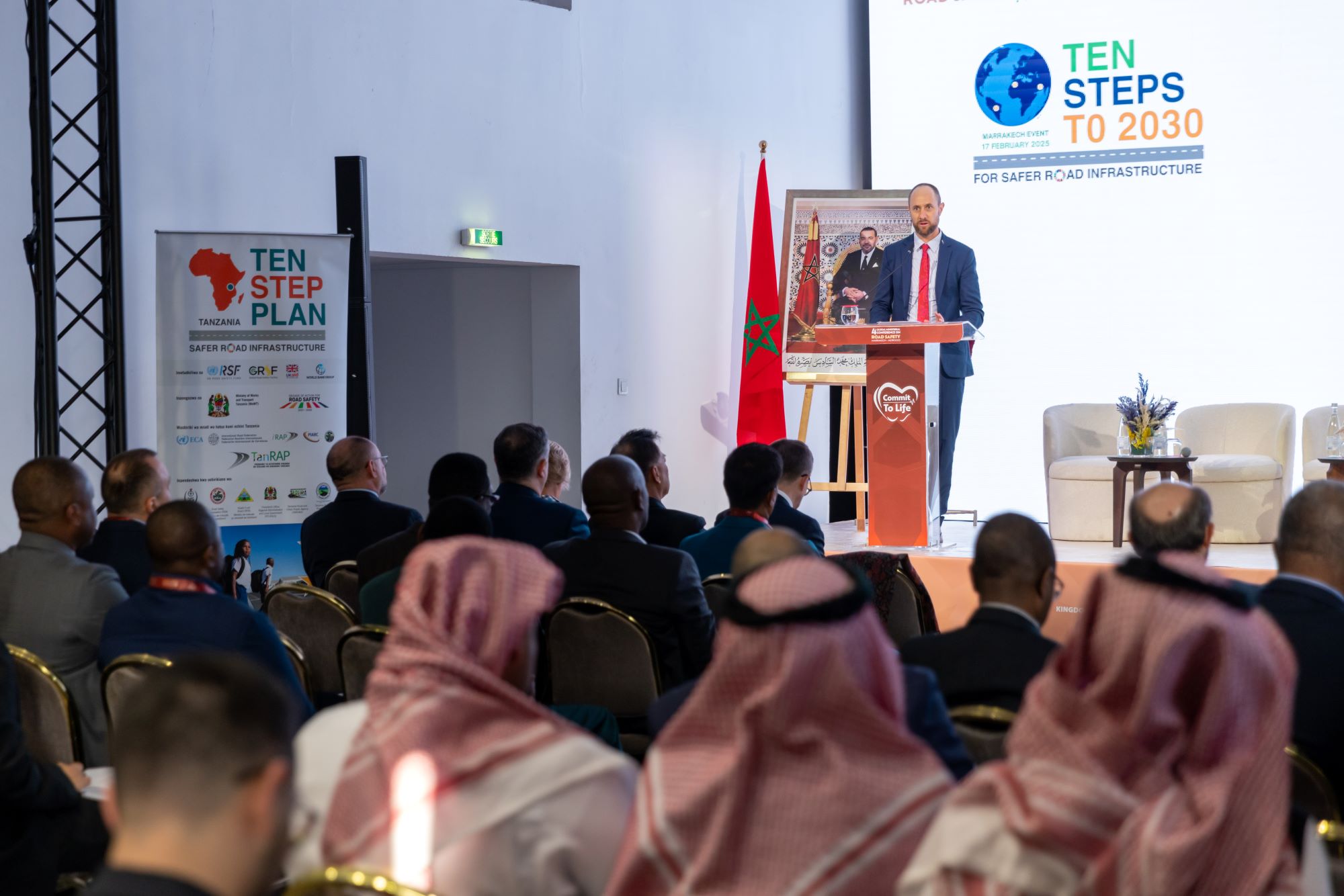
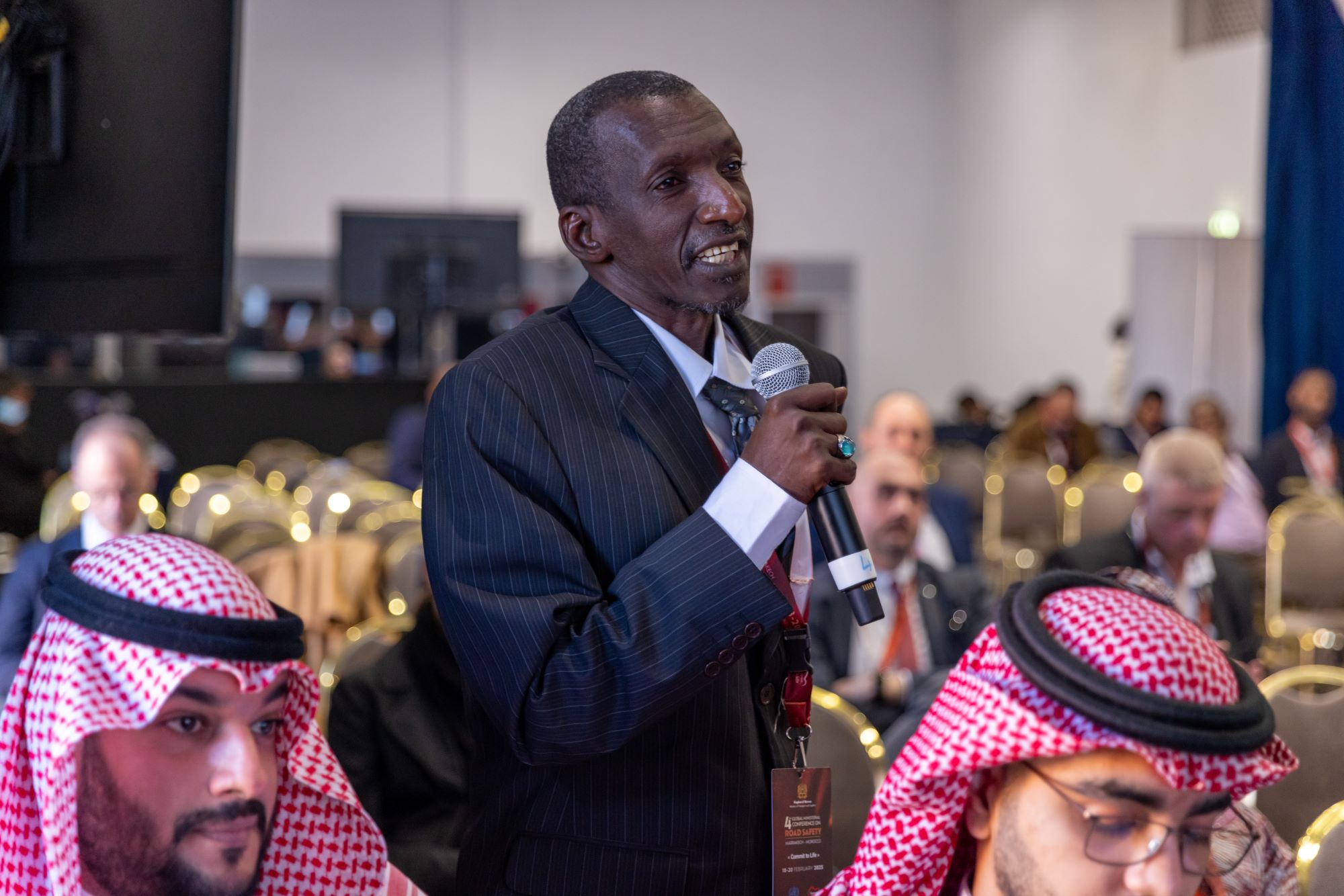
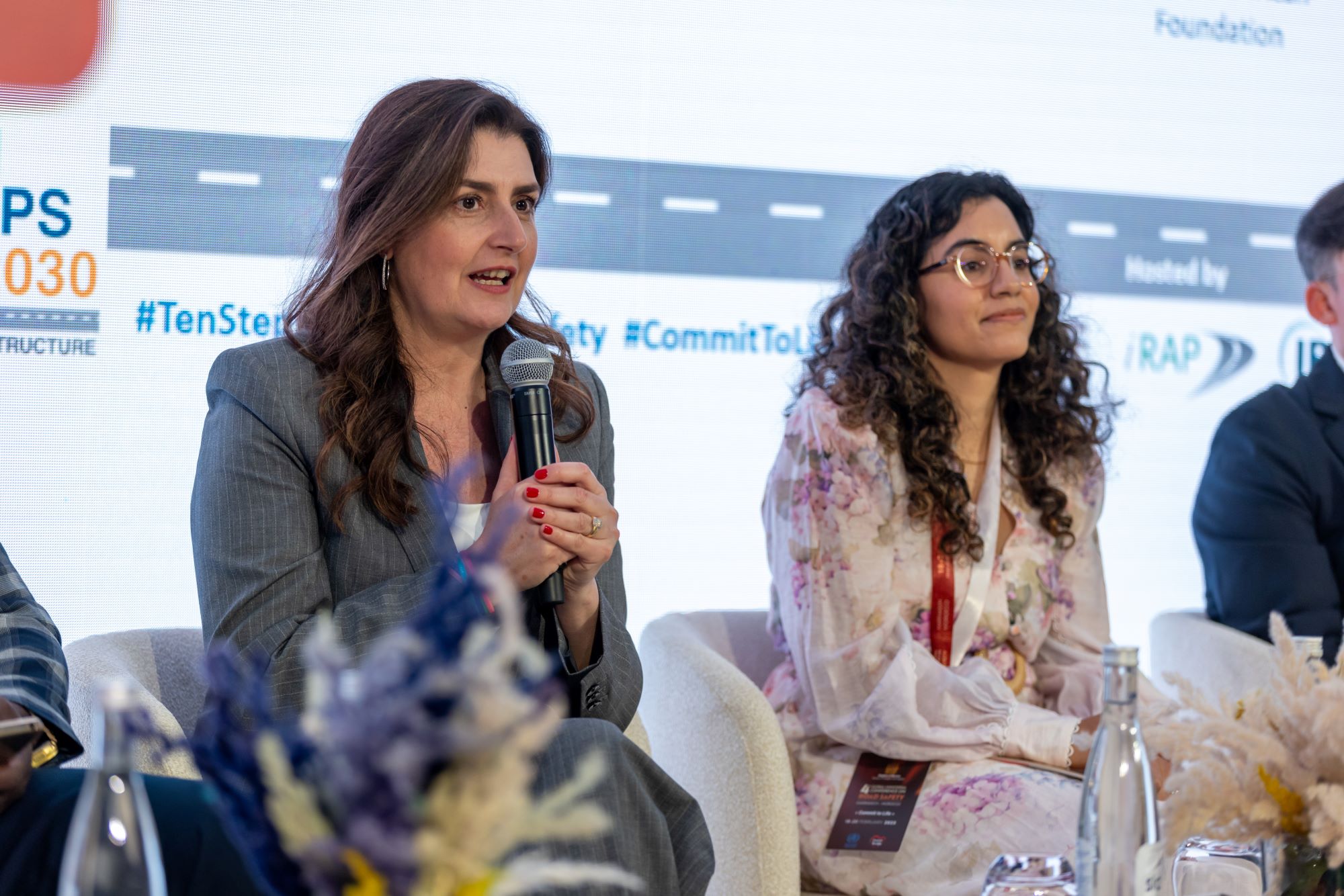
El Diez pasos para lograr una infraestructura vial más segura en 2030 evento, organizado por iRAP, en colaboración con el Federación Internacional de Carreteras (IRF) y el Asociación Mundial de Carreteras (PIARC), reunió a líderes mundiales, responsables políticos y expertos en seguridad vial el 17 de febrero para explorar el exitoso marco de diez pasos para carreteras más seguras. Celebrado como un evento paralelo de la Cuarta Conferencia Ministerial Mundial sobre Seguridad Vial En Marrakech, Marruecos, el evento se centró en cómo la infraestructura puede ser un motor clave para alcanzar el objetivo de las Naciones Unidas de reducir a la mitad las muertes y lesiones por accidentes de tráfico para 2030.
Con un interés abrumador y debates que invitan a la reflexión, el evento puso de relieve la Plan de diez pasos para una infraestructura vial más segura Como una hoja de ruta práctica para los gobiernos, en colaboración con actores nacionales e internacionales. Los participantes analizaron cómo este marco, que aborda los desafíos en materia de políticas, diseño e implementación, es fundamental para salvar vidas y mejorar la seguridad vial a nivel mundial.
El evento atrajo a 225 inscripciones de 64 países y se transmitió en directo en cuatro idiomas (inglés, francés, español y árabe), con más de 740 visualizaciones en línea en el momento de redactar este informe.
El programa y los ponentes
Se compartieron los diez pasos para lograr una infraestructura vial más segura, junto con casos de éxito de proyectos y oportunidades para desarrollar la capacidad institucional, las alianzas y un marco regulatorio mediante la implementación de los diez pasos en los países.
Más de 30 oradores de 22 países subieron al escenario, entre ellos:
El programa y los ponentes
Se compartieron los diez pasos para lograr una infraestructura vial más segura, junto con casos de éxito de proyectos y oportunidades para desarrollar la capacidad institucional, las alianzas y un marco regulatorio mediante la implementación de los diez pasos en los países.
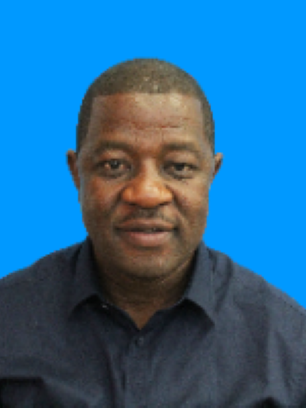
Abdallah Hamis Ulega
Ministro de Carreteras de Tanzania

Juan Carlos Muñoz
Ministro de Transportes/Telecomunicaciones, Chile

Nneka Henry
Director del Fondo de las Naciones Unidas para la Seguridad Vial

Mandiaye Faye
Director de Tráfico Vial y Movilidad MITTA, Senegal

Susana Zammataro
Director General
IRF

Wei Min Ren
Presidente/Director del Comité Directivo de la UNRSF, División de Transporte
ESCAPE

Greg Smith
Director ejecutivo interino y director del programa global de iRAP

Cathy Miller
Jefe de Seguridad Vial del Departamento de Transporte del Reino Unido (DfT)

Saúl Billingsley
Director Ejecutivo, FIA Foundation

Susan Hipp
Director Ejecutivo de la Red de Empleadores para la Seguridad Vial (NETS)
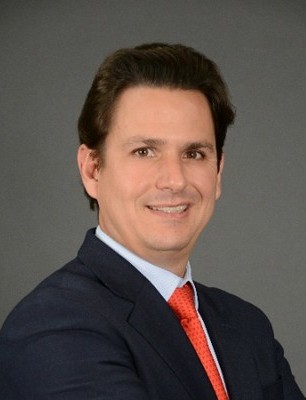
Bosco Martí
Directora ejecutiva de Asuntos Institucionales y de Comunicación, Aleatica

Natalie Chiavassa
Iniciativa iRAP para viajes más seguros en África
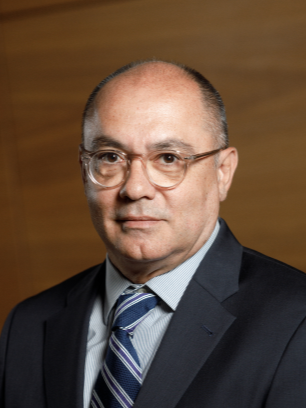
Dimitrios Mandalozis
Presidente de la IRF/Director de Operaciones de Aegean Motorway SA

Nathalie Angibeau
Director para el Norte de África, UNOPS

Jamie Leather
Jefe del Grupo del Sector Transporte del Banco Asiático de Desarrollo (BAD)
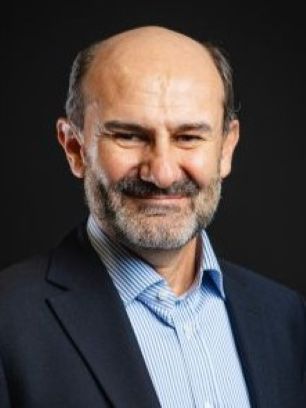
Esteban Diez Roux
Asesor sénior de operaciones, BID
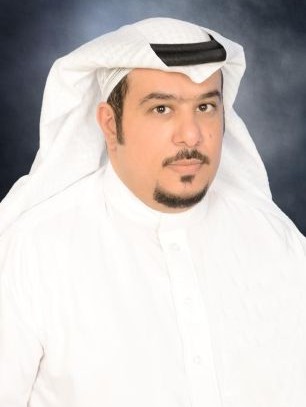
Mohammed Al Abood
Jefe del Departamento de Ingeniería de Tráfico y Seguridad del Ministerio de Transporte y Servicios Logísticos de Arabia Saudita

Samar Abouraad
Especialista en viajes seguros, iRAP
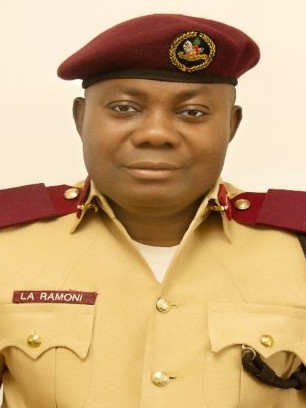
Lateef Ramoni
Comandante adjunto del Cuerpo de Seguridad Vial de Nigeria y persona de contacto de la Organización de Seguridad Vial de África Occidental (WARSO).

Peter Jamieson
Director General, Anditi

Sameera Munshi
Gerente de Operaciones, Fundación Anglo Americana
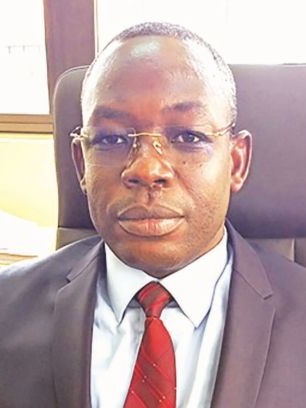
Aubin Essaie Moussa
Presidente de la Asociación Africana del Fondo para el Mantenimiento de Carreteras (ARMFA)

Stephen Perkins
Jefe de Investigación y Análisis de Políticas, ITF
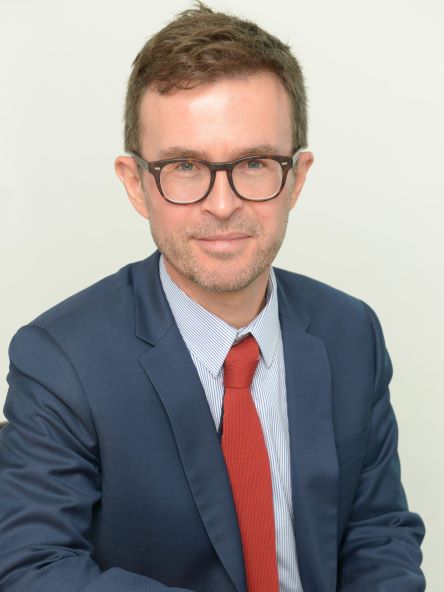
Patrick Mallejacq
Secretario General, PIARC

Dipan Bose
Especialista sénior en transporte, Banco Mundial
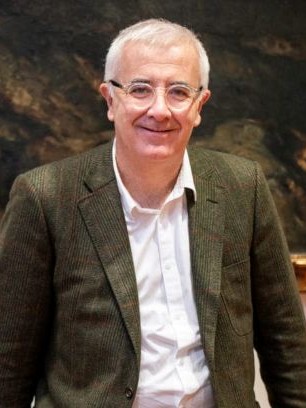
Miguel Nadal
Director General del Círculo de Economía y Presidente del iRAP
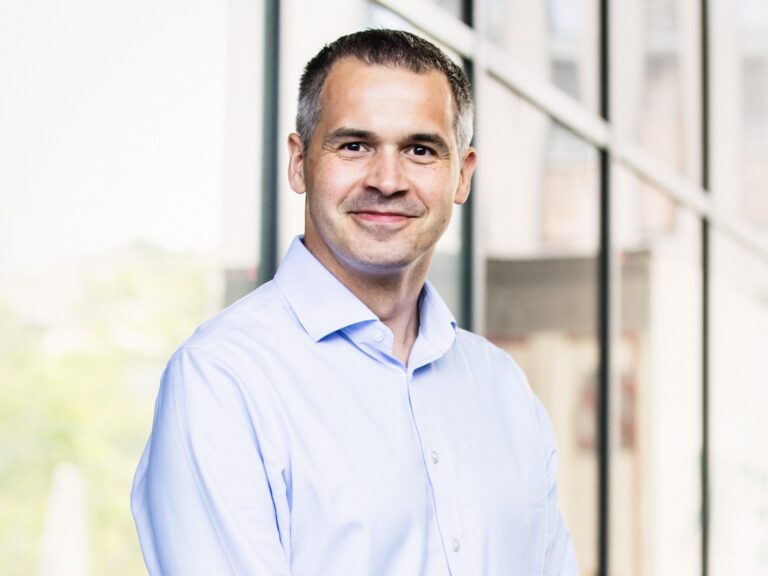
James Bradford
Director Técnico Global, iRAP

Judy Williams
Gerente de Programas y Comunicaciones Globales, iRAP
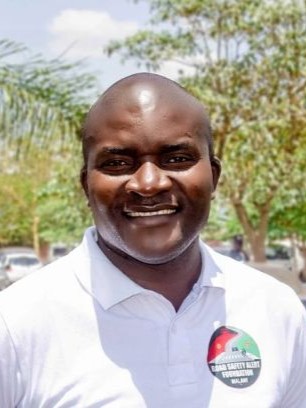
Joel Jere
Director Ejecutivo de la Fundación de Alerta de Seguridad Vial (ROSAF)
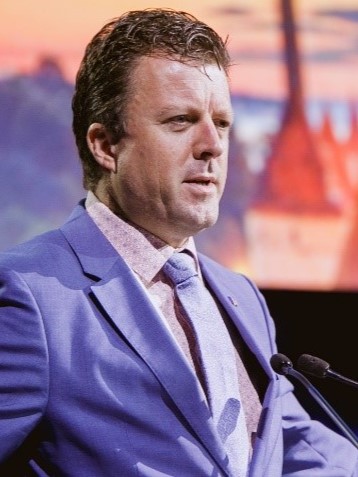
Steve Phillips
Secretario General de la Conferencia de Directores Europeos de Carreteras

Sang Jin Han
Profesor del Grupo de Estudios de Transporte de la Universidad Nacional de Seúl.
Acerca de los Diez Pasos para una Infraestructura Vial Más Segura
Desarrollado por la Colaboración de las Naciones Unidas para la Seguridad Vial, el Plan de diez pasos para una infraestructura vial más segura Ofrece un enfoque estructurado para abordar los desafíos de la seguridad vial. El plan se centra en las carreteras de alto riesgo mediante mejoras en la infraestructura, fortalece la experiencia en seguridad vial a través del desarrollo de capacidades y promueve intervenciones basadas en evidencia, a partir de datos de accidentes y metodologías de evaluación de riesgos. Para tener éxito, requiere compromiso político, capacidad institucional y financiamiento sostenible: tres pilares fundamentales para alcanzar los ambiciosos objetivos de 2030.
Un ejemplo brillante del marco de los Diez Pasos en acción es el progreso de Tanzania como primer país piloto de la iniciativa. Respaldado por el Fondo de las Naciones Unidas para la Seguridad Vial (UNRSF) y el Mecanismo Mundial para la Seguridad Vial, Tanzania logró avances sustanciales en un período de 30 meses.. Este éxito le valió el Premio Internacional Príncipe Miguel de Seguridad Vial 2023 por su notable impacto, ilustrando cómo el Marco de diez pasos, Respaldadas por sólidas alianzas y voluntad política, pueden transformar la seguridad vial.
El marco de los Diez Pasos ahora está ampliando su alcance con proyectos activos en Asia Central, Senegal y Norte y oeste de África.
Las sesiones del evento exploraron elementos clave del Plan que son cruciales para el avance de la seguridad vial a nivel mundial:
- Movilizar el impacto con políticas eficaces: iRAP Página web de Políticas en la Práctica Comparte cerca de 50 ejemplos de estrategias y planes de acción nacionales y estatales sobre seguridad vial que incluyen indicadores clave de rendimiento iRAP para la seguridad de la infraestructura.
- Movilizar el impacto mediante la financiación: Al destacar el desempeño de seguridad de las carreteras a través de calificaciones de estrellas y el caso de negocio asociado para las mejoras, las herramientas iRAP (Planes de inversión para carreteras más seguras, Explorador de información sobre seguridad, Caso de inversión de impacto, Ayudar a los socios a priorizar las inversiones que cumplan con los objetivos de la ONU y maximizar las vidas salvadas por unidad de inversión.
- Diseño de carreteras más seguras: Star Rating for Designs Permite a los diseñadores e ingenieros de carreteras evaluar y mejorar la seguridad de sus diseños viales para peatones, ciclistas, motociclistas y ocupantes de vehículos antes de que comience la construcción.
- Desarrollo de capacidades: Empoderar a los profesionales a través de la formación, como por ejemplo a través de Formación de iRAP y Acreditación El programa y el Registro Internacional de Auditores de Seguridad Vial de la IRF.
- Decisiones basadas en datos: Utilizando herramientas como Explorador de información sobre seguridad de iRAP, Herramientas RAP, y el Estadísticas mundiales de carreteras de la IRF evaluar los riesgos y orientar las inversiones hacia donde más se necesitan.
- Alianzas globales: reflejado a través de Estrategia de Alianzas de iRAP para el Impacto en 2030, y nuestro trabajo con 34.000 socios en todo el mundo, las alianzas son cruciales para apoyar la seguridad vial en todo el mundo. Nuestra Recursos para RAP de 5 estrellas está apoyando el desarrollo de programas de evaluación de carreteras de alto impacto en todo el mundo.
- Innovación y tecnología: Iniciativas y proyectos de innovación de iRAP, incluido AiRAP están cambiando la forma en que se implementan las intervenciones de seguridad.
Alianzas para lograr un impacto en 2030
Durante el evento, iRAP firmó memorandos de entendimiento con la Banco Interamericano de Desarrollo extendiendo nuestra asociación por tres años más; y con la Organización de Seguridad Vial de África Occidental (WARSO) y Asociación Africana del Fondo para el Mantenimiento de Carreteras (ARMFA) Colaborar en la eliminación de carreteras de alto riesgo en todo el continente africano.
Escuche a Nathalie Chiavassa, líder de iRAP Safer Journeys para África, compartir los objetivos y la importancia de las alianzas entre WARSO y ARMFA de cara al futuro:
Premiando a las autoridades viales con mejor desempeño del mundo.
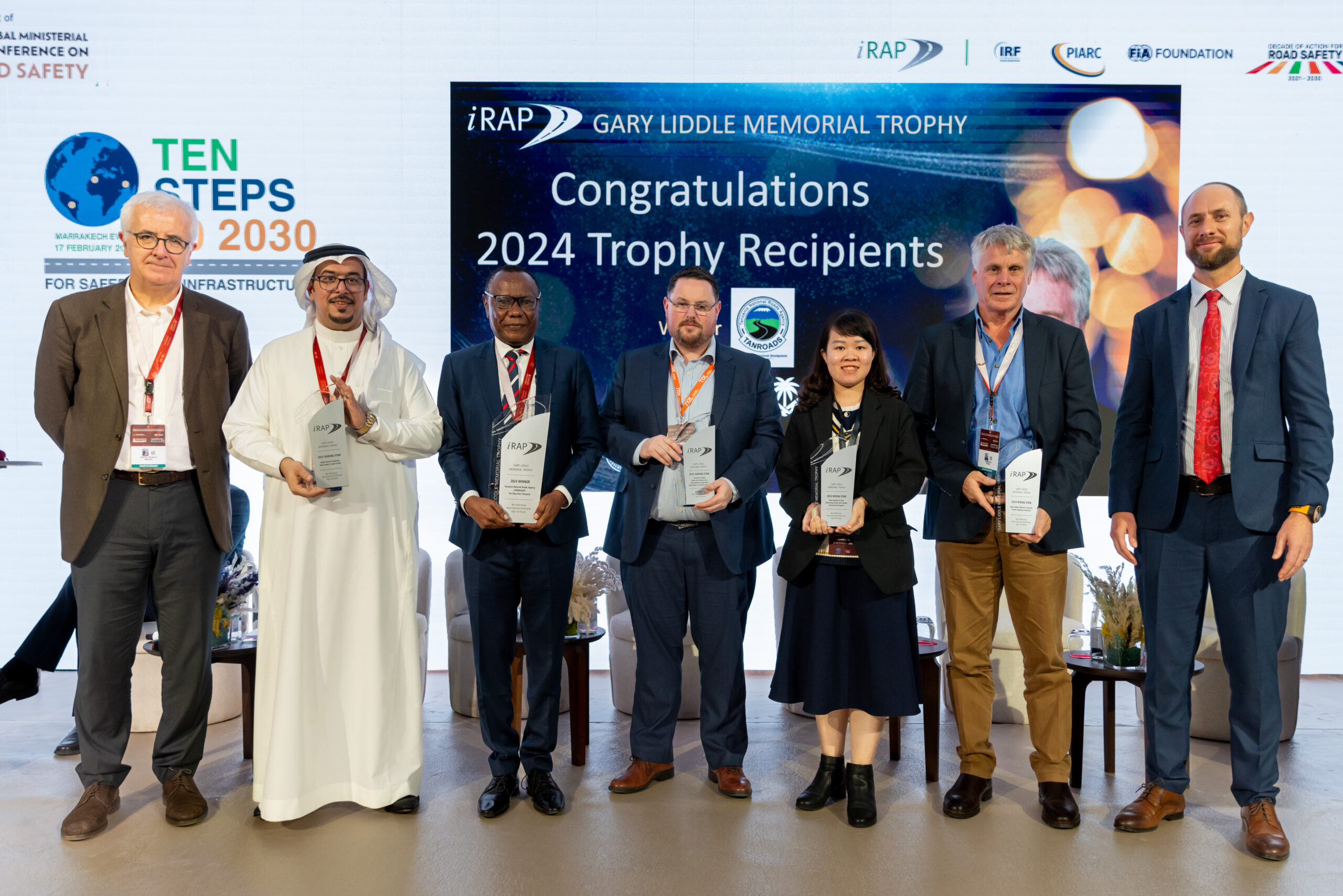
También anunciamos con orgullo al ganador y a los finalistas del Trofeo Conmemorativo Gary Liddle iRAP 2024, que se otorga a la(s) autoridad(es) vial(es) con mejor desempeño a nivel mundial en la eliminación de carreteras de alto riesgo. El Trofeo iRAP, de carácter perpetuo, honra la trayectoria de Gary Liddle AO, expresidente del Consejo de Administración de la organización benéfica, quien falleció en 2023, y su contribución al sector público y al transporte.
Los ganadores fueron seleccionados entre 12 candidaturas altamente competitivas de 11 países e incluyeron a TANROADS por el 'Plan de Diez Pasos de Tanzania' (Ganador), la Autoridad General de Carreteras por 'Carreteras más seguras en Arabia Saudita' (Estrella Brillante), la Corporación de Desarrollo de Infraestructura Vial de Himachal Pradesh (HPRIDCL) por 'Carreteras más seguras en Himachal Pradesh, India' (Estrella Brillante), el Municipio de Lima, Perú por 'Mejora de la seguridad en las zonas escolares a través del programa Colecaminos' (Estrella en ascenso) y Main Roads Western Australia por la 'Extensión de la autopista Tonkin' (Estrella en ascenso).
Lea sobre los premios y los ganadores. aquí.
Vea la ceremonia de entrega de premios. aquí (desde las 6:13:40).
Vídeos cortos: Escucha a algunos de los ponentes del evento.
Vea el evento en imágenes.
Vea todas las fotos del evento.
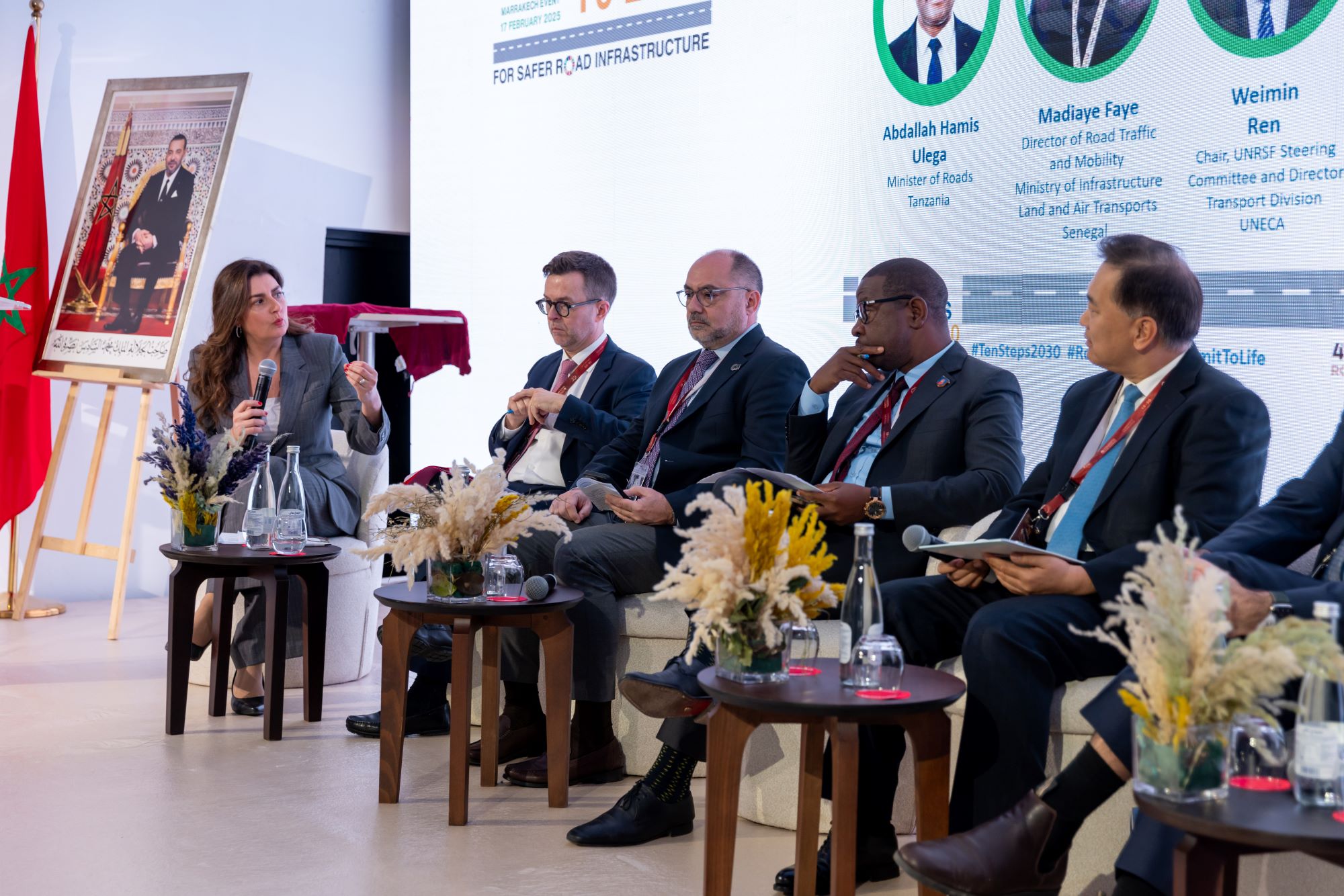
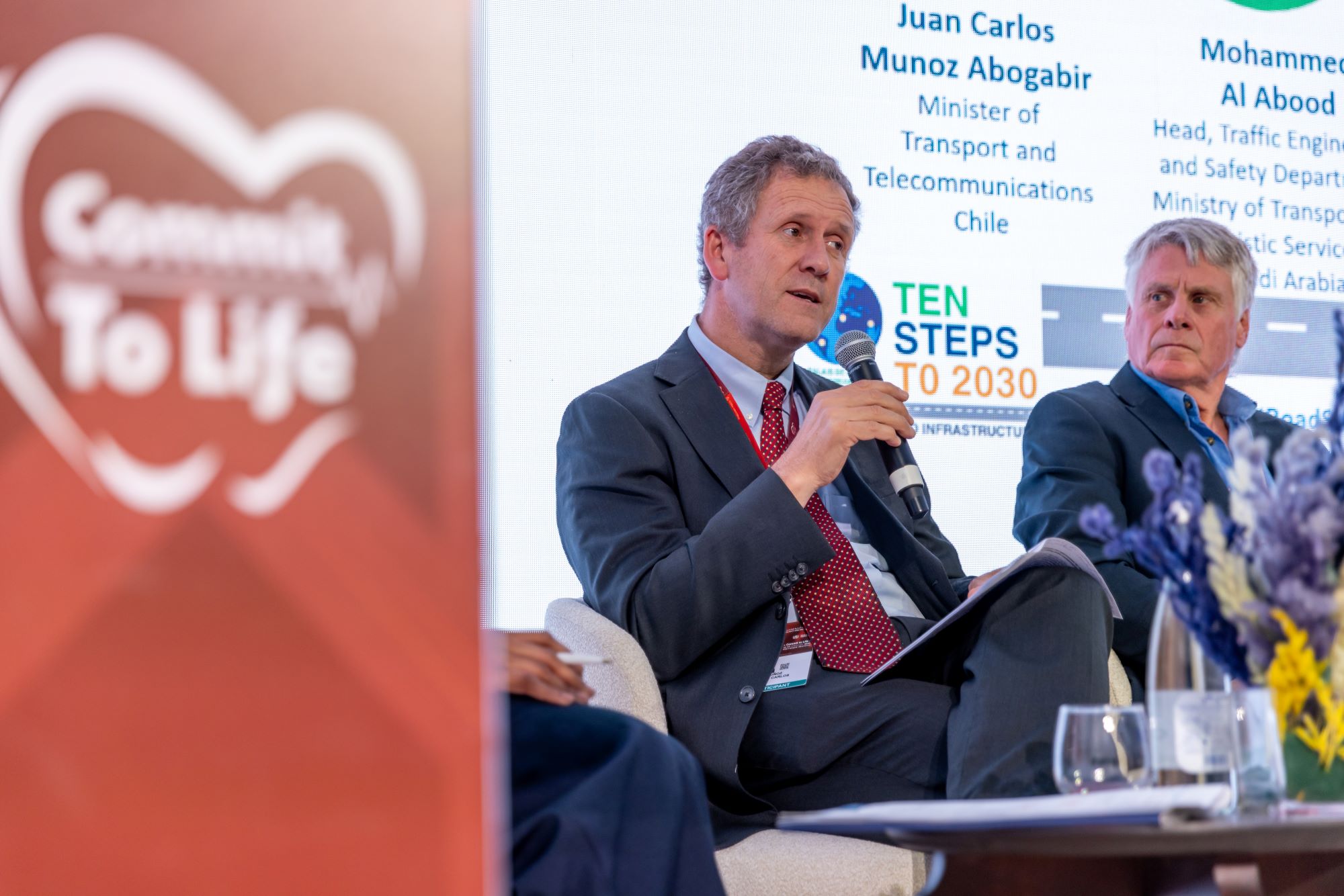
Créditos de las imágenes: Omar Bouzidi
Lea más sobre iRAP en la 4ª Conferencia Ministerial Mundial.