
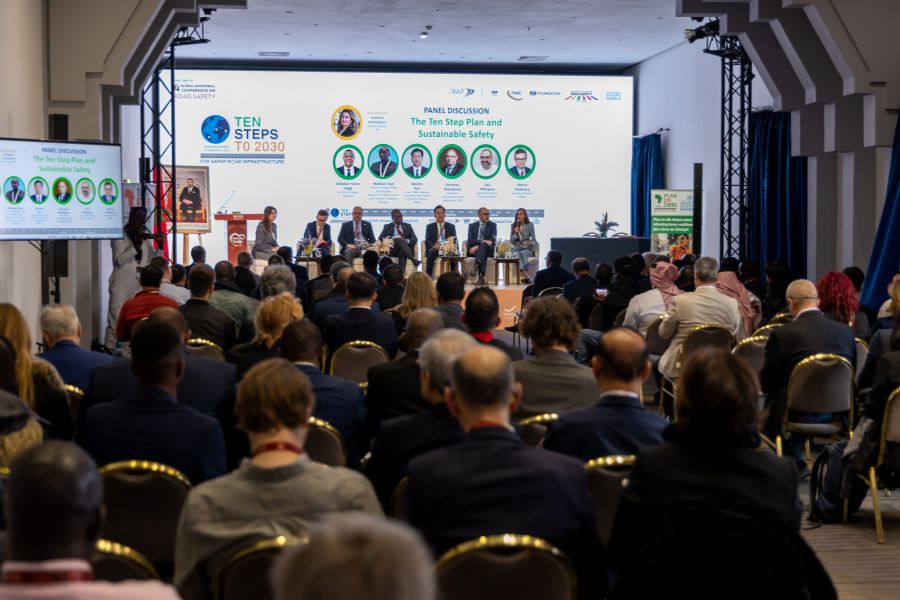
O Dez passos para uma infraestrutura rodoviária mais segura até 2030 evento, organizado pela iRAP, em parceria com o Federação Rodoviária Internacional (IRF) e o Associação Mundial de Estradas (PIARC), reuniu líderes globais, formuladores de políticas e especialistas em segurança rodoviária em 17 de fevereiro para explorar a bem-sucedida estrutura de dez etapas para estradas mais seguras. Realizado como um evento paralelo do 4ª Conferência Ministerial Global sobre Segurança Rodoviária Em Marrakech, Marrocos, o evento focou em como a infraestrutura pode ser uma força motriz por trás da meta das Nações Unidas de reduzir pela metade as mortes e lesões no trânsito até 2030.
Com enorme interesse e discussões instigantes, o evento destacou o Plano de dez etapas para uma infraestrutura rodoviária mais segura como um roteiro prático para governos, em parceria com partes interessadas nacionais e internacionais. Os participantes exploraram como essa estrutura, que aborda desafios em políticas, planejamento e implementação, é fundamental para salvar vidas e melhorar a segurança viária globalmente.
O evento atraiu 225 inscrições de 64 países e foi transmitido ao vivo em quatro idiomas (inglês, francês, espanhol e árabe), com (na data desta publicação) mais de 740 visualizações online.
O programa e os palestrantes
Os dez passos para uma infraestrutura rodoviária mais segura foram compartilhados, juntamente com histórias de sucesso de projetos e oportunidades para desenvolver capacidade institucional, parcerias e um quadro regulatório por meio da implementação dos dez passos nos países.
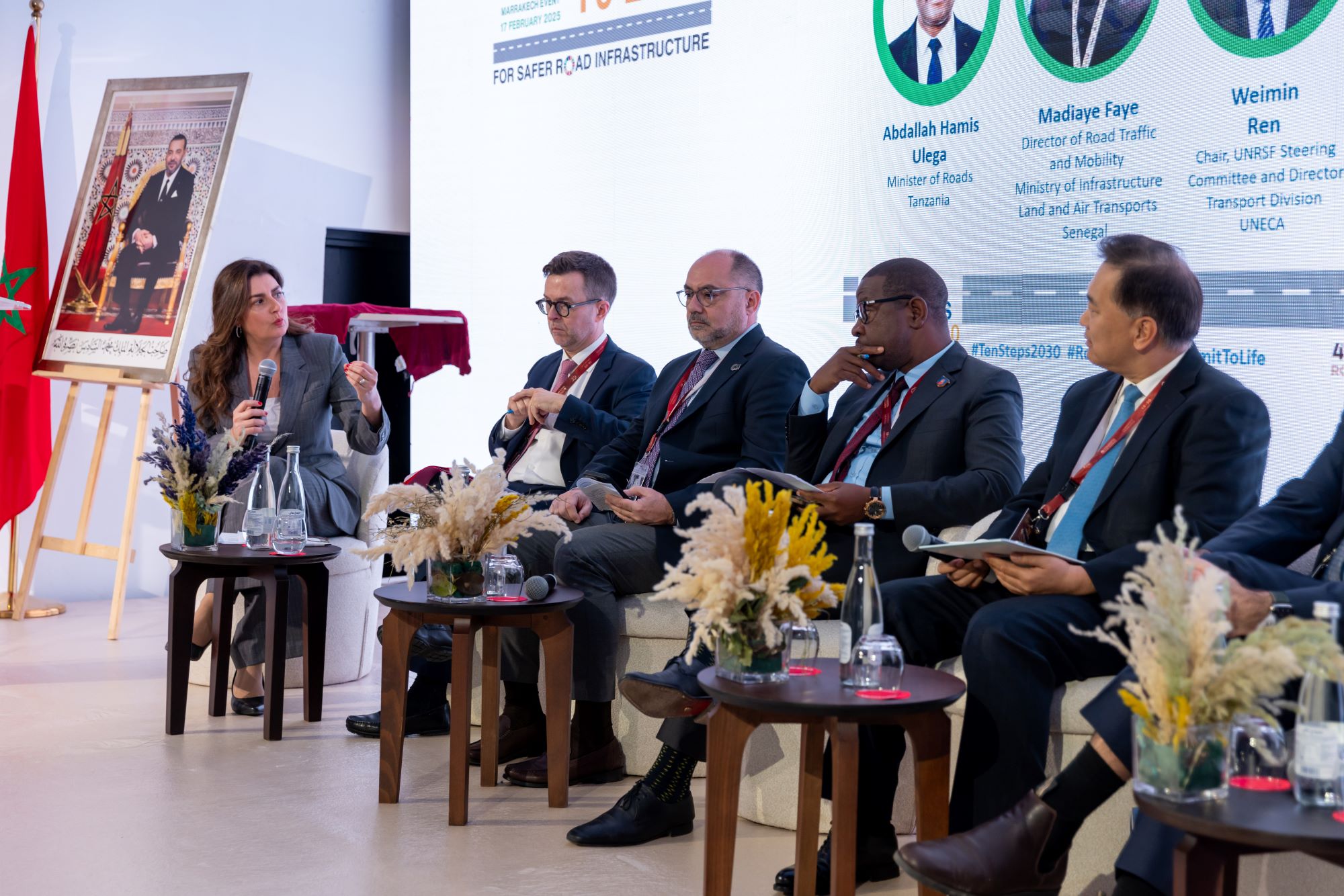
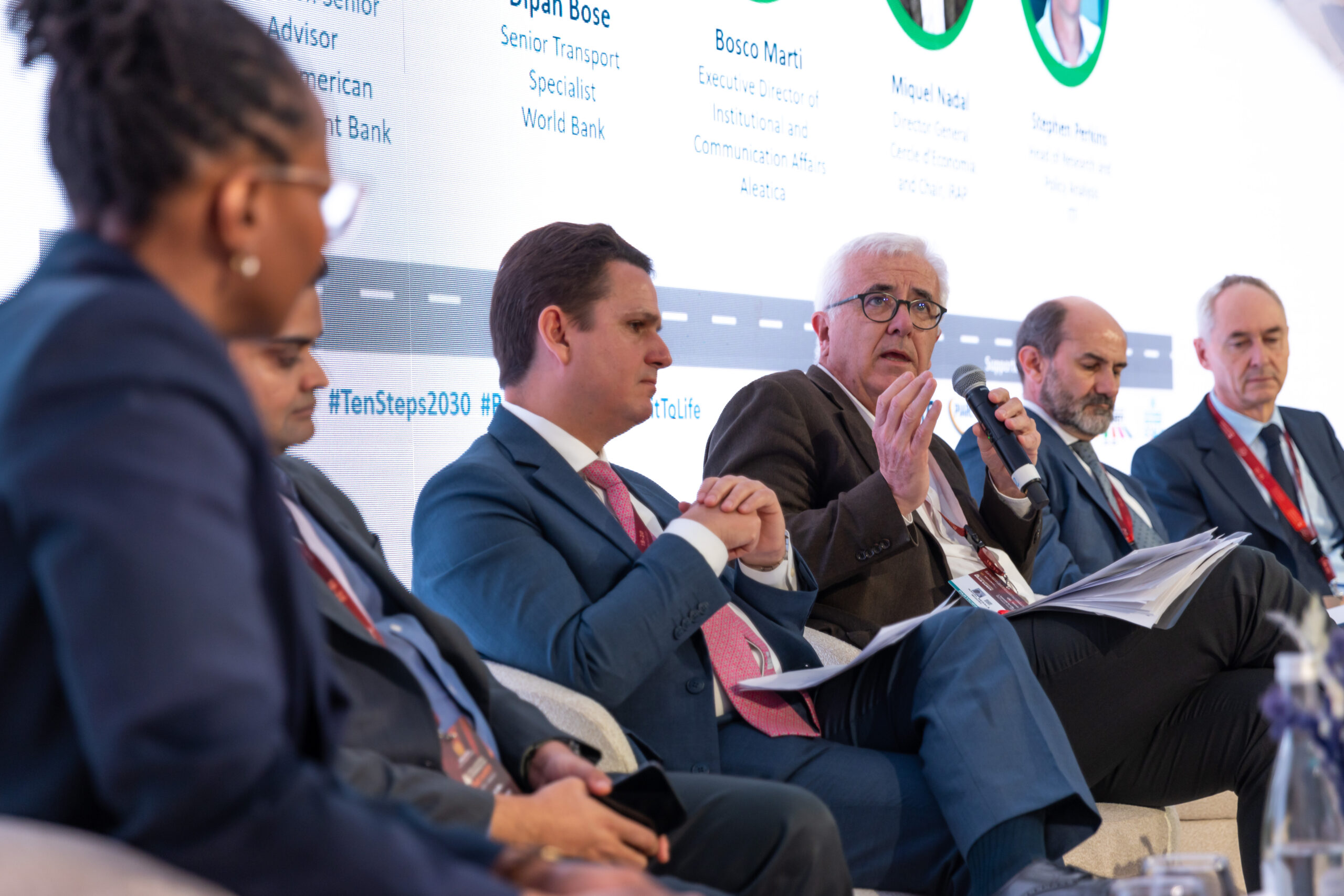
Mais de 30 palestrantes de 22 países subiram ao palco, incluindo:
O programa e os palestrantes
Os dez passos para uma infraestrutura rodoviária mais segura foram compartilhados, juntamente com histórias de sucesso de projetos e oportunidades para desenvolver capacidade institucional, parcerias e um quadro regulatório por meio da implementação dos dez passos nos países.
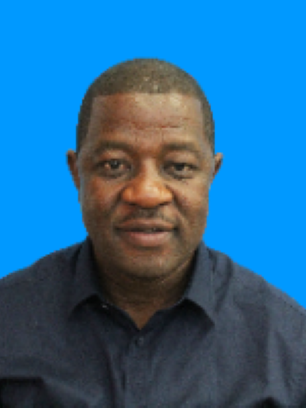
Abdallah Hamis Ulega
Ministro das Estradas, Tanzânia

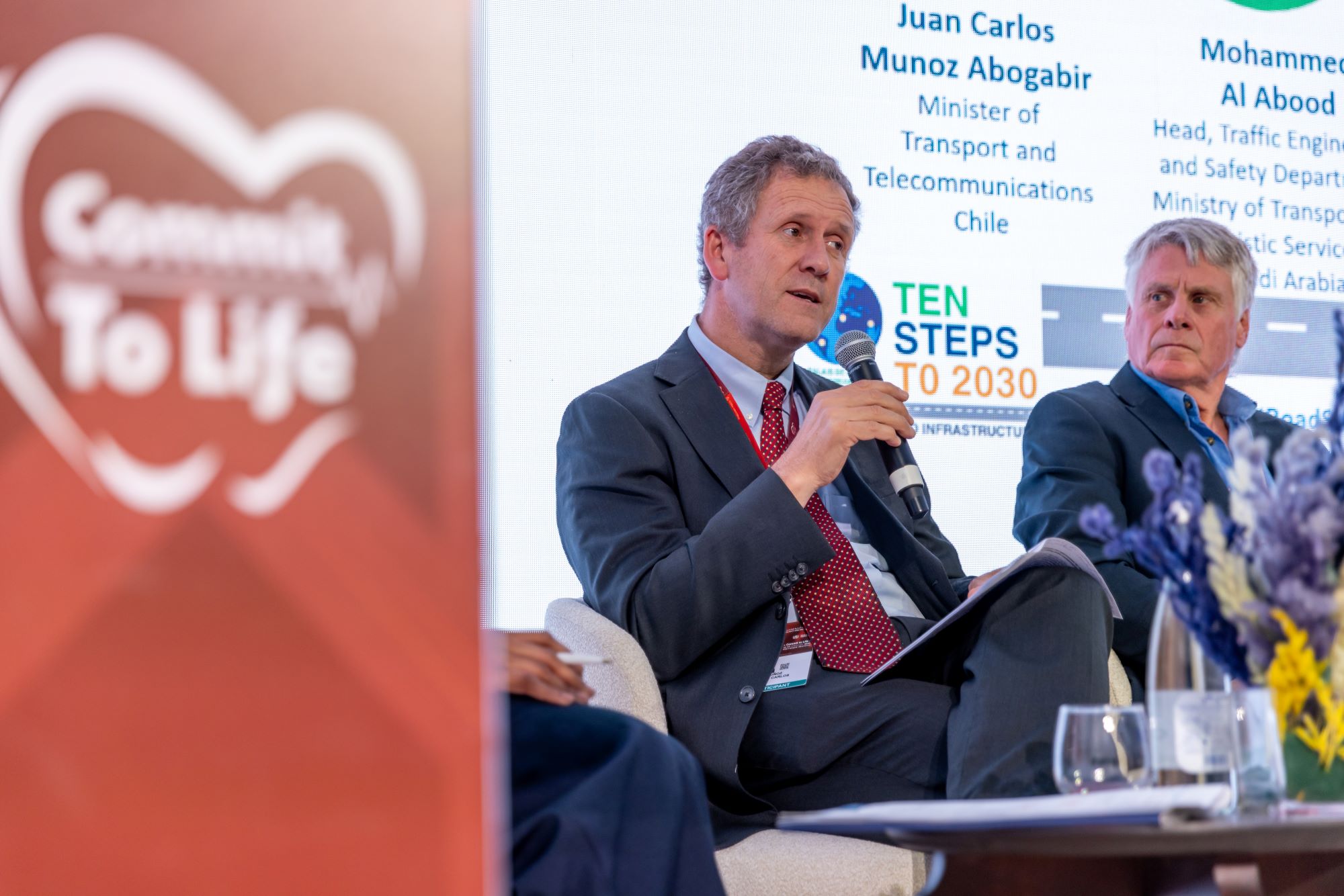
Juan Carlos Muñoz
Ministro dos Transportes/Telecomunicações, Chile

Nneka Henry
Chefe do Fundo das Nações Unidas para a Segurança Rodoviária

Mandiaye Faye
Diretor de Trânsito e Mobilidade Rodoviária da MITTA, Senegal

Susanna Zammataro
Diretor-Geral
IRF

Weimin Ren
Presidente do Comitê Diretivo da UNRSF/Diretor da Divisão de Transportes
UNESCAP

Greg Smith
CEO interino e Diretor Global de Programas, iRAP

Cathy Miller
Chefe de Segurança Rodoviária, Departamento de Transportes do Reino Unido (DfT)

Saul Billingsley
Diretor Executivo, FIA Foundation

Susan Hipp
Diretor Executivo da Rede de Empregadores para a Segurança no Trânsito (NETS)
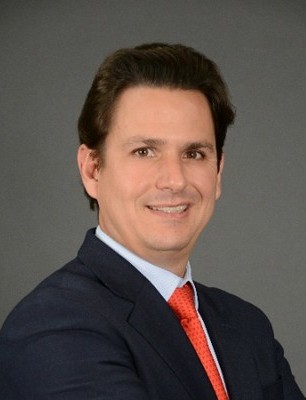
Bosco Marti
Diretora Executiva de Assuntos Institucionais e de Comunicação da Aleatica

Natalie Chiavassa
Safer Journeys lidera a iniciativa para África, iRAP
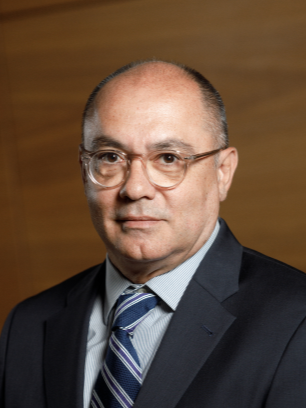
Dimitrios Mandalozis
Presidente da IRF/Diretor de Operações da Aegean Motorway SA

Nathalie Angibeau
Diretor para o Norte da África, UNOPS

Jamie Leather
Chefe do Grupo do Setor de Transportes, ADB
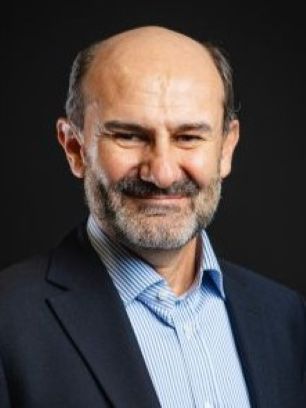
Esteban Diez Roux
Consultor Sênior de Operações, BID
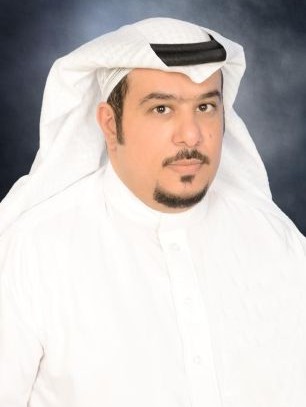
Mohammed Al Abood
Chefe do Departamento de Engenharia de Tráfego e Segurança, Ministério dos Transportes e Serviços Logísticos, Arábia Saudita

Samar Abouraad
Especialista em Viagens Seguras, iRAP
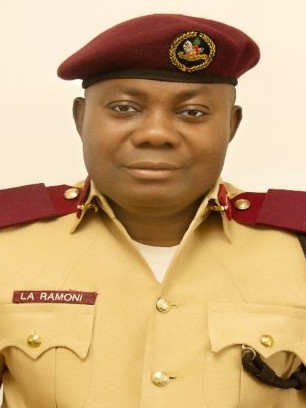
Lateef Ramoni
Comandante Adjunto do Corpo da FRSC Nigéria e Ponto Focal da Organização de Segurança Rodoviária da África Ocidental (WARSO)

Pedro Jamieson
Diretor-geral da Anditi

Sameera Munshi
Gerente de Operações, Fundação Anglo American
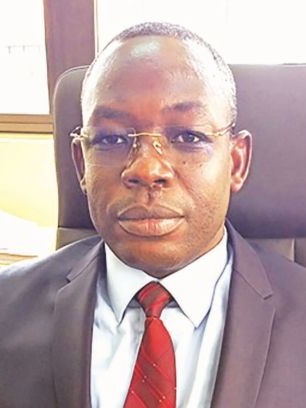
Aubin Essaie Moussa
Presidente da Associação Africana do Fundo de Manutenção Rodoviária (ARMFA)

Stephen Perkins
Chefe de Pesquisa e Análise de Políticas, ITF
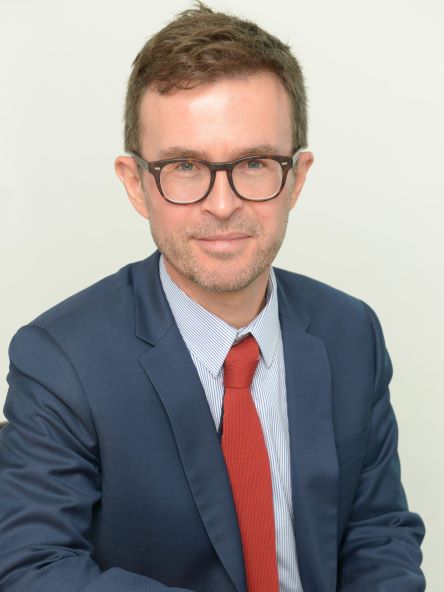
Patrick Mallejacq
Secretário-Geral, PIARC

Dipan Bose
Especialista Sênior em Transportes, Banco Mundial
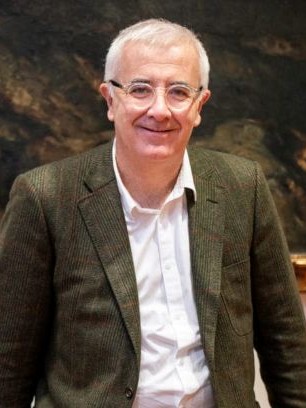
Miguel Nadal
Diretor Geral, Círculo de Economia e Presidente, iRAP

James Bradford
Diretor Técnico Global, iRAP

Judy Williams
Gerente Global de Programas e Comunicações, iRAP
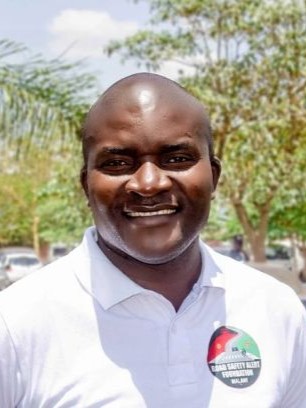
Joel Jere
Diretor Executivo da Fundação de Alerta de Segurança Rodoviária (ROSAF)
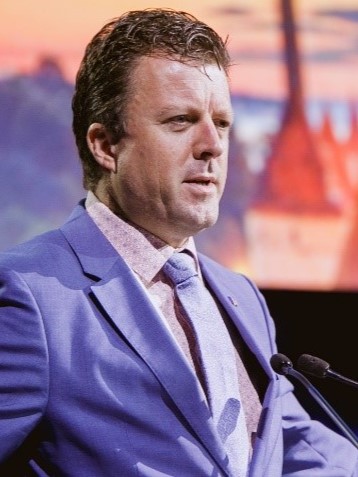
Steve Phillips
Secretário-Geral da Conferência de Diretores Rodoviários Europeus

Sang Jin Han
Professor do Grupo de Estudos de Transporte da Universidade Nacional de Seul
Sobre os Dez Passos para uma Infraestrutura Rodoviária Mais Segura
Desenvolvido pela Colaboração das Nações Unidas para a Segurança Rodoviária, o Plano de dez etapas para uma infraestrutura rodoviária mais segura O plano oferece uma abordagem estruturada para enfrentar os desafios da segurança rodoviária. Ele visa estradas de alto risco por meio de melhorias na infraestrutura, fortalece a expertise em segurança rodoviária através da capacitação e defende intervenções baseadas em evidências, com base em dados de acidentes e metodologias de avaliação de risco. Para ser bem-sucedido, requer compromisso político, capacidade institucional e financiamento sustentável — três pilares que devem sustentar os esforços para alcançar as ambiciosas metas de 2030.
Um exemplo brilhante da aplicação do modelo dos Dez Passos é o progresso da Tanzânia como o primeiro país piloto da iniciativa. Apoiada pelo Fundo das Nações Unidas para a Segurança Rodoviária (UNRSF) e pelo Mecanismo Global de Segurança Rodoviária, A Tanzânia fez progressos substanciais ao longo de um período de 30 meses.. Esse sucesso rendeu o Prêmio Internacional Príncipe Michael de Segurança Rodoviária de 2023 pelo seu notável impacto, ilustrando como o Estrutura dos Dez Passos, Apoiada por parcerias sólidas e vontade política, essa iniciativa pode transformar a segurança rodoviária.
A estrutura dos Dez Passos está agora a expandir o seu alcance com projetos ativos em Ásia Central, Senegal e Norte e oeste da África.
As sessões do evento exploraram elementos-chave do Plano que são cruciais para o avanço da segurança rodoviária global:
- Mobilizando o impacto com políticas eficazes: iRAP's Página web "Políticas em Prática" Compartilha quase 50 exemplos de estratégias e planos de ação nacionais e estaduais de segurança rodoviária que incluem os principais indicadores de desempenho iRAP para segurança da infraestrutura.
- Mobilizando o impacto com financiamento: Ao destacar o desempenho de segurança das estradas por meio de classificações por estrelas e a justificativa comercial associada para melhorias, as ferramentas iRAP (Planos de investimento para estradas mais seguras, Explorador de informações de segurança, Estudo de Caso de Investimento de Impacto, Ajudar os parceiros a priorizar investimentos que atendam às metas da ONU e maximizem o número de vidas salvas por unidade de investimento.
- Projeto de estradas mais seguras: Star Rating for Designs Permite que projetistas e engenheiros rodoviários avaliem e melhorem a segurança de seus projetos viários para pedestres, ciclistas, motociclistas e ocupantes de veículos antes do início da construção.
- Capacitação: Capacitar profissionais por meio de treinamento, como por exemplo, através de Treinamento iRAP e Acreditação Programa e o Registro Internacional de Auditores de Segurança Rodoviária da IRF.
- Decisões baseadas em dados: Utilizando ferramentas como Explorador de informações de segurança do iRAP, RAPTools, e o Estatísticas Rodoviárias Mundiais da IRF Avaliar riscos e orientar investimentos onde eles são mais necessários.
- Parcerias Globais: refletido através de Estratégia de Parcerias para o Impacto de 2030 da iRAP, E, com nosso trabalho com 34.000 parceiros em todo o mundo, as parcerias são cruciais para apoiar a segurança rodoviária global. Recursos para RAPs de 5 estrelas está apoiando o desenvolvimento de programas de avaliação de estradas de alto impacto em todo o mundo.
- Inovação e Tecnologia: Iniciativas e projetos de inovação do iRAP, incluindo AiRAP estão mudando a forma como as intervenções de segurança são implementadas.
Parcerias para o Impacto de 2030
Durante o evento, a iRAP assinou memorandos de entendimento com a Banco Interamericano de Desenvolvimento prorrogando nossa parceria por mais três anos; e com o Organização da África Ocidental para a Segurança Rodoviária (WARSO) e Associação Africana do Fundo de Manutenção de Rodovias (ARMFA) Colaborar na eliminação de estradas de alto risco em todo o continente africano.
Ouça Nathalie Chiavassa, Líder da iniciativa Safer Journeys para África (iRAP), compartilhar os objetivos e a importância das parcerias entre a WARSO e a ARMFA para o futuro:
Premiação das Autoridades Rodoviárias com Melhor Desempenho no Mundo
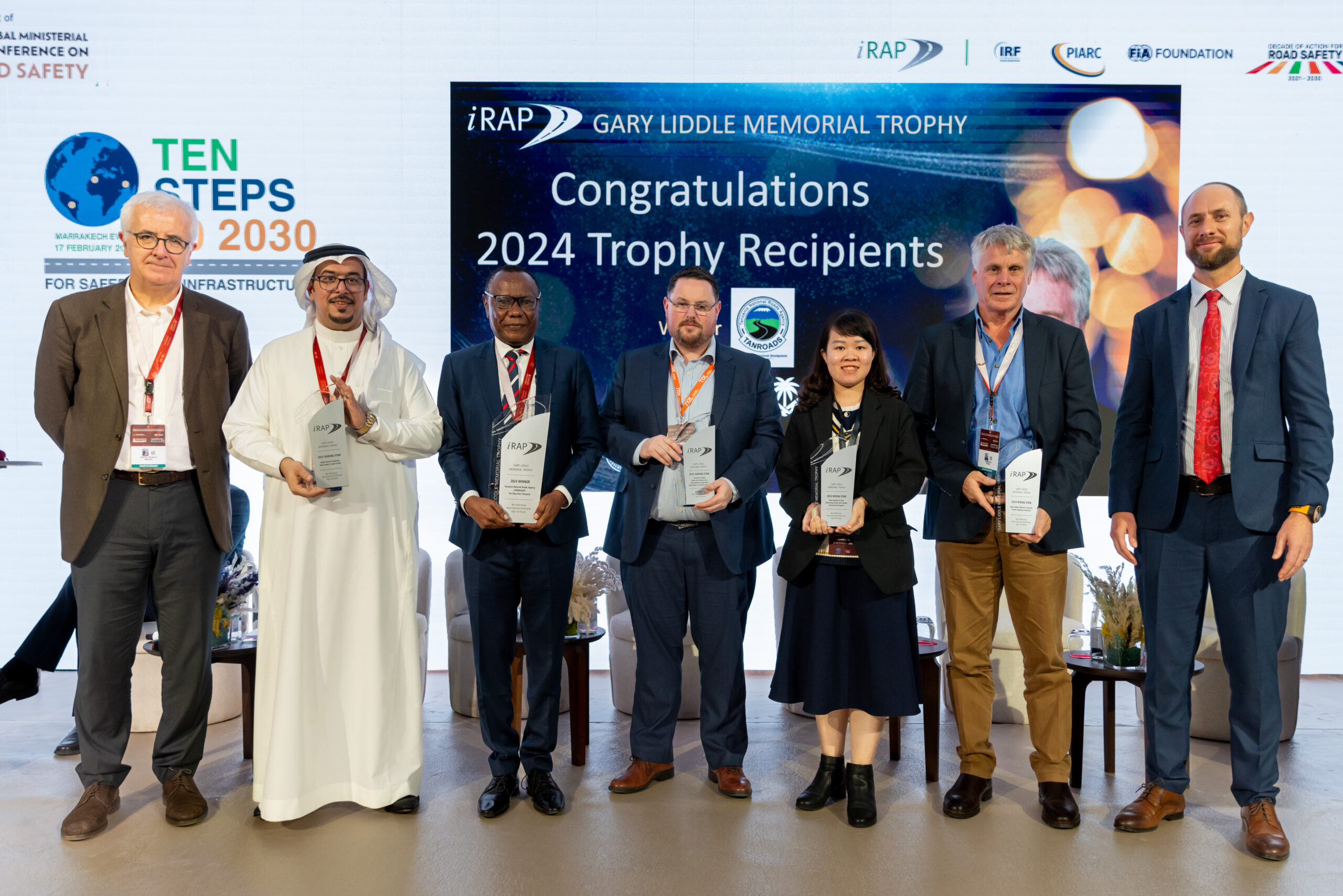
Anunciamos com orgulho também o vencedor e os finalistas do Troféu Memorial Gary Liddle iRAP de 2024, concedido à(s) autoridade(s) rodoviária(s) com melhor desempenho no mundo na eliminação de estradas de alto risco. O Troféu iRAP, de caráter perpétuo, homenageia a contribuição de toda uma vida do ex-presidente do Conselho da instituição de caridade, Gary Liddle AO, para o setor público e o transporte, que faleceu em 2023.
Os vencedores foram selecionados entre 12 indicações altamente competitivas de 11 países e incluíram a TANROADS por 'Plano de Dez Etapas para a Tanzânia' (Vencedora), a Autoridade Geral de Estradas por 'Estradas Mais Seguras na Arábia Saudita' (Estrela Brilhante), a Corporação de Desenvolvimento de Infraestrutura Rodoviária de Himachal Pradesh (HPRIDCL) por 'Estradas Mais Seguras em Himachal Pradesh, Índia' (Estrela Brilhante), a Prefeitura de Lima, Peru, por 'Aprimorando a Segurança nas Zonas Escolares por meio do Programa Colecaminos' (Estrela em Ascensão) e a Main Roads Western Australia por 'Extensão da Rodovia Tonkin' (Estrela em Ascensão).
Leia sobre os prêmios e os vencedores. aqui.
Assista à cerimônia de premiação aqui (a partir de 6:13:40).
Vídeos curtos: Ouça alguns dos palestrantes do evento.
Veja o evento em fotos.
Veja todas as fotos do evento.
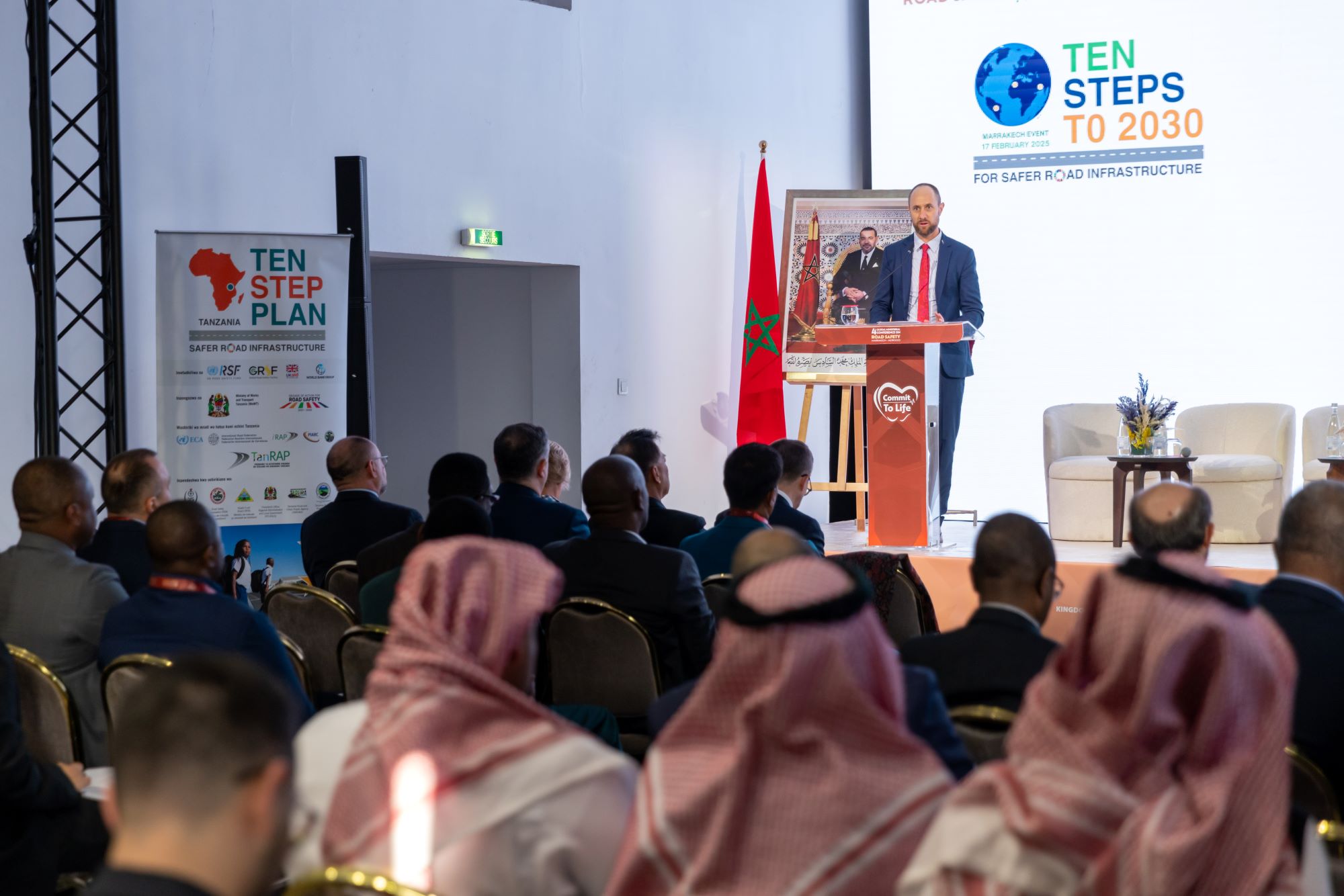
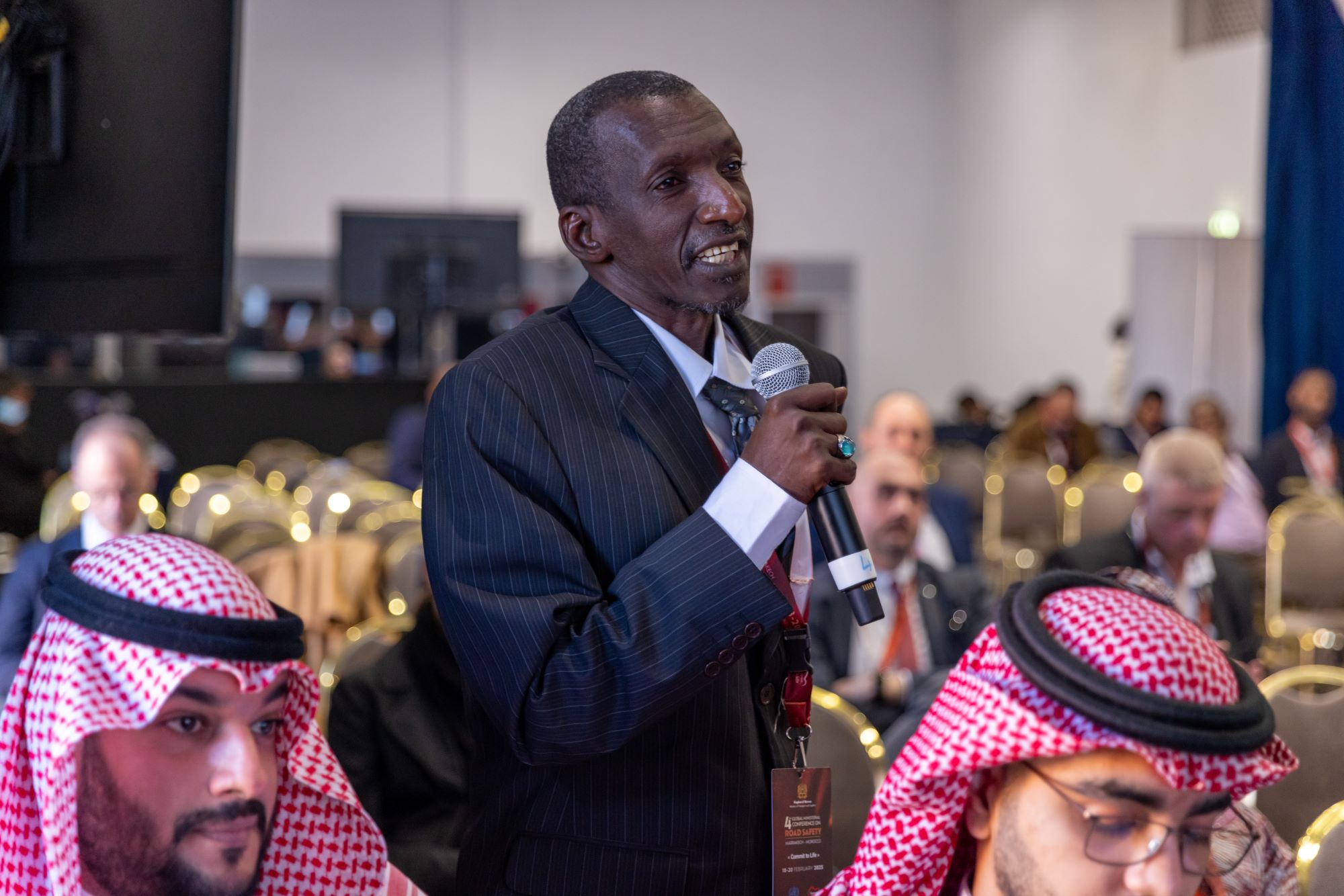
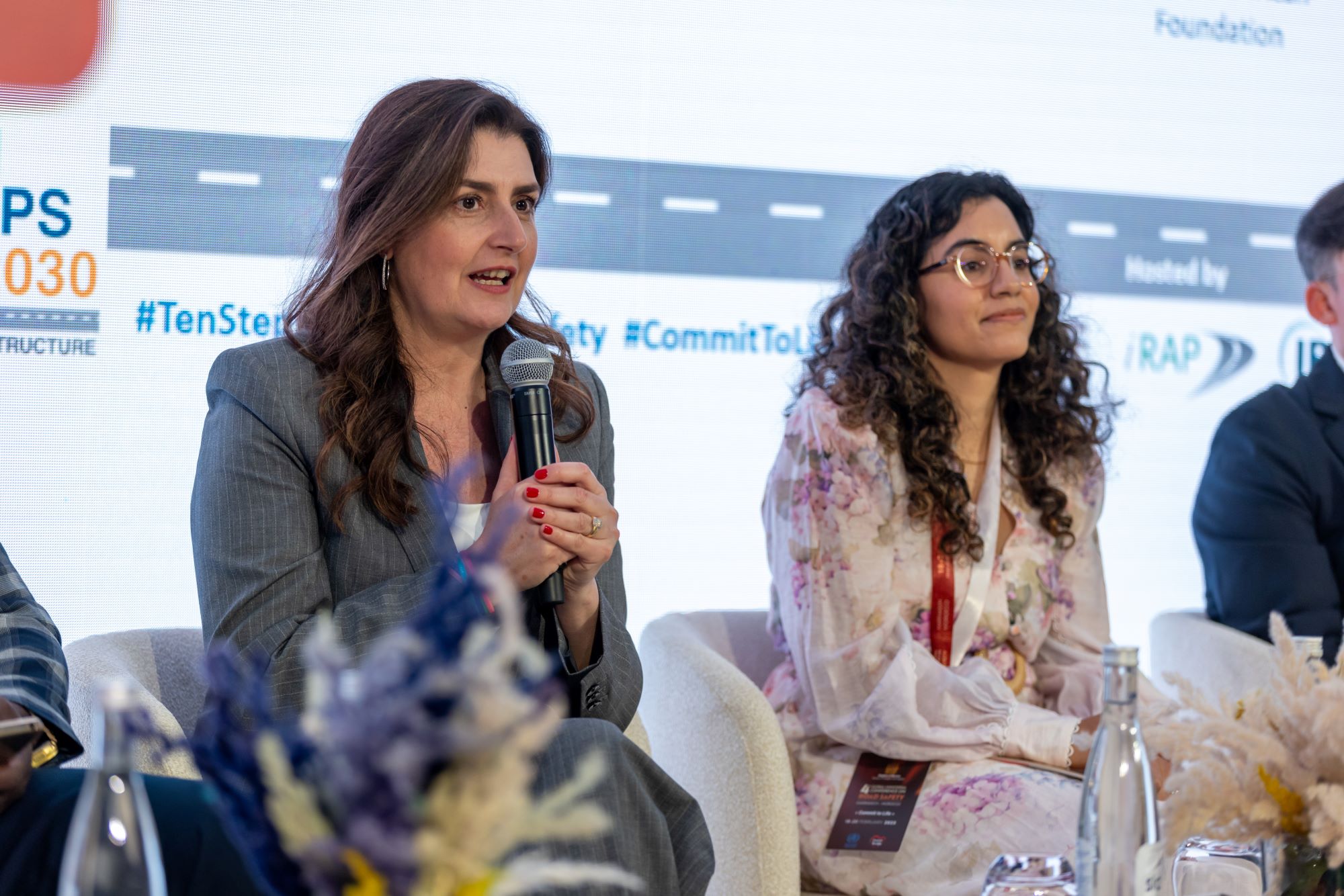
Crédito das imagens: Omar Bouzidi
Leia mais sobre o iRAP na 4ª Conferência Ministerial Global.