
¡Qué semana fantástica en IRF2024 En Estambul, donde se destacaron los diseños de carreteras seguras, el Plan de Diez Pasos para una Infraestructura Vial más Segura, la obtención de compromisos para transformar la seguridad de las carreteras para 2030 y la celebración de los éxitos de los socios.
El Congreso Mundial de la IRF El congreso se celebró del 14 al 18 de octubre en Estambul con el lema "Conectando para potenciar la movilidad: las carreteras como facilitadoras de un futuro sostenible para todos". El congreso atrajo a más de 2000 participantes de 80 países, entre ellos gobiernos, empresas (construcción de carreteras, sistemas de transporte inteligentes, concesionarios, operadores de peaje y consultoras), instituciones académicas, bancos de desarrollo e instituciones financieras, proveedores de tecnología, las Comisiones Regionales de la ONU y organizaciones de la sociedad civil.
Programa
El programa del evento incluyó sesiones plenarias y especiales, siete sesiones paralelas, sesiones técnicas, un café con escenario abierto y una exposición. Consulte el programa diario. aquí.
Disfruta de nuestro vídeo con los mejores momentos del programa:
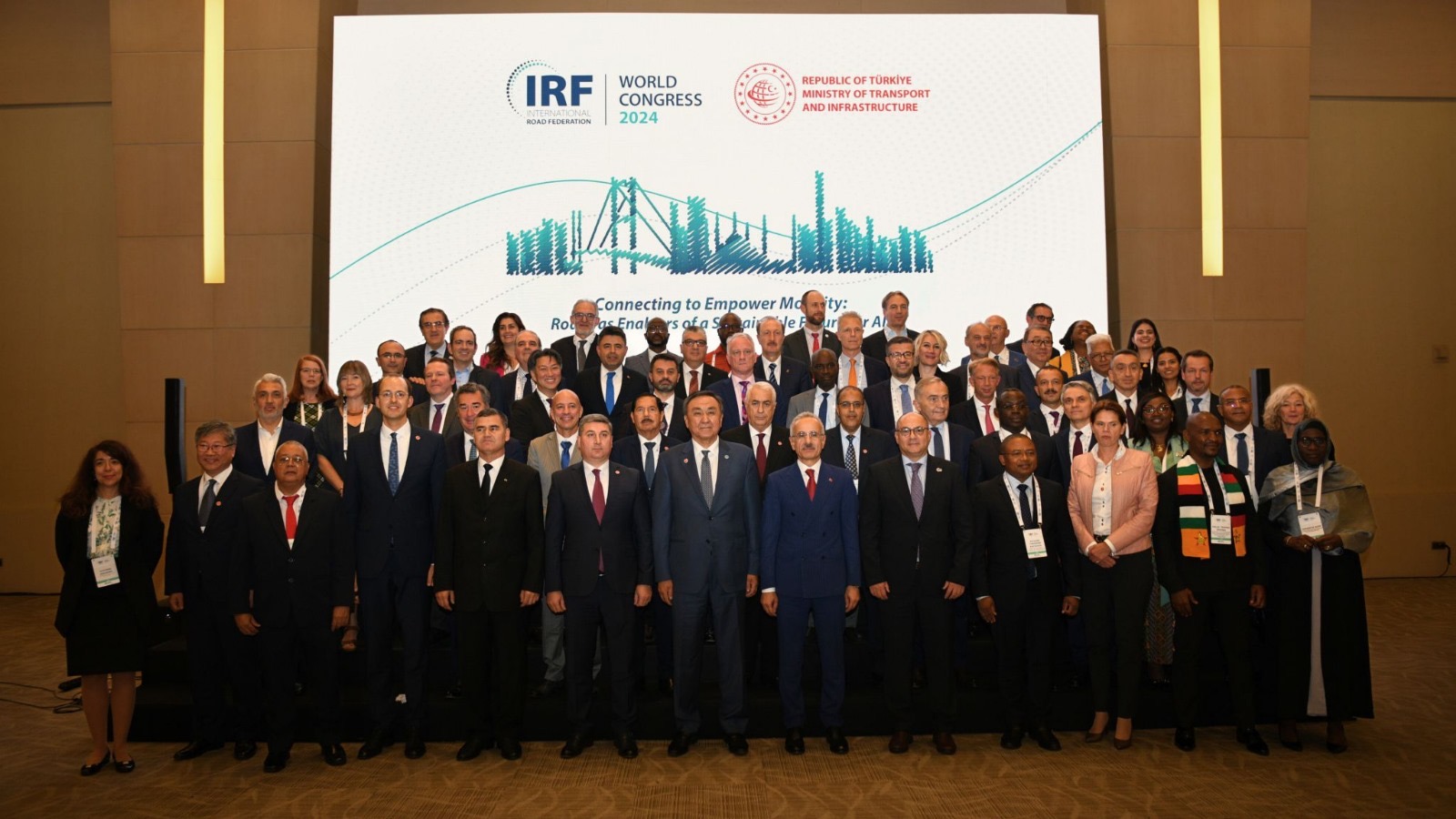
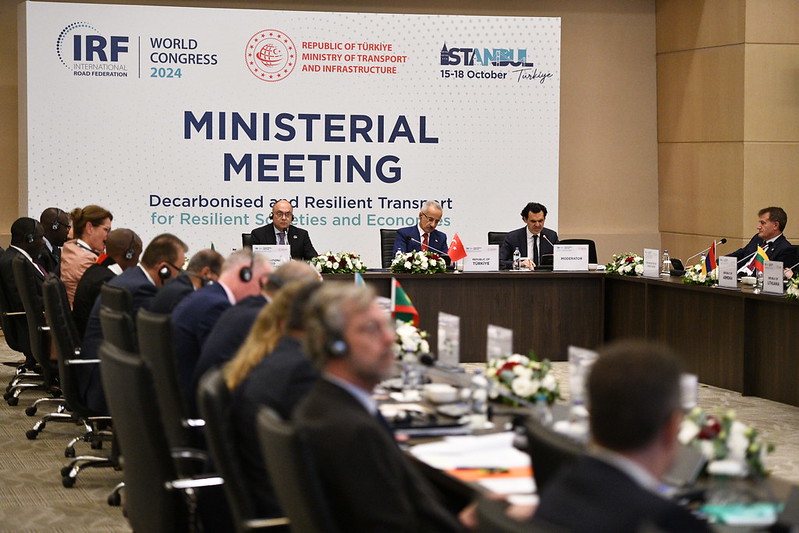
LA REUNIÓN MINISTERIAL ATRAE LA ATENCIÓN DE ALTO NIVEL
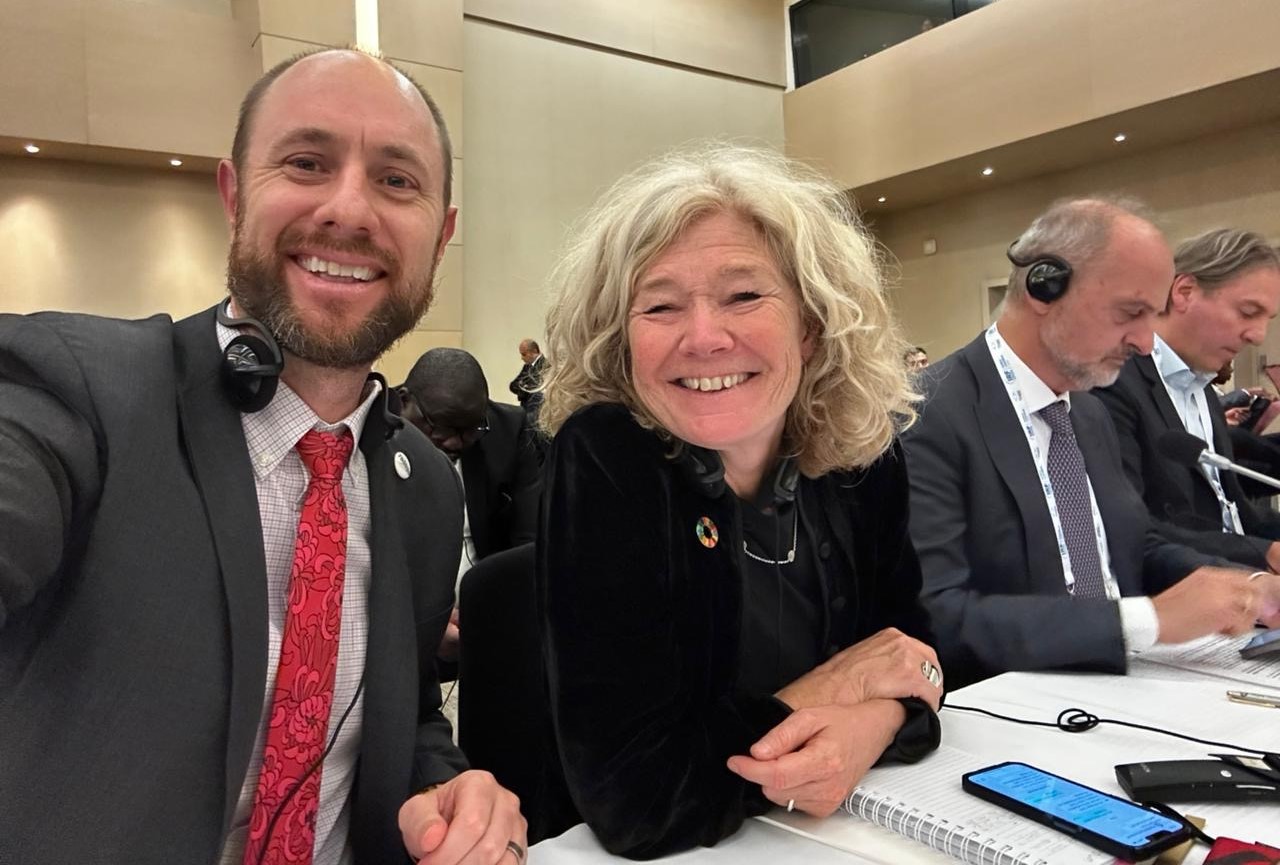
Una reunión ministerial convocó a ministros de 30 países y a las principales organizaciones de transporte al más alto nivel, con el objetivo de impulsar un cambio transformador mediante la innovación y la colaboración. iRAP tuvo el placer de presentar a los ministros el papel fundamental que desempeñará una infraestructura vial más segura (con calificación de 3 estrellas o superior) para alcanzar el objetivo global de reducir a la mitad las muertes y lesiones en carretera para 2030.
SESIONES ESPECIALES iRAP
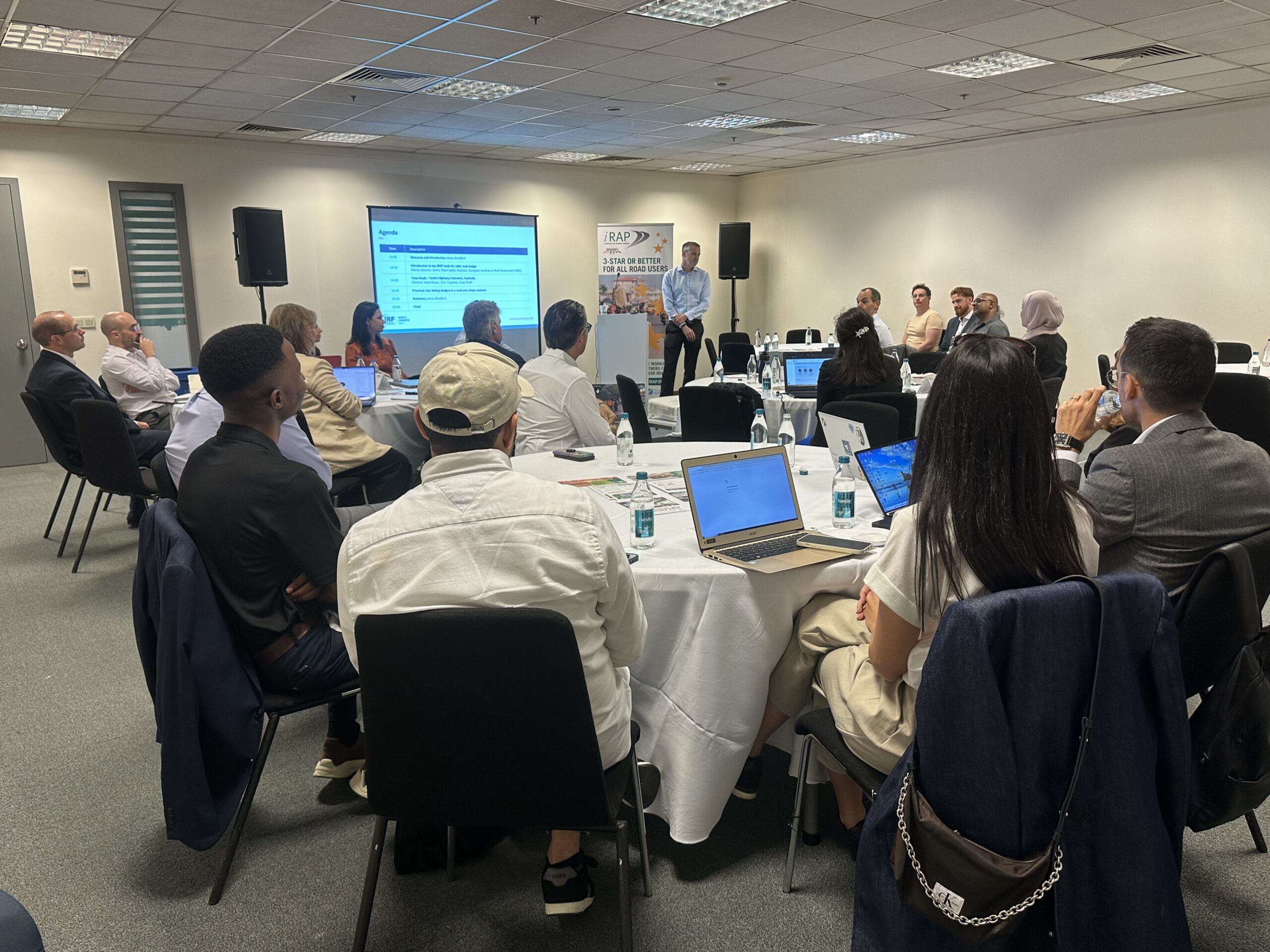
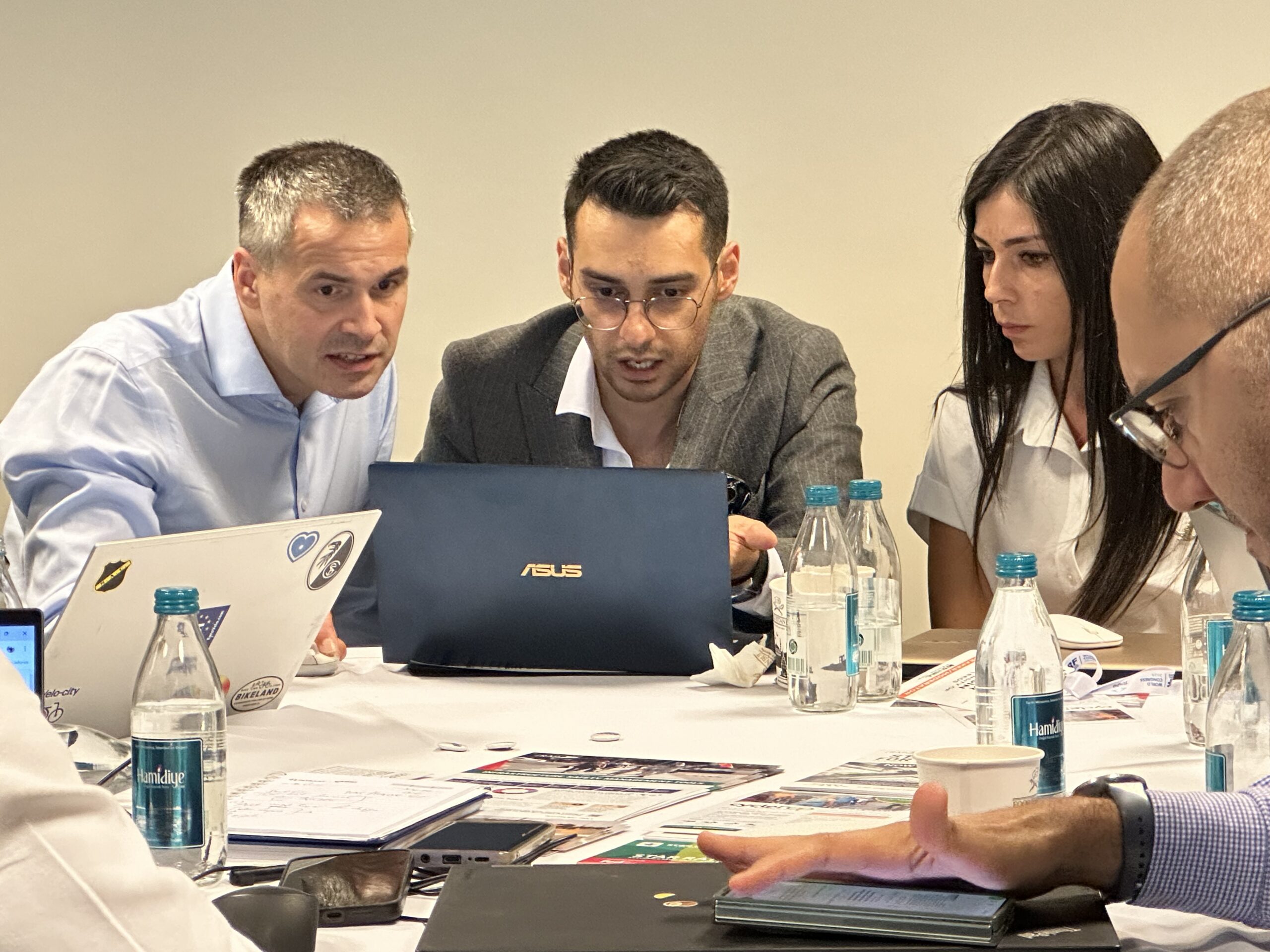
Formación práctica de IRAP: Diseños para alcanzar los objetivos mundiales de seguridad vial.
Diseñadores e ingenieros viales de 24 países asistieron a la capacitación práctica centrada en el diseño seguro de carreteras, un pilar fundamental para la movilidad sostenible y la infraestructura resiliente. La sesión incluyó el uso práctico de herramientas que pueden ayudar a alcanzar el Objetivo 3 de Desempeño Global de Seguridad Vial de la ONU, incluyendo la herramienta mejorada recientemente publicada. Star Rating for Designs Aplicación web. Dominic Waterhouse, ingeniero civil de Arup Perth, compartió el estudio de caso del proyecto de ampliación de la autopista Tonkin.
El plan de diez pasos para una infraestructura vial más segura (organizado por iRAP, IRF y PIARC)
El Plan de diez pasos para una infraestructura vial más segura Este plan fue elaborado por los socios de la Colaboración de las Naciones Unidas para la Seguridad Vial (UNRSC) para apoyar a los países que buscan mejorar la seguridad de su infraestructura vial. Proporciona un marco para fortalecer la capacidad institucional, las alianzas y el marco regulatorio en los países. Tanzania fue la primera nación del mundo en implementar el Plan de Diez Pasos y, con el apoyo de una subvención de la UNRSC, socios locales e internacionales pronto comenzarán un segundo proyecto del Plan de Diez Pasos en Senegal. El Plan ofrece una plantilla que cualquier país puede adoptar e implementar de manera que se ajuste al contexto y las necesidades locales específicas. Consulte el programa de la sesión y los ponentes. aquí.
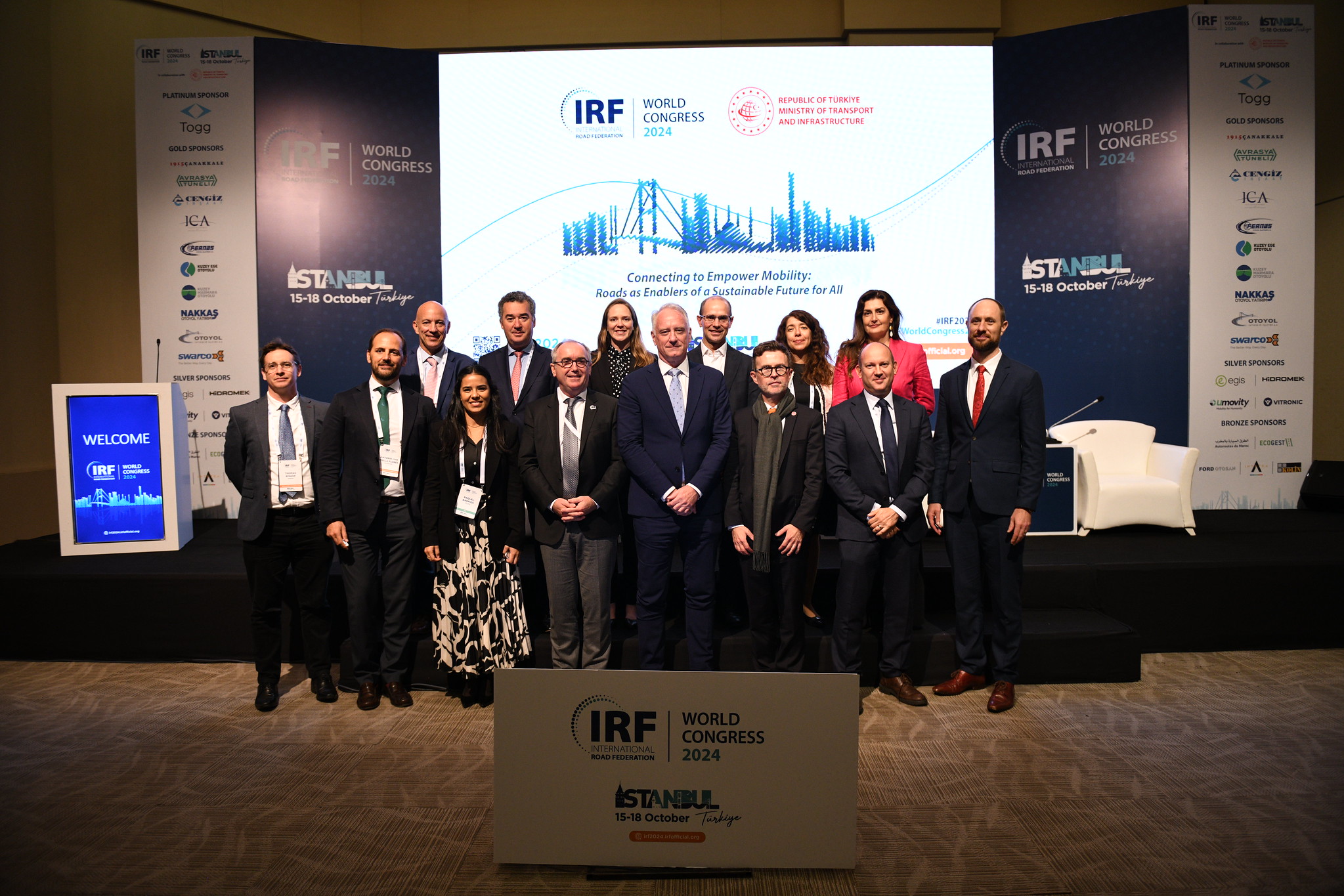
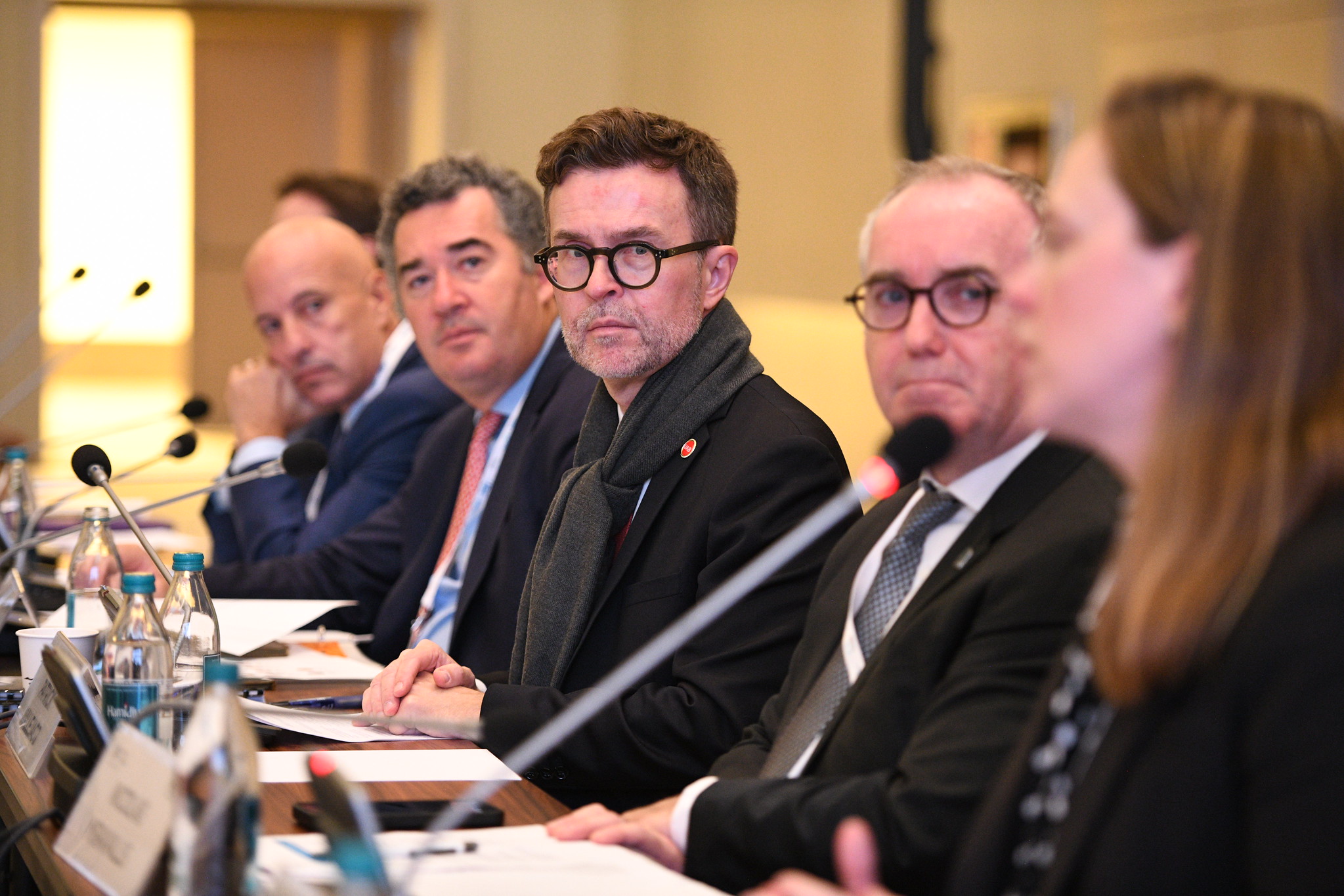
Mesa redonda de alto nivel: Dando forma al futuro del diseño de carreteras para una movilidad segura y sostenible (Organizada por iRAP e IRF)
Los Objetivos de Desarrollo Sostenible (ODS) establecen la meta de reducir a la mitad las muertes y lesiones por accidentes de tránsito a nivel mundial para 2030. El diseño seguro de las carreteras será fundamental para alcanzar esta meta y lograr una infraestructura más segura, sostenible y resiliente. El Plan Mundial para la Década de Acción sobre la Seguridad Vial recomienda realizar sistemas de calificación por estrellas y auditorías de seguridad vial en todos los diseños para garantizar un estándar mínimo de tres estrellas o superior para todos los usuarios de la vía, haciendo hincapié en la necesidad de gestionar la velocidad y realizar inversiones. Esta mesa redonda reunirá a líderes en el desarrollo de infraestructura vial para compartir mejores prácticas, estrategias y proyectos en curso, así como obstáculos y oportunidades para mejorar la seguridad en el diseño de carreteras a nivel mundial. Su objetivo es alinear las prioridades en materia de diseño seguro de carreteras de cara a la 4.ª Conferencia Ministerial Mundial sobre Seguridad Vial en Marruecos (febrero de 2025), acelerando así el progreso hacia el logro de los ODS.
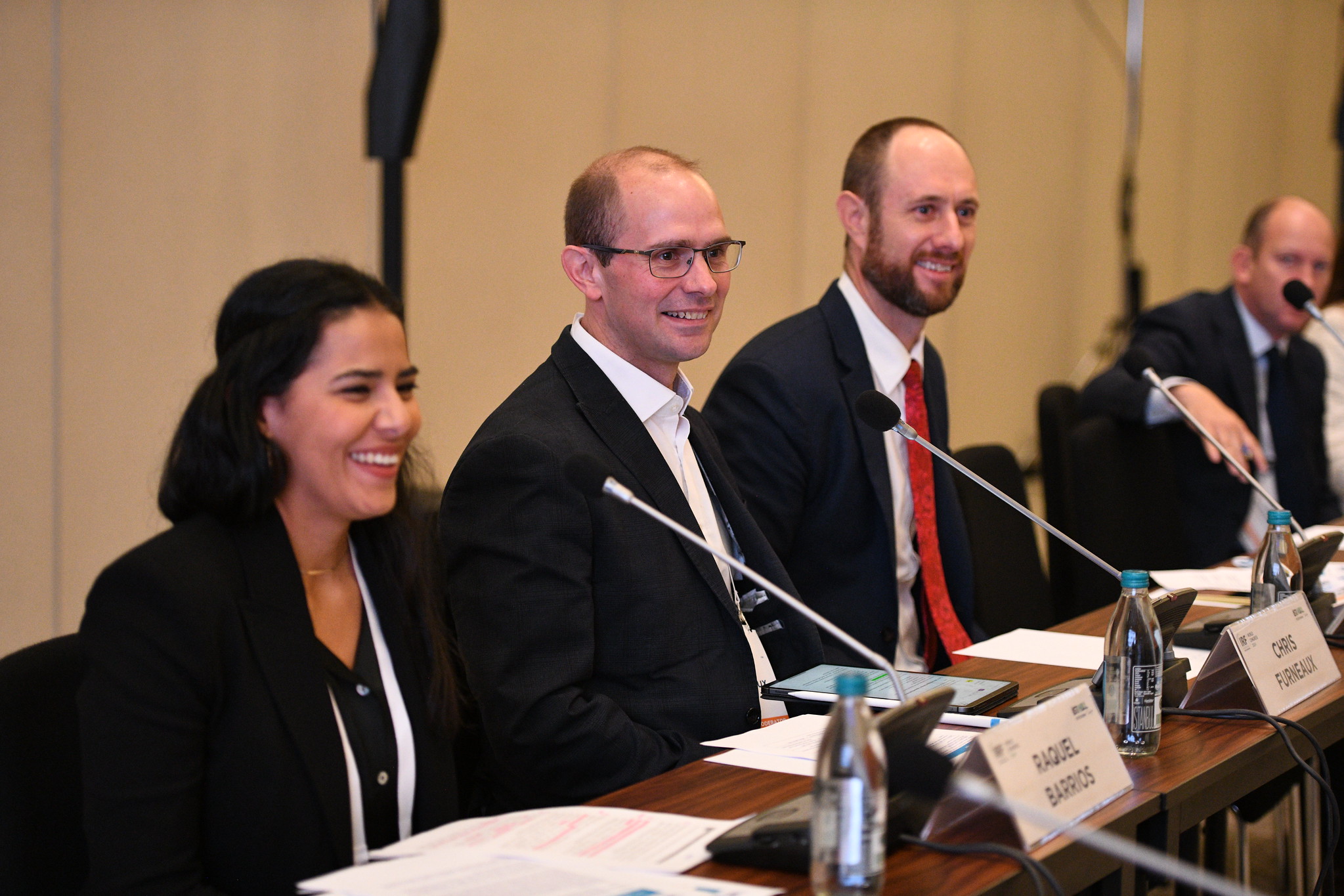
Jamie Leather, Jefe del Sector de Transporte del Banco Asiático de Desarrollo (BAD), moderó el estimulante debate con representantes de ALEATICA, Arup, FIA Foundation, Banco Europeo de Reconstrucción y Desarrollo (BERD), iRAP, BAD, ORIS, Banco Mundial, PIARC, Youth for Road Safety (YOURS), Banco Europeo de Inversiones (BEI), IRF y AMEND. Consulte el programa de la sesión y la lista de ponentes. aquí.
PRESENTACIONES DE SOCIOS / OTRAS SESIONES APOYADAS
- Reunión a puerta cerrada (solo por invitación): Desarrollar un entorno propicio para la financiación del sector privado y la inversión de impacto para lograr carreteras más seguras..
- Asociaciones público-privadas, tarificación vial, contratación pública para un mejor transporte y movilidad. Antonio Pinilla, ALEATICA
- Innovación en el diseño para la seguridad: La ampliación de la autopista Tonkin Dom Waterhouse, Arup
- El potencial de utilizar una metodología de evaluación de riesgos viales para monitorear y evaluar el progreso de los contratos de mantenimiento basados en el desempeño: el caso de estudio de Albania. Edoardo Mazzia, Ingeniería FRED
- Un enfoque basado en los derechos humanos para la promoción de un transporte urbano inclusivo y seguro: estudio de caso del proyecto de Gestión Integrada de Corredores (ICM) del norte de Dhaka en Bangladesh. Edoardo Mazzia, Ingeniería FRED
- Plataformas de financiación innovadoras basadas en resultados para la inversión en infraestructura y seguridad vial. Greg Smith, iRAP
- AiRAP: Clasificación por estrellas de todas las carreteras del planeta mediante la codificación acelerada e inteligente de los atributos iRAP a nivel mundial. James Bradford, iRAP
- La herramienta de revisión de rutas: soluciones fáciles de usar para planificar inversiones viales en materia de seguridad. James Bradford, iRAP
- Diseño de carreteras seguras e inclusivas en Asia Central Julio Urzúa, iRAP
- Primer despliegue de una metodología de seguridad vial preventiva en Omán: un paso compartido para la Visión 2040 y la Visión Cero de Omán. Majid Alrashdi, Desarrollo petrolero de Omán
- Redefiniendo la evaluación de la red ciclista con métodos basados en evidencia que aprovechan técnicas de IA y herramientas predictivas. Marco Figuls, HECHO
- Mejora de la seguridad de los vehículos autónomos mediante evaluaciones de calificación de estrellas iRAP en tiempo real utilizando la integración de LiDAR y visión artificial. Marko Sevrovic, EIRA
- Los propietarios de carreteras australianos adoptan el Big Data para respaldar una mejor toma de decisiones. Michael Caltabiano, NTRO
- Infraestructura segura para caminar y andar en bicicleta: estudios de caso de seis países. Mónica Olyslagers, iRAP
- Tecnología para caminos rurales: Un programa social para un desarrollo equitativo y equilibrado Nicolás Miravalls, ORIS
- Medidas de seguridad vial para la red de carreteras principales de uso general. Phil Brunson,Arup
- Inversión a gran escala para la seguridad: Proyecto de demostración de seguridad vial en las carreteras de montaña de Shaanxi Rebecca Stapleton, ADB
- Estrategia integral de seguridad vial para Túnez: un marco para el transporte sostenible (2023-2034) Richard Owen, Agilis
- Una evaluación de nuevas fuentes de datos y técnicas de IA para evaluar la velocidad de los vehículos en países de ingresos bajos y medios. Richard Owen, Agilis
- Mejorar la seguridad de los ciclistas: análisis predictivo de la gravedad de las lesiones y promoción de intervenciones basadas en la evidencia. Stella Roussou, NTUA
Reconocimiento a la excelencia en seguridad vial
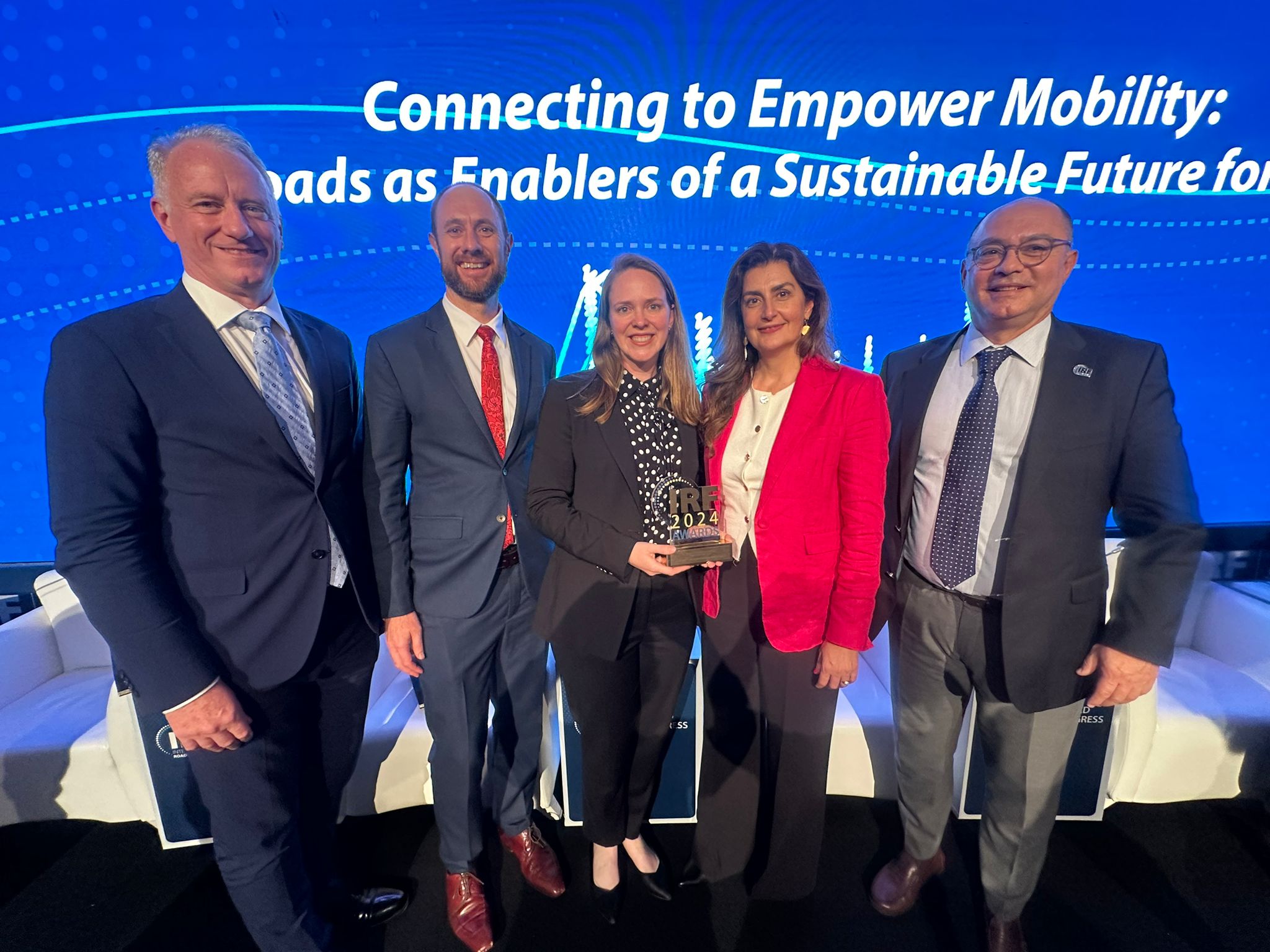
El Banco Asiático de Desarrollo (BAD), El Departamento de Transporte Provincial de Shaanxi, iRAP y el Programa de Evaluación de Carreteras de China (ChinaRAP) del Instituto de Investigación de Carreteras (RIOH) tuvieron el honor de ser galardonados. Premio de la IRF a las Carreteras Rurales y la Movilidad para el proyecto de demostración de seguridad vial en las montañas de Shaanxi, que salva vidas.
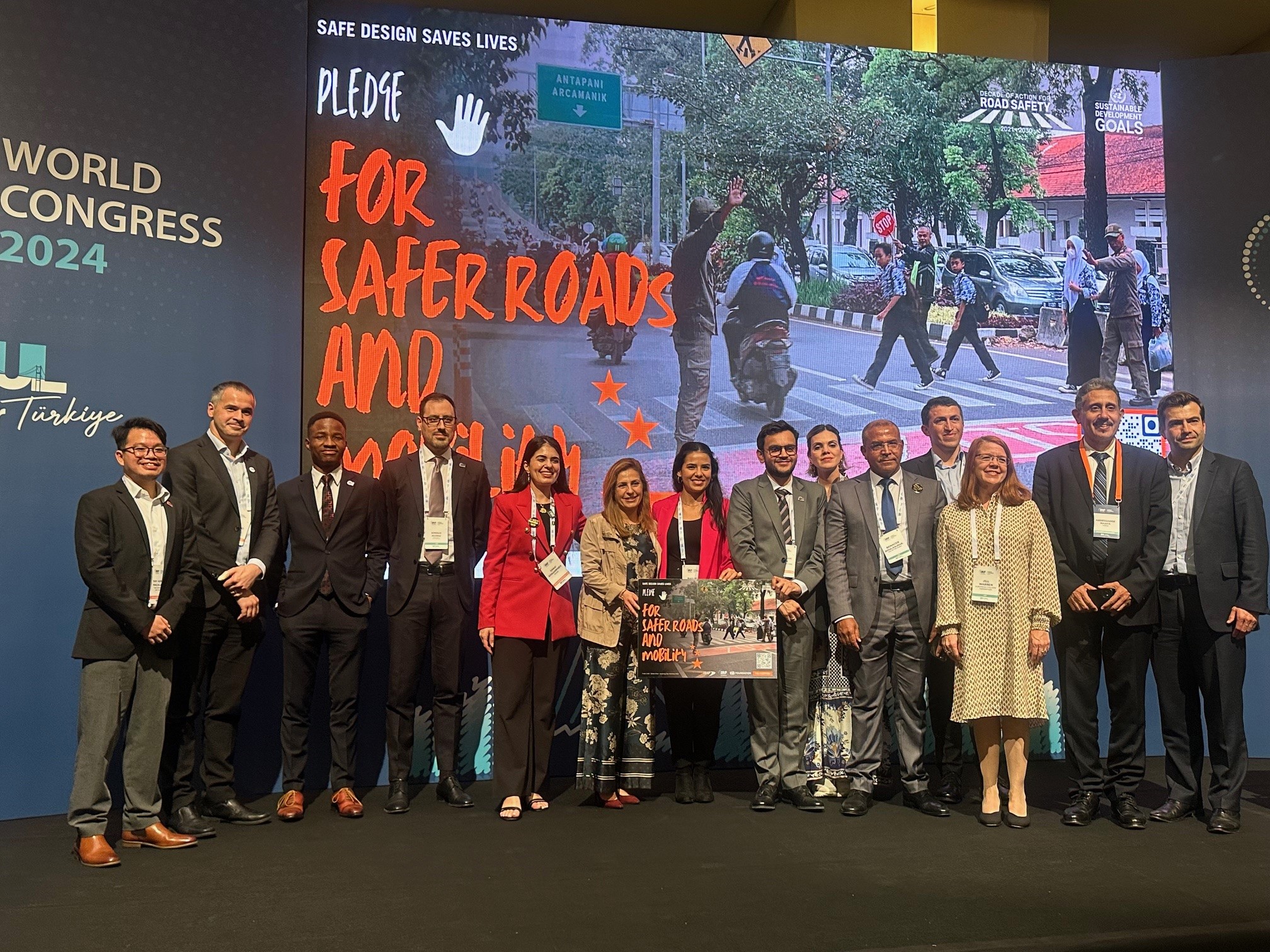
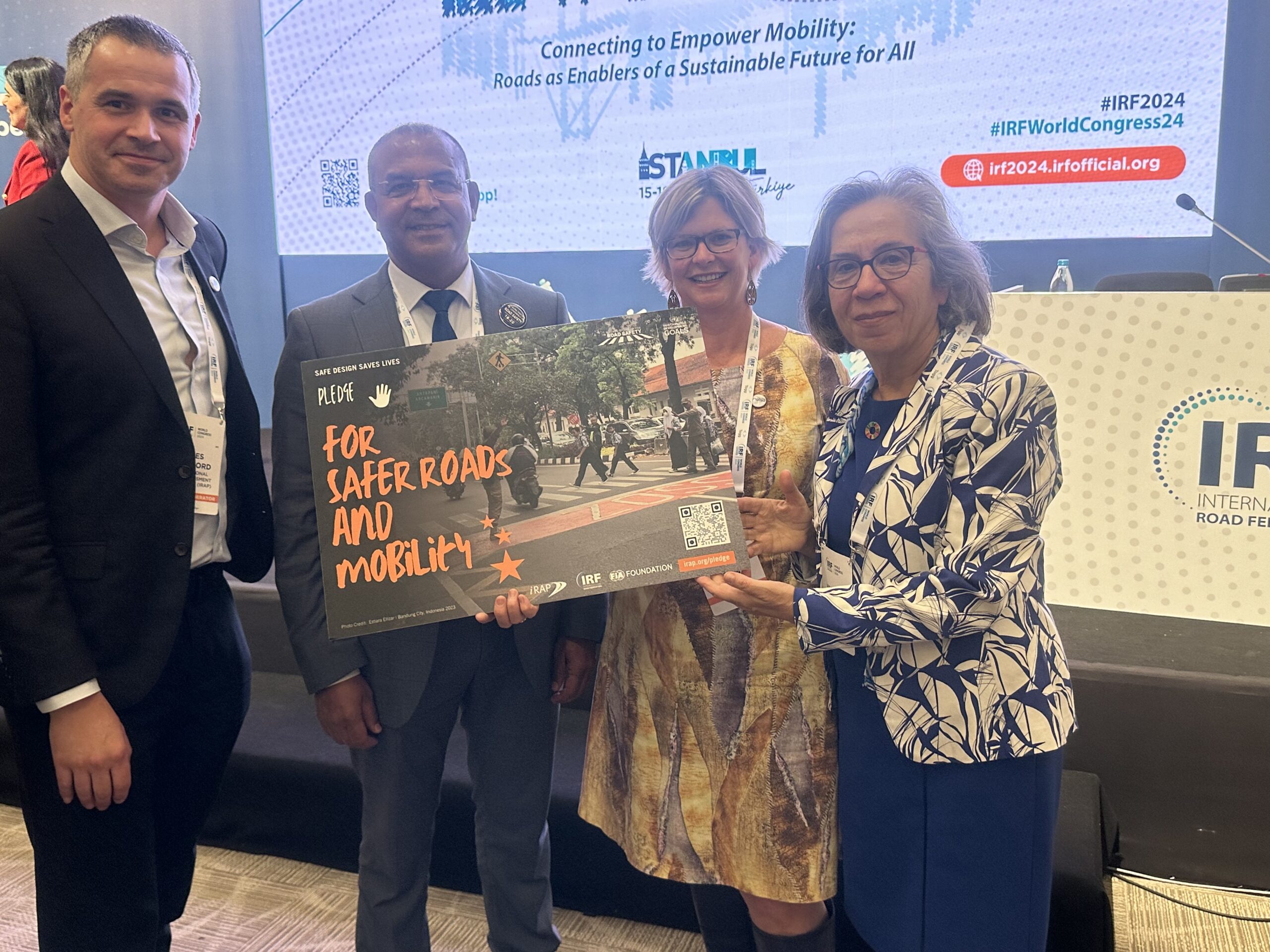
Compromiso # para Carreteras Más Seguras
Varios delegados asistentes aprovecharon la oportunidad para comprometerse con carreteras y movilidad más seguras antes de la 4ª Conferencia Ministerial Mundial sobre Seguridad Vial. Si desea unirse al compromiso, haga clic aquí. aquí.
Cena de socios de iRAP
El Congreso de la IRF brindó una oportunidad especial para celebrar aún más el éxito de los socios de iRAP (en persona) que han salvado casi 700.000 muertes y lesiones graves en 74 países desde 2016, verificado en la investigación de la Universidad Johns Hopkins, publicada en PLOS One. MUST Nisantasi proporcionó un lugar precioso para la celebración.
Escucha a nuestro equipo sobre el terreno.
Lea los comunicados de prensa de Associated Press.
- Se presenta una nueva herramienta mejorada para el diseño de carreteras más seguras.
- El proyecto de seguridad vial de montaña de Shaanxi gana el premio global de la IRF.
Para más información
- Para ver cómo los socios de iRAP están trabajando para hacer que las carreteras sean más seguras en todo el mundo, haga clic aquí.
- Para hablar sobre cómo podemos ayudar a nuestros socios con herramientas, capacitación y apoyo gratuitos para que sus carreteras sean más seguras, comuníquese con nuestros coordinadores regionales de Viajes Más Seguros: Olivera Rozi (Europa) por correo electrónico a olivera.rozi@irap.org; Edgar Zamora (América) a edgar.zamora@irap.org; Nathalie Chiavassa (África) a nathalie.chiavassa@irap.org; y Greg Smith (Asia Pacífico) a greg.smith@irap.org.
Créditos de imágenes y vídeos: iRAP