Comunicado de imprensa – 14 de junho de 2022
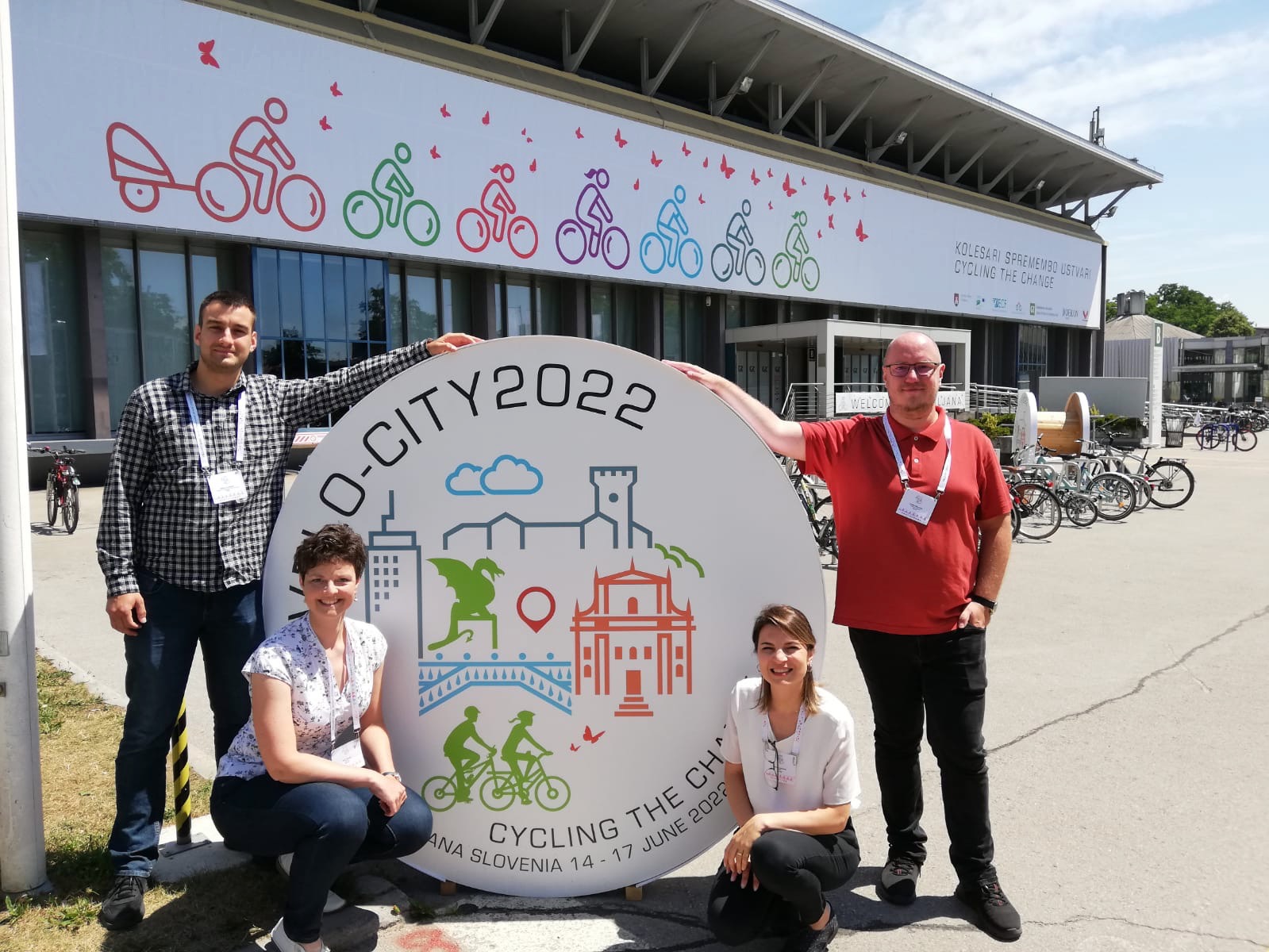
Após projetos-piloto bem-sucedidos na Europa e quatro anos de desenvolvimento de pesquisa em consulta com especialistas globais em ciclismo e segurança, CycleRAP foi lançado em Conferência Velo-city em 14 de junho de 2022 em Liubliana, Eslovênia.
O CycleRAP é a mais recente de uma série de ferramentas e modelos inovadores que o iRAP oferece para ajudar a tornar as redes rodoviárias do mundo mais seguras. Ele chega em um momento crucial, em que cidades de todo o mundo estão trabalhando para melhorar a infraestrutura e a segurança dos meios de transporte sustentáveis.
O CycleRAP é um modelo que pode ser usado para uma avaliação fácil, acessível e rápida da segurança das infraestruturas rodoviárias e cicloviárias. Seu objetivo é ajudar cidades e outras entidades a identificar áreas com alto risco de acidentes envolvendo bicicletas e outros veículos de mobilidade leve, para que a segurança possa ser aprimorada.
O CycleRAP utiliza dados sobre as características de uma estrada, rua ou ciclovia para avaliar o risco de acidentes para ciclistas e usuários de mobilidade leve — independentemente do tipo de instalação (ou se está em via pública ou não) e para todos os tipos de acidentes. Pode ser utilizado em qualquer lugar do mundo.
O modelo e os dados do CycleRAP serão valiosos para uma ampla gama de partes interessadas, incluindo planejadores de transporte e urbanos, provedores de serviços de compartilhamento de bicicletas e micromobilidade, empresas de entrega de comida e de encomendas de bicicleta e comunidades escolares.
Usos específicos incluem:
- Abordar preocupações de segurança explícitas ou gerais para ciclistas e usuários de mobilidade leve.
- Avaliar a capacidade da rede existente para atender ao rápido aumento da demanda ou ao aumento de novos tipos de veículos.
- Priorizar o financiamento e o investimento em infraestrutura para ciclismo e mobilidade leve.
- Auxiliar as cidades na formalização de medidas de resposta rápida para ciclistas no período pós-COVID-19.
O modelo foi desenvolvido pela iRAP sob a supervisão de um grupo consultivo internacional de especialistas, e baseou-se no trabalho anterior do clube de mobilidade holandês, ANWB.
“O CycleRAP é o primeiro modelo do seu tipo aplicável globalmente”, disse Monica Olyslagers, Gerente Global de Inovação e Especialista em Cidades da iRAP. “A iRAP mantém o compromisso de fornecer modelos de segurança viária baseados em evidências que possam orientar boas políticas, investimentos e projetos para uma mobilidade mais segura. A segurança para ciclistas e outras formas de mobilidade leve é fundamental para que as cidades adotem modos de transporte mais saudáveis e sustentáveis.”
O modelo CycleRAP expande as atuais classificações por estrelas para ciclistas do iRAP, permitindo que as vias sejam avaliadas independentemente das redes viárias. Ele também leva em consideração uma gama mais ampla de tipos de acidentes relevantes para ciclistas e outras formas de mobilidade leve. Avalia não apenas o risco de conflitos com veículos grandes, mas também o risco com outros ciclistas ou usuários de mobilidade leve, pedestres e o risco de acidentes que não envolvem outros usuários.
Estima-se que, internacionalmente, entre 60% e 90% das hospitalizações resultantes de acidentes com bicicletas e outros veículos de mobilidade leve não envolvam um conflito direto com um veículo. "Os acidentes de bicicleta são notoriamente subnotificados em todos os lugares", disse a Sra. Olyslagers. "Mesmo quando alguém fica gravemente ferido em um acidente de bicicleta, se um veículo não estiver diretamente envolvido, apenas uma ambulância é chamada. O acidente raramente entra nos boletins de ocorrência."“
“O CycleRAP preenche essa lacuna, permitindo que os responsáveis pela gestão dessa infraestrutura identifiquem os trechos de alto risco e melhorem a segurança antes que ocorram acidentes.”
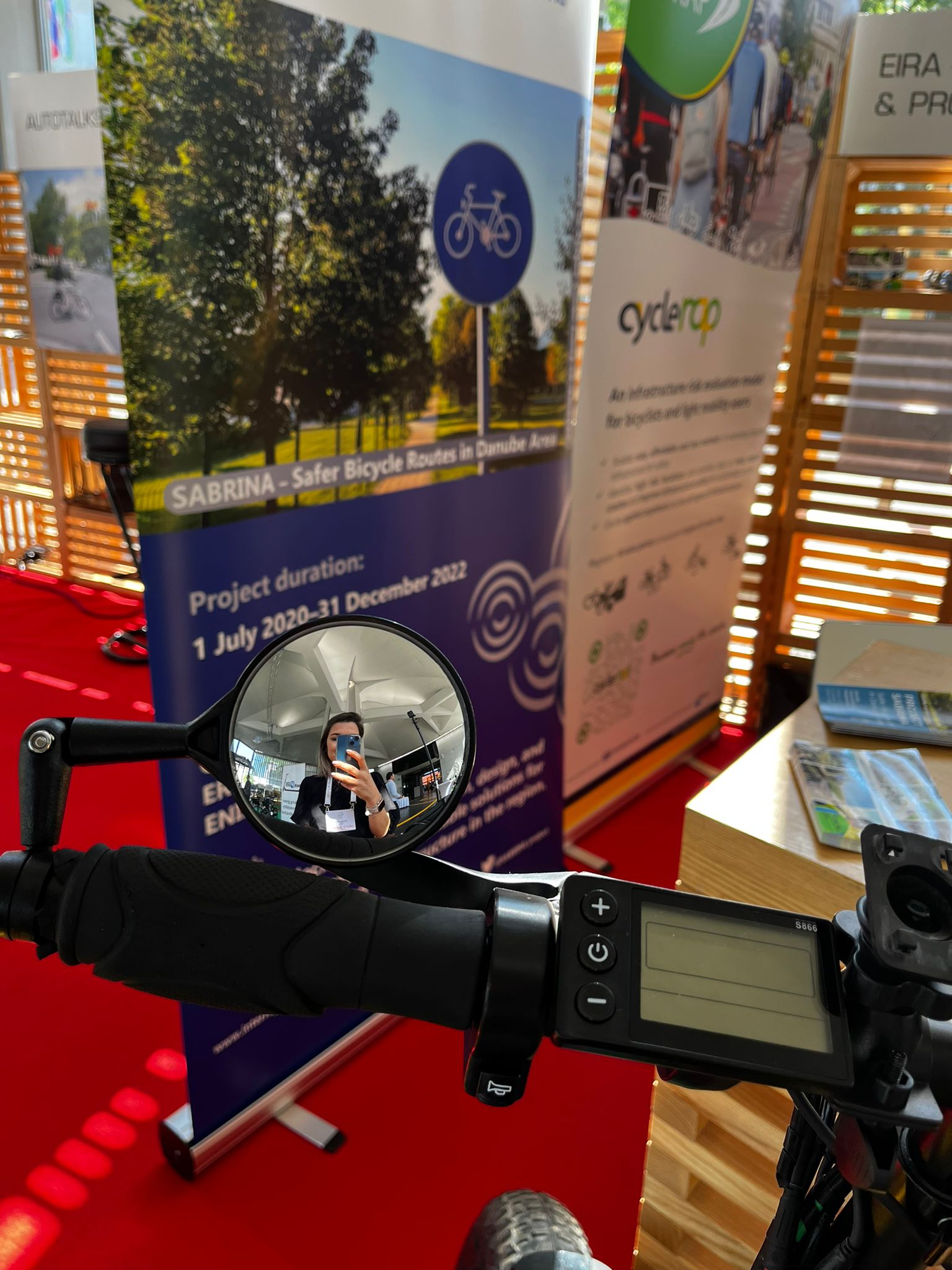
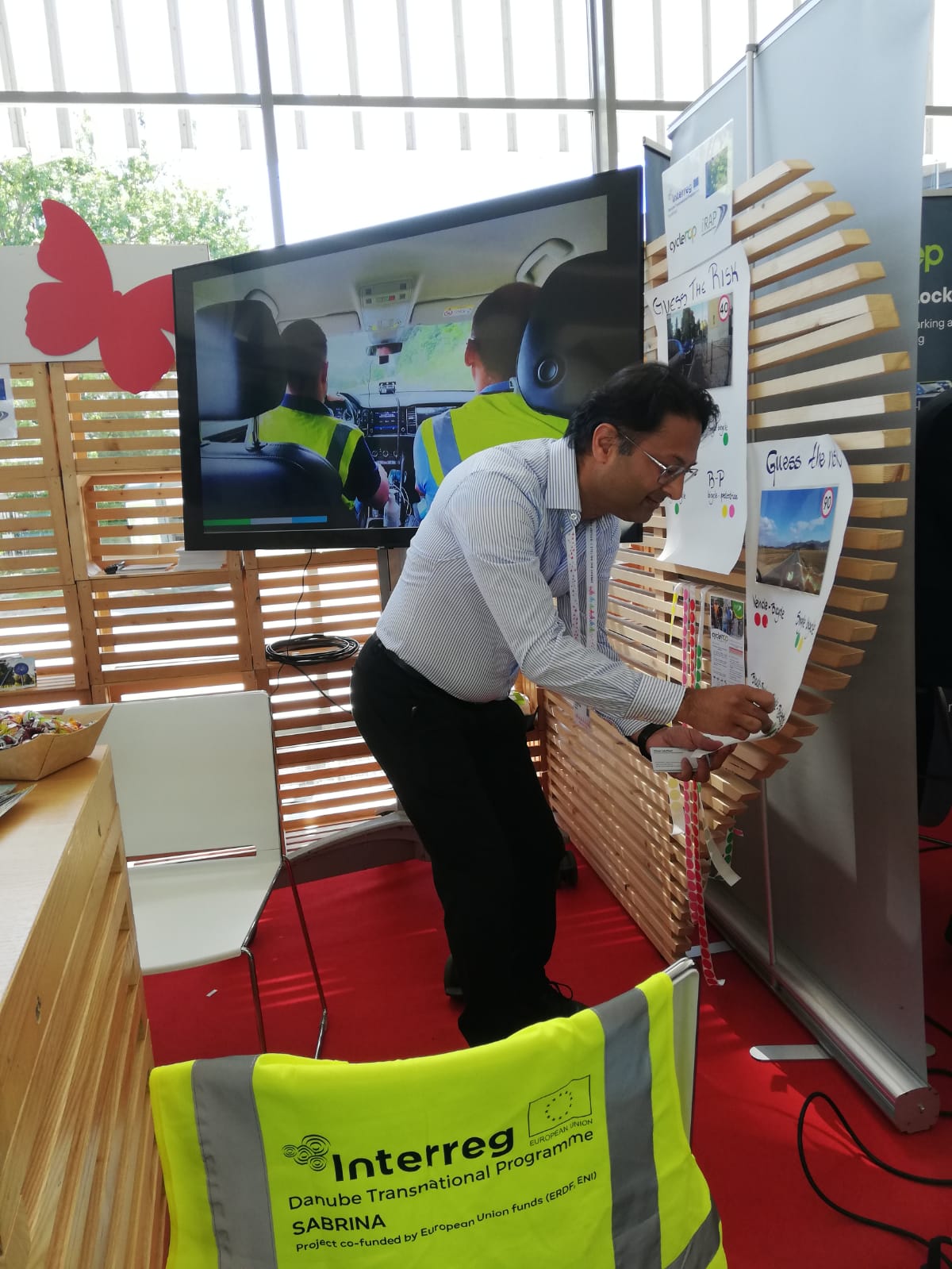
O CycleRAP foi testado em conjunto com outras metodologias de avaliação no âmbito do projeto EIRA-EuroRAP. Projeto SABRINA.
O Projeto SABRINA, desenvolvido no âmbito do Programa Transnacional do Danúbio (Interreg Danúbio) com cofinanciamento de fundos da União Europeia (FEDER, ENI), visa abordar questões de segurança na infraestrutura cicloviária em corredores cicloviários existentes, planejados e inexistentes em 9 países da região do Danúbio. O projeto, com duração de 2,5 anos, está avaliando 2.500 km de rotas cicloviárias de longa distância da EuroVelo, desenvolvendo uma ferramenta para essa avaliação e buscando oportunidades de implementação junto às autoridades rodoviárias.
“O CycleRAP é a mais recente das metodologias de avaliação que estão sendo utilizadas e comparadas no âmbito do projeto SABRINA. O uso do CycleRAP nos permitiu avaliar o risco em partes da rede que são separadas da rede viária”, explica Olivera Rozi, diretora do projeto SABRINA. “Ele também nos proporciona uma melhor compreensão da qualidade da infraestrutura para ciclistas. Pode ser utilizado tanto em rotas de longa distância quanto em áreas urbanas.”
A iRAP está firmando parcerias com líderes do setor para garantir que o modelo CycleRAP possa beneficiar o maior número possível de cidades por meio de ferramentas e plataformas já existentes. Essas parcerias serão anunciadas nos próximos meses.
Para obter mais informações:
- Para saber mais sobre o CycleRAP, visite irap.org/cyclerap
- Registre seu interesse em receber atualizações do CycleRAP. aqui
- Para obter informações sobre como usar o CycleRAP ou se tornar um parceiro do setor, entre em contato com Monica Olyslagers, Gerente Global de Inovação e Especialista em Cidades da iRAP, por e-mail. monica.olyslagers@irap.org