
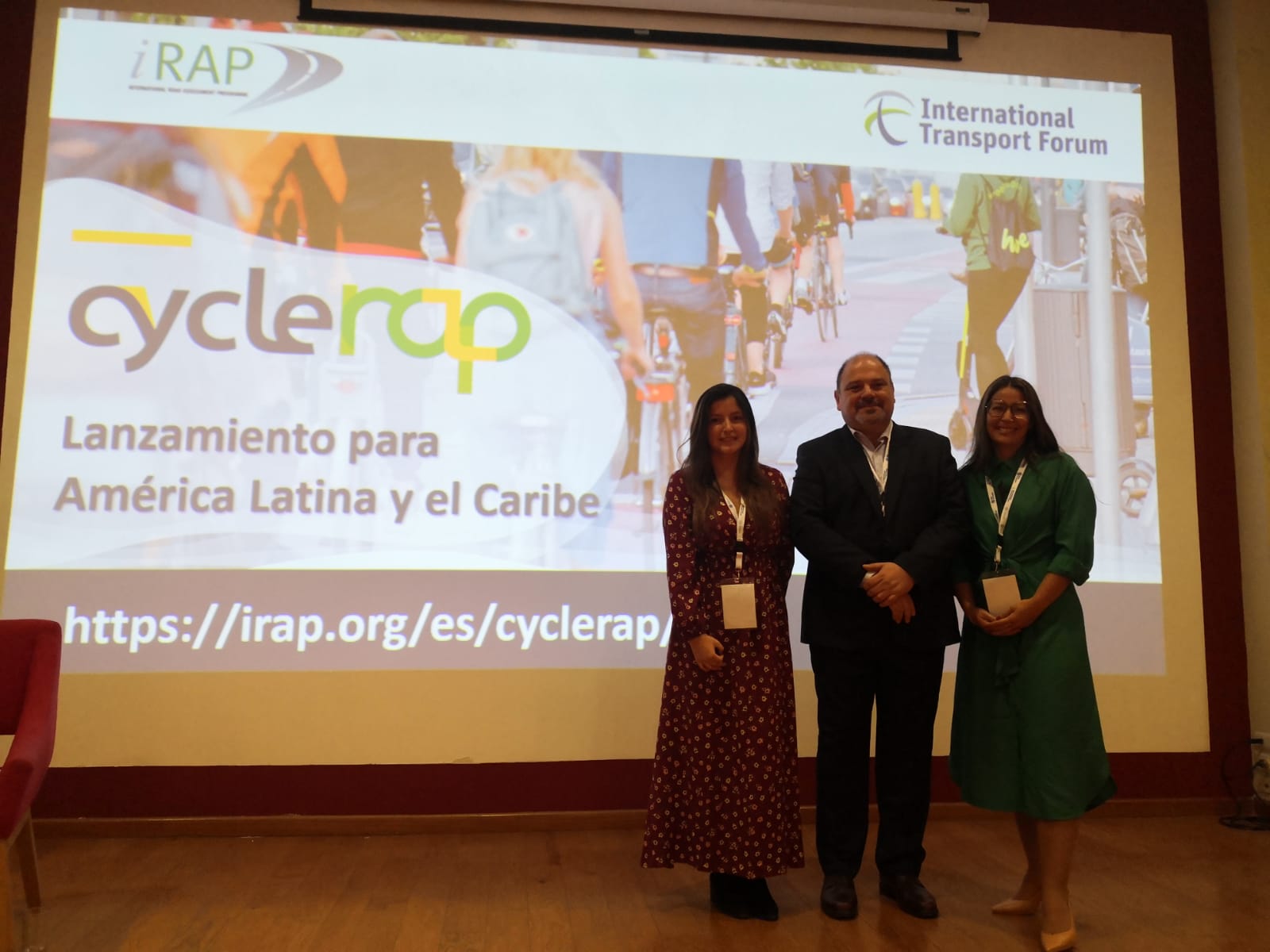
Após o sucesso do seu lançamento global em junho, o CycleRAP foi lançado hoje na América Latina. 7ª Reunião da Rede de Ruas Mais Seguras do Fórum Internacional de Transportes (ITF) Em Guadalajara, México.
O lançamento ocorre após projetos-piloto bem-sucedidos na Europa e quatro anos de pesquisa e desenvolvimento em consulta com especialistas globais em ciclismo e segurança.
O CycleRAP é um modelo globalmente aplicável e baseado em evidências que permite métodos fáceis, acessíveis e rápidos de avaliação da segurança da infraestrutura cicloviária.
Ele foi projetado para avaliar o risco, independentemente do tipo de instalação (em estrada ou fora dela) e para todos os tipos de acidentes envolvendo ciclistas e veículos de mobilidade leve.
O modelo utiliza fatores de iniciação de acidentes, gatilhos de acidentes e determinantes de gravidade para calcular a pontuação de segurança do CycleRAP.
Ao falar sobre o lançamento, Edgar Zamora, Líder Regional da iRAP Safer Journeys para as Américas, disse: “A segurança viária é uma questão crítica que precisa ser abordada na América Latina para garantir que o ciclismo e as opções de mobilidade leve possam continuar a apoiar escolhas de mobilidade novas e mais ecológicas.
“As cidades que visam promover a mobilidade urbana sustentável devem aumentar o número de viagens de bicicleta. No entanto, os ciclistas são usuários vulneráveis das vias, e os acidentes geralmente são subnotificados, embora frequentemente exijam hospitalização dos usuários.’.
“Infraestrutura segura e velocidades seguras são essenciais para incentivar mais pessoas a optarem por meios de transporte mais sustentáveis e para garantir que aqueles que o fizerem possam viajar com segurança e conforto”, disse o Sr. Zamora.
“Infraestruturas seguras e velocidades seguras também são essenciais para que os países alcancem a meta da Década de Ação para a Segurança Rodoviária 2021-2030 de reduzir pela metade o número de mortes e feridos no trânsito”, acrescentou.
O CycleRAP foi concebido para apoiar as autoridades de transporte e outras organizações, como planejadores urbanos, fornecedores de serviços de compartilhamento de bicicletas e micromobilidade, empresas de entrega de comida e de encomendas de bicicleta, e comunidades escolares envolvidas na promoção ou defesa de instalações mais seguras para ciclistas e usuários de outros veículos de mobilidade leve.
Usos específicos incluem:
- Abordar preocupações de segurança explícitas ou gerais para ciclistas e usuários de mobilidade leve.
- Avaliar a capacidade da rede existente para atender ao rápido aumento da demanda ou ao aumento de novos tipos de veículos.
- Priorizar o financiamento e o investimento em infraestrutura para ciclismo e mobilidade leve.
- Auxiliar as cidades na formalização de medidas de resposta rápida para ciclistas no período pós-COVID-19.
O CycleRAP estará disponível para projetos-piloto na região por meio de uma rede de iRAP Fornecedores de confiança.
O lançamento do CycleRAP incluiu apresentações da iRAP, do Grupo PTV e da Secretaria de Mobilidade da Colômbia sobre a importância do ciclismo seguro e da mobilidade leve, modelagem da mobilidade, o modelo CycleRAP e projetos-piloto, e como implementar o CycleRAP em sua cidade.
Para obter mais informações:
- Para saber mais sobre o CycleRAP, visite irap.org/cyclerap
- Para obter mais informações sobre o lançamento global, clique aqui. aqui
- Registre seu interesse em receber atualizações do CycleRAP. aqui
- Para obter informações sobre como usar o CycleRAP ou se tornar um parceiro do setor, entre em contato com Monica Olyslagers, Gerente Global de Inovação e Especialista em Cidades da iRAP, por e-mail. monica.olyslagers@irap.org
TAMBÉM DURANTE O EVENTO
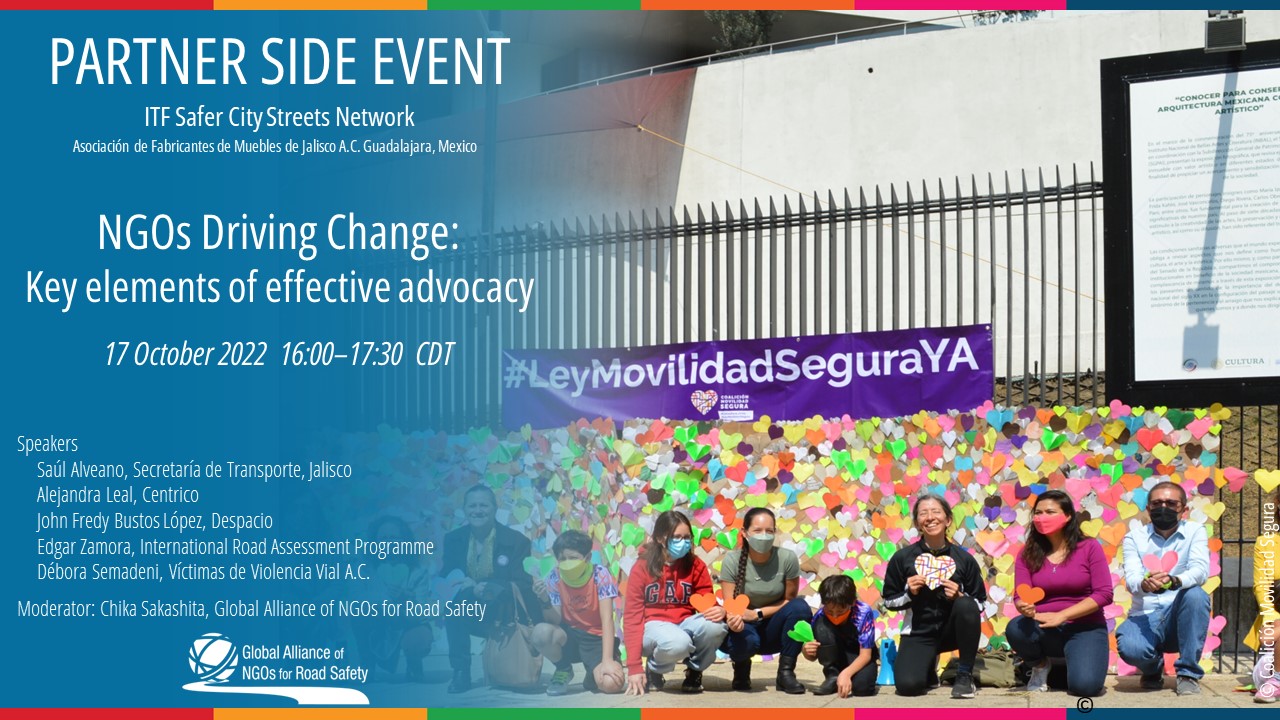
Durante o evento da Rede de Ruas Mais Seguras da ITF, Edgar também fez uma apresentação no Aliança Global de ONGs para a Segurança Rodoviária Evento paralelo em ONGs impulsionando mudanças: elementos-chave para uma defesa eficaz.
As ONGs têm um papel vital na defesa do compromisso dos tomadores de decisão, bem como no financiamento e na implementação de intervenções baseadas em evidências – intervenções, como a iRAP, que comprovadamente reduzem mortes e lesões.
A defesa de direitos por parte das ONGs é uma jornada: desde a defesa de intervenções baseadas em evidências, a obtenção de compromissos dos tomadores de decisão, até a implementação dessas intervenções e o acompanhamento para garantir o cumprimento dos compromissos e a promoção do sucesso.
O evento paralelo incluiu apresentações de ONGs experientes que influenciaram com sucesso a implementação de intervenções que salvaram vidas, bem como os principais elementos que contribuíram para esse sucesso.
Os participantes aprenderam como essas intervenções podem ser replicadas e como ONGs e governos podem trabalhar juntos para colocar em prática intervenções mais baseadas em evidências.
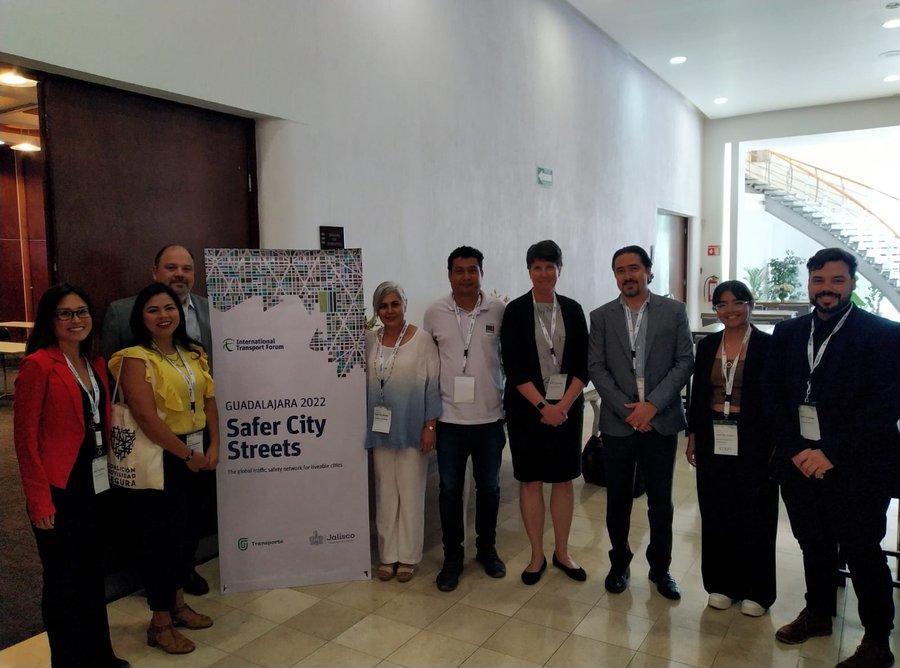
Crédito da imagem: Aliança Global de ONGs para a Segurança Rodoviária
Crédito da imagem do cabeçalho: Secretaria de Mobilidade (Secretaria Distrital de Movilidad)
Baixe o resumo do evento da Rede de Ruas Mais Seguras da ITF.