RAP in Europa
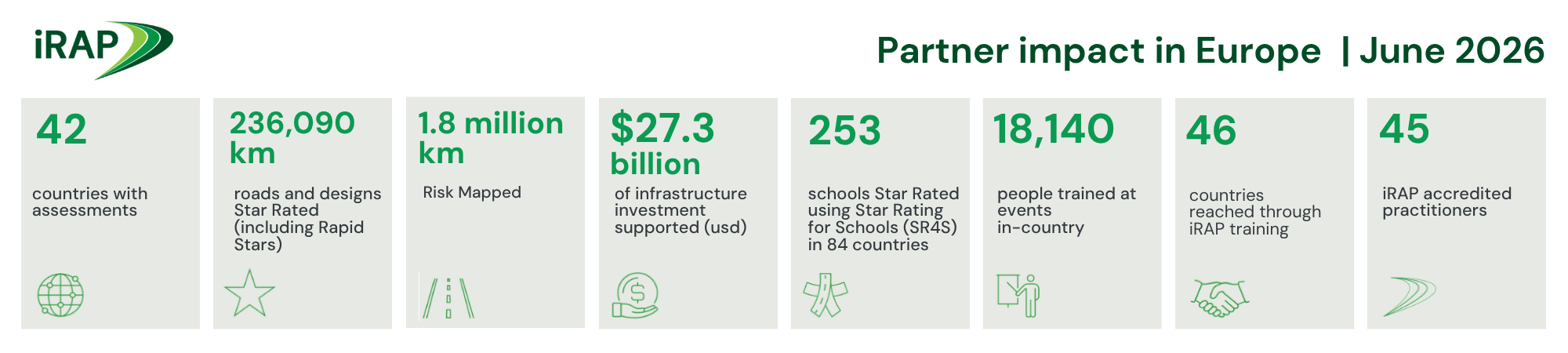
Impact van iRAP-partners in Europa
Het Road Assessment Programme (RAP) is opgericht door de belangrijkste Europese automobielclubs en veiligheidsorganisaties in samenwerking met hun respectievelijke overheden in het Verenigd Koninkrijk, Nederland en Zweden. Sinds 2002 heeft de toepassing van de iRAP-methodologie en -instrumenten bijgedragen aan het elimineren van wegen met een hoog risico in de regio.*
Het behalen van doelstelling 4 in Europa in 2030 zal naar verwachting meer dan 13.072 levens per jaar redden en 26 miljoen doden en ernstig gewonden over een periode van 20 jaar voorkomen, met een economisch voordeel van $104,4 miljard dollar.
Strategische projecten die gegevens en innovatie op het gebied van verkeersveiligheid stimuleren
Grootschalige transnationale projecten hebben bijgedragen aan de verbetering van de veiligheid op het Europese wegennet, samenwerkingsverbanden bevorderd en innovatie gestimuleerd binnen het iRAP-model en de bijbehorende instrumenten, ten behoeve van de regio en de wereld.
 | CycleRAP is een eenvoudige, betaalbare en snelle methode om de veiligheid van weg- en fietsinfrastructuur te beoordelen. Het doel is om het aantal ongevallen te verminderen en de veiligheid te verbeteren, met name voor fietsers en andere gebruikers van lichte mobiliteitshulpmiddelen, door risicovolle locaties te identificeren zonder dat daarvoor ongevalsgegevens nodig zijn. | Klik hier voor meer informatie. |
 | De door de EU gefinancierde ‘Het project 'Predictive Approaches for Safer Urban Environment' (PHOEBE) heeft als doel de verkeersveiligheid van kwetsbare weggebruikers te vergroten, met name diegenen die gebruikmaken van actieve mobiliteit en e-scooters, door de interdisciplinaire kracht van verkeerssimulatie en verkeersveiligheidsbeoordeling te benutten. | Klik hier voor meer informatie. |
 | Het “Europees Living Lab voor het ontwerpen van duurzame stedelijke mobiliteit richting klimaatneutrale steden’ (ELABORATOR) Het project hanteert een holistische aanpak voor het plannen, ontwerpen, implementeren en uitrollen van specifieke innovaties en interventies gericht op veilige, inclusieve en duurzame stedelijke mobiliteit. De interventies zullen in twaalf Europese steden worden gedemonstreerd. | Klik hier voor meer informatie. |
 | IVORY is een netwerk voor industriële promotieonderzoeken dat tot doel heeft een nieuw raamwerk te ontwikkelen voor de optimale integratie van kunstmatige intelligentie (AI) in onderzoek naar verkeersveiligheid. Samen met academische en industriële partners uit de disciplines engineering, datawetenschap en technologie-ethiek, zal het project 13 onderzoekers opleiden in nieuwe, verantwoorde AI-toepassingen voor assistentie aan weggebruikers en beheer van de veiligheid van de infrastructuur. | Klik hier voor meer informatie. |
 | Geïntegreerd en adaptief onderhoud voor veiligere stedelijke en secundaire wegen (CAMBER) Het project heeft als doel de verbetering van de veiligheidsmonitoring op stedelijke en secundaire landelijke wegennetwerken te ontwikkelen en aan te tonen door middel van realtime data ter ondersteuning van wegonderhoudssystemen en de implementatie van kosteneffectieve, bewezen interventies. | Klik hier voor meer informatie. |
 | Het SLAIN-project (Saving Lives Assessing and Improving TEN-T Road Network Safety) van de Europese Commissie heeft de vaardigheden en kennis vergroot van partners die netwerkbrede wegbeoordelingen uitvoeren in Kroatië, Griekenland, Italië en Spanje. | Klik hier voor meer informatie. |
 | Het SABRINA Donau-project pakte veiligheidsproblemen aan op bestaande, geplande en ontbrekende fietsroutes in Oostenrijk, Bulgarije, Kroatië, Tsjechië, Hongarije, Moldavië, Roemenië, Slowakije en Slovenië. | Klik hier voor meer informatie. |
 | Het RADAR-project (Risk Assessment on Danube Area Roads) heeft risico's op het wegennet in kaart gebracht en plannen opgesteld om de veiligheid van de weginfrastructuur systematisch te verbeteren. Dit ondersteunt milieuvriendelijke en veilige transportsystemen die een evenwicht bieden tussen de bereikbaarheid van stedelijke en landelijke gebieden. | Klik hier voor meer informatie. |
 | Het SENSoR-project was 's werelds grootste transnationale project voor de veiligheid van de weginfrastructuur. Medegefinancierd door het Transnationale Samenwerkingsprogramma Zuidoost-Europa (SEE) en voortbouwend op de uitstekende samenwerking tussen automobielclubs, universiteiten en wegbeheerders, beoordeelde het project de veiligheid van 19.315 km aan wegen in 14 Europese landen. | Klik hier voor meer informatie. |
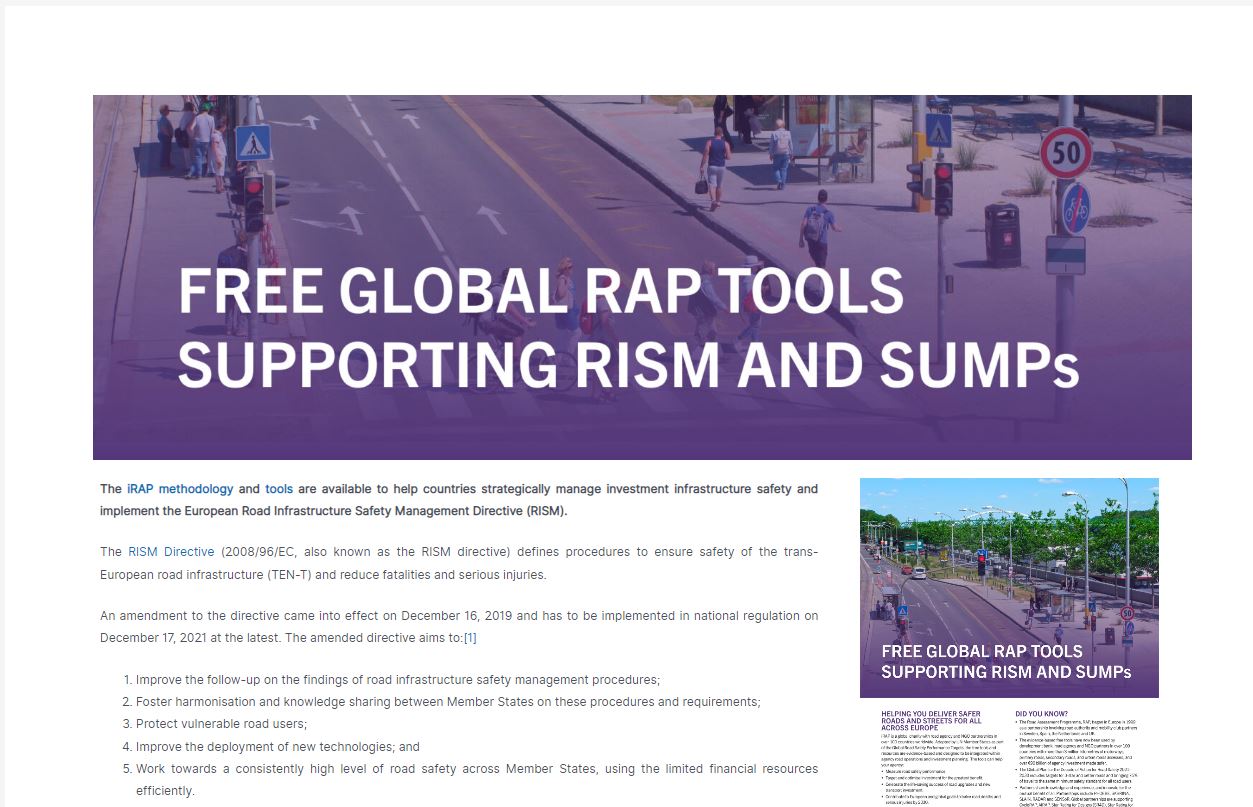 | De gratis RAP-methodologie hulpmiddelen en middelen zijn gebaseerd op bewijsmateriaal en ontworpen om te worden geïntegreerd in de wegwerkzaamheden en investeringsplanning van het agentschap, en ondersteunen de implementatie van de Europese Richtlijn inzake veiligheidsbeheer van de weginfrastructuur (RISM). | Klik hier voor meer informatie. |
Waar wij werken
Beleid in de praktijk brengen
Veel landen geven prioriteit aan de veiligheid van hun weginfrastructuur door in hun beleid veiligheidsdoelstellingen van 3 sterren of hoger vast te leggen, in lijn met de VN-doelstellingen 3 en 4 voor wereldwijde verkeersveiligheid. Een aantal Latijns-Amerikaanse en Caribische landen heeft nationale strategieën en actieplannen voor verkeersveiligheid die doelstellingen van 3 sterren of hoger voor een veilige weginfrastructuur omvatten.
- Kroatië: Nationaal verkeersveiligheidsplan Kroatië 2021-2030: Alle nieuwe en bestaande wegen met een verkeersbelasting van 751.000 ton moeten voldoen aan een 3-sterrenclassificatie voor alle weggebruikers.
- Griekenland: Grieks nationaal plan voor verkeersveiligheid 2021-2030 – 651 TP8T van het TEN-T-netwerk moeten in 2025 minimaal 3 sterren behalen en 801 TP8T in 2030.
- Verenigd Koninkrijk: Strategisch rapport sterrenclassificatie van het nationale snelwegennet 2022 – 961 TP8T (miles per gallon) van het nationale snelwegennet werd in 2020 afgelegd op wegen met een classificatie van 3 sterren of hoger, waarmee de doelstellingen werden overtroffen.
- Verenigd Koninkrijk: Richtlijnen van het Institute of Environmental Management and Assessment (IEMA) – Gebruik iRAP-sterrenclassificaties om de verkeersveiligheidsniveaus voor alle weggebruikers te modelleren voor toepassing in het Safe System.
- Georgië: Nationale verkeersveiligheidsstrategie van Georgië 2022-2025 – De systematische samenstelling van de risicokartering en veiligheidsbeoordeling van wegen, en de proactieve beoordeling en meer traditionele reactieve analyse van gebieden met een hoge concentratie van gevaarlijke situaties (zwarte vlekken), zijn effectieve mechanismen voor het beoordelen van de kwaliteit van de verkeersveiligheid en de daarmee samenhangende investeringen.
- Slovenië: Sloveense nationale strategie voor verkeersveiligheid 2013-2022 – In overeenstemming met de Europese Richtlijn 2008/96/EG moet een systematisch verificatieproces van de veiligheid van de weginfrastructuur worden toegepast. Een van de geschikte instrumenten hiervoor is de implementatie van het RAP (Road Accident Assessment Program).
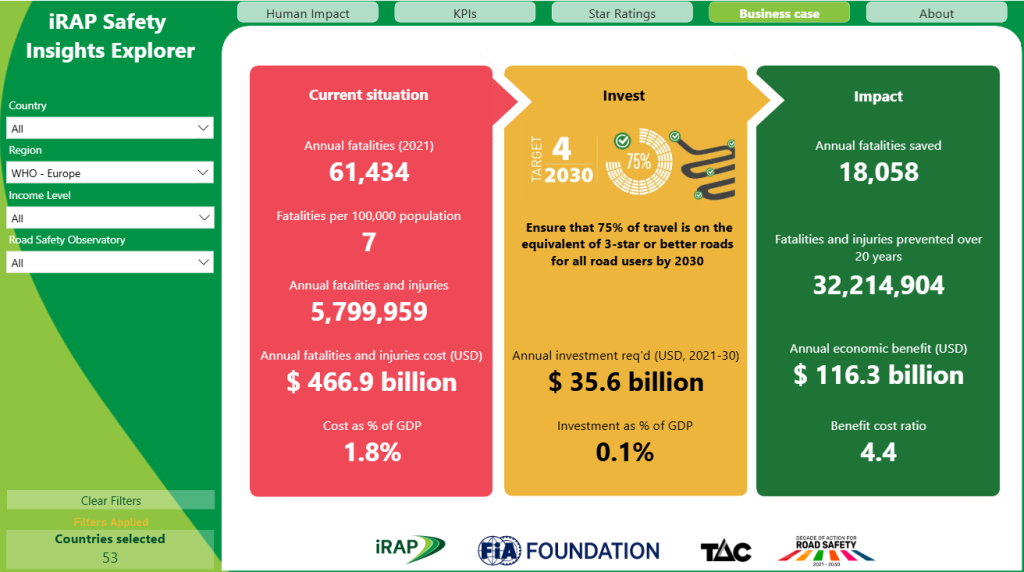
Hoe veilig zijn de Europese wegen en wat zijn de zakelijke argumenten voor veiligere wegen?
De iRAP Safety Insights Explorer werpt licht op de ware omvang van verkeersongevallen, de veiligheid van de wegen wereldwijd en de positieve impact die investeringen kunnen hebben.
Maak kennis met het Europese team.
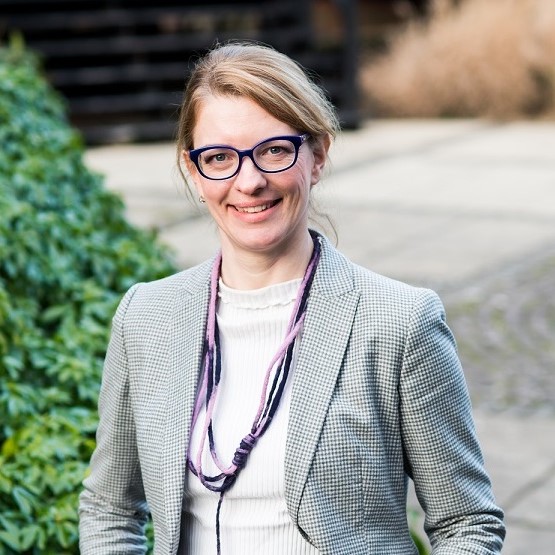
Safer Journeys is de leidraad voor Europa.
Olivera Rozi
Safer Journeys is de leidraad voor Europa.
Olivera Rozi heeft meer dan twintig jaar ervaring met het leiden van Europese initiatieven op het gebied van stedelijke mobiliteit, transport en verkeersveiligheid, in nauwe samenwerking met de Europese Commissie en haar agentschappen.
Al meer dan tien jaar levert ze een actieve bijdrage aan de iRAP-gemeenschap, waarbij ze internationale projecten leidt en ondersteunt die gericht zijn op het verbeteren van de verkeersveiligheid en het bevorderen van duurzaam transport. Haar expertise omvat op bewijs gebaseerde strategieën voor veiligere mobiliteit, en ze werkt samen met partners in heel Europa om het aantal verkeersdoden en ernstige verwondingen te verminderen.
Olivera's inzet voor veiligere infrastructuur en het praktische gebruik van RAP-methodologieën vormen de kern van haar impact en stimuleren de vooruitgang richting betere resultaten op het gebied van mobiliteit en transport. Een ernstig auto-ongeluk op jonge leeftijd heeft haar perspectief gevormd en blijft haar drijfveer voor veiligere wegen.
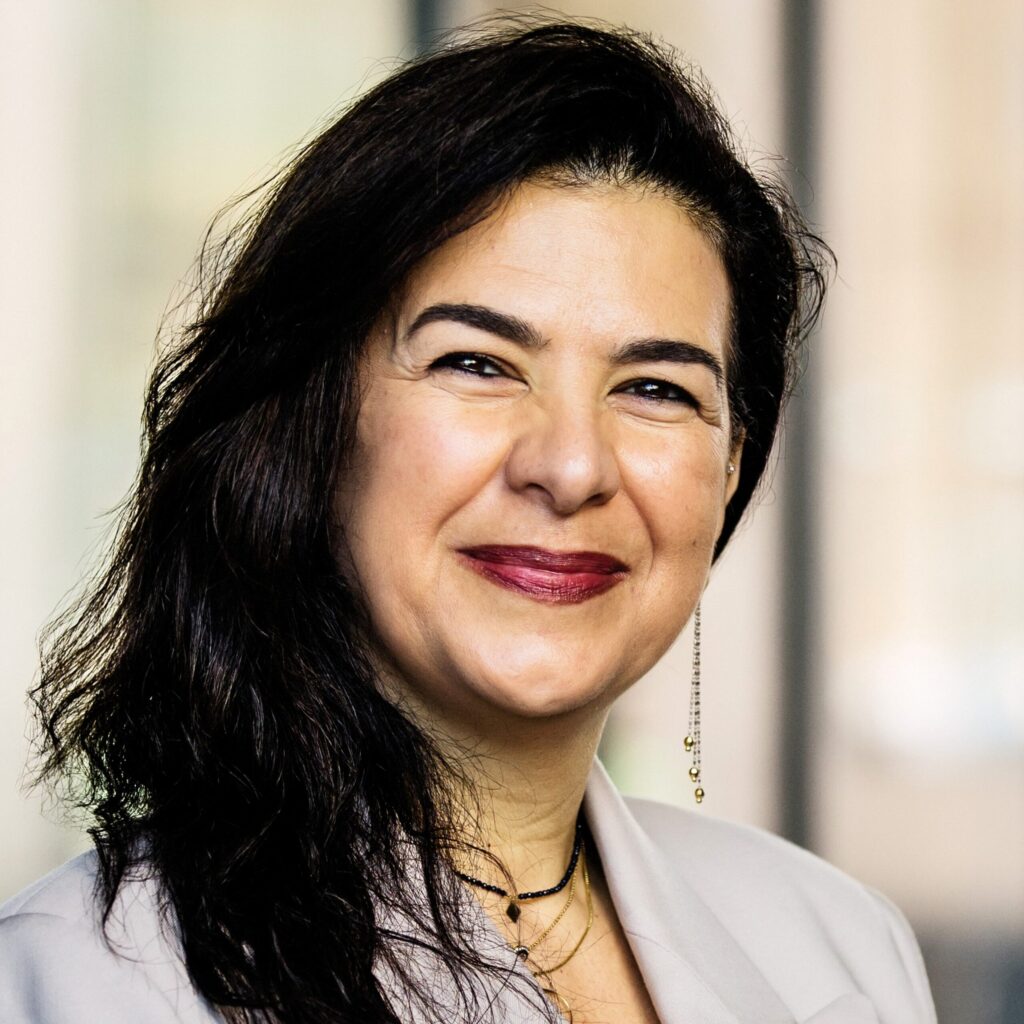
Wereldwijde specialist in veilige reizen
Samar Abouraad
Wereldwijde specialist in veilige reizen
Samar Abouraad is een specialist op het gebied van verkeersveiligheid met 30 jaar ervaring in multisectorale projecten, beleid inzake verkeersveiligheid en stedelijk vervoer, audits, projectmanagement en burgerparticipatie. Ze heeft een master in civiele techniek van de École Nationale des Ponts et Chaussées (Parijs) en een bachelordiploma in civiele techniek van de Saint Joseph University (Libanon).
Momenteel is ze Global Safer Journeys Specialist bij iRAP. Daarvoor was ze twintig jaar lang senior expert bij het Global Road Safety Partnership (GRSP). Haar werk omvatte onder andere verkeersveiligheidsbeleid, masterplannen en analyses in Frankrijk, Tsjaad, Boston en de regio Midden-Oosten en Noord-Afrika. Ze was teamleider van het door de EU gefinancierde Euromed-programma voor verkeersveiligheid ter waarde van 1 miljoen euro. Ze heeft ruime ervaring in capaciteitsopbouw, lesgeven, het verzorgen van trainingen en workshops over het beheer van verkeersveiligheidsprogramma's voor beleidsmakers, ingenieurs en universiteitsstudenten.
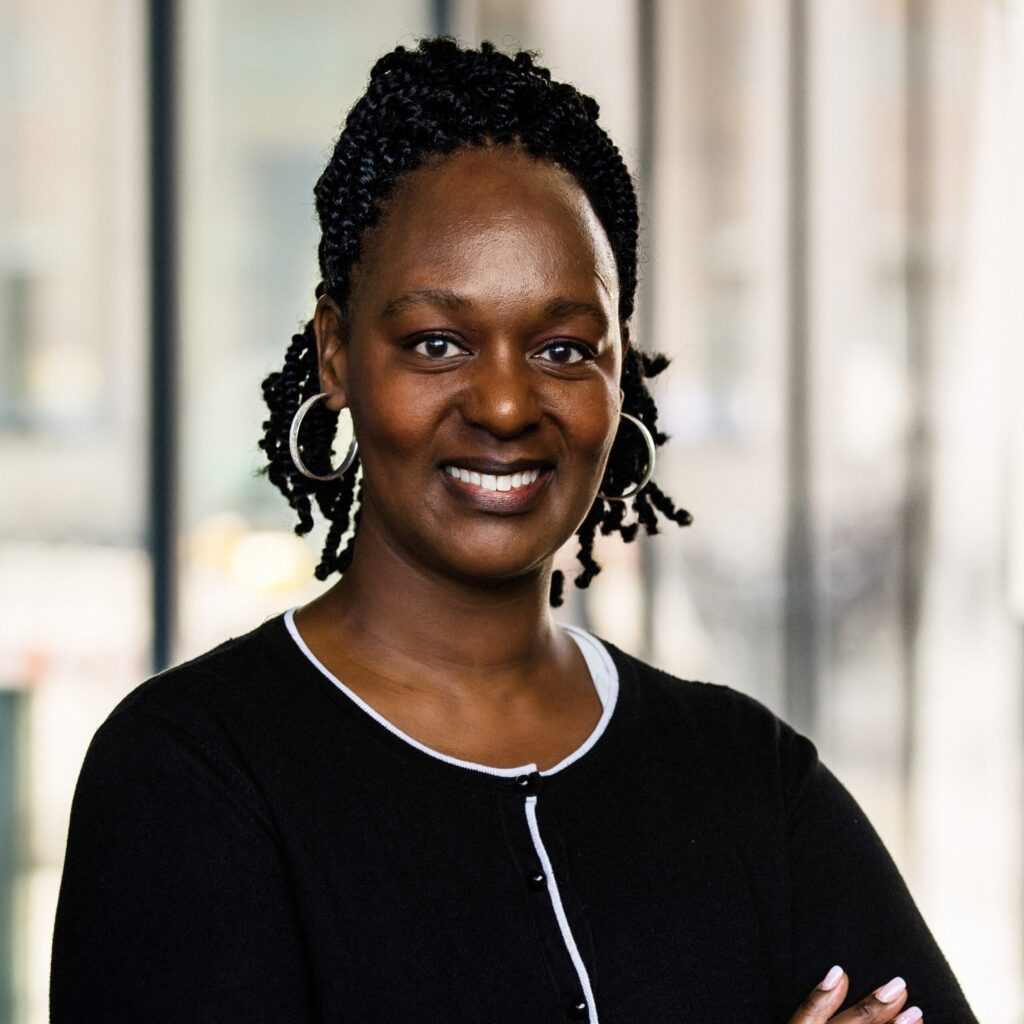
Projectmanagercoördinator in Europa
Racheal Nganwa
Projectmanagercoördinator in Europa
Racheal Nganwa is een civiel ingenieur met meer dan 25 jaar ervaring, gespecialiseerd in wegontwerp, transporttechniek en verkeersveiligheidstechniek. Haar carrière omvat inkoop, contractbeheer, technisch ontwerp, haalbaarheidsstudies, bouwtoezicht en het opstellen van belangrijke projectdocumentatie. Ze heeft uitgebreid samengewerkt met regionale organisaties, wegbeheerders, ontwikkelingsorganisaties en de particuliere sector om veiliger en veerkrachtiger transport te bevorderen.
Racheal heeft leiding gegeven aan initiatieven op het gebied van verkeersveiligheid, beleidsherzieningen en programmabeheer in meerdere landen. Tot haar prestaties behoren onder meer de coördinatie van de CEEQUAL-activiteiten voor de Olympische Spelen van 2012 in Londen, de oprichting van de afdeling Verkeersveiligheid bij de Oegandese wegenautoriteit en de ondersteuning van regionale integratie door middel van grensoverschrijdende transportinitiatieven in zes Oost- en Centraal-Afrikaanse landen.
Haar passie voor verkeersveiligheid vindt zijn oorsprong in haar ingenieursfilosofie: de overtuiging dat goed ontworpen, vergevingsgezinde wegen de uitkomst van ongelukken kunnen beïnvloeden, lang voordat ze plaatsvinden. Dit principe vormt de drijfveer achter haar inzet voor veiligere mobiliteit voor iedereen.
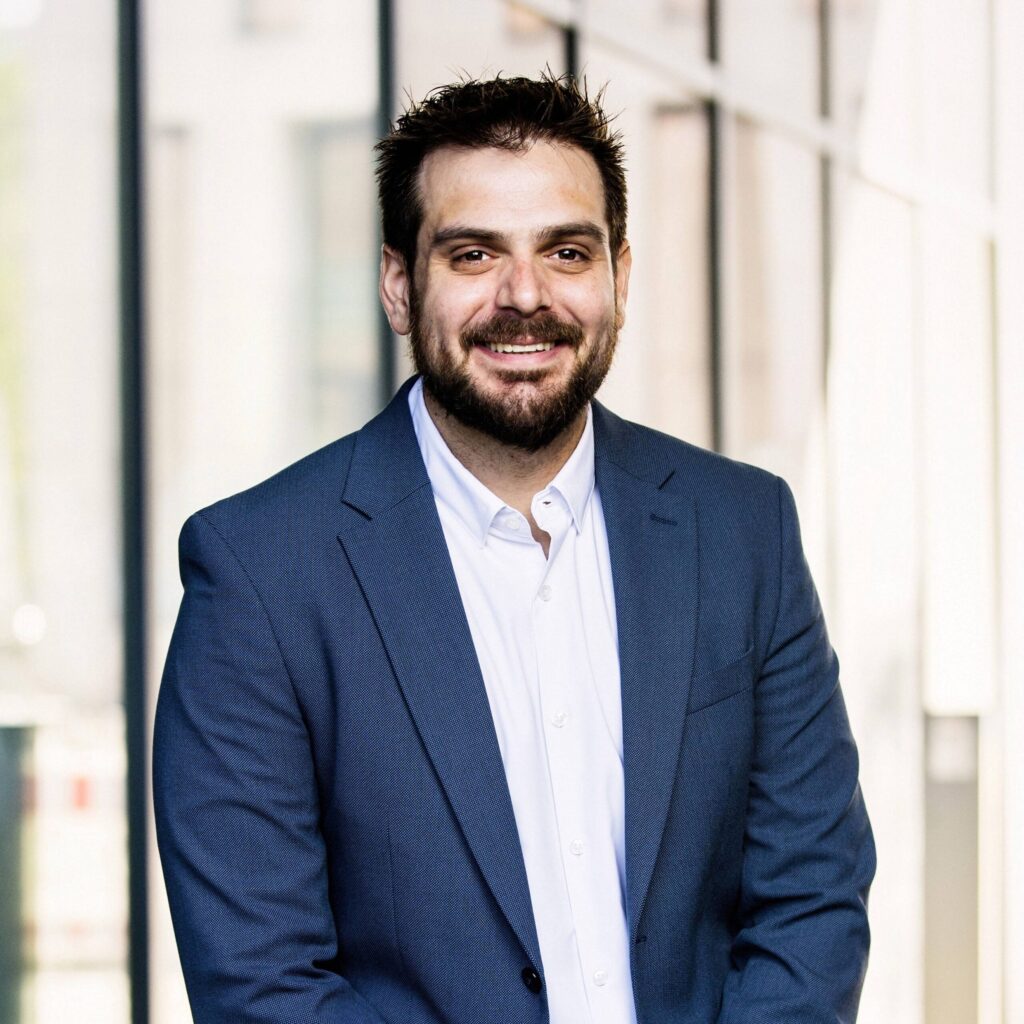
Leidinggevende op het gebied van training en accreditatie
Franco Azzato
Leidinggevende op het gebied van training en accreditatie
Franco Azzato is een industrieel-mechanisch ingenieur met meer dan zeven jaar ervaring in verkeersveiligheid. Hij heeft uitgebreid gewerkt in Latijns-Amerika, waar hij initiatieven ondersteunde gericht op de veiligheid van motorrijders en de verkeersveiligheid van kinderen, voordat hij in 2022 bij iRAP in de sector Veilige Infrastructuur ging werken.
Zijn werk combineert technische kennis met praktische toepassing en helpt overheden en partners om onderzoeksresultaten om te zetten in veiligere wegen en beleid. Franco zet zich in voor het versterken van de lokale capaciteit, omdat hij ervan overtuigd is dat verkeersveiligheid een gedeelde verantwoordelijkheid en een fundamenteel recht is.
Hij streeft er in zijn professionele rol naar om ervoor te zorgen dat minder mensen en gezinnen de onomkeerbare gevolgen van verkeersongevallen ondervinden.

Coördinator Duurzame Mobiliteit
Minh Vo
Coördinator Duurzame Mobiliteit
Minh Vo heeft een master in stedenbouwkunde en beschikt over expertise op het gebied van verkeersveiligheid, duurzame mobiliteit en monitoring en evaluatie. Bij iRAP ondersteunt ze de programma's Star Rating for Schools (SR4S) en CycleRAP, waarbij ze op bewijs gebaseerde infrastructuurbeoordelingen en -verbeteringen bevordert en tegelijkertijd partnerschappen met overheden, ontwikkelingsorganisaties en gemeenschappen wereldwijd versterkt.
Haar achtergrond combineert op unieke wijze technische analyse met maatschappelijke betrokkenheid, met een sterke focus op de ontwikkeling van klimaatbestendige en inclusieve transportsystemen die aansluiten bij het VN-decennium voor duurzaam transport (2026-2035). Minh zet zich vol passie in om data en onderzoek te vertalen naar praktische oplossingen die kwetsbare weggebruikers beschermen, met name kinderen en fietsers.
Als ontvanger van de Australia Awards Scholarships en de Peter Kissinger Memorial Award 2025 belichaamt zij zowel professionele uitmuntendheid als een oprechte toewijding aan het redden van levens door middel van veiligere, duurzamere straten voor iedereen.

Projectmanager financiële ondersteuning, Europees Instituut voor Wegbeoordeling

Directeur en senior expert op het gebied van verkeersveiligheid – EIRA

Projectondersteuningsmedewerker – EIRA
Laatste nieuws uit Europa

Tot ziens bij Autonomy: Changing the way we move in cities
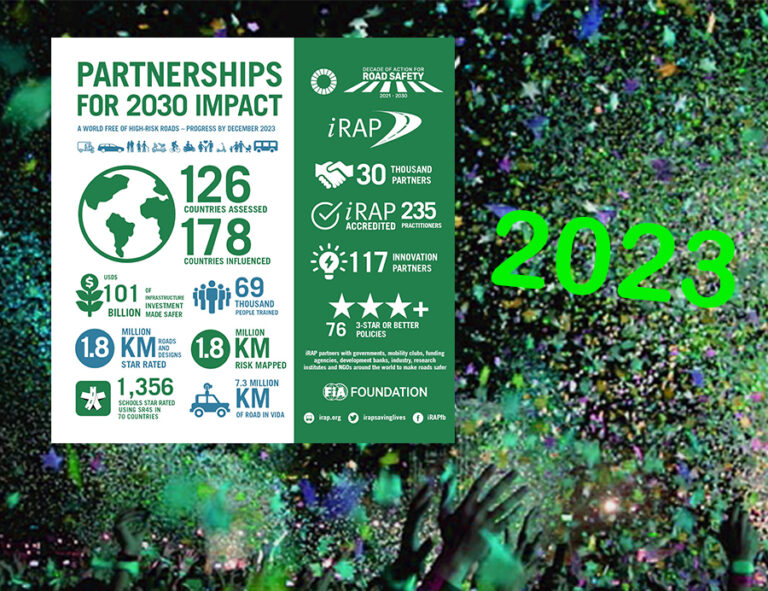
De statistieken van december 2023 delen het succes van de partners.
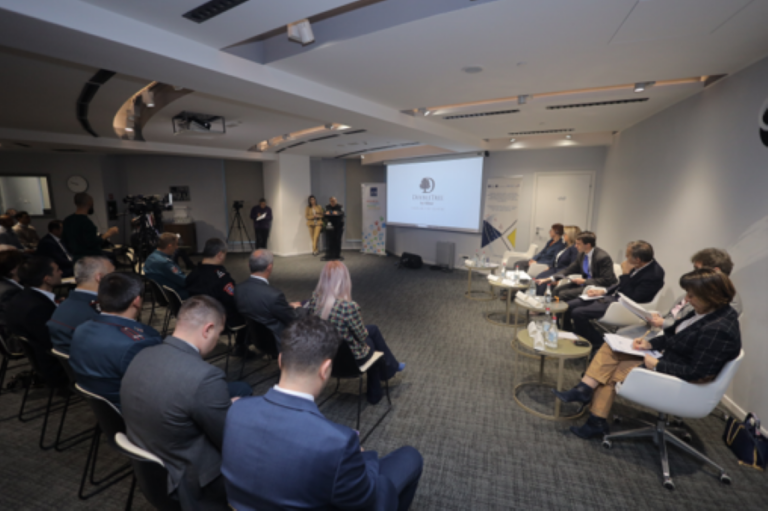
Armeense workshop brengt partners samen om de strategie voor 2027 te bespreken.
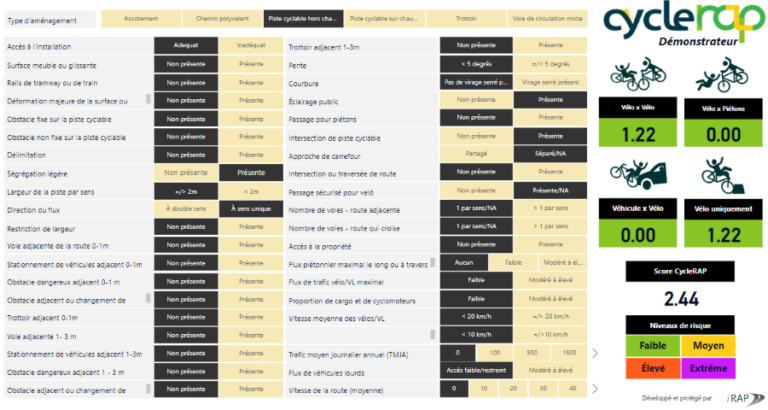
De CycleRAP-demonstratietool is nu beschikbaar in 5 talen.
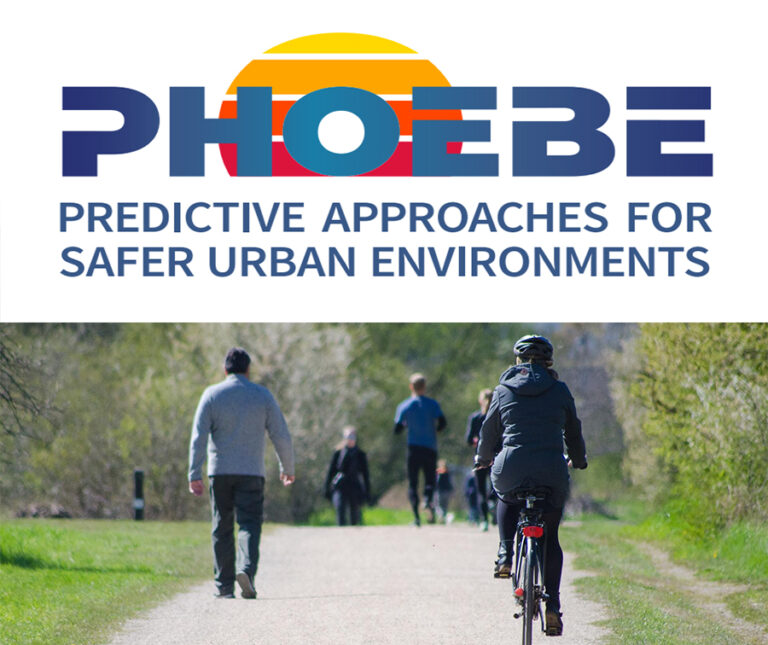
Project PHOEBE: Nieuwsbrief #2 is nu beschikbaar!
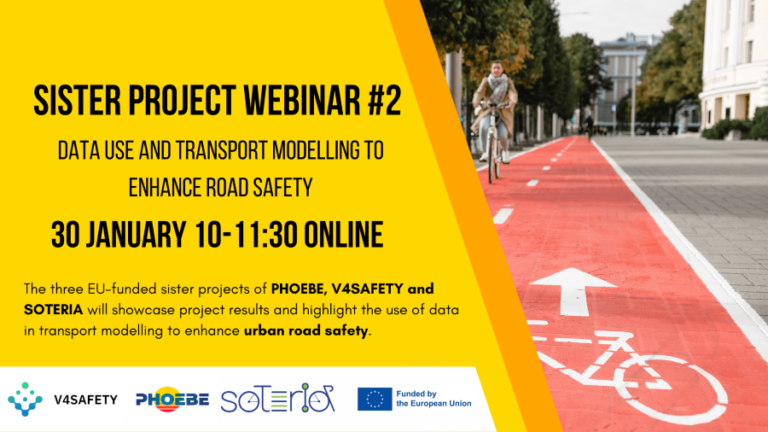
Webinar over PHOEBE, V4SAFETY en SOTERIA voor verbeterde verkeersveiligheid in stedelijke gebieden in Europa.
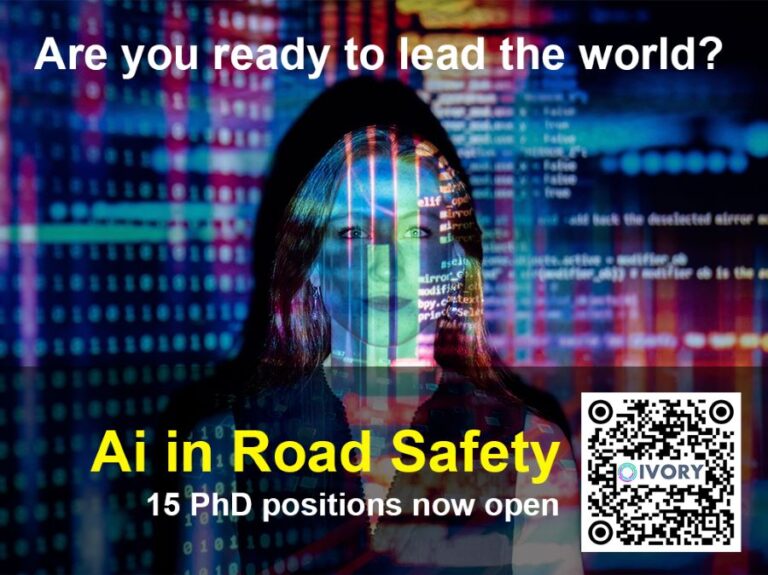
15 PhD-posities beschikbaar voor AI in verkeersveiligheid: IVORY