RAP en África
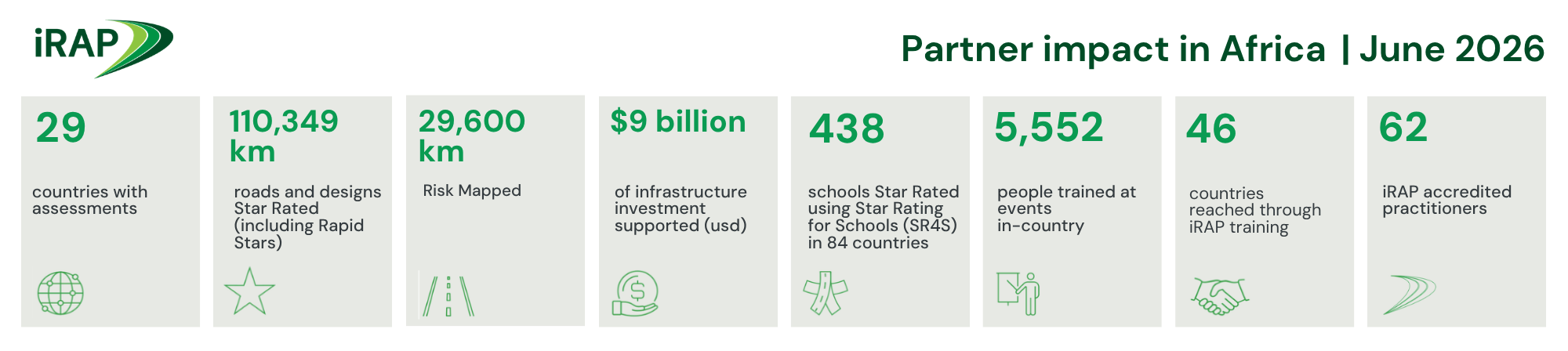
Impacto de los socios de iRAP en África
iRAP colabora con socios locales para ayudar no solo a salvar vidas en las carreteras africanas, sino también a promover formas de movilidad saludables y sostenibles, como caminar y andar en bicicleta, incluso mediante el uso de Star Rating for Schools y Star Rating for Designs para lograr viajes escolares más seguros y diseños de carreteras más eficaces.
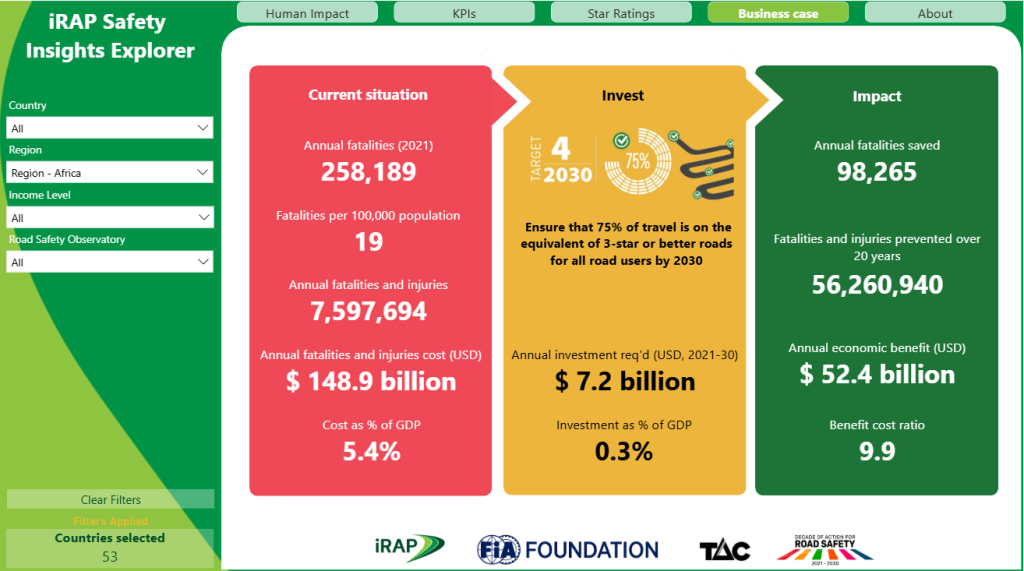
Lograr el Objetivo 4 para 2030 en África podría salvar más de 98.000 vidas al año y 56 millones de muertes y lesiones graves en 20 años, con un beneficio económico de 1.000 millones de dólares estadounidenses.
Proyectos estratégicos que impulsan la seguridad vial, la innovación y el desarrollo
Presentación de una selección de los principales proyectos que se han llevado a cabo o que siguen activos en África a lo largo del tiempo. Proyectos liderados por diversos socios en África.
 | 2025 – El Cuerpo Federal de Seguridad Vial (FRSC) y iRAP firmaron un acuerdo de licencia para lanzar oficialmente NigeriaRAP, el primer programa nacional de evaluación de carreteras del país. La siguiente fase consistirá en que la FRSC y el equipo de Kwapda's Road Safety Demand (KRSD) establezcan un Comité Directivo de NigeriaRAP, amplíen SR4S basándose en seis escuelas ya evaluadas e inicien la formación en Ingeniería de Carreteras Más Seguras (SRE) y SR4S antes de comenzar las actividades sobre el terreno. | Haz clic aquí para obtener más información. |
 | 2025 – iRAP, la Agencia Nacional de Seguridad Vial (ANASER y el Comité Directivo del Proyecto Diez Pasos Senegal anunciaron el lanzamiento de SnRAP en Dakar, el Programa de Evaluación de Carreteras de Senegal para eliminar las carreteras de alto riesgo. | Haz clic aquí para obtener más información. |
 | 2023 – JFinanciado en su totalidad por el Fondo de las Naciones Unidas para la Seguridad Vial (UNRSF) y el Ministerio de Asuntos Exteriores, de la Commonwealth y de Desarrollo (Ayuda del Reino Unido), a través del Mecanismo Mundial de Seguridad Vial (GRSF) del Banco Mundial. El proyecto piloto del Plan de Diez Pasos de Tanzania, con una duración de 30 meses, ha desarrollado una capacidad institucional sostenible para lograr carreteras más seguras, así como un impacto positivo y alianzas para salvar vidas y reducir las lesiones graves resultantes de los accidentes de tráfico. | Haz clic aquí para obtener más información. |
 | 2022- TanRAP, el Programa de evaluación de carreteras de Tanzania, Se puso en marcha en Dar es Salaam para eliminar las carreteras de alto riesgo y reducir la cifra de más de 16.000 personas que mueren anualmente en las carreteras del país. | Haz clic aquí para obtener más información. |
 | En 2024, el programa SARAP evaluó 42.751 km de carreteras y sus diseños, así como 81 escuelas. | Haz clic aquí para obtener más información. |
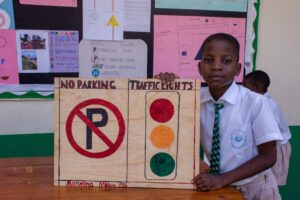 | 2024 – En el marco del Programa de Subvenciones para la Seguridad Vial de la FIA, el Federación de Deportes de Motor (FMU), junto con sus socios (incluido el FIA), han comenzado a implementar un Evaluación de zonas escolares seguras Programa de seguridad vial para combatir estos desafíos de seguridad vial en el distrito de Wakiso, en el área metropolitana de Kampala, Uganda. El programa, que utiliza la herramienta Star Rating for Schools (SR4S), tiene como objetivo lograr rutas más seguras hacia las escuelas mediante un enfoque integral que incluye la evaluación de la infraestructura escolar, la enseñanza de habilidades de accesibilidad vial y cruce peatonal a los niños, y la educación sobre seguridad para los usuarios de vehículos de dos ruedas (Boda-bodas). | Haz clic aquí para obtener más información. |
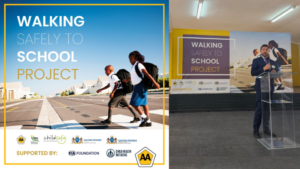 | 2024 – El Asociación Automovilística (AA) y ChildSafe Sudáfrica, apoyado por el FIA Foundation y su Iniciativa de Salud Infantil (CHI), ha dado un paso importante hacia la mejora de la seguridad vial en Mamelodi, Tshwane, mediante el lanzamiento del Proyecto WATCH para mejorar la seguridad vial en torno a diez escuelas. El proyecto "Caminando con Seguridad a la Escuela" (WATCH, por sus siglas en inglés) se implementará desde abril de 2024 hasta marzo de 2026 y tiene como objetivo mejorar la infraestructura vial y promover la seguridad vial en los alrededores de las escuelas mediante modificaciones en las señales, las marcas viales, los reductores de velocidad, los pasos de peatones elevados y las aceras alrededor de las zonas escolares. Con el apoyo de Star Rating for Schools (SR4S), ChildSafe llevará a cabo evaluaciones con calificación por estrellas de las modificaciones de la infraestructura y proporcionará educación sobre seguridad vial. | Haz clic aquí para obtener más información. |
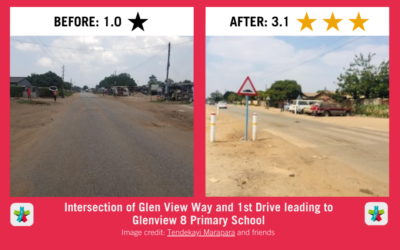 | 2024 – El 2022 Coalición Mundial de Jóvenes por la Seguridad Vial El ganador de Acciones Locales, el defensor de la juventud de Zimbabue, Tendekayi Marapara, y sus compañeros iniciaron la “Zonas escolares más seguras en Zimbabue”Proyecto dirigido a la escuela primaria Glen View 8 en Harare, Zimbabue. Los objetivos del proyecto, que incluyen: abogar por la reducción de los límites de velocidad en las zonas escolares; formar coaliciones de seguridad vial con participación juvenil; y garantizar la mejora de la infraestructura vial para escuelas como la escuela primaria Glen View 8 utilizando los resultados de la evaluación SR4S, representan avances cruciales para fomentar entornos más seguros para los niños que se desplazan a la escuela. | Haz clic aquí para obtener más información. |
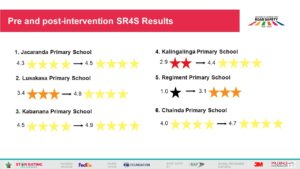 | 2023 – El Programa de las Naciones Unidas para el Desarrollo (PNUD), el Ministerio de Gobierno Local y Desarrollo Rural, y el Fondo de las Naciones Unidas para la Seguridad Vial Unieron fuerzas para abordar los desafíos de seguridad vial en los alrededores de las escuelas de Lusaka. Su enfoque se centra en la mejora de la infraestructura en zonas de alto riesgo, utilizando la aplicación Star Rating for Schools (SR4S) para evaluar y cuantificar los riesgos a los que se enfrentan los niños. Se seleccionaron seis escuelas en zonas densamente pobladas de Lusaka para la fase inicial. El proyecto implementó diversas medidas para mejorar la seguridad, entre ellas: cruces peatonales seguros, medidas para reducir la velocidad y campañas de concientización, lo que resultó en un aumento significativo en la calificación de cada escuela. | Haz clic aquí para obtener más información. |
Dónde trabajamos
Políticas puestas en práctica
Muchos países están priorizando la seguridad de su infraestructura vial mediante la incorporación de objetivos de seguridad de 3 estrellas o superiores en sus políticas, en consonancia con los Objetivos de Desempeño 3 y 4 de la ONU en materia de seguridad vial a nivel mundial. Varios países europeos cuentan con Estrategias y Planes de Acción Nacionales de Seguridad Vial que incluyen objetivos de 3 estrellas o superiores para una infraestructura vial segura.
- Eswatini: 2023-2030 Estrategia Nacional de Seguridad Vial – Se realizará un estudio de iRAP en las principales carreteras rurales y urbanas, la red de autopistas y >75% de viajes en carreteras principales para lograr una calificación de seguridad de 3 estrellas o superior para 2030.
- Gambia: Estrategia de seguridad vial de Gambia 2020-2030 – La red nacional de carreteras deberá alcanzar un estándar de rendimiento de 3 estrellas o superior.
- Kenia: Plan Nacional de Acción para la Seguridad Vial de Kenia 2024-2028 – Se realizarán evaluaciones iRAP de carreteras pavimentadas de clase A, B y C, y de las principales redes viales urbanas de Nairobi, Mombasa, Kisumu, Eldoret y Nakuru, para identificar tramos de carretera de alto riesgo. Se elaborarán planes de inversión para la seguridad vial que prioricen las mejoras de seguridad basadas en evidencia y el fortalecimiento de la capacidad nacional, incluyendo un enfoque en la metodología y las herramientas iRAP.
- Limpopo, Sudáfrica: Especificar un objetivo de calificación por estrellas para todos los diseños para cada usuario de la carretera; Realizar evaluaciones iRAP con expertos acreditados para garantizar un mínimo de tres estrellas o más para todos los usuarios de la carretera; Priorizar la implementación de las 10 principales contramedidas identificadas en el proceso de calificación por estrellas iRAP.
- Malaui: Estrategia Nacional de Seguridad Vial de Malawi 2022-2030 – Se realizará una auditoría de seguridad vial en todas las carreteras nuevas, que incluirá la calificación de iRAP estrellas. Se deberá alcanzar un mínimo de 3 estrellas para todos los usuarios de la vía.
- Tanzania: Plan Nacional de Seguridad Vial de Tanzania 2024/5−2026/7 – Se utilizará la metodología iRAP y se integrarán directrices mejoradas para el diseño de carreteras y sistemas de inspección vial con la certificación iRAP.
- Uganda: Plan de Acción Nacional de Uganda 2021-2026 – Implementar auditorías obligatorias de seguridad vial desde el estudio de viabilidad hasta el diseño detallado y durante la construcción, utilizando expertos independientes y acreditados para garantizar un estándar mínimo de calificación de 3 estrellas o superior para todos los usuarios de la vía. El Certificado de Conformidad con la Seguridad Vial debe ser obligatorio para todos los diseños de carreteras.
- Uganda: Guía para el establecimiento de zonas escolares seguras – Los pasos para diseñar nuevas zonas escolares y mejorar las existentes incluyen evaluaciones que utilizan métodos como iRAP y Star Rating for Schools.
- UNECA/ África: Orientaciones estratégicas para el período posterior al Decenio de Acción 2011-2020 y el Plan Africano de Seguridad Vial 2021-2030 – Evaluación obligatoria de riesgos de la infraestructura vial mediante expertos independientes y acreditados para garantizar un estándar mínimo de tres estrellas o superior para todos los usuarios de la vía; especificar un objetivo de calificación por estrellas para los diseños.
¿Qué tan seguras son las carreteras de África y qué ventajas económicas ofrece la mejora de la seguridad vial?
El informe iRAP Safety Insights Explorer arroja luz sobre la verdadera magnitud de los accidentes de tráfico, la seguridad de las carreteras del mundo y el impacto positivo que se puede lograr con la inversión.
Conozca al equipo de África

Viajes más seguros (África)
Nathalie Chiavassa
Viajes más seguros (África)
Nathalie Chiavassa es una experta en seguridad vial y auditora certificada en seguridad vial con más de 20 años de experiencia en África subsahariana y el Caribe. Ha contribuido como experta y líder de equipo a numerosos programas de capacitación y ha desempeñado un papel fundamental en el avance de las Dos Décadas de Acción para la Seguridad Vial, brindando asistencia técnica, revisiones de políticas y estrategias, y fortalecimiento de capacidades en más de 15 países africanos.
Su trayectoria profesional incluye el apoyo a importantes proyectos de rehabilitación y modernización de carreteras en toda África. Su experiencia abarca la ingeniería de seguridad vial, las evaluaciones in situ, el desarrollo de manuales técnicos y el asesoramiento a organismos, instituciones y organizaciones de la sociedad civil relacionadas con la seguridad vial.
Desde marzo de 2023, ejerce como responsable de la iniciativa "Carreteras más seguras en África" en el marco del programa International Road Assessment Programme (iRAP), donde está comprometida con el fortalecimiento de los esfuerzos para salvar vidas en todo el continente.

Responsable de formación y acreditación
Franco Azzato
Responsable de formación y acreditación
Franco Azzato es ingeniero mecánico industrial con más de siete años de experiencia en seguridad vial. Ha trabajado extensamente en Latinoamérica, apoyando iniciativas centradas en la seguridad de las motocicletas y la seguridad vial infantil, antes de incorporarse al campo de la infraestructura segura con iRAP en 2022.
Su trabajo combina el conocimiento técnico con la implementación práctica, ayudando a gobiernos y socios a traducir la evidencia en políticas y carreteras más seguras. Franco está comprometido con el fortalecimiento de la capacidad local, convencido de que la seguridad vial debe abordarse como una responsabilidad compartida y un derecho fundamental.
A través de su labor profesional, pretende contribuir a que menos personas y familias sufran las consecuencias irreversibles de los accidentes de tráfico.

Coordinador de Movilidad Sostenible
Minh Vo
Coordinador de Movilidad Sostenible
Minh Vo es máster en Planificación Urbana y cuenta con amplia experiencia en seguridad vial, movilidad sostenible y seguimiento y evaluación. En iRAP, apoya los programas Star Rating for Schools (SR4S) y CycleRAP, impulsando evaluaciones y mejoras de infraestructura basadas en evidencia y fortaleciendo las alianzas con gobiernos, agencias de desarrollo y comunidades de todo el mundo.
Su trayectoria combina de forma singular el análisis técnico con la participación comunitaria, centrándose especialmente en el desarrollo de sistemas de transporte inclusivos y resilientes al clima, en consonancia con el Decenio de las Naciones Unidas del Transporte Sostenible (2026-2035). Minh siente pasión por transformar los datos y la investigación en soluciones prácticas que protejan a los usuarios vulnerables de la vía pública, en particular a los niños y ciclistas.
Como ganadora de las becas Australia Awards y del premio Peter Kissinger Memorial Award 2025, encarna tanto la excelencia profesional como un compromiso genuino para salvar vidas a través de calles más seguras y sostenibles para todos.
Últimas noticias de África
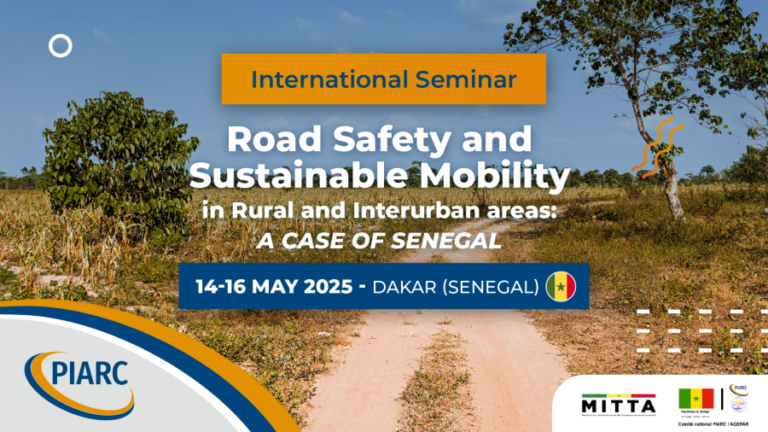
El seminario de PIARC arroja luz sobre la seguridad vial rural e interurbana en Senegal.

Familiares y amigos honran la memoria de Jill Stevens a través de la recaudación de fondos y el desafío de aventura TanRAP.

Reconocemos a ChinaRAP y nuestra alianza de 17 años con RIOH.
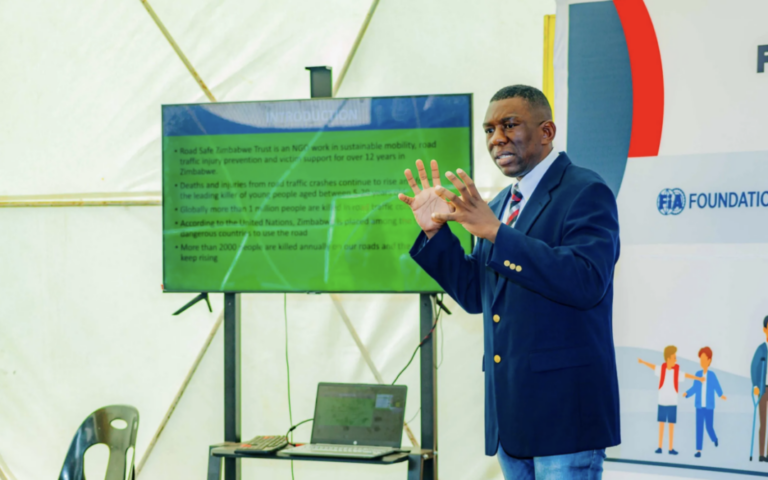
La reunión de lanzamiento de las auditorías de seguridad vial en Zimbabue destaca las iniciativas de movilidad sostenible.
El informe del SSATP señala el Sistema Seguro como la solución para abordar la crisis de seguridad vial en África.
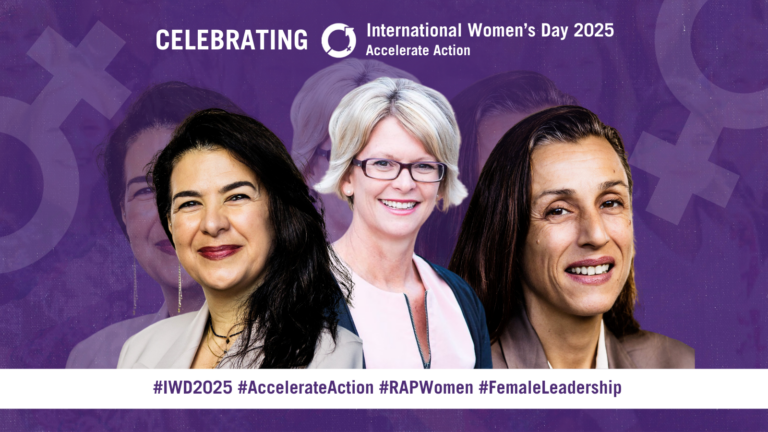
Día Internacional de la Mujer: Empoderando a las mujeres a través de la seguridad vial.
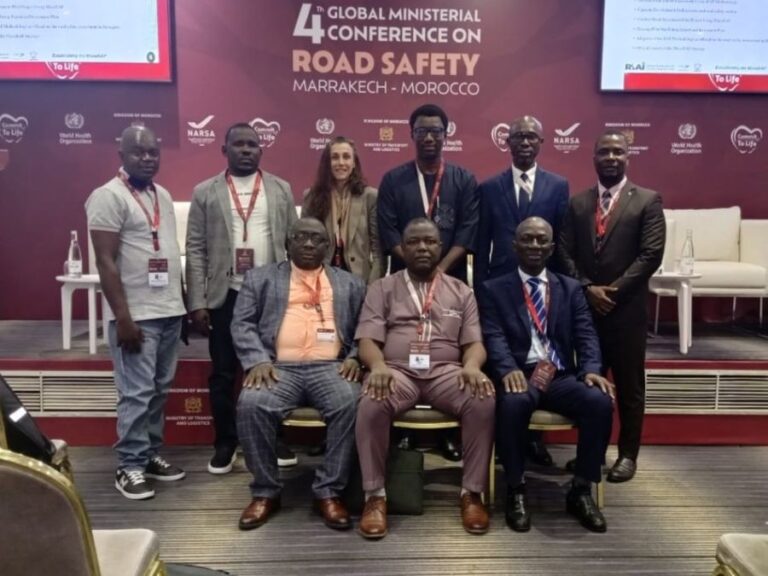
La delegación de la Unión del Río Mano respalda el programa ManoRAP para lograr carreteras más seguras en la región.