
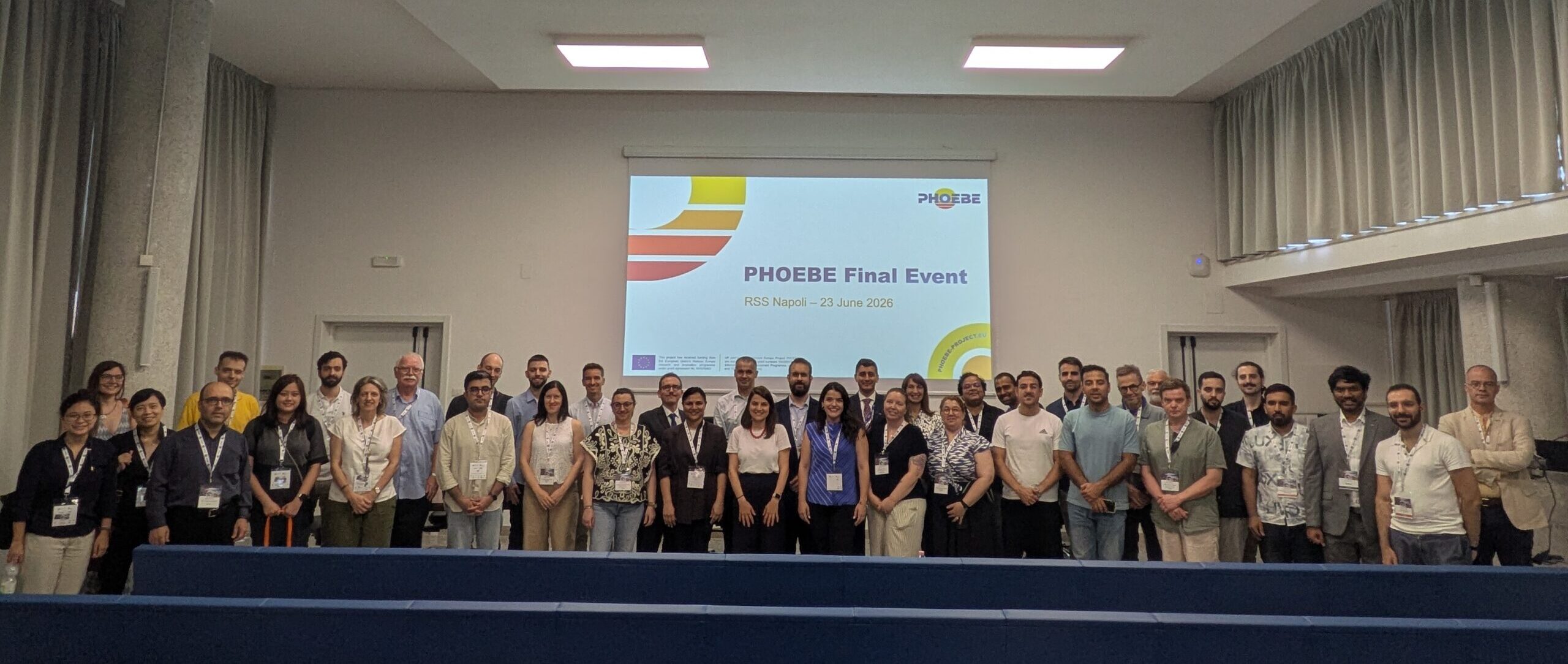
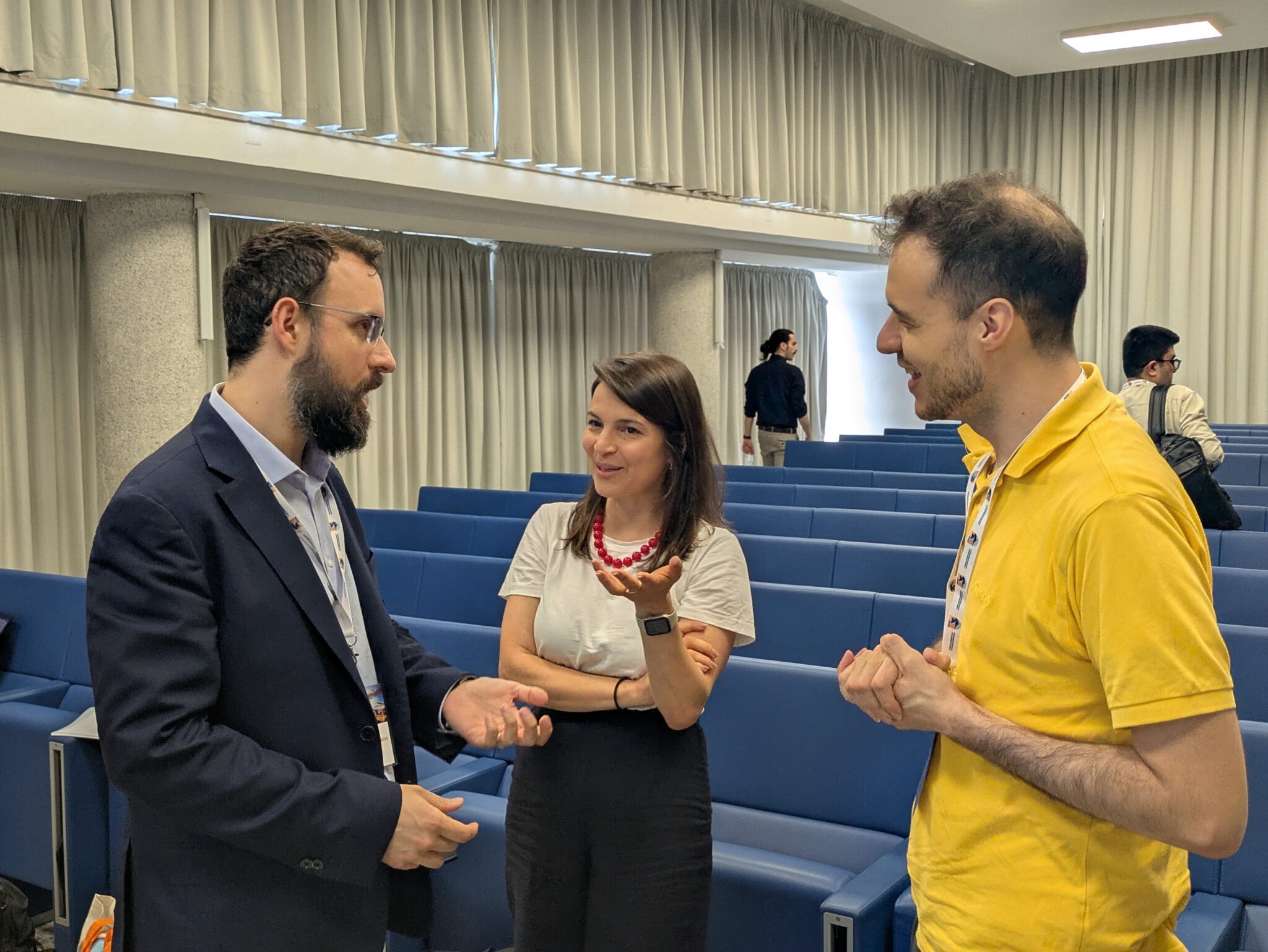
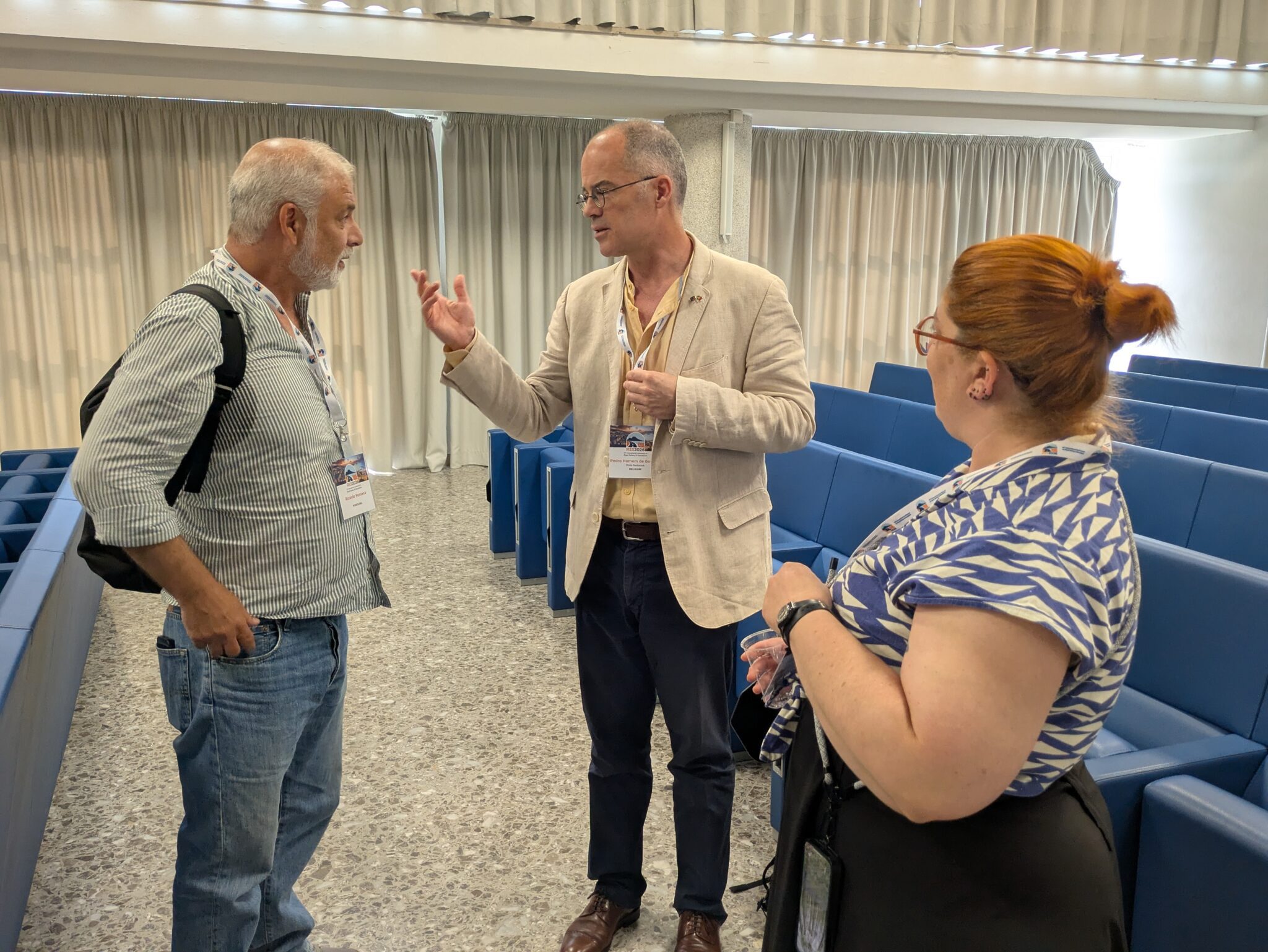
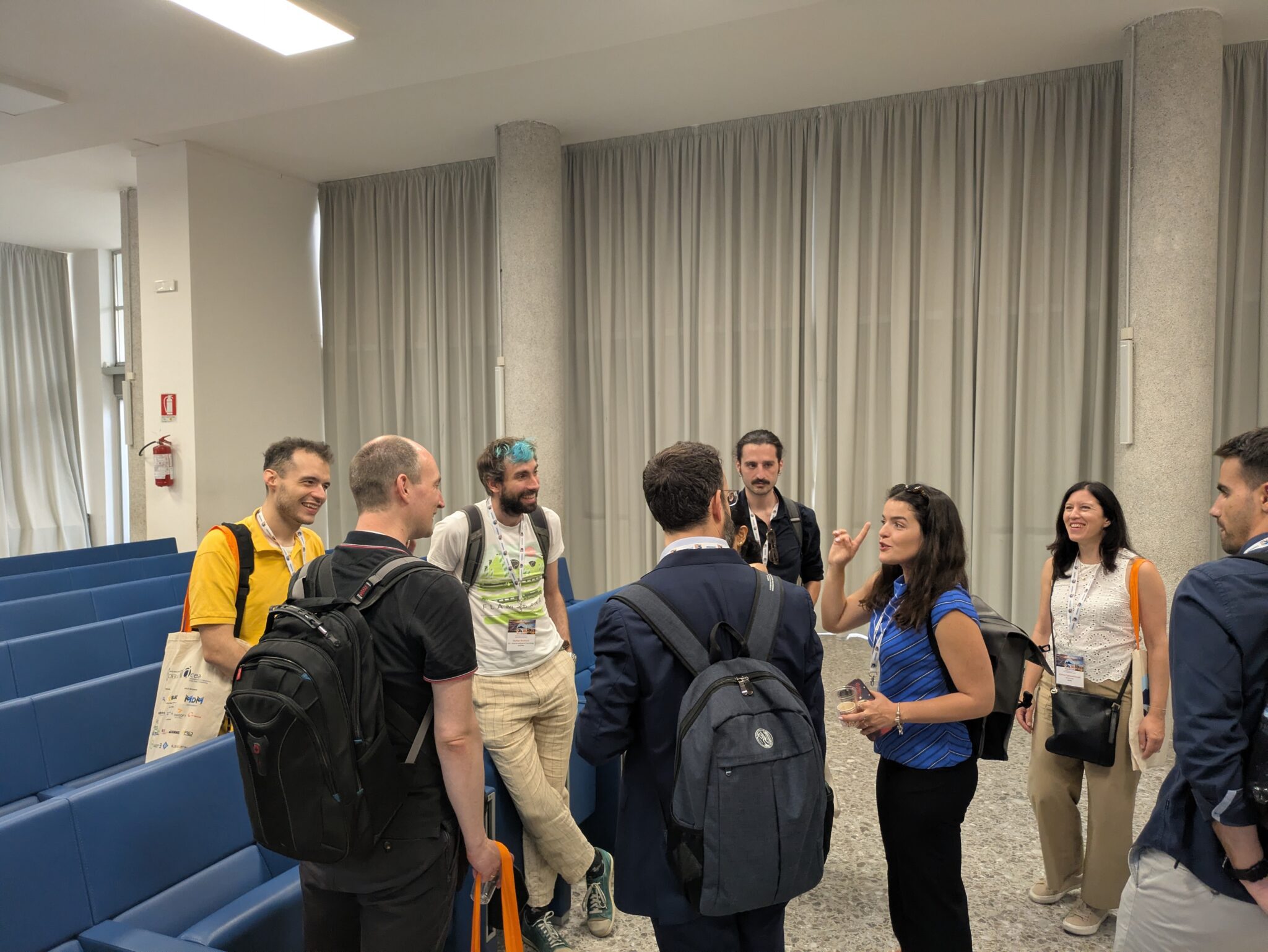
Vorige week vierde het PHOEBE-consortium de officiële afronding van het project met een speciale workshop over de projectresultaten, die plaatsvond op 24 juni tijdens de 10e Internationale conferentie over verkeersveiligheid en simulatie (RSS2026) in Napels, Italië. Het gehele consortium betuigt zijn dank aan alle externe bijdragers en belanghebbenden voor hun steun en nodigt u uit om onze presentaties hieronder te bekijken en deel te nemen aan ons afsluitende webinar op 30 juni.
Het publiek van de afsluitende workshop, bestaande uit 50 onderzoekers op het gebied van verkeersveiligheid, internationale belanghebbenden en partners van het PHOEBE-project, werd verwelkomd door James Bradford, technisch directeur van iRAP Global, gevolgd door Andrea Superti, projectmedewerker van PHOEBE, en de Europese Commissie via een digitale toespraak. Claire Depre, hoofd van de afdeling Verkeersveiligheid van DG MOVE, gaf een overzicht van onderzoek, financiering en Europese beleidskaders.
Het oprichten van de PHOEBE-raamwerk Het diende als anker en leidraad voor het hele project. Passend genoeg was het het eerste agendapunt, gepresenteerd door Apostolos Ziakopoulos van NTUA. De beslissing van het PHOEBE-consortium om de afsluitende workshop te organiseren tijdens RSS2026, en daarmee een overwegend academisch publiek te bereiken, stelde de onderzoekers binnen het consortium in staat om het PHOEBE-kader voor verkeersveiligheid zeer uitgebreid toe te lichten.
Korte inleiding en presentatie van de pilotresultaten
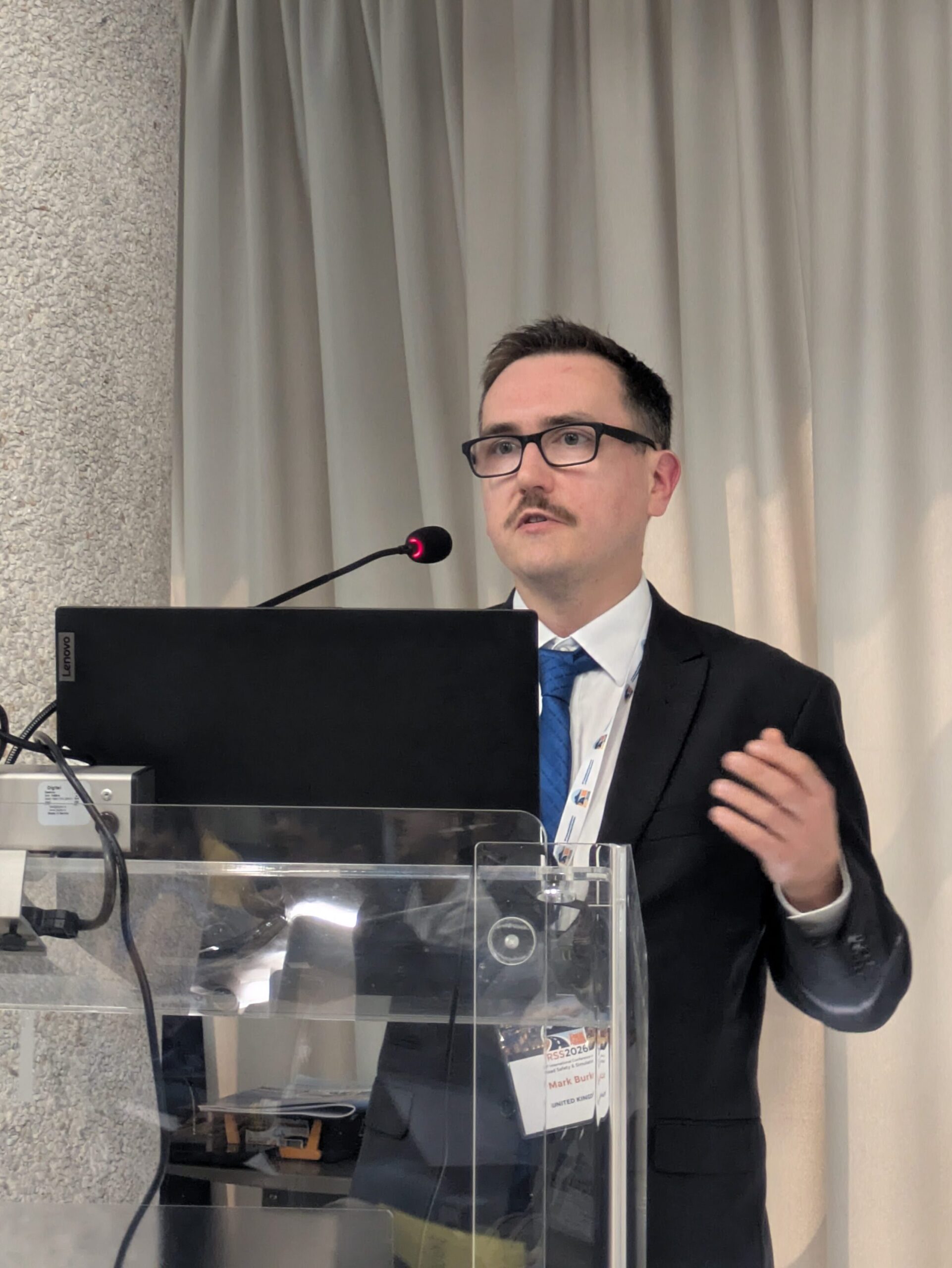
De West Midlands In een casestudy, gepresenteerd door Mark Burke van The Flow, werd de impact geanalyseerd van het wijzigen van snelheidslimieten en de aanleg van fietspaden om de afhankelijkheid van de auto in het bredere voorstedelijke gebied rondom de op één na grootste stad van het Verenigd Koninkrijk tegen te gaan.
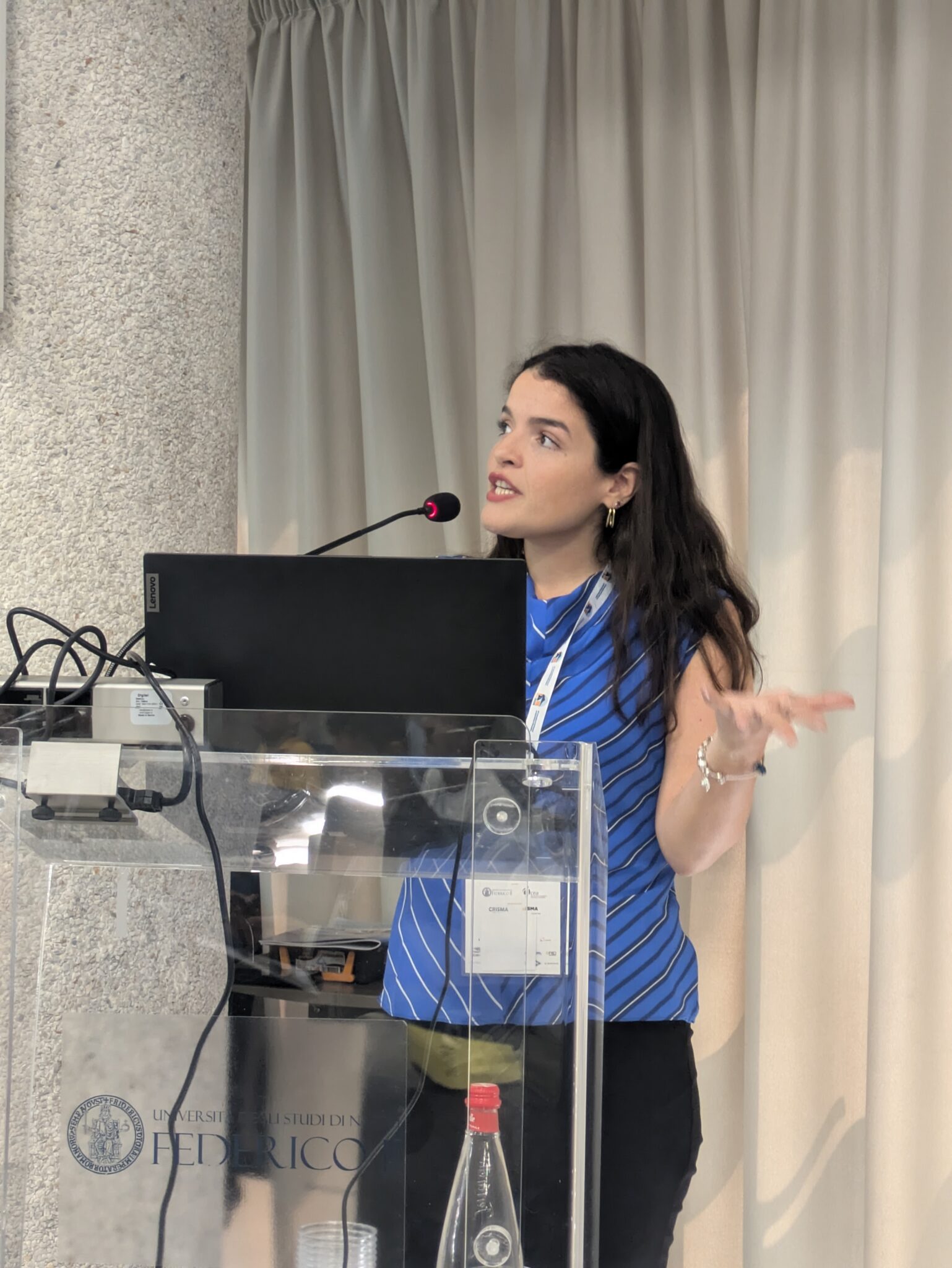
Hoewel de beoordeling van de use case in de West Midlands zich richtte op een groot geografisch gebied, omvatte het onderzoek voor de Athene De pilot, gepresenteerd door Stella Roussou van NTUA, zoomde in op het stadscentrum van de Griekse hoofdstad. De PHOEBE-analyse werd gebruikt om de impact te beoordelen van de transformatie die de aanleg van de Athens Great Walk teweegbracht.
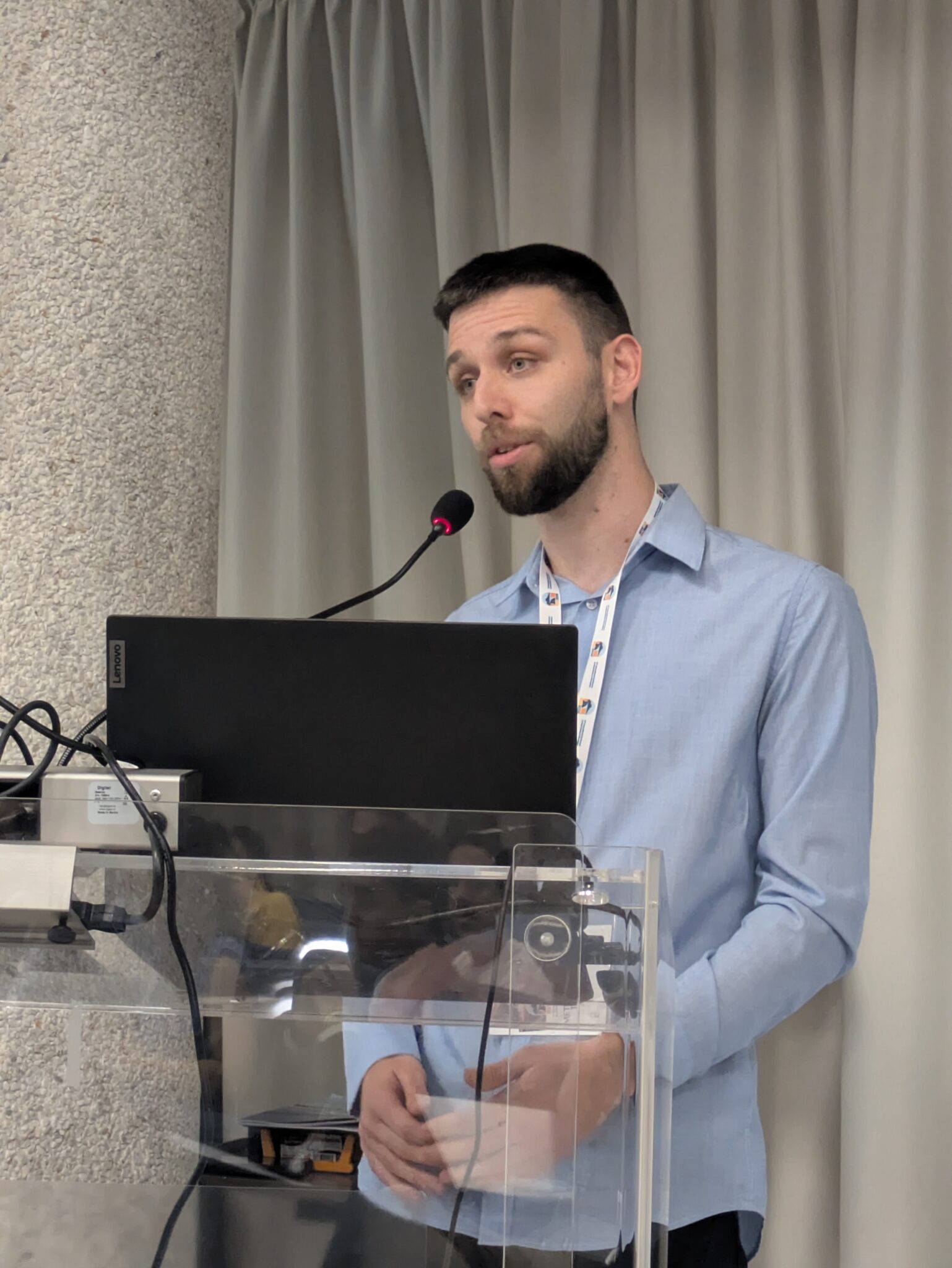
Het derde gebruiksscenario, Valencia, Het onderzoek, samengevat door Áron Hegedűs van FACTUAL, richtte zich op de belangrijkste verkeersaders van de Spaanse stad en benadrukte onderzoek naar extra veiligheidsuitdagingen, waaronder de introductie van parkeren op straat, wat resulteerde in een toename van het aantal illegale oversteekplaatsen.
Modelleringsresultaten
Aangezien PHOEBE zich presenteerde aan een publiek dat voornamelijk bestond uit academische experts, was er aanzienlijke tijd ingeruimd voor de modelleringsresultaten. De sessie begon met een presentatie van Arunava Putatunda van de Technische Universiteit München (TUM) over de modellering van vervoerswijzen, de integratie ervan in het PHOEBE-raamwerk en de bijbehorende bevindingen. Daarna volgde een overzicht van het gedragsmodelleringsraamwerk en een analyse van gebruiksscenario's in de verkeersveiligheid, verzorgd door Amna Chaudhry van de TU Delft. Haar presentatie leidde tot een bredere discussie over terminologie met betrekking tot verkeersovertredingen. Het derde onderdeel, en een waar succesverhaal van het PHOEBE-project, werd gepresenteerd door Antonio Pellicer van AIMSUN. Hij schetste de integratie van de iRAP- en AIMSUN-modellen en de directe positieve impact van PHOEBE op beide oplossingen.
Afsluitende opmerkingen
Samenvattend bood de workshop een combinatie van gedetailleerde overzichten van de modelleeroefeningen en praktijkvoorbeelden, waaronder videobeelden van de gebruikte dataverzamelingsmethoden, zoals smartphone-opnames van fietstochten, beelden van flitsers en opgenomen videogegevens. Alle beschikbare datasets, verzameld conform de AVG, zijn toegankelijk via ons Zenodo-platform. Geen […]
Geen workshop is compleet zonder een interactief element. Daarom kreeg het publiek de gelegenheid om vragen te stellen aan de PHOEBE-experts en commentaar te geven op de uiteindelijke projectresultaten, die werden gepresenteerd door Shanna Lucchesi van iRAP/EIRA.
Voor degenen die niet naar Napels konden reizen, nodigt PHOEBE u uit om deel te nemen aan ons afsluitende webinar, dat plaatsvindt op 30 juni 2026 van 10:00 tot 11:30 uur via Zoom.
Presentaties
Welkomstwoord en een algemene introductie van PHOEBE – James Bradford (iRAP)
Overzicht van het PHOEBE-raamwerk – Apostolos Ziakopoulos (NTUA)
PHOEBE-piloten
West Midlands – Mark Burke (TheFloow)
Athene – Stella Roussou, (NTUA)
Valencia – Áron Hegedűs (FEITELIJK)
Modellering
Modellering van vervoerskeuze, integratie in het PHOEBE-framework en resultaten – Arunava Putatunda (TUM)
Gedragsmodelleringskader en casusanalyse in de verkeersveiligheid – Amna Chaudhry (TUD)
Van risicobeoordelingen tot verkeersmodellen en terug: het integratietraject van iRAP ViDA naar Aimsun Next. – Antonio Pellicer (AIMSUN)
Resultaten – Shanna Lucchesi (iRAP/EIRA)
Over Phoebe
Het 3,5 jaar durende project Predictive Approaches for Safer Urban Environments (PHOEBE), gefinancierd door de Europese Unie en UK Research and Innovation (UKRI), heeft als doel de verkeersveiligheid te verhogen voor kwetsbare weggebruikers, met name voor gebruikers van actieve mobiliteit en e-scooters. Het project wordt uitgevoerd door 11 partners in drie steden: Athene, Valencia en West Midlands (VK). Het PHOEBE-consortium brengt een uniek en divers team samen met een bewezen staat van dienst in het leveren van zeer innovatieve en op bewijs gebaseerde projecten en oplossingen van de Europese Commissie. Door de modellen en methoden van iRAP en Aimsun te combineren en gebruik te maken van de netwerken van stakeholders zoals POLIS en EIRA, de technologische en big data-expertise van The Floow, Factual Consulting en OSeven, en de expertise op het gebied van menselijk gedrag, modal shift, beleid en sociaaleconomische analyse van de universitaire partners (NTU Athene, TU Delft, TU München en UP Valencia), realiseert PHOEBE de verwachte resultaten en ondersteunt het "veilige, naadloze, slimme, inclusieve, veerkrachtige en duurzame mobiliteitssystemen voor mensen en goederen" en redt het levens. Het PHOEBE-project wordt gefinancierd door Horizon Europe onder subsidieovereenkomst nr. 101076963. Britse deelnemers worden ondersteund door UKRI-subsidies met nummers 10038897 (iRAP) en 10056912 (The Floow).
phoebe-project.eu
Artikel en afbeeldingen: PHOEBE