
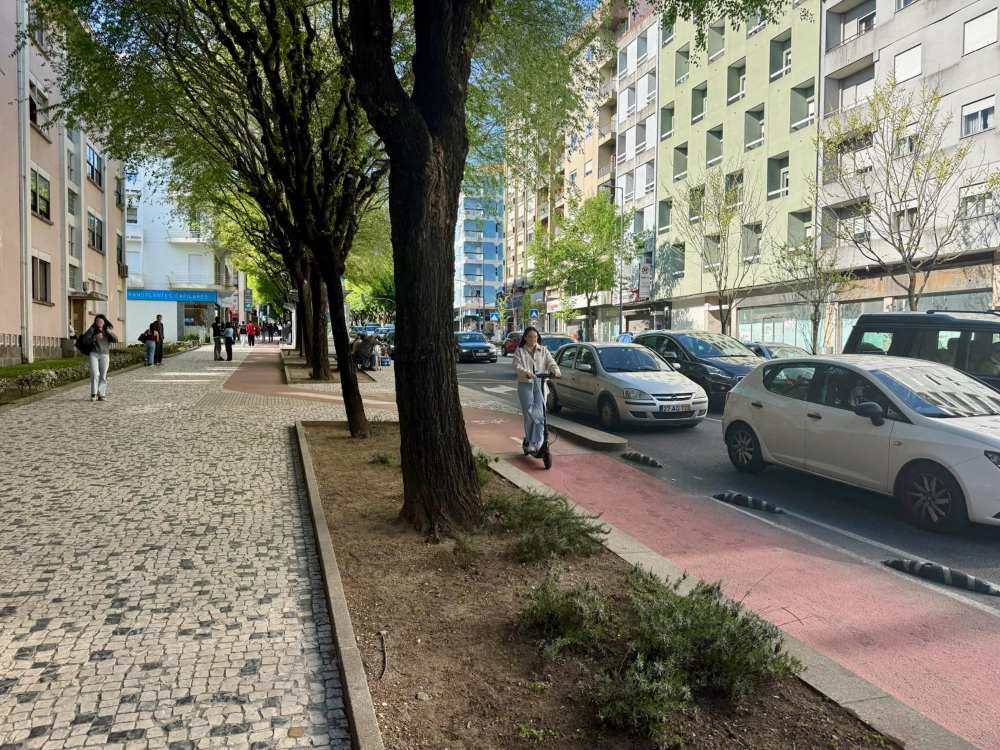
Als een van de snelstgroeiende stedelijke centra van Portugal staat Braga voor een moderne uitdaging: hoe een historisch stratennetwerk aan te passen aan de eisen van snelle stedelijke expansie, zonder het erfgoed en de levendigheid aan te tasten.
Eerder deze maand, Rijstrookpatrouille voltooide een uitgebreide veldaudit in de stad als onderdeel van een project dat werd ondersteund door Automóvel Club de Portugal (ACP) onder de FIA – Fédération Internationale de l'Automobile’Het Safe and Sustainable Mobility Grants Programme van , gefinancierd door de FIA Foundation. De bevindingen werden gepresenteerd aan de Monicípio de Braga, waarbij een toekomstgerichte strategie wordt benadrukt om de functionaliteit van het historische centrum te verbeteren en er tegelijkertijd voor te zorgen dat het toegankelijk en levendig blijft voor alle gebruikers.
De kern van het voorstel is een verschuiving van "gedwongen vermenging" van vervoerswijzen naar wat Lane Patrol "ruimtelijke harmonie" noemt. Deze aanpak benadrukt het toewijzen van specifieke zones aan verschillende vervoersgebruikers, waaronder voetgangers, fietsers en gemotoriseerd verkeer, zodat ze niet langer hoeven te concurreren om de beperkte ruimte op straat. Het doel is om conflicten te verminderen, de veiligheid te verbeteren en een meer intuïtieve stedelijke omgeving te creëren.
Het project combineert meerdere analytische instrumenten, waaronder CycleRAP En DQ-stromen simulaties, om aanbevelingen te baseren op gegevens uit de praktijk. Samen helpen deze instrumenten te bepalen waar de vraag naar wandelen en fietsen al bestaat, waar deze kan groeien en waar interventies de grootste impact zouden hebben.
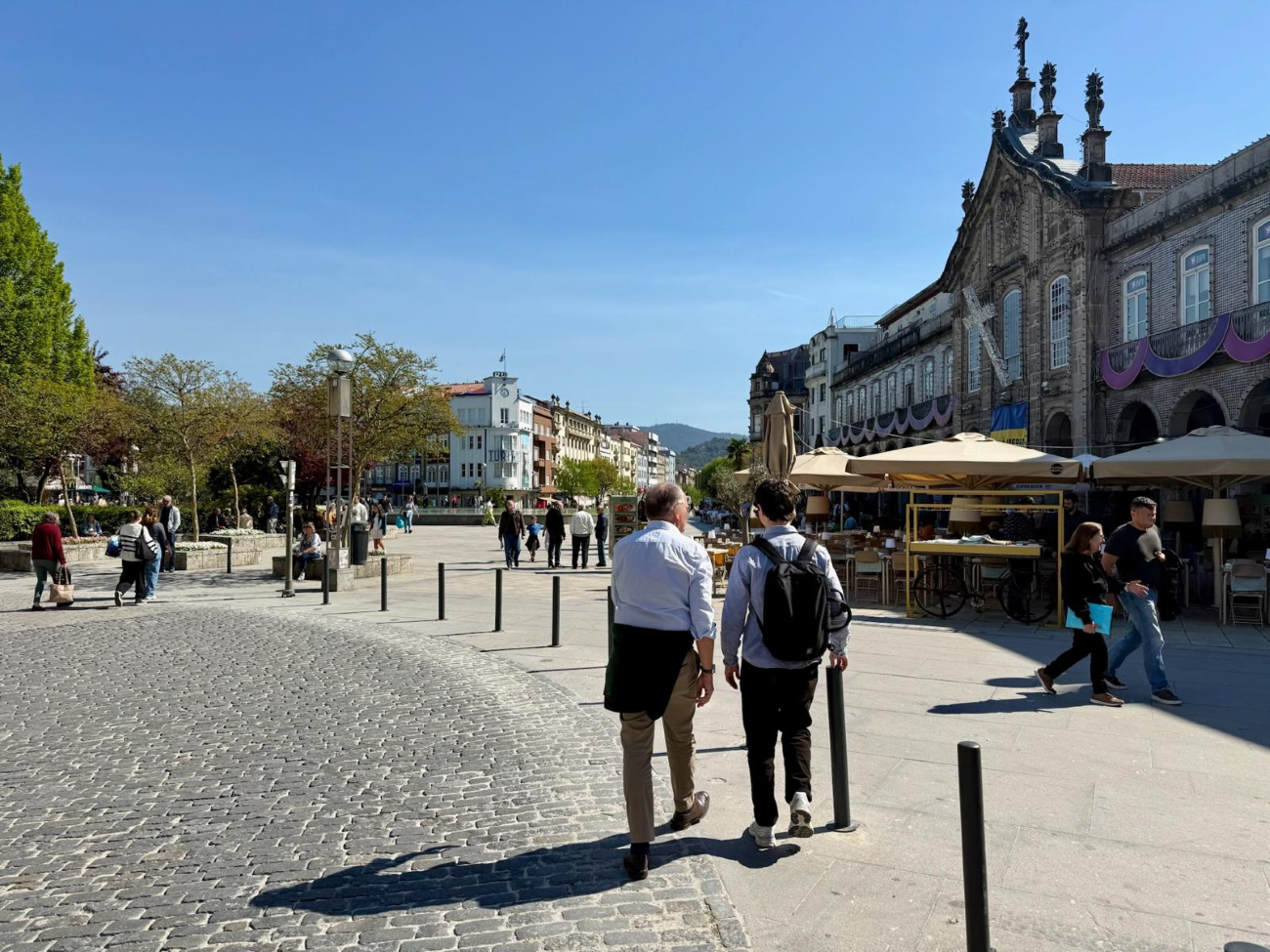
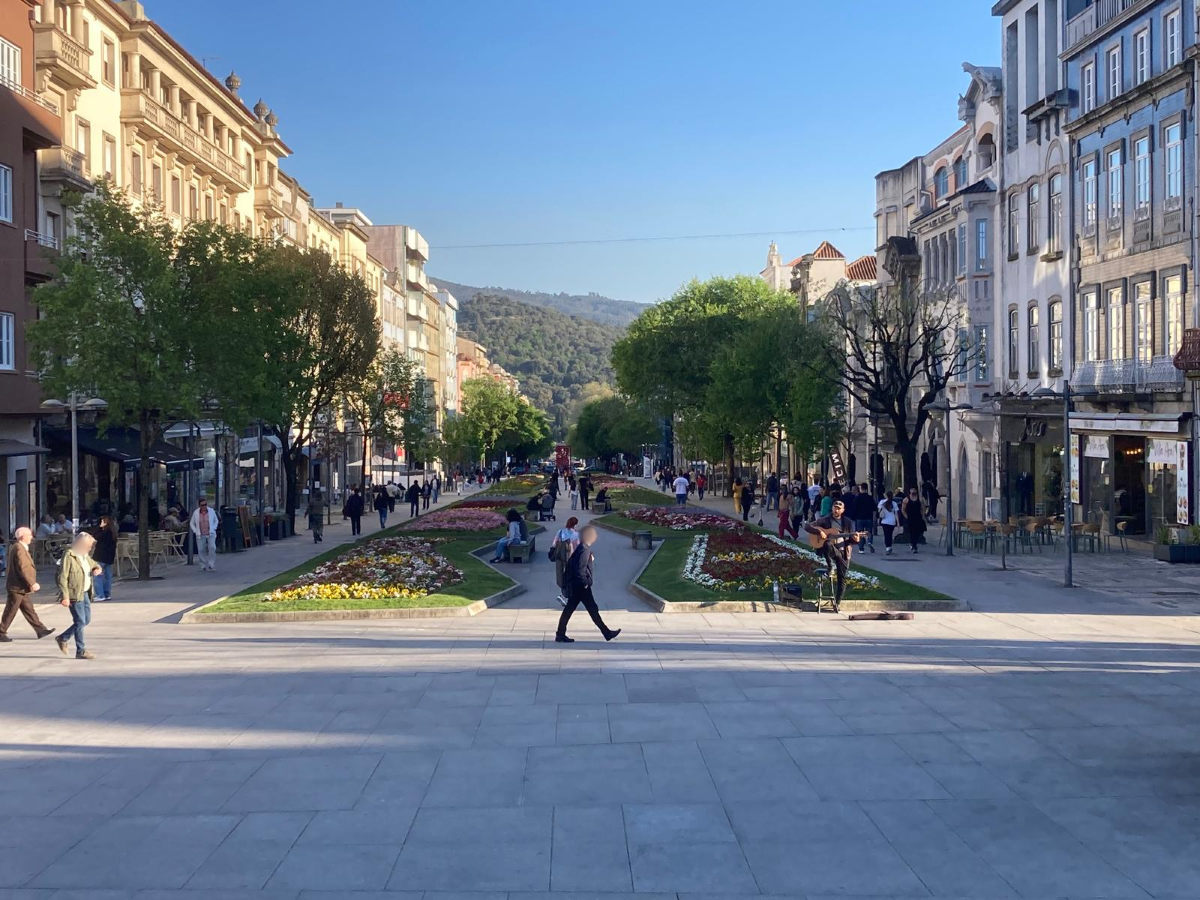
Voor Braga gaat de visie verder dan alleen het aanleggen van fietspaden. Het voorstel omvat een samenhangend, hoogwaardig fietsnetwerk dat de culturele identiteit van de stad respecteert en tegelijkertijd de connectiviteit verbetert. Belangrijke prioriteiten zijn onder meer het beschermen van voetgangersgebieden zoals Rua do Souto en Avenida Central, ervoor zorgen dat inwoners zich efficiënt door de stad kunnen bewegen en het historische centrum behouden als een bruisend knooppunt voor handel en sociaal leven.
Door ontwerpmethodologie te integreren met data-gestuurde inzichten, biedt het project een praktische toolkit voor steden die met vergelijkbare uitdagingen te maken hebben: beperkte ruimte, groeiende mobiliteitsbehoeften en de noodzaak om prioriteit te geven aan veiligere en duurzamere vervoersopties. Het biedt tevens een gestructureerde manier om afwegingen te maken, waardoor beleidsmakers weloverwogen beslissingen kunnen nemen die een balans vinden tussen toegankelijkheid, veiligheid en stedelijke kwaliteit.
De samenwerking tussen Lane Patrol, ACP en lokale belanghebbenden in Braga onderstreept het belang van open dialoog en op feiten gebaseerde planning. Nu steden wereldwijd worstelen met de druk van stedelijke groei, kan de aanpak van Braga dienen als model voor het omzetten van ambitie in uitvoerbaar, duurzaam straatontwerp.
Voor meer informatie over Lane Patrol kunt u contact opnemen met het team. hier.
Om te leren hoe DQ-stromen ondersteunt CycleRAP beoordelingen, bezoek hier.
Afbeeldingscredits: Rijstrookpatrouille