
Crédito de la imagen: Isaac Farradellas Homs
Reunión del consorcio de junio
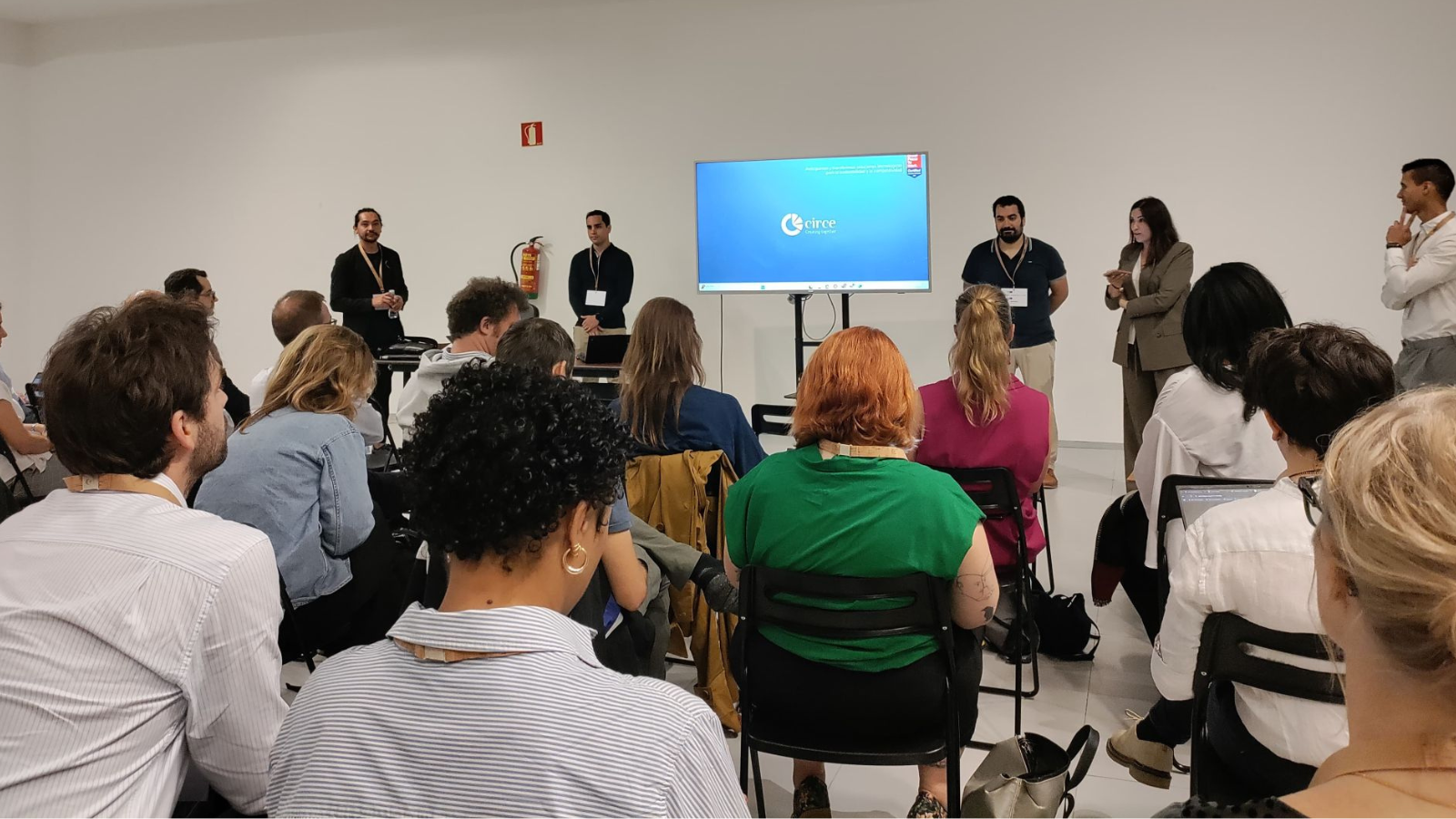
Recientemente, los socios se reunieron en Zaragoza para visitar el Living Lab de la ciudad y observar de primera mano las intervenciones del proyecto. La reunión también sirvió para celebrar talleres presenciales, donde las ciudades piloto y seguidoras de ELABORATOR pudieron intercambiar ideas y perspectivas, e informar al consorcio sobre el progreso de sus respectivos Living Labs. ELABORATOR considera que la innovación debe implementarse en respuesta a las necesidades, requerimientos y deseos de la ciudadanía, en colaboración con las perspectivas y capacidades de los actores locales, según el contexto socioeconómico y tecnológico de cada ciudad.
Crédito de la imagen: Proyecto ELABORADOR
Taller de cocreación de Lund: Adaptación de los espacios urbanos para mujeres mayores
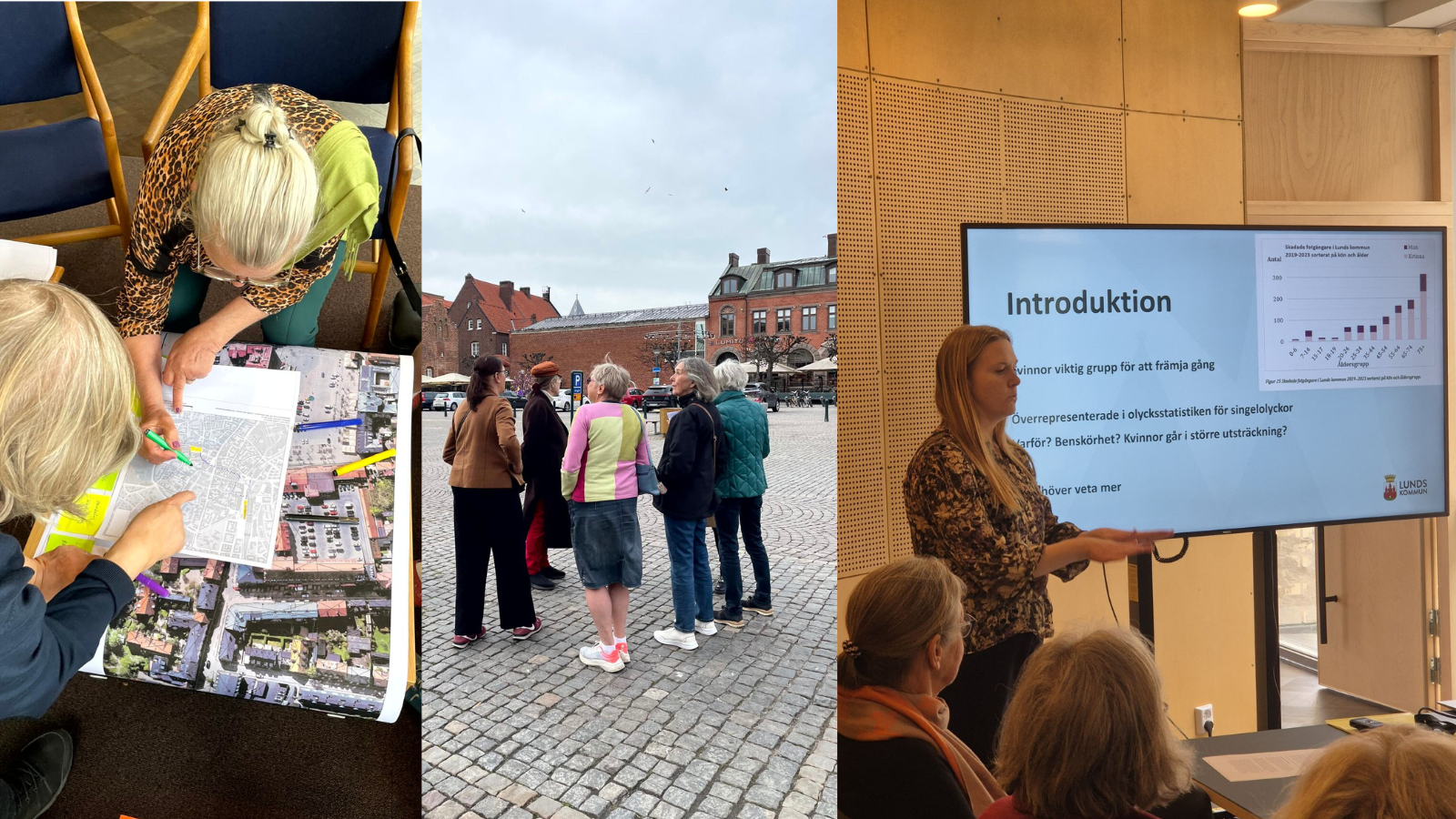
El 23 de mayo, el Ayuntamiento de Lund y el Departamento de Estudios Temáticos (TEMA) de la Universidad de Linköping organizaron un taller de cocreación con mujeres mayores de 65 años para recabar sus opiniones sobre el futuro desarrollo de Mårtenstorget y Östra Mårtensgatan, dos zonas clave de la ciudad de Lund, Suecia. El taller combinó paseos exploratorios y mesas redondas, centrándose en aspectos fundamentales como la seguridad vial, la accesibilidad, la comodidad y el diseño del espacio público. Entre las principales preocupaciones planteadas figuraban el tráfico caótico, la falta de zonas verdes y árboles, la mala definición de los espacios para caminar, ir en bicicleta y conducir, y los obstáculos en las aceras que dificultan la accesibilidad. Las participantes propusieron: una señalización más clara para el aparcamiento y la circulación; carriles peatonales y bici bien señalizados; menos plazas de aparcamiento en la plaza; y más espacio para el mercado, árboles, zonas verdes e incluso fuentes. Esta iniciativa supone un paso importante hacia la creación de espacios urbanos más seguros y accesibles, especialmente para las mujeres mayores, que se encuentran entre las más afectadas por los accidentes de tráfico en los que solo se produce un accidente en Lund.

Crédito de la imagen: Pexels Irem Yilmazturk.
Ya están los resultados: Derribando las barreras para las mujeres que se desplazan diariamente al trabajo en Trikala, Grecia.
Un estudio reciente de ELABORATOR, URBANA y E-Trikala ha analizado las barreras que enfrentan las mujeres en Trikala y que les impiden usar la bicicleta, caminar o el transporte público. Trikala cuenta con una cultura ciclista impulsada por su infraestructura, iniciativas y geografía, lo que la convierte en una de las ciudades más amigables para los ciclistas en Grecia. Sin embargo, una serie de barreras físicas y socioculturales siguen impidiendo que las mujeres usen la bicicleta (y otras formas de movilidad sostenible). Con el fin de crear intervenciones específicas que fomenten modos de transporte sostenibles y activos, se realizó una encuesta dirigida a 117 mujeres que viven en Trikala, sus alrededores y pueblos vecinos, explorando sus patrones y necesidades de movilidad. El estudio revela que el cuidado de familiares, la dependencia del automóvil y los temores sobre la seguridad influyen en la forma en que las mujeres se desplazan por la ciudad, y por qué es urgente un cambio. Leer más aquí.
Créditos de las imágenes: I-SENSE Group, ELABORATOR y CIVITAS Initiative
Compartiendo el proyecto en Europa
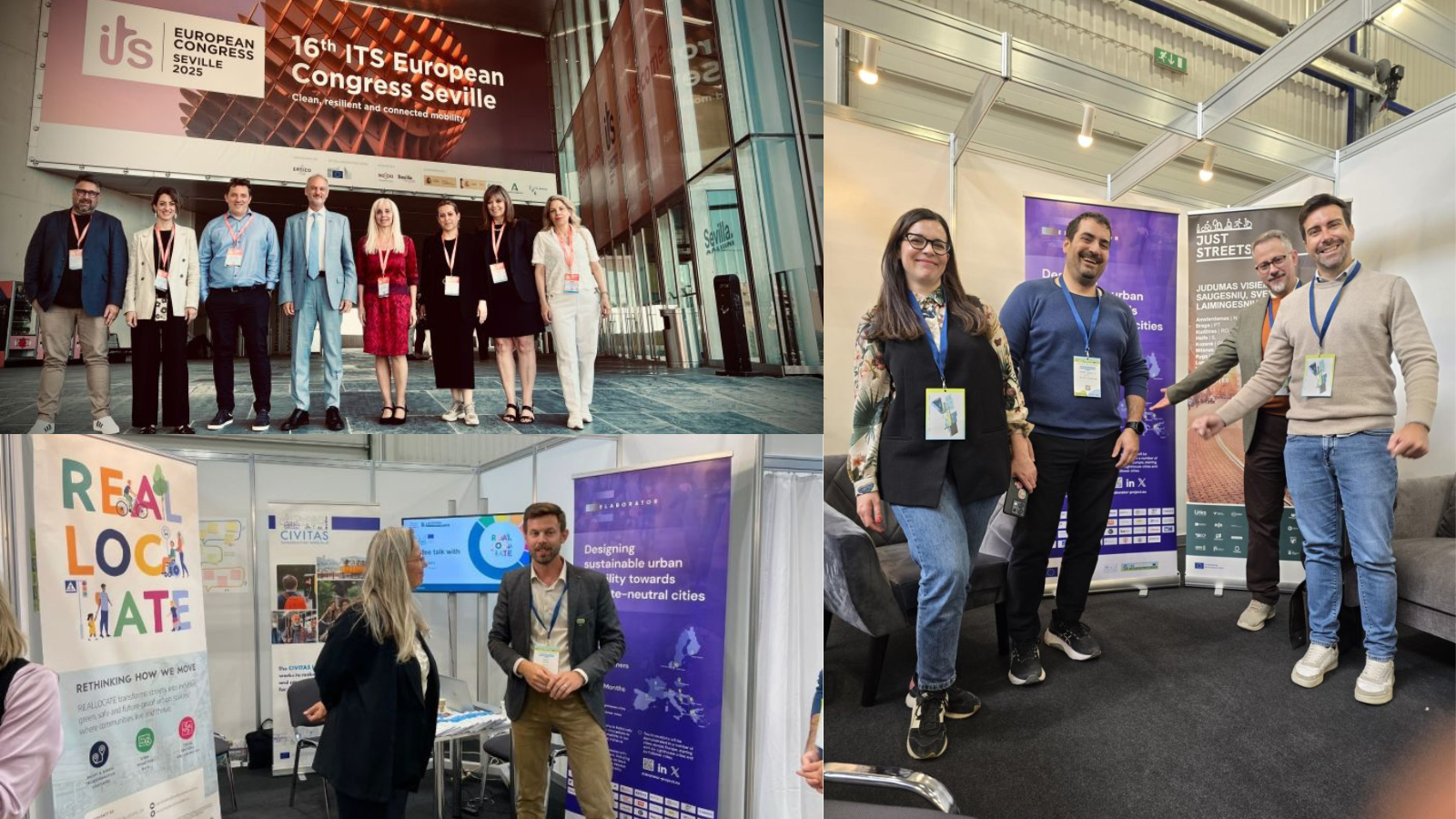
El proyecto ELABORATOR se ha presentado con orgullo en varias conferencias europeas recientemente, incluyendo la 16ª Conferencia Europea de ITS en Sevilla, el Conferencia de la UE sobre ciudades con cero emisiones netas en Valencia y el Conferencia de Cities Mission: ‘Empoderando a las ciudades: ciudades inteligentes y climáticamente neutras’. en Vilna.
Acerca de ELABORADOR
ELABORADOR ELABORATOR es un proyecto europeo de Laboratorio Vivo centrado en el diseño de soluciones de movilidad urbana sostenible para ciudades climáticamente neutras, mediante la cocreación con grupos de usuarios vulnerables y autoridades locales. Financiado por el programa Horizonte UE, iRAP es uno de los 38 socios que participan en el proyecto, utilizando un enfoque holístico para la planificación, el diseño, la implementación y el despliegue de innovaciones e intervenciones para la movilidad urbana sostenible. Estas pueden incluir herramientas de control inteligentes, rediseño del espacio y asignación dinámica, servicios compartidos e integración de modos de transporte activos y ecológicos. Las intervenciones se demostrarán en varias ciudades de Europa, comenzando con seis Ciudades Faro: Milán (Italia), Copenhague (Dinamarca), Helsinki (Finlandia), Issy-les-Moulineaux (Francia), Zaragoza (España) y Trikala (Grecia); y seis Ciudades Seguidoras: Lund (Suecia), Liberec (República Checa), Velenje (Eslovenia), Split (Croacia), Krusevac (Serbia) e Ioannina (Grecia). Cada ciudad implementará una o más "intervenciones" innovadoras para mejorar la movilidad urbana, con el objetivo de demostrar cómo implementar la intervención y mostrar su eficacia a las ciudades "observadoras".
Manténgase al tanto de las novedades del proyecto. aquí.
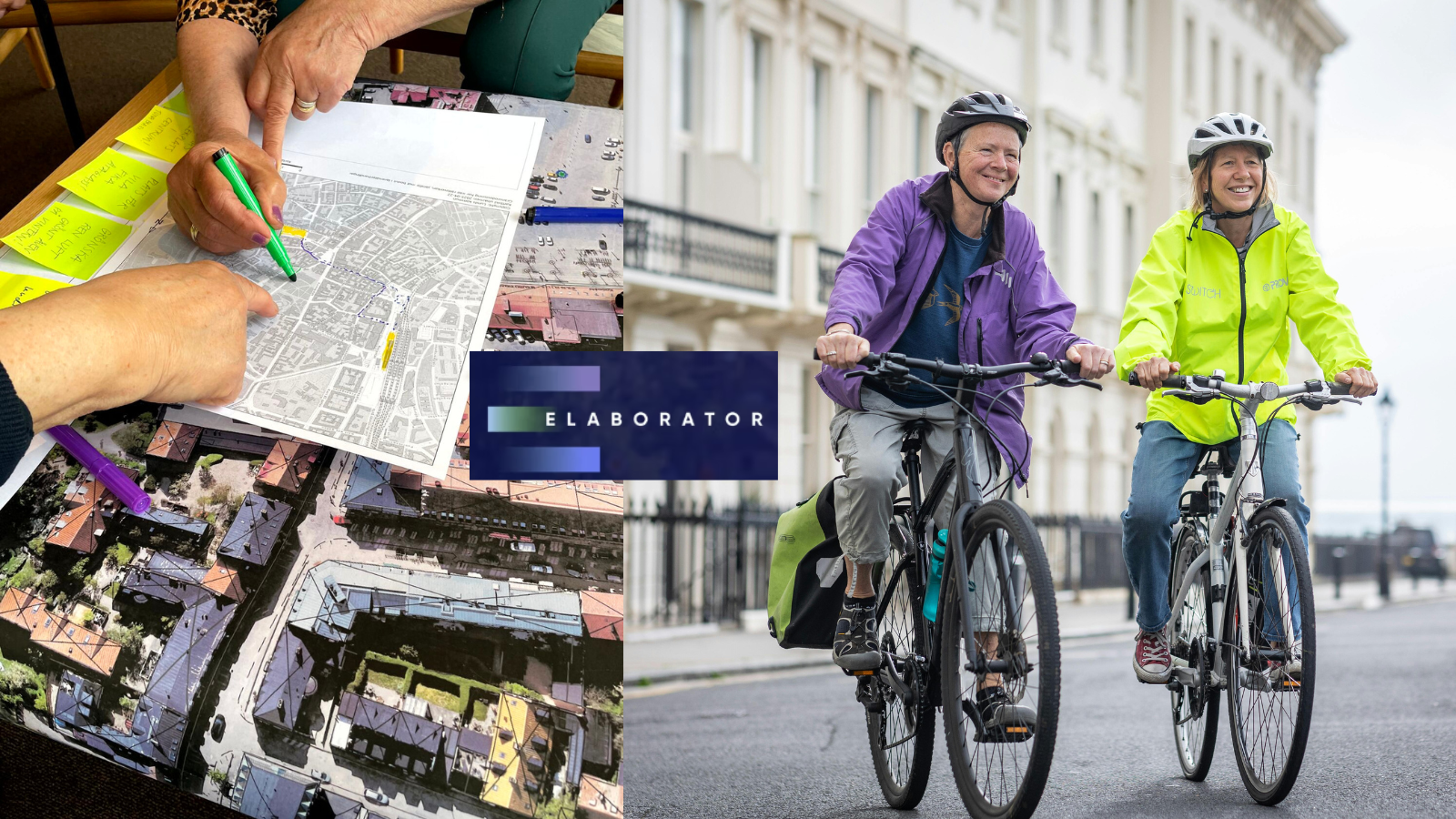
Crédito de la imagen de cabecera: Pexels Centre for Ageing Better y ELABORADOR