
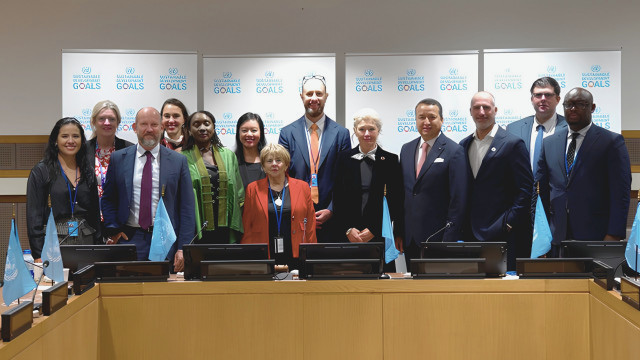
New York, 21 July 2026 – Global road safety leaders and country representatives came together in New York today for a Commitments in Action Roundtable: Multistakeholder Accountability for Safer Roads – an official side event of the 2026 UN High-level Meeting on Road Safety.
Though new data released by the World Health Organisation shows road deaths have fallen by 21 per cent between 2011 and 2025, stronger action is needed to meet the global goal of halving road deaths and injuries by 2030, particularly in low- and middle-income countries where the greatest burden of road trauma is borne.
Co-hosted by the FIA Foundation, Global Alliance of NGOs for Road Safety, International Road Assessment Programme (iRAP), and African Road Safety Observatory, the interactive session focussed on a simple but powerful message: commitments alone do not save lives – accountability does.
As the global community enters the critical second half of the Decade of Action for Road Safety 2021–2030, the event explored how transparent evidence, independent data and multi-stakeholder collaboration are helping transform political commitments into measurable, lifesaving outcomes.
Avi Silverman, Acting Executive Director of the FIA Foundation said, “Road crashes claim more than 3,000 lives every day, yet we know what works to prevent them. The challenge is not a lack of solutions, but ensuring commitments are translated into action.”
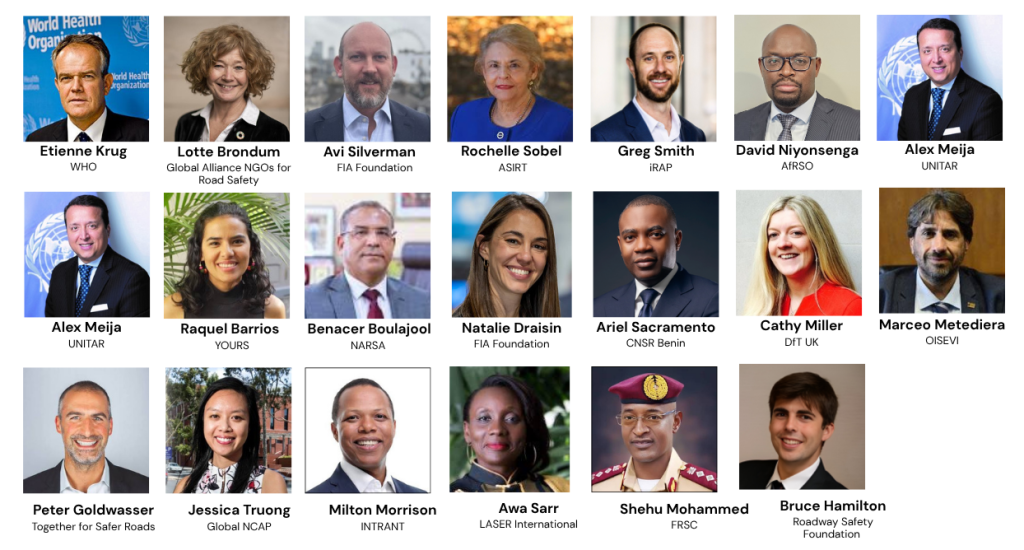
Programme and Speakers
Practical interventions saving lives in countries were shared by:
- Cathy Miller, Head of Road Safety, Department for Transport UK;
- Awa Sarr, President, Laser International, Senegal;
- Shehu Mohammed, Corps Marshal, Federal Road Safety Corps, Nigeria;
- Ariel Sacramento, Director General, National Road Safety Center (CNSR), Benin;
- Bruce Hamilton, Executive Director, Roadway Safety Foundation, USA;
- Milton Morrison, Executive Director, National Institute of Traffic and Land Transport (INTRANT), Dominican Republic;
- Marcelo Metediera, President, Ibero-American Road Safety Observatory (OISEVI); and
- Benacer Boulaajoul, Director General, National Road Safety Agency (NARSA), Morocco.
Expert insights were also provided by:
- Etienne Krug, Director, Health Determinants, Promotion and Prevention, World Health Organisation (WHO);
- Avi Silverman, FIA Foundation;
- Greg Smith, CEO, iRAP;
- Lotte Brondum, Executive Director, Global Alliance of NGOs for Road Safety;
- David Niyonsenga, Head of Secretariat, African Road Safety Observatory;
- Alex Meija, Division Director, United Nations Institute for Training and Research (UNITAR);
- Rochelle Sobel, Executive Director, Association for Safe International Road Travel (ASIRT);
- Peter Goldwasser, Executive Director, Together for Safer Roads;
- Jessica Truong, Senior Advisor, Global NCAP; and
- Raquel Barrios, Executive Dairector, Youth for Road Safety (YOURS).
The event was moderated by Natalie Draisin, Director North American Office and UN Representative of the FIA Foundation.
In a landmark initiative to improve road safety and eliminate high-risk roads in the Ibero-American region, a Memorandum of Understanding was signed between iRAP and the Ibero-American Road Safety Observatory (OISEVI) during the event.
Lotte Brondum, Executive Director of the Global Alliance of NGOs for Road Safety said, “Communities affected by road crashes cannot afford commitments that remain on paper. Civil society has a critical role in holding decision-makers accountable, ensuring promises are implemented and a voice is given to those most affected by road trauma. We urge world leaders to not only make decisive commitments this week, but to establish the accountability, transparency and partnerships needed to deliver them – because every delay costs lives.”
“This will be particularly important for African countries,” said David Niyonsenga, Head of Secretariat of the African Road Safety Observatory (AfRSO). “Africa bears the highest burden of road traffic fatalities and alarmingly, new data reveals that road deaths increased by 17 per cent in Africa between 2011 and 2025. It’s the only global region to experience a rise in fatalities over the period. Any meaningful improvement in reducing global road trauma will require strategic, adequately resourced, and sustained implementation of proven interventions in Africa, and other most affected regions, where this silent pandemic exacts its heaviest toll on communities, economies and human potential.”
Greg Smith, CEO, iRAP said, “Safer roads do not happen by chance – they are delivered through evidence-based investment, measurable targets and accountability for results. Around the world, iRAP partners are helping governments prioritise the road upgrades that save the most lives, ensuring every dollar invested delivers the greatest safety benefit. By sharing practical examples from countries making real progress, this event demonstrates that accountability is one of the most powerful tools we have to accelerate action and achieve the global road safety targets.”
By highlighting proven examples of accountability in action, the event aimed to inspire new partnerships and accelerated implementation of the solutions needed to halve road deaths and injuries by 2030.
The Commitments in Action Roundtable was held on 21 July during the UN High-level Meeting on Road Safety at UN Headquarters in New York.
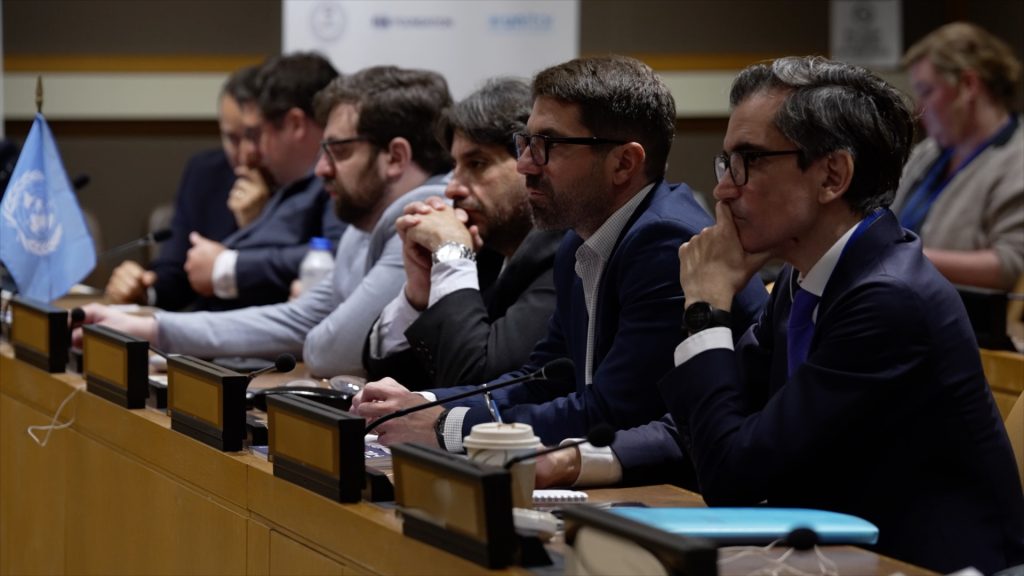
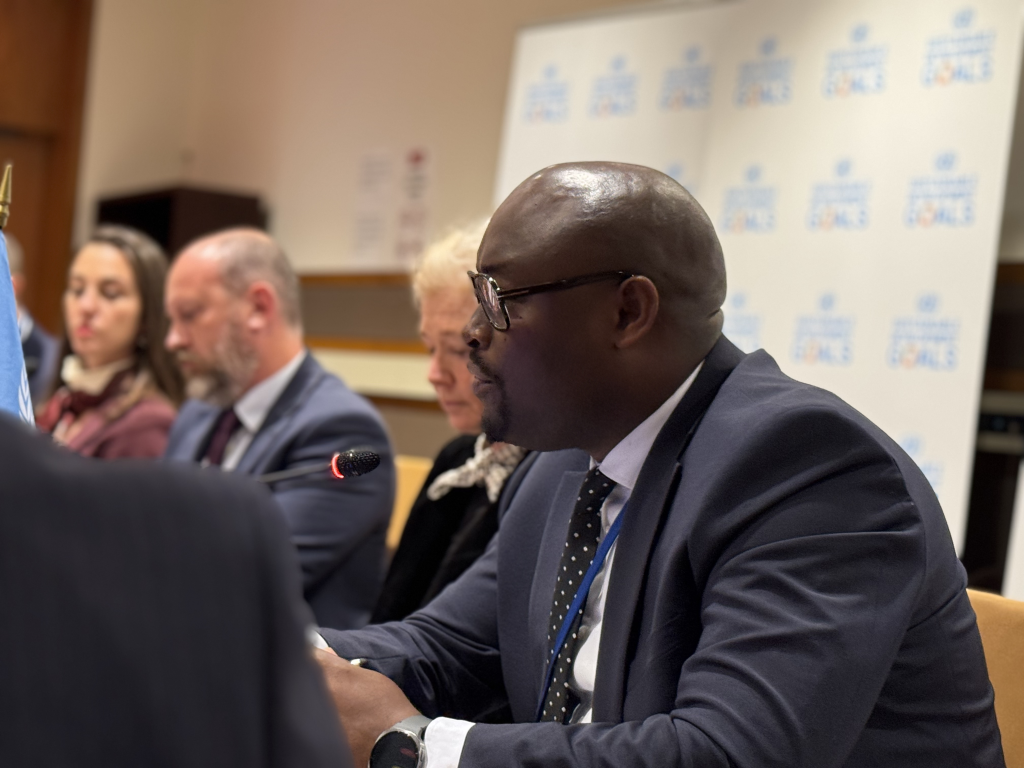
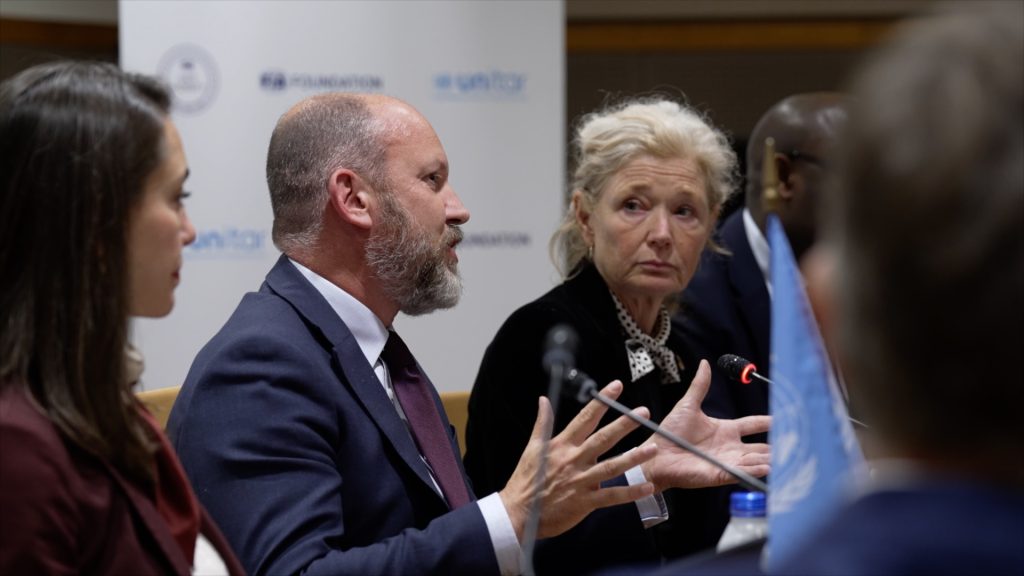
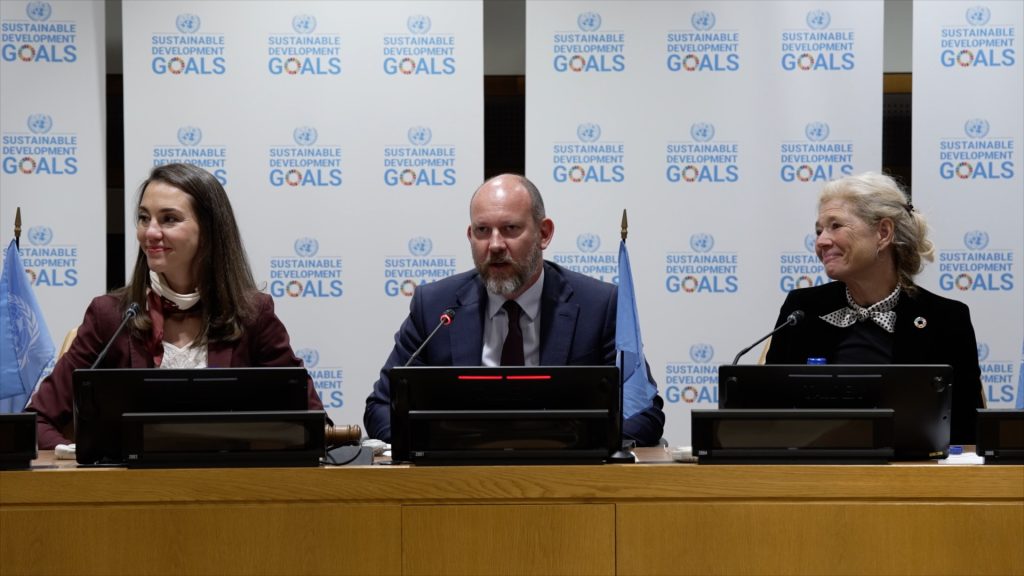
Image credits: FIA Foundation