
Start Your Own RAP
What is a Road Assessment Programme?
Road Assessment Programmes (RAPs) can be led by an individual or a coordinated group working to eliminate high-risk roads at national or regional levels.
Key features:
- Focused on saving lives and preventing injuries
- Use RAP methodology, tools, and supporting resources (e.g. audits, crash data)
- Bring together organisations and stakeholders with a shared goal
- Adapt to local needs and contexts
No two RAPs are the same. While this framework guides development, programmes vary in structure, priorities, and timelines, and may evolve before formally launching.
Organisations can formalise a RAP through a National Licence Agreement, but it’s not required. Many countries successfully apply RAP tools and principles without a formal programme.
Whether formal or not, anyone using RAP resources to improve road safety is part of the RAP community.
What makes an effective RAP 'ecosystem'?
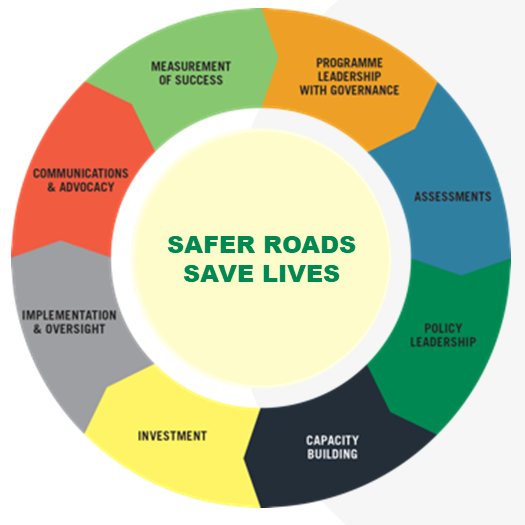
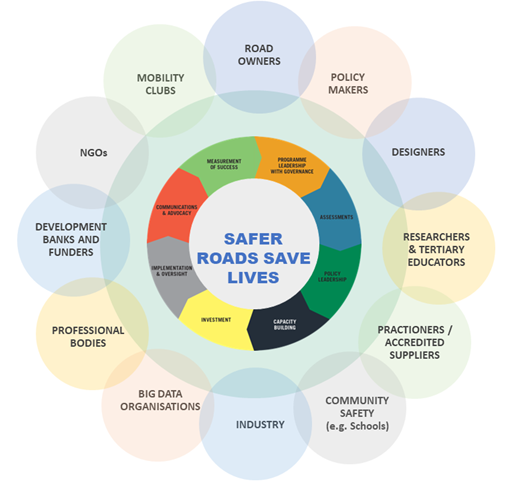
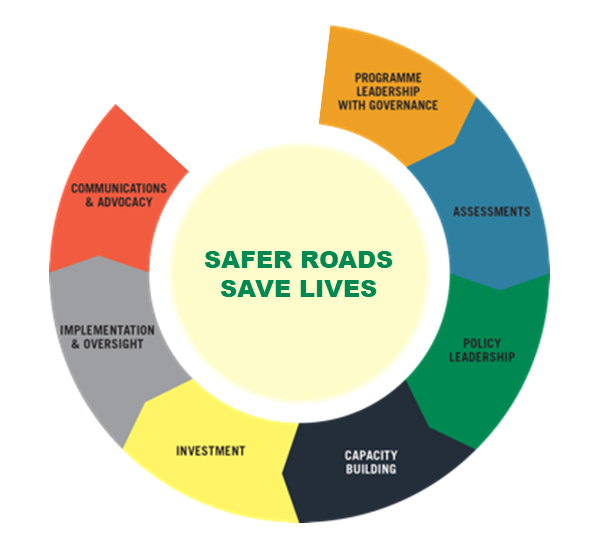
Whilst RAPs can be very different in their structure and focus, successful RAPs tend to have well-coordinated activities in one or more of the following Programme Elements. The goal is to make progress in all the elements.
This is supported by an ecosystem of partners working together with the common goal to save lives and serious injuries by eliminating high-risk roads. No one person or organisation can do it all. Building and engaging the partner ecosystem with a coordinated plan is key to achieving impact on scale.
Listen to iRAP Global Programme and Communications Manager Judy Williams talk about the RAP Ecosystem and what makes an effective RAP:
Resources for 5-star RAPs
Aligned to iRAP’s charitable mission, our global partnerships ensure innovative ideas from one programme partner can be shared with others for mutual benefit, maximising resources, time efficiencies and money.
The following Resources for 5-Star RAPs is made possible thanks to the FedEx sponsored 5-Star Global Connections Initiative and the support of IndiaRAP Team. Examples of partner best practice are shared to help you develop a successful RAP.
First things first …
So you’re interesting in developing a RAP? Before you get too far in planning, complete these first steps to understand the existing local situation:
- Visit iRAP’s Where We Work map to find out if iRAP assessments are occurring in your country and connect with the National Lead
- Visit the iRAP Partner Portal to explore latest iRAP news, knowledge, metrics, training, projects and contacts for your country and others
- For new countries, contact the iRAP representative for your region to discuss opportunities
- Explore iRAP’s Safety Insights Explorer to understand the Human Impact of Injury in your country, how safe the roads are, the road attributes that matter, and the Business Case for Safer Roads
- Check out your country profile in the WHO Global Status Report for Road Safety
- Review the Global Plan for the Decade of Action for Road Safety 2021-2030 and work with others to implement it in your country
- Learn about Targets 3 and 4 for safe road infrastructure
- Explore the iRAP Tools
If there’s no existing RAP in your country, complete a RAP Feasibility Questionnaire to document a local scan of existing road safety agencies, data, systems and activities and consult with iRAP.
Ready to explore the resources?
There is no one-size-fits-all approach for a successful RAP; these resources may be used in any order and in a way that best suits your local context. Simply click on the element of the Programme Element you’d like to develop
Programme Leadership


Assessments
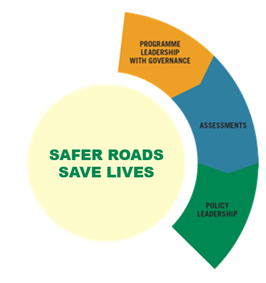
Policy Leadership
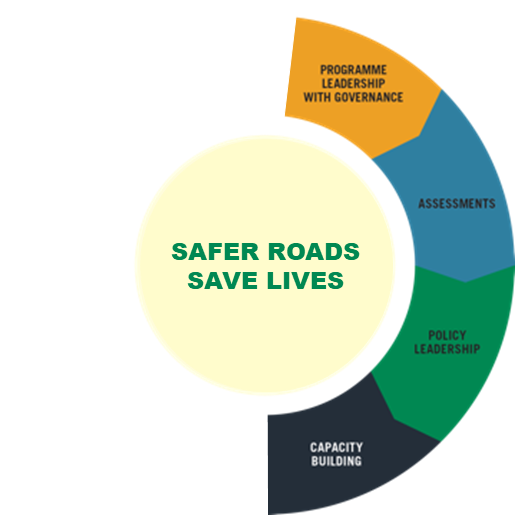
Capacity Building
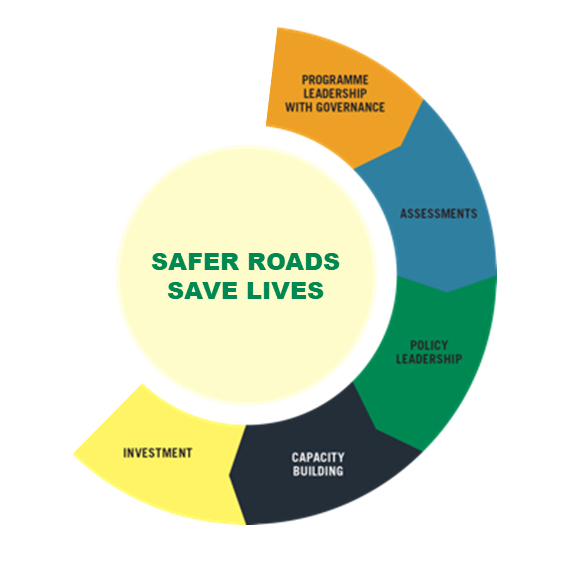
Investment
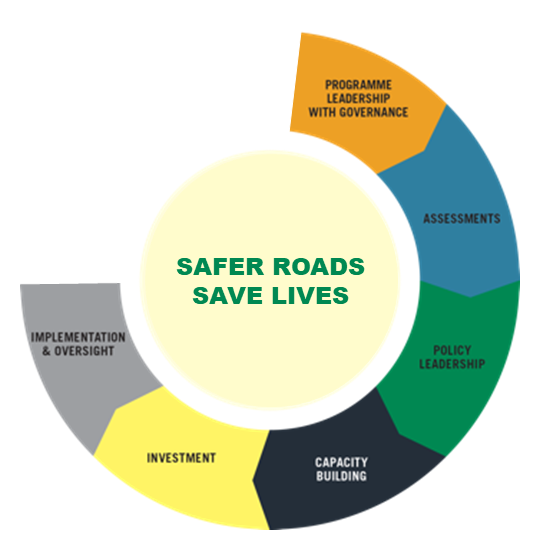
Implementation & Oversight
Communications & Advocacy