RAP in LAC
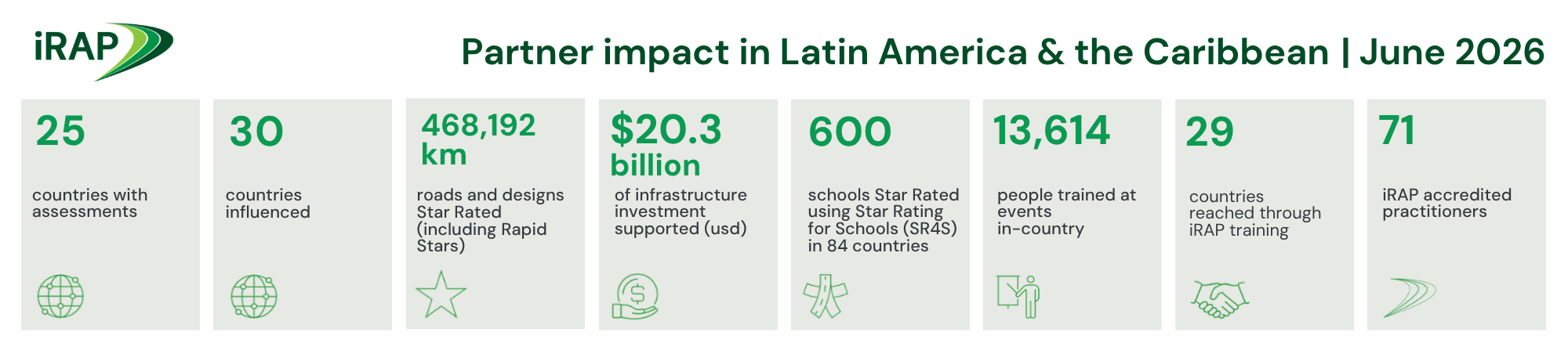
iRAP Partner Impact in LAC
iRAP is working with local partners to help not only save lives on Latin America and the Caribbean roads, but also promote healthy and sustainable forms of mobility such as walking and cycling, including through the use of Star Rating for Schools and Star Rating for Designs for safer school journeys and road designs.
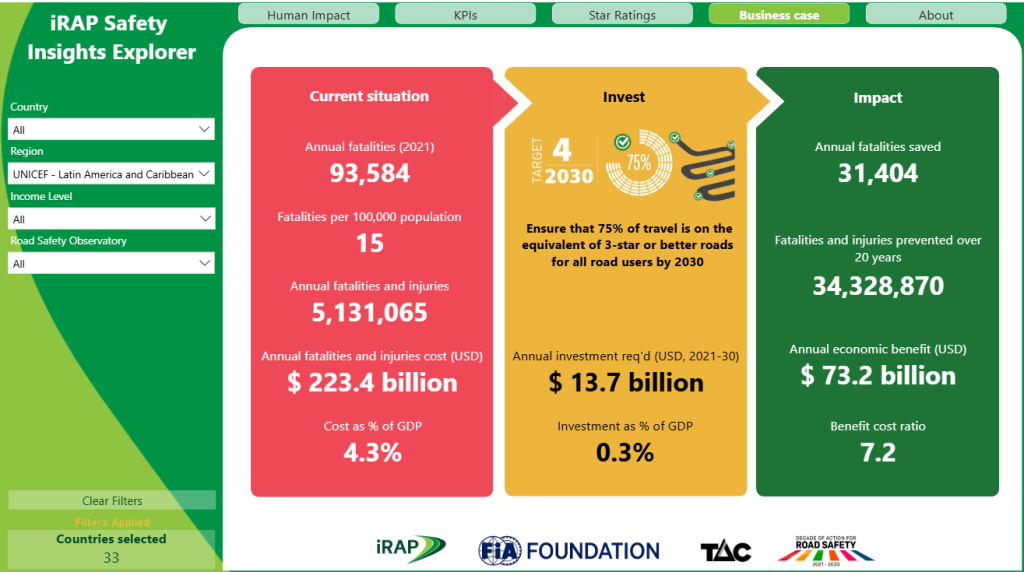
Achieving Target 4 by 2030 in Latin America and the Caribbean stands to save over 31,400 lives a year and nearly 34.3 million deaths and serious injuries over 20 years, with an annual economic benefit of US$73.2 billion
Strategic Projects Driving Road Safety Data and Innovation
Showcasing a selecting of major projects that have occurred or are still active in the LAC over time. Led by various partners in LAC.
 | 2024 – Launched in 2019, the award-winning BrazilRAP programme, led by Brazil’s National Department of Transport Infrastructure (DNIT), has assessed 6,412km of roads and designs and 38 schools, influencing the safety of nearly US$8 billion of life-saving infrastructure investment. A Star Rating assessment of Brazil’s national road network of 54,500 km was completed in 2022 and is informing an investment of BRL 18 billion to halve fatalities and serious injuries. | Click here for more informationDNIT and iRAP Launch BrazilRAP Programme to Address Road Safety |
 | 2024 – The Government of Mexico, through the Ministry of Infrastructure, Communications and Transport (SICT) and iRAP announced the launch of MexiRAP to reduce high-risk highways in the country and reduce the 16,000 road deaths that occur annually. | Click here for more information |
 | 2024 – The Government of São Paulo, through the DER (Department of Highways), an agency linked to the Secretariat of Environment, Infrastructure and Logistics (Semil), and the International Road Assessment Programme (iRAP), announced the launch of BrazilRAP São Paulo, aimed at evaluating and improving the safety of state highways. | Click here for more information |
 | 2024 – National assessment launches in Uruguay: An exciting iRAP project has officially launched in Montevideo, assessing Uruguay’s 8,700km road network and 54 schools, to identify and improve high-risk locations and safety for road users. | Click here for more information |
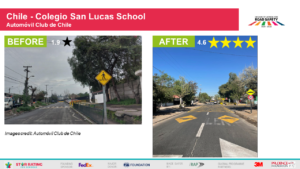 | 2024 – Building on efforts to prevent road crashes in school zones throughout Chile, Automóvil Club de Chile, in partnership with Buses Vule, has inaugurated a new school zone safety initiative in Lo Espejo and Puente Alto in 2024. This project is part of an ongoing plan to expand Star Rating for Schools (SR4S) assessments to create safer road environments for students nationwide. | Click here for more information |
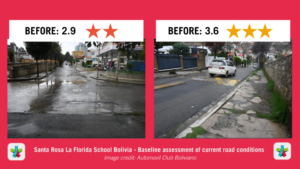 | 2024 – Safer school zones in Bolivia: La Paz implements collaborative project for enhanced safety. | Click here for more information |
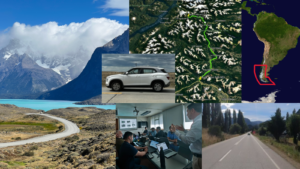 | 2024 – Chile’s breathtakingly beautiful yet challenging southern transport corridors are getting a road safety overhaul. The Ministry of Public Works (MOP) contracted a consortium led by DDQ Engineering Consultants, along with APSA and iRAP, to conduct a comprehensive assessment across 1,907km of roads in the Magallanes, Aysén, and Los Lagos regions. | Click here for more information |
Where We Work
Policies into Practice
Many countries are prioritising the safety of their road infrastructure by embedding 3-star or better safety targets in policy, aligned to UN Global Road Safety Performance Targets 3 and 4. A number of LAC countries have National Road Safety Strategies and Action Plans that include 3-star or better targets for safe road infrastructure.
- Brazil: Federal roads to achieve a 3-star or better safety standard according to iRAP. Brazil’s concessions auctioning with 3-star or better metric for safety.
- Brazil – Parana: Parana State Concessions 2030 Strategy – All concession roads to be a minimum 3-star safety rating by 2030 Nakuru, to identify high-risk road sections. Safer Road Investment Plans to be developed to prioritise evidence-based safety improvements and national capacity building to include a focus on the iRAP methodology and tools.
- Brazil – São Paulo: 2024-2030 Plan for BrazilRAP São Paulo – Identify and prioritise improvement of high risk 1 and 2-star road sections using the iRAP Methodology and develop a web platform to monitor road conditions according to iRAP.
- Cayman Islands: 2023-2038 National Road Safety Strategy – All new roads to meet a minimum 4-star iRAP rating and include adequate provision for pedestrians, cyclists, motorcyclists and drivers of vehicles.
- Peru: National Multisectoral Road Safety Policy – Implement iRAP assessments in urban and highway environments; increase percentage of local governments that implement safe school environments aligned to iRAP.
How Safe are LAC’s Roads and the Business Case for Safer Roads
The iRAP Safety Insights Explorer shines a light on the true scale of road crashes, the safety of the world’s roads, and the positive impact that can be made with investment.
Meet the LAC Team

Safer Journeys Lead (The Americas)
Edgar Zamora
Safer Journeys Lead (The Americas)
Edgar Zamora joined iRAP in November 2021, from where he focuses his work on developing strategic partnerships and projects that contribute to reducing road traffic deaths and injuries in the region. Before joining iRAP, he worked for 12 years for the Inter-American Development Bank, 9 of them as a Transportation Specialist, leading infrastructure projects in different countries in Latin America and the Caribbean.
His background as Civil Engineer and Master in Finance together with his wide experience on the ground allowed him to develop a sound track record in leading multidisciplinary teams through complex transport and road safety projects, successfully influencing policy changes that prioritize high-impact interventions in the LAC region.
Edgar has led and contributed to several safe mobility projects and publications on road safety issues. During his career, he worked in multiple Latin American and Caribbean countries, including all of Central America, Haiti, Guyana, and Suriname.

Operations Manager, Latin America and the Caribbean
Morgan Fletcher
Operations Manager, Latin America and the Caribbean
Morgan Fletcher is a Civil Engineer with over 15 years’ experience in road safety and transport infrastructure. He graduated with honours from the University of Newcastle in 2007 and began his career with AECOM in Brisbane as a Transport and Highways Engineer and Road Safety Auditor. In 2012, he volunteered with iRAP in Mexico, supporting the expansion of evidence-based road safety programmes across Latin America.
Since then, Morgan has led and supported road assessment and capacity-building projects across the Caribbean, Latin America, North America, Europe and Asia, working with governments, development banks and major road operators. He is passionate about applying data-driven approaches to design safer roads, strengthen local capacity and ultimately save lives.

Training and Accreditation Lead
Franco Azzato
Training and Accreditation Lead
Franco Azzato is an Industrial-Mechanical Engineer with more than seven years of experience in road safety. He has worked extensively across Latin America, supporting initiatives focused on motorcycle safety and child road safety before joining the Safe Infrastructure field with iRAP in 2022.
His work combines technical knowledge with practical implementation, helping governments and partners translate evidence into safer roads and policies. Franco is committed to strengthening local capacity, believing that road safety should be approached as a shared responsibility and a fundamental right.
Through his professional role, he aims to contribute to fewer people and families experiencing the irreversible impact of road crashes.

Sustainable Mobility Coordinator
Minh Vo
Sustainable Mobility Coordinator
Minh Vo holds an MSc in Urban Planning and brings expertise in road safety, sustainable mobility, and monitoring and evaluation. At iRAP, she supports the Star Rating for Schools (SR4S) and CycleRAP programmes, advancing evidence-based infrastructure assessments and improvements while strengthening partnerships with governments, development agencies, and communities worldwide.
Her background uniquely bridges technical analysis and community engagement, with a strong focus on developing climate-resilient and inclusive transportation systems that align with the UN Decade of Sustainable Transport (2026–2035). Minh is passionate about translating data and research into real-world solutions that protect vulnerable road users, particularly children and cyclists.
A recipient of the Australia Awards Scholarships and the 2025 Peter Kissinger Memorial Award, she embodies both professional excellence and a genuine commitment to saving lives through safer, more sustainable streets for all.
Latest News from LAC
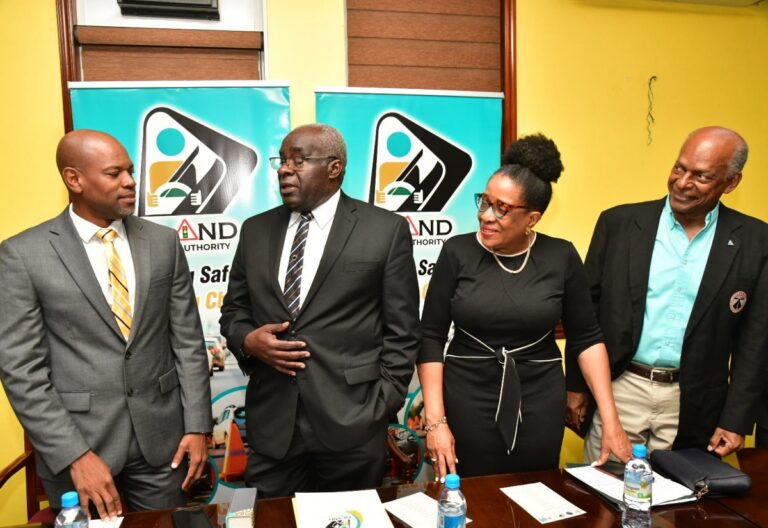
1,000 Kilometres of Roads to Be Evaluated Using iRAP Methodology in Jamaica
Event Summary: RAP in Latin America and the Caribbean Event 2024
Invest in Your Expertise: New Training and Accreditation newsletter now available (November 2024)
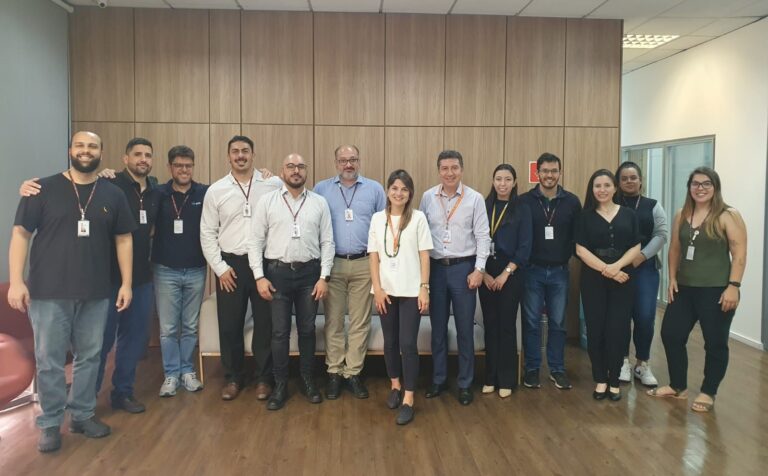
CCR, Brazil’s largest concession operator receives iRAP training
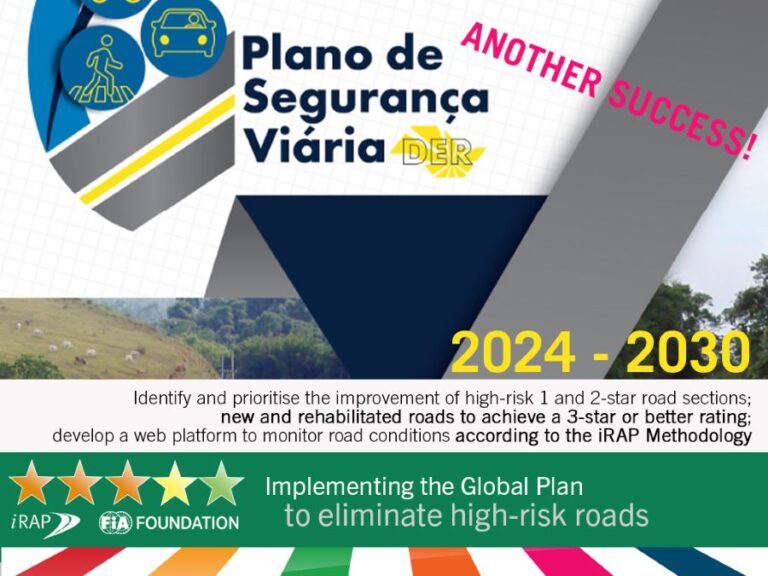
BrazilRAP Sao Paulo 2030 Plan released
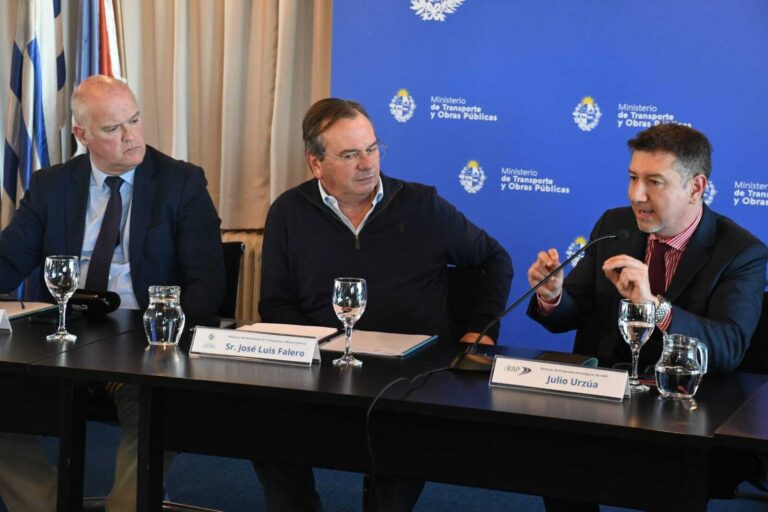
National assessment launches in Uruguay
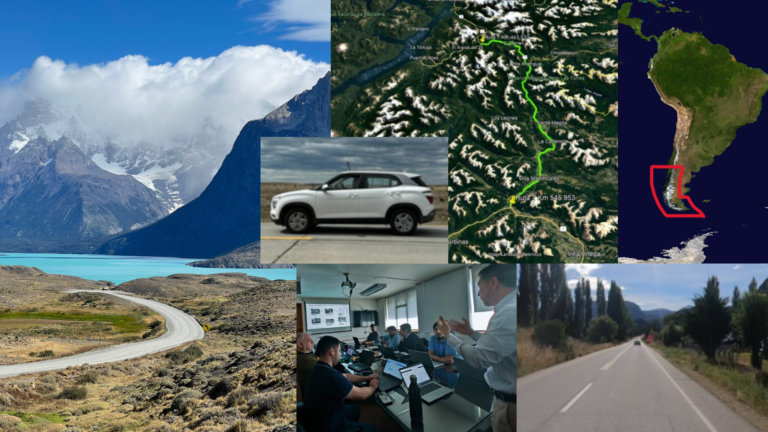
Star ratings shine light on safer roads for Chile’s stunning south