RAP in Africa
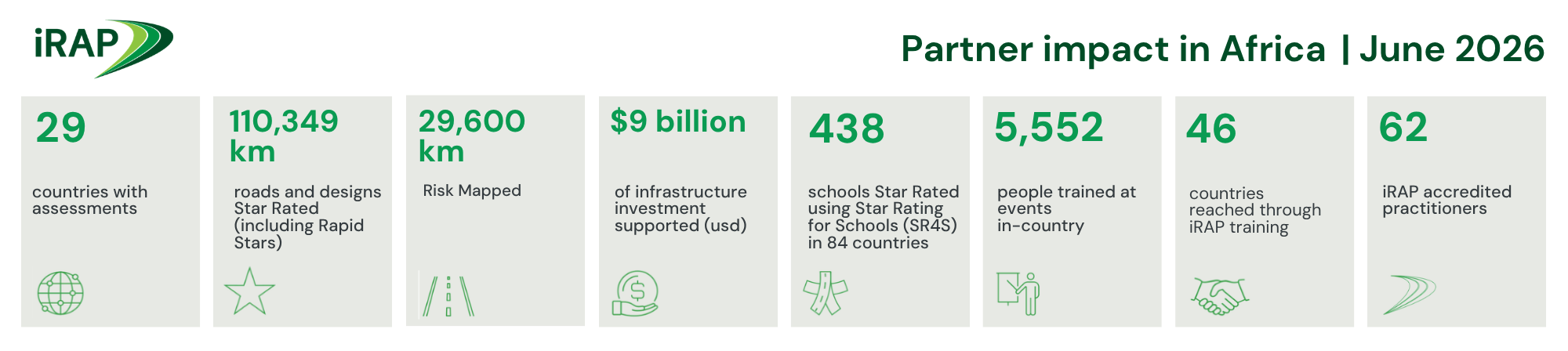
iRAP Partner Impact in Africa
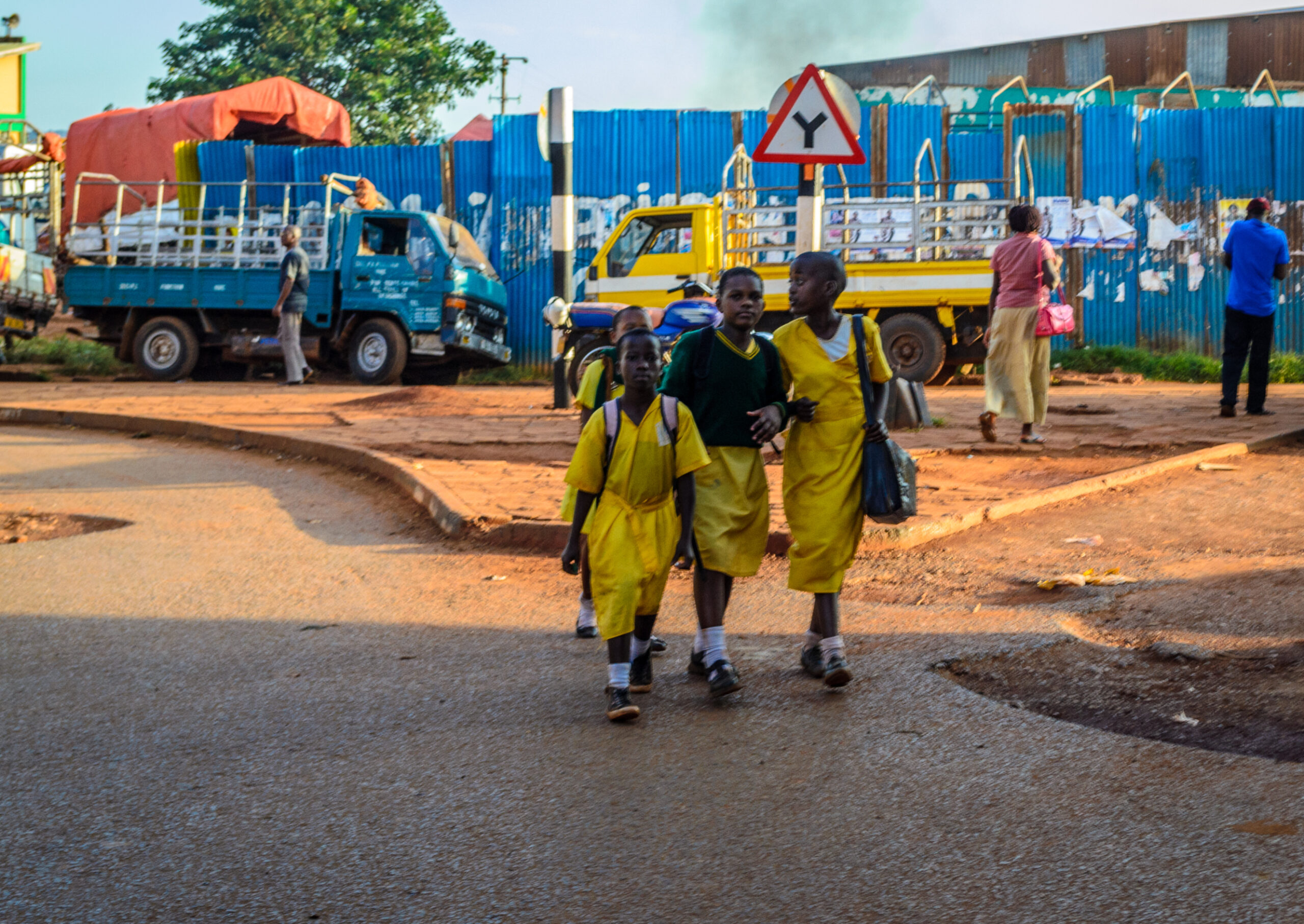
iRAP is working with local partners to help not only save lives on African roads, but also promote healthy and sustainable forms of mobility such as walking and cycling, including through the use of Star Rating for Schools and Star Rating for Designs for safer school journeys and road designs.
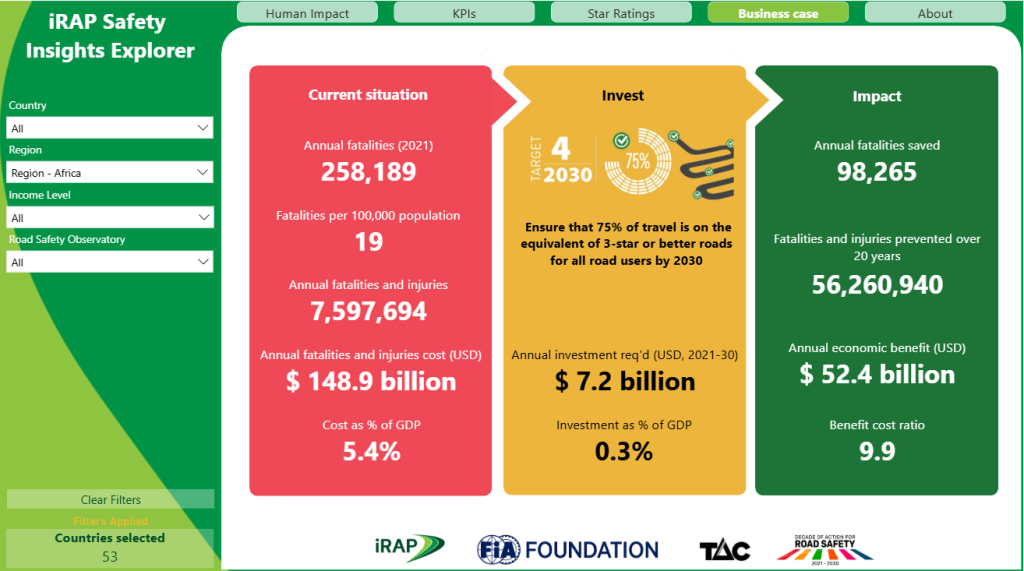
Achieving Target 4 by 2030 in Africa stands to save over 98,000 lives a year and 56 million deaths and serious injuries over 20 years, with an economic benefit of US$52.4 billion.
Strategic Projects Driving Road Safety Data and Innovation
Showcasing a selecting of major projects that have occurred or are still active in Africa over time. Led by various partners in Africa.
 | 2025 – the Federal Road Safety Corps (FRSC) and iRAP signed a license agreement officially launching NigeriaRAP, the country’s first national Road Assessment Programme. The next phase will see FRSC and the team from Kwapda’s Road Safety Demand (KRSD) establish a NigeriaRAP Steering Committee, expand SR4S based on six schools already assessed, and initiate training on Safer Road Engineering (SRE) and SR4S before commencing ground activities. | Click here for more information |
 | 2025 – iRAP, the National Road Safety Agency (ANASER and the Steering Committee of the Ten Steps Senegal Project announced the launch of SnRAP in Dakar, the Senegal Road Assessment Programme to eliminate high-risk roads. | Click here for more information |
 | 2023 – Jointly funded by the United Nations Road Safety Fund (UNRSF) and the Foreign Commonwealth and Development Office (UKAid), through the Global Road Safety Facility (GRSF) of the World Bank. The 30-month Tanzania Ten Step Plan pilot project has built sustainable institutional capacity for safer roads, as well as impact and partnerships to save lives and reduce serious injuries resulting from road crashes. | Click here for more information |
 | 2022- TanRAP, the Tanzanian Road Assessment Programme, was launched in Dar es Salaam to eliminate high-risk roads and curb the more than 16,000 people who die on the country’s roads annually. | Click here for more information |
 | 2024- SARAP programme activity has assessed 42,751 km of roads and designs, and 81 schools. | Click here for more information |
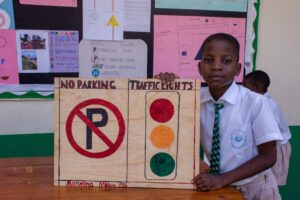 | 2024 – Under the FIA Road Safety Grant Programme, the Federation of Motorsports (FMU), together with its partners (including the FIA), have begun implementing a Safe School Zones assessment Road Safety Programme to combat these road safety challenges in the Wakiso District, Kampala Metropolitan of Uganda. The programme, which utilizes the Star Rating for Schools (SR4S) tool, aims to achieve safer routes to schools through a holistic approach of assessing school infrastructure, teaching road accessibility and crossing skills to children, and providing safety education to two-wheeler users (Boda-bodas). | Click here for more information |
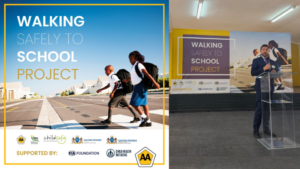 | 2024 – The Automobile Association (AA) and ChildSafe South Africa, supported by the FIA Foundation and its Child Health Initiative (CHI), has taken a significant step towards improving road safety in Mamelodi, Tshwane through the launch of Project WATCH to upgrade road safety around ten schools. The Walking Safely to School (WATCH) project will be implemented from April 2024 to March 2026 and aims to improve road infrastructure and promote road safety around the schools with modifications to signs, traffic markings, speed humps, raised pedestrian crossings, and sidewalks around the school zones. Supported by Star Rating for Schools (SR4S), ChildSafe will conduct star rating assessments of the infrastructure modifications and providing road safety education. | Click here for more information |
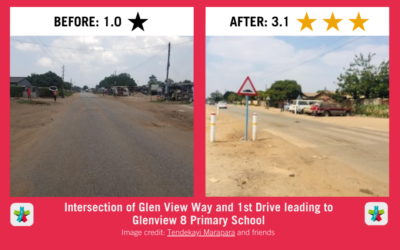 | 2024 – The 2022 Global Youth Coalition for Road Safety Local Actions Winner, Zimbabwe youth advocate Tendekayi Marapara and his peers initiated the “Safer School Zones Zimbabwe” project targeting Glen View 8 Primary School in Harare, Zimbabwe. The objectives of the project, which include: advocating for reduced speed limits around school zones; forming road safety coalitions involving youth participation; and ensuring improved road infrastructure for schools like Glen View 8 Primary School using SR4S assessment results, represent critical strides toward fostering safer environments for children commuting to school. | Click here for more information |
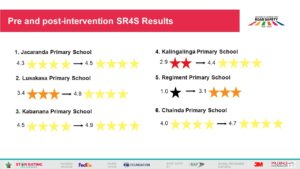 | 2023 – The United Nations Development Programme (UNDP), the Ministry of Local Government and Rural Development, and the UN Road Safety Fund joined forces to tackle road safety challenges around schools in Lusaka. Their focus is on infrastructure improvements in high-risk areas, using the Star Rating for Schools (SR4S) app to assess and quantify the risks children face. Six schools in densely populated areas of Lusaka were chosen for the initial phase. The project implemented various measures to enhance safety including; safe pedestrian crossings, speed reduction measures and awareness campaigns, which saw the star ratings all have a significant increase for each school. | Click here for more information |
Where We Work
Policies into Practice
Many countries are prioritising the safety of their road infrastructure by embedding 3-star or better safety targets in policy, aligned to UN Global Road Safety Performance Targets 3 and 4. A number of African countries have National Road Safety Strategies and Action Plans that include 3-star or better targets for safe road infrastructure.
- Eswatini: 2023-2030 National Road Safety Strategy – iRAP study to be conducted on major rural and urban roads; highway network and >75% of travel on main roads to achieve a 3-star or better safety rating by 2030.
- Gambia: 2020−2030 Gambia Road Safety Strategy – National highway network to achieve 3-star or better performance standard.
- Kenya: 2024−2028 Kenya National Road Safety Action Plan – iRAP assessments to be undertaken of Class A, B and C paved roads, and major urban road networks in Nairobi, Mombasa, Kisumu, Eldoret, and Nakuru, to identify high-risk road sections. Safer Road Investment Plans to be developed to prioritise evidence-based safety improvements and national capacity building to include a focus on the iRAP methodology and tools.
- Limpopo, South Africa: Specify a star rating target for all designs for each road user; Undertake iRAP assessments using accredited experts to ensure a minimum three stars or better for all road users; Prioritise implementation of top 10 countermeasures identified in iRAP star rating process.
- Malawi: 2022−2030 Malawi National Road Safety Strategy – Road Safety Audit to be completed for all new roads, and include iRAP Star Rating. Minimum 3-star to be achieved for all road users.
- Tanzania: 2024/5−2026/7 Tanzania National Road Safety Plan – iRAP methodology to be used and improved road design guidelines and road inspection systems to be integrated with iRAP certification.
- Uganda: 2021−2026 Uganda National Action Plan – Enforce mandatory road safety audits from feasibility to detailed design and during construction using independent and accredited experts to ensure a minimum standard of 3-star rating or better for all road users. Certificate of Road Safety Compliance should be mandated for all road designs.
- Uganda: Guide for Establishment of Safe Schools Zones – Steps for designing new and upgrading existing school zones include assessments using methods such as iRAP Star Rating for Schools.
- UNECA/ Africa: Strategic Directions for Post Decade of Action 2011-2020 and African Road Safety Plan 2021-2030 – Mandatory risk assessment of road infrastructure using independent and accredited experts to ensure a minimum standard of three stars of better for all road users; specify a star rating target for designs.
How Safe are Africa's Roads and the Business Case for Safer Roads
The iRAP Safety Insights Explorer shines a light on the true scale of road crashes, the safety of the world’s roads, and the positive impact that can be made with investment.
Meet the Africa Team

Safer Journeys Lead (Africa)
Nathalie Chiavassa
Safer Journeys Lead (Africa)
Nathalie Chiavassa is a dedicated road safety specialist and certified road safety auditor with more than 20 years of experience across Sub‑Saharan Africa and the Caribbean. She has contributed as an expert and team leader to numerous training programmes and has played a key role in advancing the Two Decades of Action for Road Safety, providing technical assistance, policy and strategy reviews, and capacity building in over 15 African countries.
Her professional background includes supporting major road rehabilitation and modernization projects throughout Africa. Her expertise covers road safety engineering, on‑site assessments, the development of technical manuals, and advisory support to road safety agencies, institutions, and civil society organizations.
Since March 2023, she has served as Lead for Safer Roads in Africa at the International Road Assessment Programme (iRAP), where she is committed to strengthening efforts to save lives across the continent.

Training and Accreditation Lead
Franco Azzato
Training and Accreditation Lead
Franco Azzato is an Industrial-Mechanical Engineer with more than seven years of experience in road safety. He has worked extensively across Latin America, supporting initiatives focused on motorcycle safety and child road safety before joining the Safe Infrastructure field with iRAP in 2022.
His work combines technical knowledge with practical implementation, helping governments and partners translate evidence into safer roads and policies. Franco is committed to strengthening local capacity, believing that road safety should be approached as a shared responsibility and a fundamental right.
Through his professional role, he aims to contribute to fewer people and families experiencing the irreversible impact of road crashes.

Sustainable Mobility Coordinator
Minh Vo
Sustainable Mobility Coordinator
Minh Vo holds an MSc in Urban Planning and brings expertise in road safety, sustainable mobility, and monitoring and evaluation. At iRAP, she supports the Star Rating for Schools (SR4S) and CycleRAP programmes, advancing evidence-based infrastructure assessments and improvements while strengthening partnerships with governments, development agencies, and communities worldwide.
Her background uniquely bridges technical analysis and community engagement, with a strong focus on developing climate-resilient and inclusive transportation systems that align with the UN Decade of Sustainable Transport (2026–2035). Minh is passionate about translating data and research into real-world solutions that protect vulnerable road users, particularly children and cyclists.
A recipient of the Australia Awards Scholarships and the 2025 Peter Kissinger Memorial Award, she embodies both professional excellence and a genuine commitment to saving lives through safer, more sustainable streets for all.
Latest news from Africa

Moroccan PIDG workshop promotes safety in projects
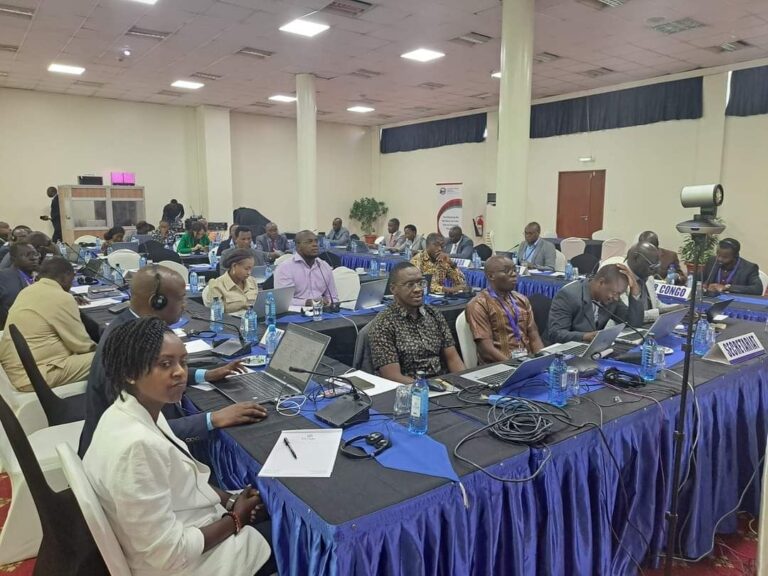
Safety focus at Northern Corridor Summit on Multimodal Transport, Nairobi
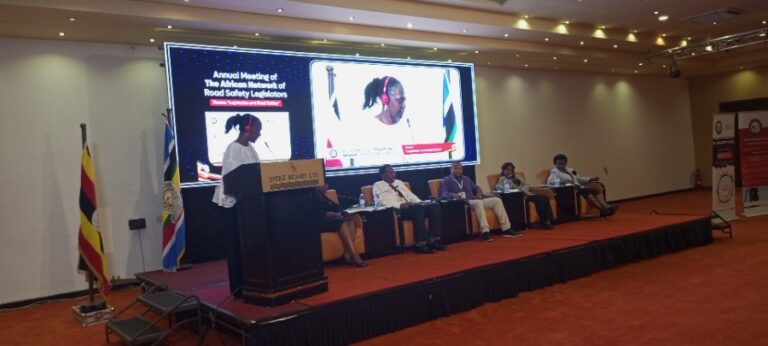
African Parliamentarians and Legislators gather for road safety
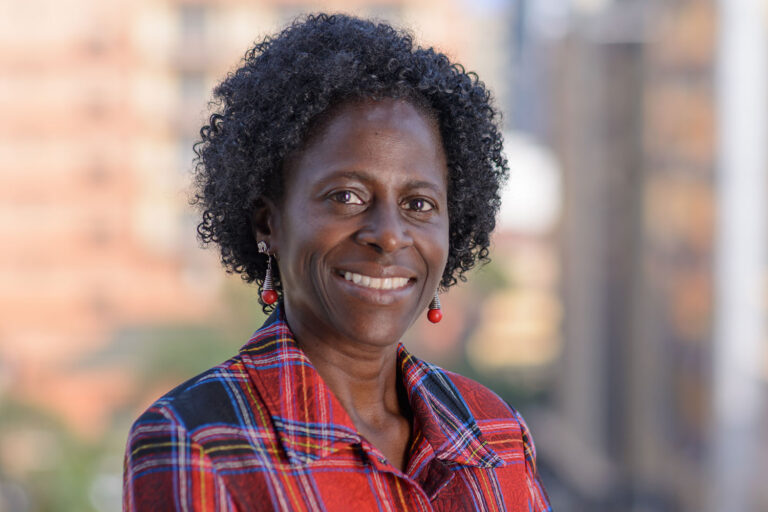
Dr Olive Kobusingye joins iRAP Board
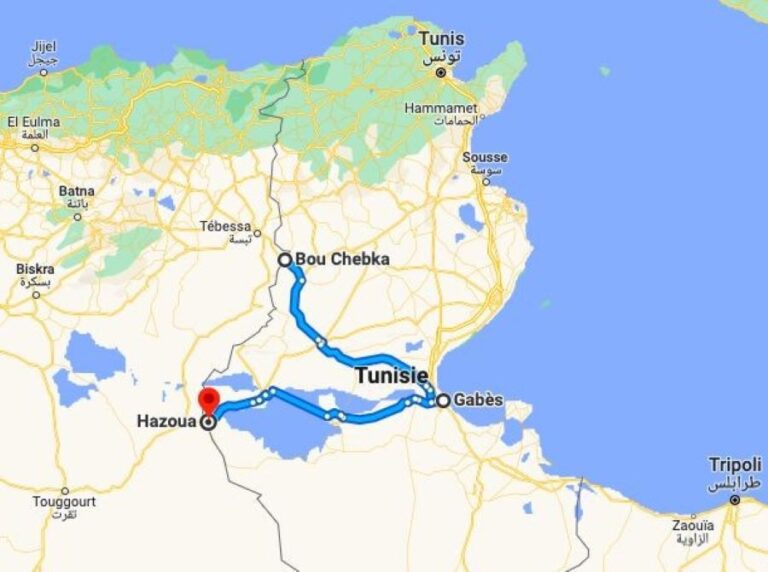
iRAP assessment underway between Algerian border and Port of Gabes, Tunisia
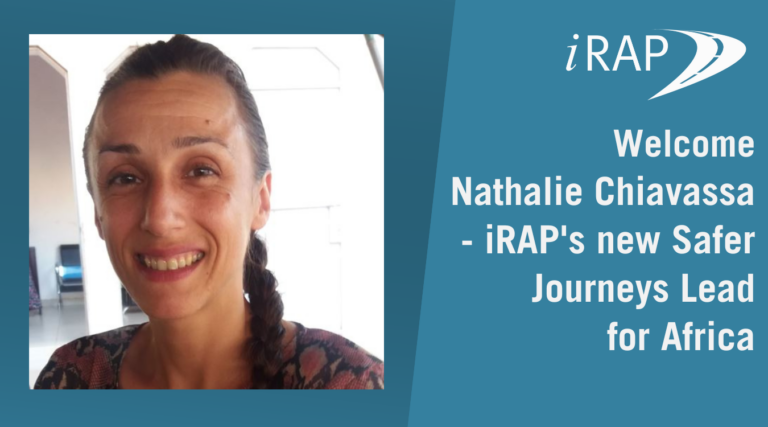
Welcome Nathalie Chiavassa – iRAPs new Safer Journeys Lead for Africa
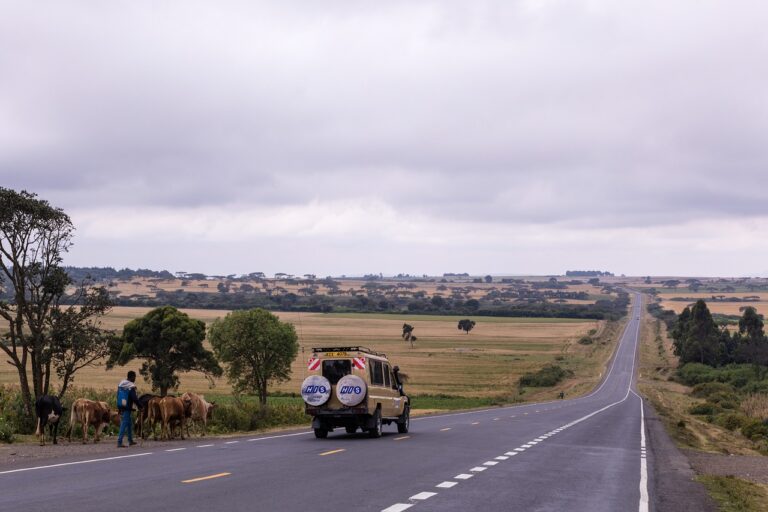
Improving road safety in Kenya supported by Bloomberg Philanthropies