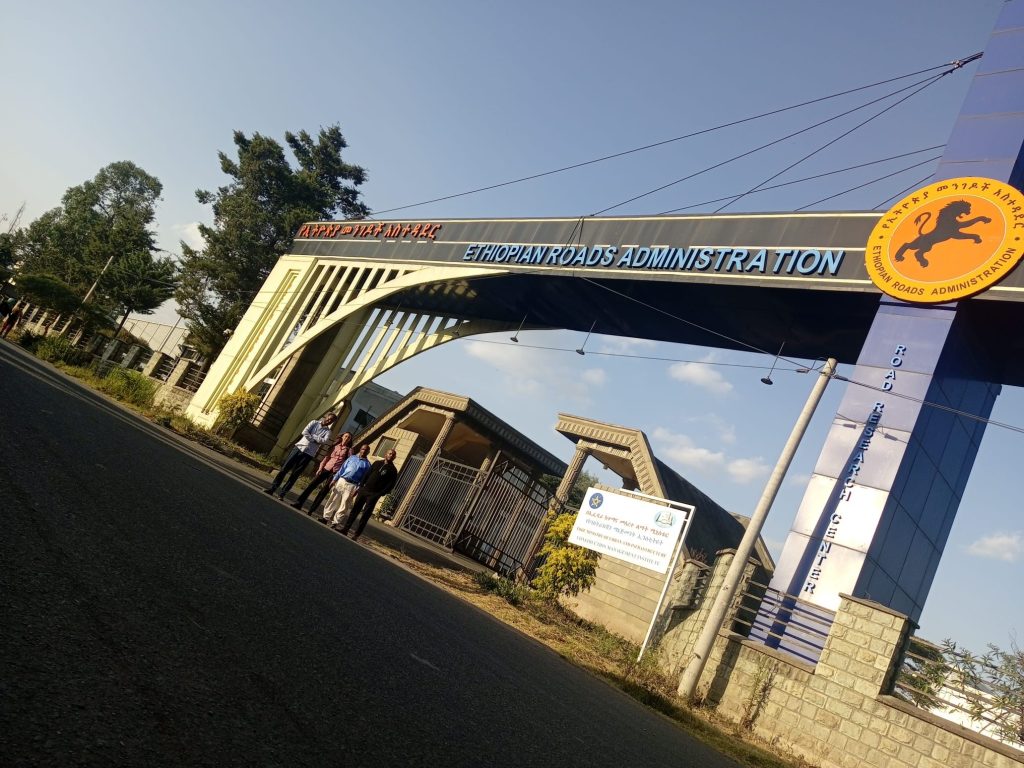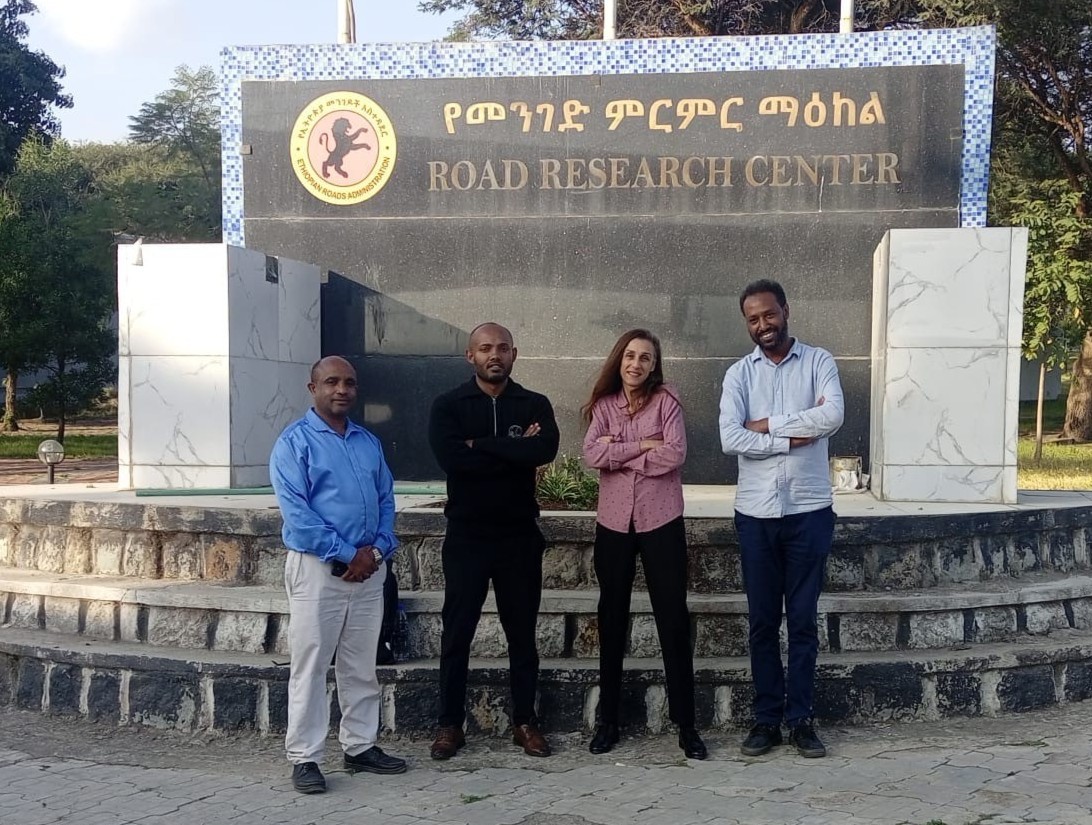
iRAP’s Safer Journeys Lead for Africa, Nathalie Chiavassa, was in Ethiopia this week and met with the Ethiopian Roads Administration (ERA) Road Research Centre Team to review progress delivering on their tripartite MOU with iRAP for safer roads in the country and to establish EthiopiaRAP.
The Memorandum of Understanding (MOU) was signed between iRAP, ERA and the Ethiopian Road Safety and Insurance Funds Service (RSIFS) with this goal in June.
Ethiopia is increasingly focused on delivering safer, more resilient roads and streets for all road users, supported by an ambitious Non-Motorised Transport (NMT) strategy and ongoing infrastructure improvements.
The ERA-RRC team is actively deploying iRAP tools in their work and undertaking training in road safety engineering towards iRAP Accreditation.
A 92km pilot assessment is underway, with the team preparing Star Rating results and a Safer Roads Investment Plan (SRIP) report for submission to iRAP.
Discussions focussed on establishing EthiopiaRAP and a national steering committee, drawing on insights and experiences from other Road Assessment Programmes (RAPs) around the world.
The RAP will bring key stakeholders together around a shared evidence-based approach to building road safety capacity, assessing road risks, prioritising investment and policy to achieve 3-star or better safety for all road users, and measuring success over time. By coordinating expertise, data, resources and action, the programme aims to turn road safety commitment into practical improvements to reduce the country’s road trauma burden.
Demonstrating local innovation and technical capability, the ERA team has also developed an internal tool to extract images from video recordings in accordance with iRAP specifications, alongside a tool to streamline road attribute coding. Both tools will be proposed for iRAP Accreditation under the agreement.
The visit highlighted the enthusiasm, commitment and dedication of the ERA team to saving lives in Ethiopia.
Nathalie will also meet with the RSIFS team to discuss their activities and further opportunities to work together to advance the MoU, strengthening collaboration towards safer roads nationwide.
iRAP’s Safety Insights Explorer estimates that achieving UN Target 4 for the majority of travel to be on 3-star or better roads for all road users in Ethiopia by 2030 stands to save an estimated 9,385 lives each year and over 2 million fatalities and injuries over the 20-year life of road treatments, with an economic benefit of US$2.2 billion – $11.80 for every $1 spent.