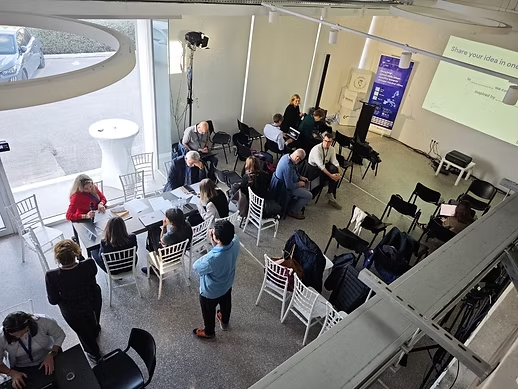
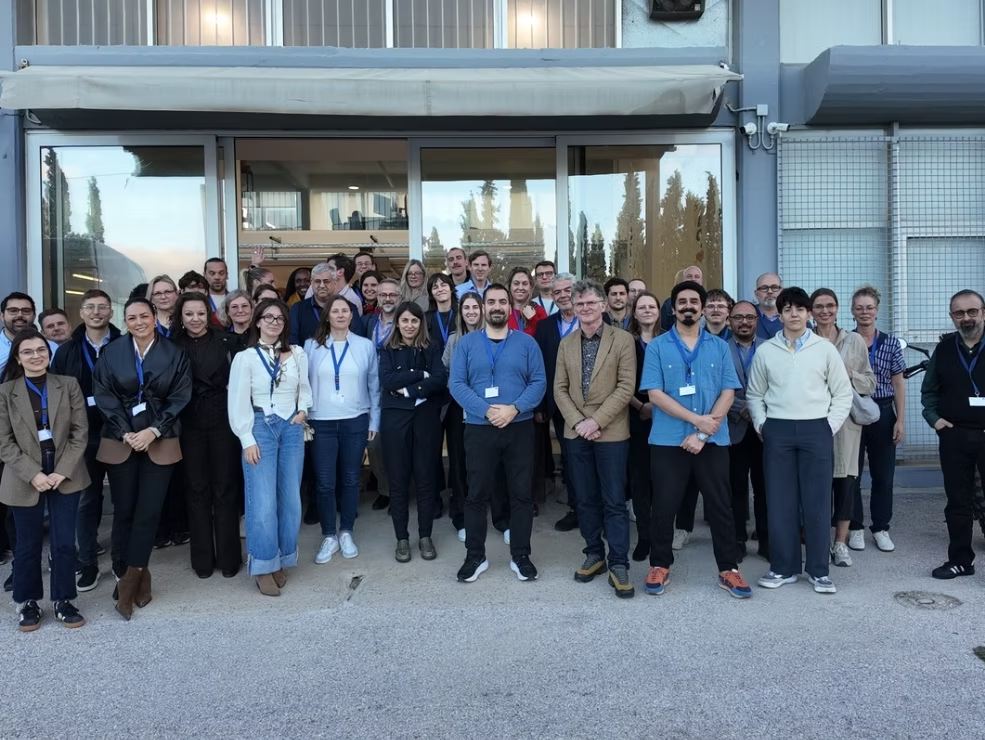
On 5 and 6 November 2026, iRAP joined the ELABORATOR project partners in Athens, Greece, for the project’s final event. Hosted by I-SENSE Group/ICCS, the two-day meeting provided an opportunity to showcase the project’s achievements, reflect on lessons learned and explore how its results can contribute to safer, more inclusive and sustainable urban mobility across Europe.
Day 1: Putting the ELABORATOR cities in the spotlight
The first day was dedicated to the experiences of the ELABORATOR cities, placing local experimentation and knowledge exchange at the heart of the discussions.
The Lighthouse Cities opened the day with presentations showcasing their interventions, experiences and lessons learned from implementing innovative urban mobility solutions. The presentations offered an opportunity to reflect on the challenges of transforming urban environments and the approaches adopted to address local mobility needs.
The Follower Cities subsequently presented their own journeys within the project, highlighting how ELABORATOR’s approaches and solutions can be adapted to different urban contexts. Their experiences contributed to exploring the replicability and transferability of sustainable urban mobility interventions.
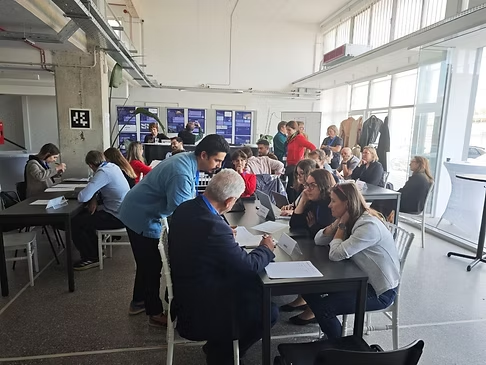
In the afternoon, a dedicated Observer Cities Learning Workshop encouraged knowledge exchange and discussions on how the project’s findings and experiences could inform mobility planning in other European cities.
The first day concluded with a networking reception, providing further opportunities for informal exchanges between project partners and city representatives.
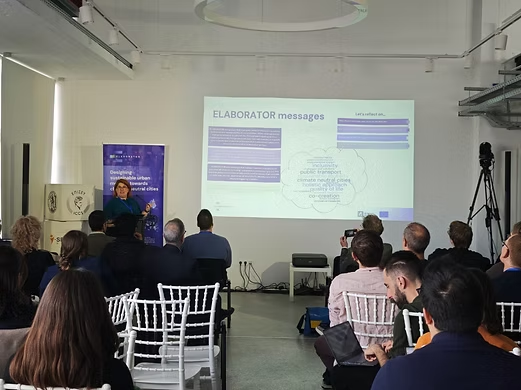
Day 2: Exploring the project’s results and achievements
The second day shifted the focus towards the broader outcomes of ELABORATOR’s research, innovation and demonstration activities.
Following introductory contributions from the project’s CINEA Project Officer and Project Coordinator, partners presented the methodologies, toolkit and digital tools developed throughout the project. These sessions highlighted the resources designed to support cities in planning, implementing and assessing urban mobility interventions.
The afternoon looked towards the future of ELABORATOR’s results. Discussions covered dissemination and liaison activities, the project’s exploitation plan, its contribution to the CIVITAS book, and its work on policies and regulations.
Looking beyond ELABORATOR
The final event represented not only an opportunity to showcase the project’s achievements but also to celebrate the collaboration between cities, research institutions and mobility stakeholders that has shaped ELABORATOR throughout its lifetime.
By combining local experimentation, research, technological innovation and knowledge exchange, ELABORATOR has contributed to exploring new pathways towards more inclusive, safe and sustainable urban mobility.
The ELABORATOR Knowledge Hub will continue being available, providing tools, case studis and data on inclusive urban design.