
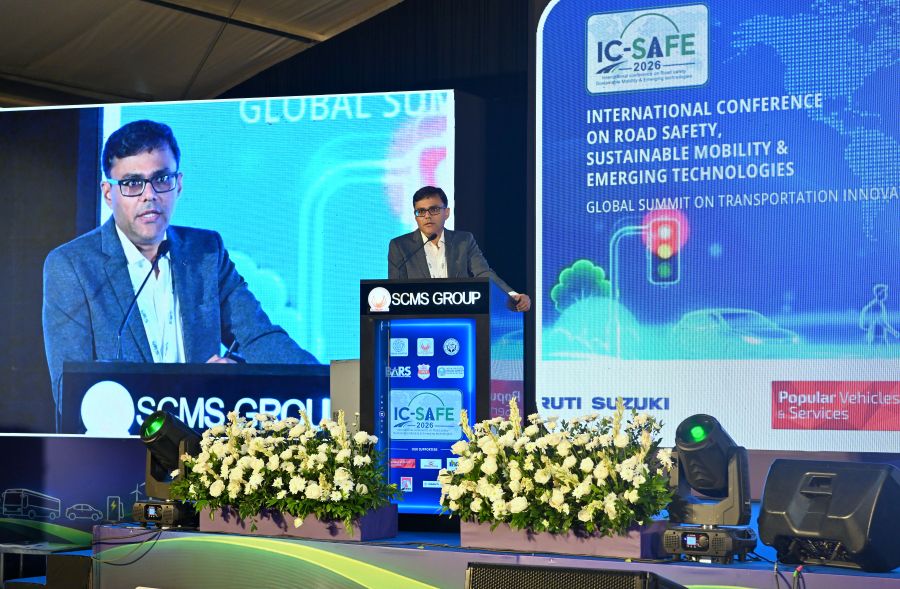
IndiaRAP Technical Lead Jigesh Bhavsar highlighted the power of the data-driven infrastructure safety assessments and improvements to save lives and prevent serious injuries at the International Conference on Road Safety, Sustainable Mobility and Emerging Technologies (IC-SAFE 2026) held in Kochi, India, on 12-13 November.
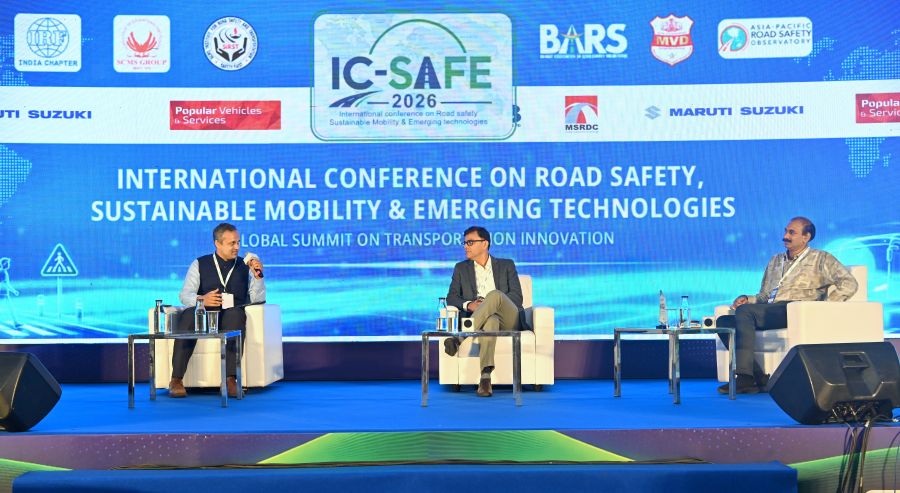
Jointly organised by the SCMS Institute for Road Safety and Transportation (SiRST) and the International Road Federation India Chapter (IRF-IC), with the support of the Asia Pacific Road Safety Observatory (APRSO), Bharat Association of Road Safety volunteers (BARS), and Kerala Motor Vehicles Department, the two-day event brought together 200 global leaders, experts, researchers, policymakers and innovators to shape the future of road safety and sustainable mobility.
Jigesh presented on Beyond Blackspots: A Proactive, Data-Driven Approach to Safer Road Infrastructure through iRAP, demonstrating how the International Road Assessment Programme (iRAP) Methodology is helping governments and road authorities move beyond reactive blackspot treatments towards proactive, evidence-based road safety investment.
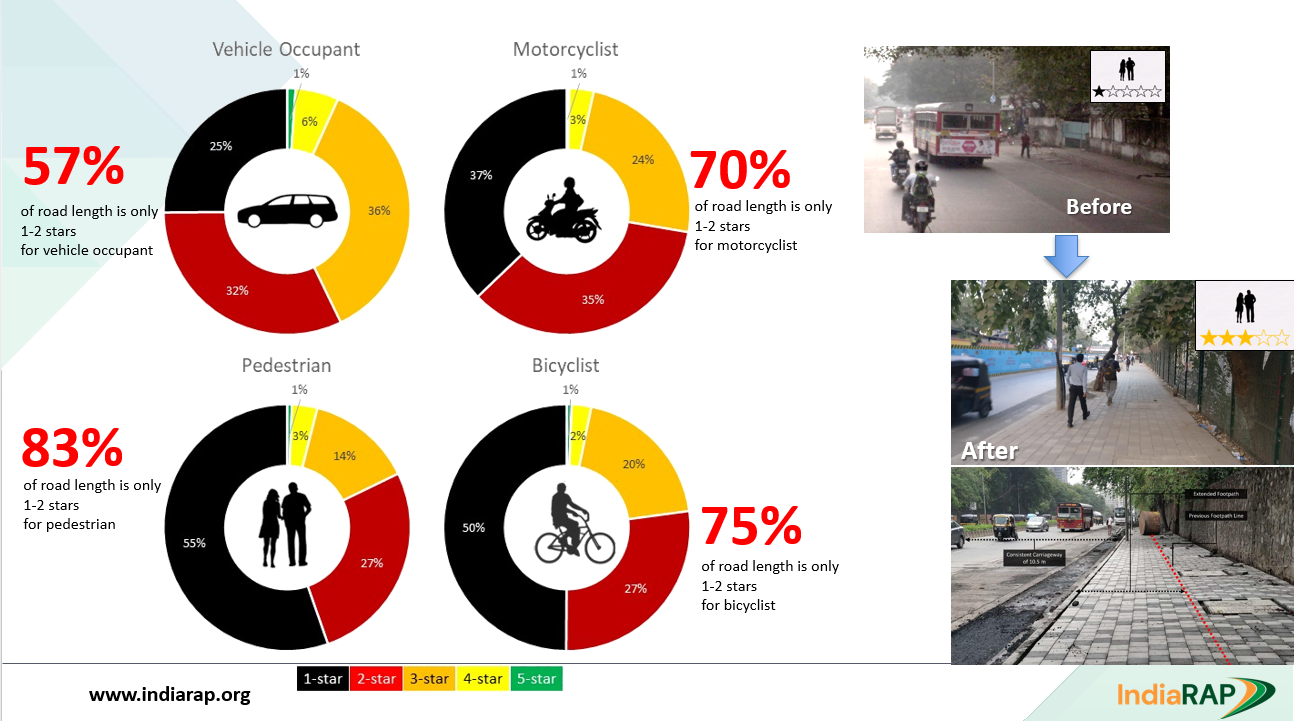
His presentation explored how safe India’s roads are for pedestrians, bicyclists, motorcyclists and vehicle occupants, and the percentage of roads that meet the global 3-star or better infrastructure safety standard.
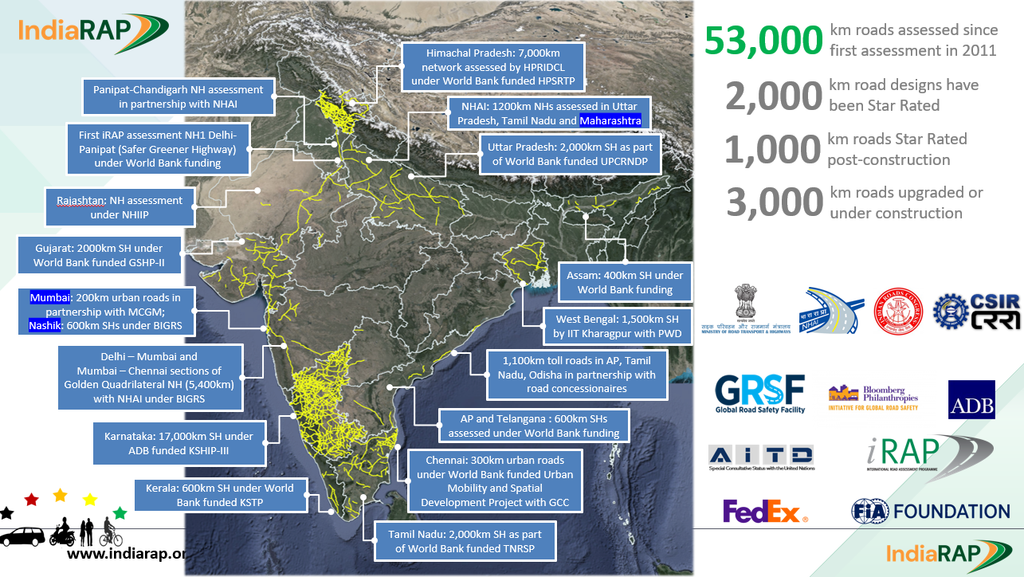
The iRAP Methodology is being applied to identify road infrastructure risks, assess safety for all road users, and prioritise evidence-based improvements to eliminate high-risk roads and prevent road deaths and serious injuries.
Since 2021, IndiaRAP partners have Star Rated more than 53,000km of existing roads and 2,000km of road designs. Approximately 3,000km of roads have been upgraded or are under construction informed by IndiaRAP assessments, translating safety evidence into tangible infrastructure improvements. Of those, 1,000km of post-construction assessments have been completed helping to performance track safety and investment.
Jigesh shared Star Rating examples and the road attributes that influence safety (Click on the image to enlarge):
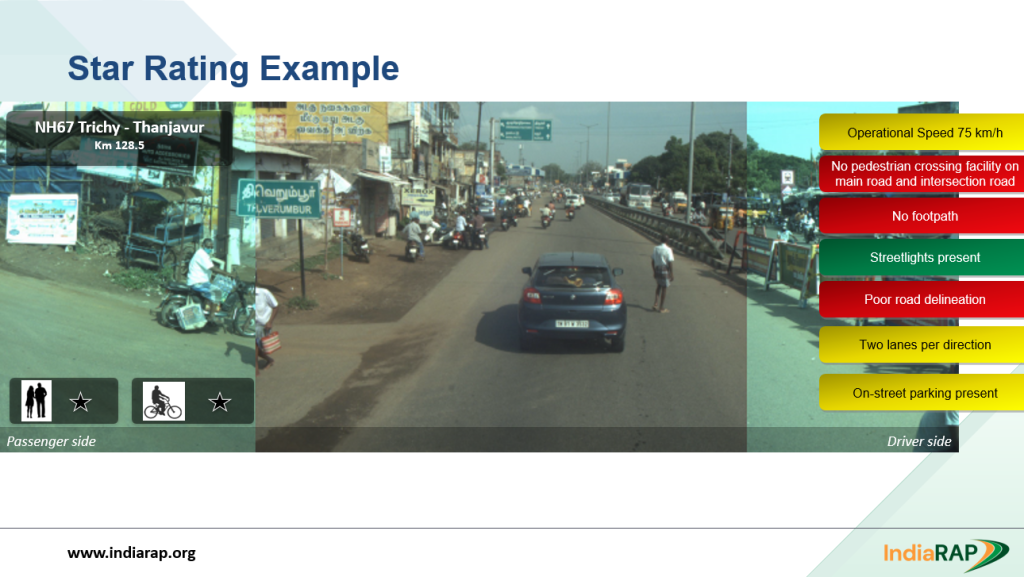
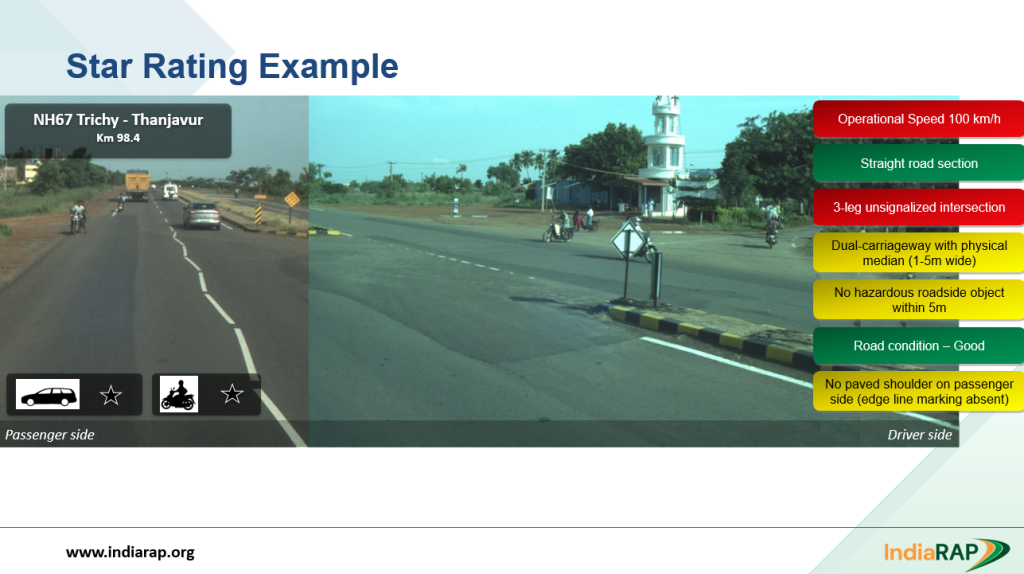
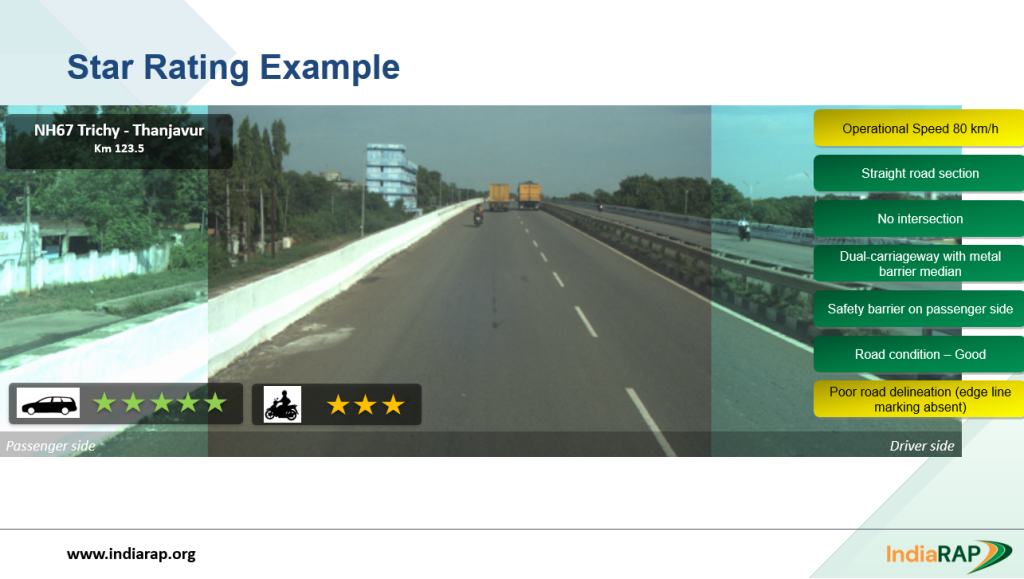
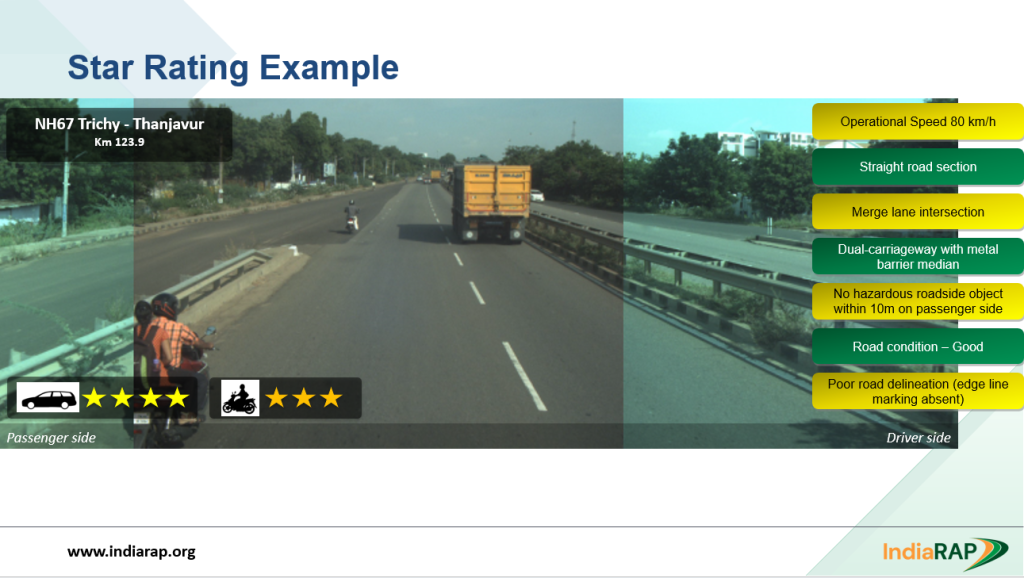
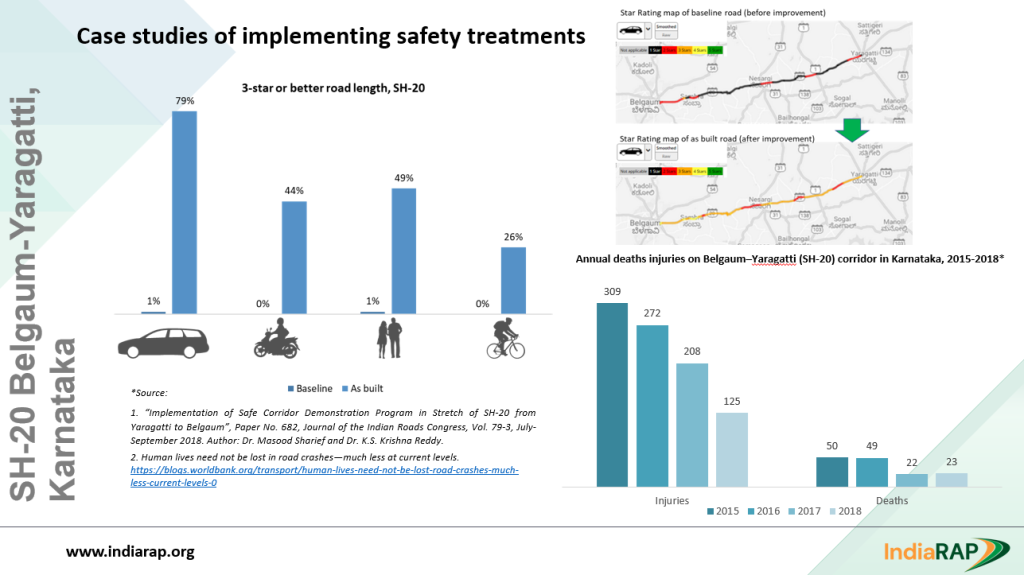
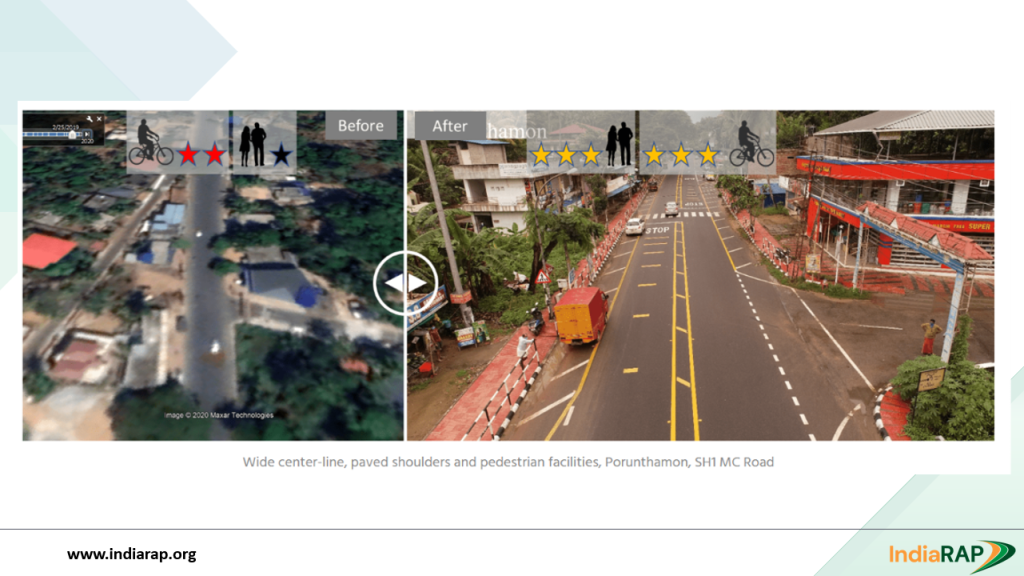
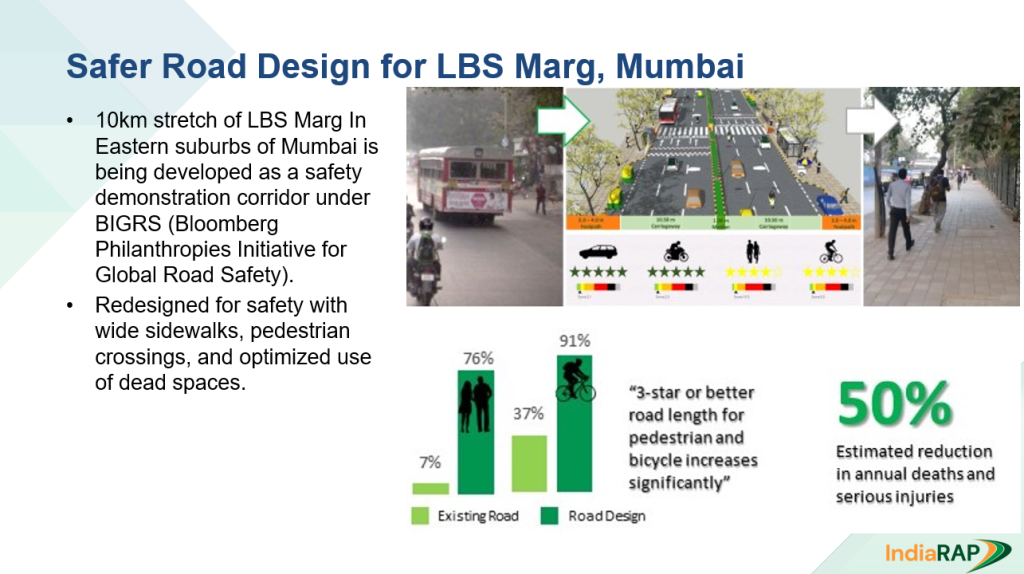
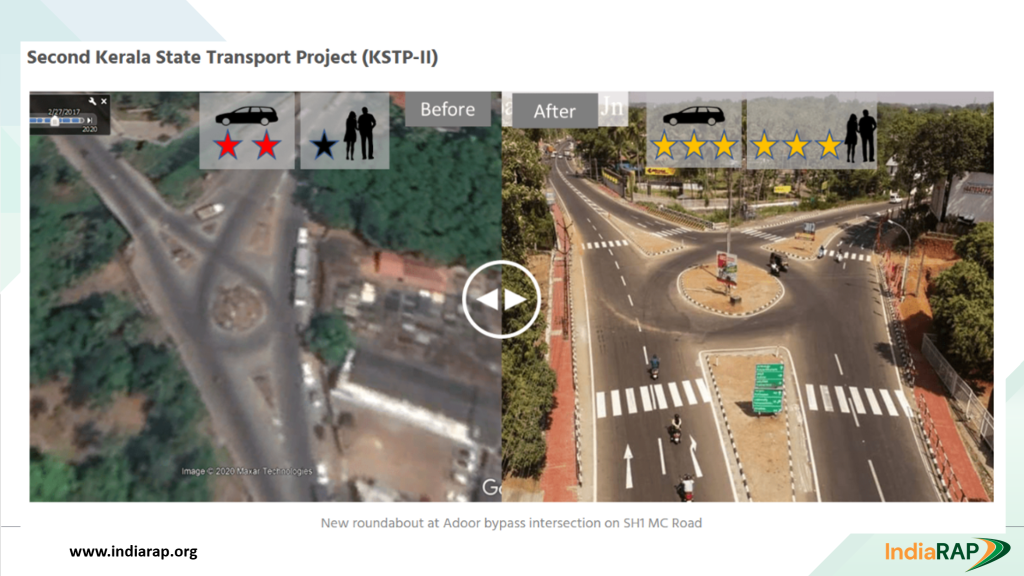
He also shared life-saving case studies of success (Click on the image to enlarge):
Jigesh’s participation reinforced the importance of proactive road safety assessment, innovation and collaboration in delivering safer road networks and supporting the global ambition of a world free of high-risk roads.
Other IC-SAFE 2026 program topics included: the Safe System Approach and Vision Zero, asset management; road safety policy, governance and legislation; the safety of vulnerable road users; human factors and driver behaviour; Intelligent Transportation Systems (ITS); climate-resilient and sustainable urban mobility; autonomous and connected vehicle safety technologies; emerging technologies and traffic management for future mobility; and AI and data analytics for future roads.
For more information:
- On IndiaRAP, click here.
- On IC-SAFE 2026, click here.