
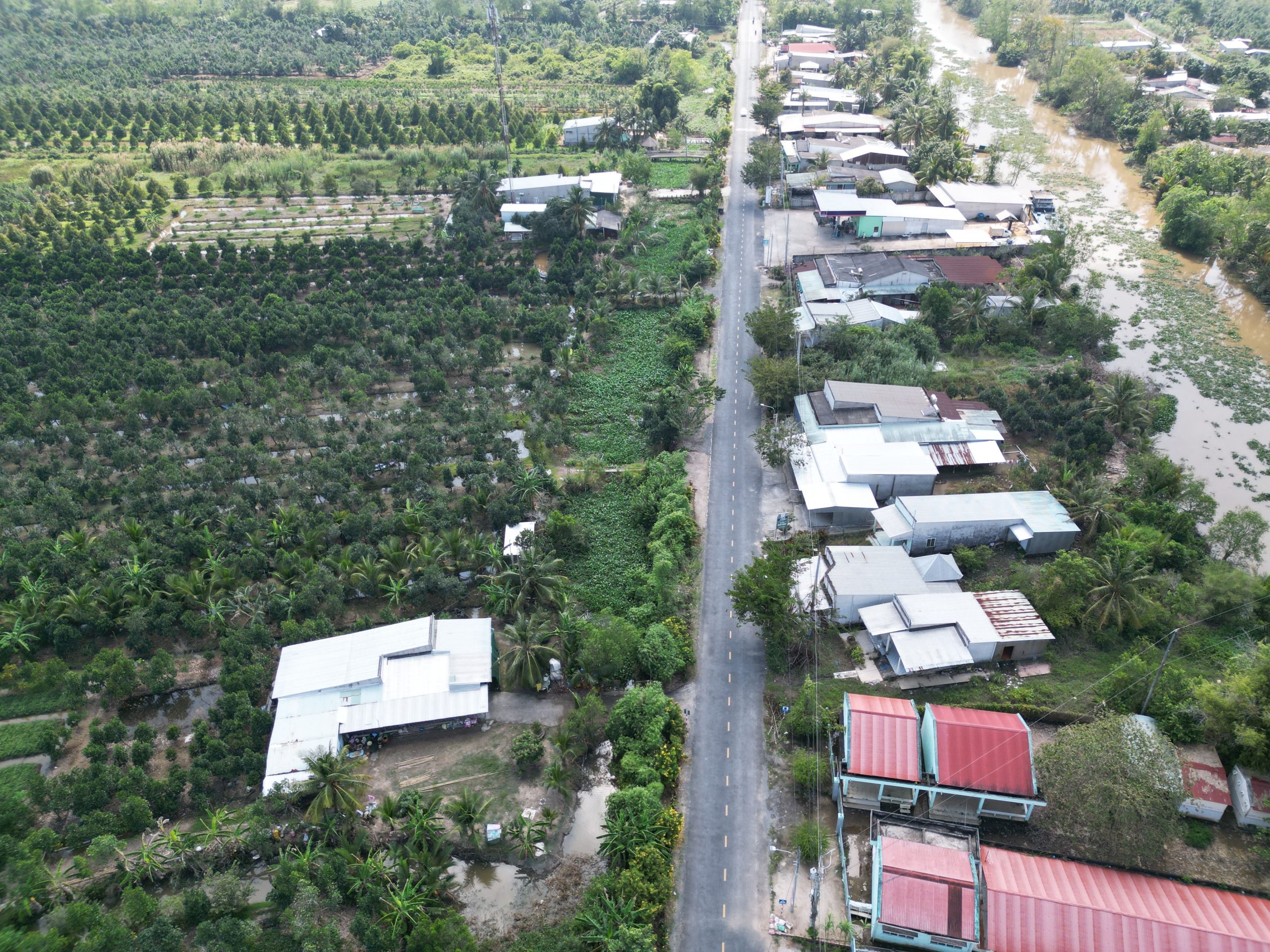
Vietnam will embed safer road design across 251 kilometres of key highways and around local schools in the Mekong Delta, as part of a US$370 million World Bank-supported project which includes iRAP indicators for safety.
The Vietnam Mekong Resilient Regional Connectivity for Three National Highways Project (MeRRCoP) aims to strengthen connectivity, road safety and climate resilience along National Highways 53, 62, and 91B, benefiting an estimated 856,800 people and improving access to markets, services and economic centres.
A key safety requirement is that the upgraded roads are designed to achieve an iRAP Star Rating of three stars or higher.
The project will also pilot School Zone Safety Basic Standards along the three national highways, with support from the Global Road Safety Facility (GRSF), through Bloomberg Philanthropies Initiative for Global Road Safety (BIGRS), and technical assistance from AIP Foundation.
The standards are designed to improve safety around schools through measures including safer walking and cycling facilities, pedestrian crossings, traffic calming, road markings, signage and street lighting. Lessons from the pilot are expected to help inform wider school-zone safety improvements across the country.
The three highways are also being designed to withstand the Mekong Delta’s significant climate risks, with improved drainage and other resilience measures supporting more reliable year-round connectivity.
By integrating global road safety standards in this major infrastructure investment, alongside improved connectivity and climate resilience, upgrades to the three highways will reduce crash risks and save lives, while meeting the growing transport and development needs of the region.
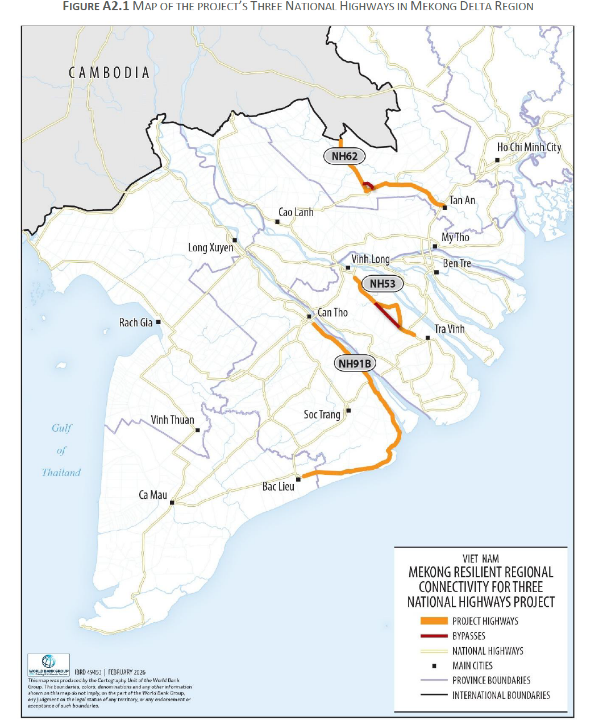
Map Image source: GRSF; Header image credit: Pexels Kushie